Cat Insurance: Cost & Coverage Comparison Guide
Cat Insurance Basics for Daily Care Support
Cat insurance helps offset unexpected veterinary expenses—especially critical for conditions tied to grooming neglect (e.g., matted fur leading to skin infection), litter box avoidance (linked to UTIs), or environmental stressors. As of 2024, only 3% of U.S. cats are insured, per the North American Pet Health Insurance Association (NAPHIA, 2024). Plans vary widely in coverage for preventive services like dental cleanings or behavioral consultations for litter aversion.
Grooming-Related Coverage Considerations
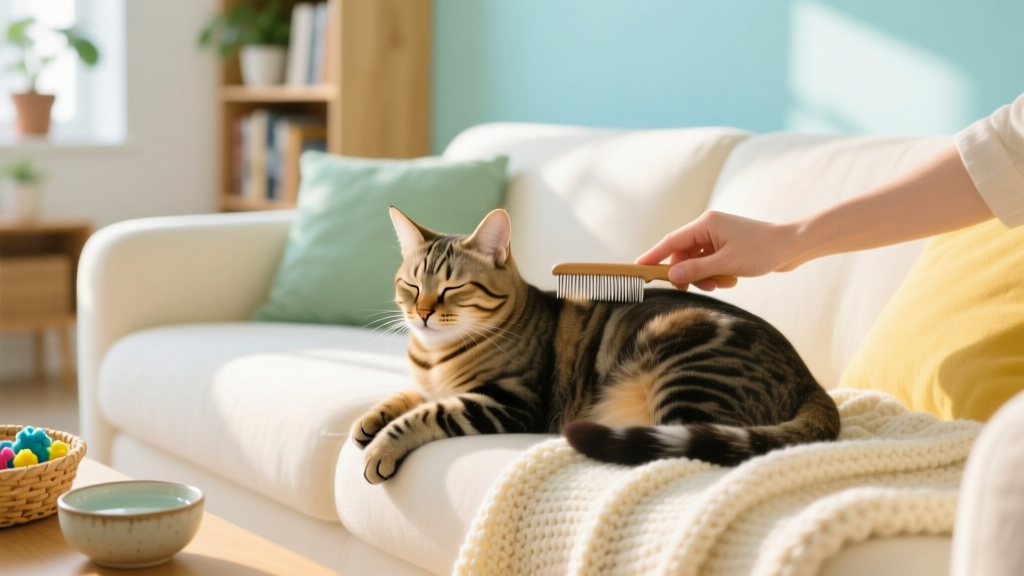
Most accident-and-illness policies exclude routine grooming but may cover medically necessary interventions. For example, if severe matting causes pyoderma requiring sedated removal and antibiotics, providers like Trupanion (founded 2000) often reimburse 90% after deductible. However, preventative deshedding sessions or nail trims remain out-of-pocket. A 2023 study in the Journal of Feline Medicine and Surgery found that regular brushing reduced hairball-related vet visits by 42%—a cost-saving habit no policy replaces.
Litter Box Management & Insurance Reimbursement
Litter box issues can signal underlying illness: 65% of feline lower urinary tract disease (FLUTD) cases present with inappropriate urination (AVMA, 2023). Insurance may cover diagnostics (urinalysis, ultrasound) and treatment—but not litter substrate trials or pheromone diffusers. For instance, a full FLUTD workup averages $480–$1,200; Lemonade Pet’s 2024 plan reimburses up to 80% after a $100 deductible, provided pre-authorization is obtained.
Environmental Enrichment & Behavioral Coverage Gaps
Stress-induced cystitis or overgrooming may qualify for coverage if diagnosed by a veterinarian—but enrichment tools (e.g., Feliway Optimum diffusers, Pioneer Pet Raindrop fountains) are never reimbursed. Real-world scenario: Luna, a 3-year-old indoor tabby, developed alopecia from anxiety after a move. Her insurer covered the $320 cortisol test and fluoxetine prescription but not the $129 window perch or $79 interactive feeder used in her recovery plan.
Cat-Proofing and Daily Routine Integration
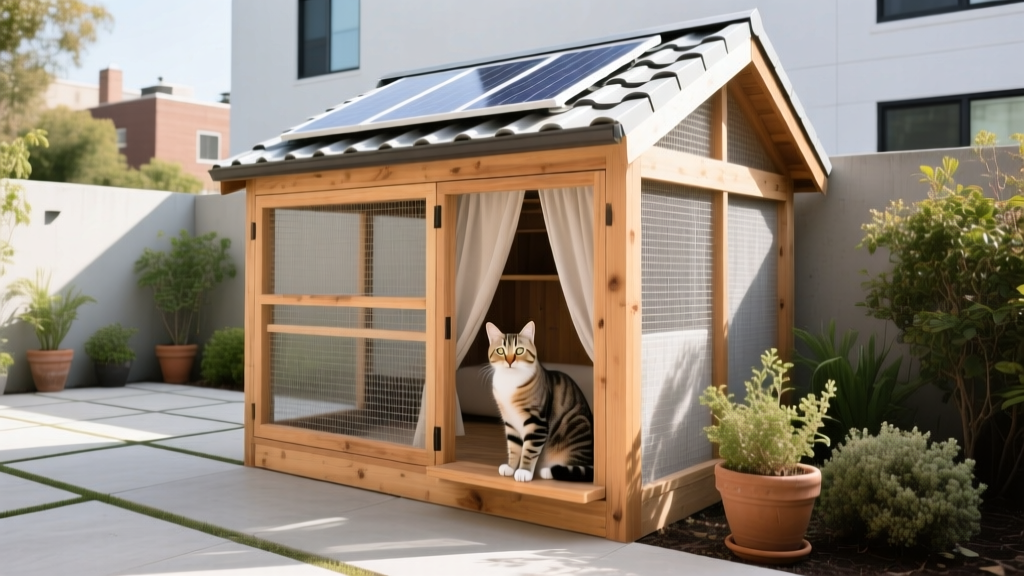
Daily care routines reduce risks insurers won’t cover—like ingestion of toxic plants ($210 average ER visit, ASPCA Animal Poison Control, 2024) or falls from unsecured balconies. Providers such as Embrace include optional ‘wellness add-ons’ ($12–$22/month) covering annual exams and parasite prevention, but exclude home safety modifications. Another real-world case: Milo, a 7-month-old Bengal, chewed an electrical cord and suffered oral burns. His $1,850 ER bill was 85% reimbursed by Healthy Paws—but the $89 cord protector kit he needed post-recovery wasn’t covered.
| Provider | Base Monthly Cost (1-yr-old cat) | Coverage Start Date | Wellness Add-On? | Preventive Grooming Coverage? |
|---|---|---|---|---|
| Trupanion | $39.20 | Effective day of enrollment | No | No |
| Embrace | $28.50 | 14-day waiting period | Yes ($12.95/mo) | No |
| Lemonade Pet | $22.75 | 2-day waiting period | Yes ($14.95/mo) | No |
| Healthy Paws | $34.90 | 15-day waiting period | No | No |
When selecting a plan, prioritize fast claims processing (Trupanion averages 3.3 days, per 2024 internal data) and clear exclusions for chronic conditions. Always verify whether your cat’s breed-specific risks—like Persian brachycephalic airway syndrome—are subject to waiting periods or caps.
Integrate insurance decisions into your broader care strategy: weekly brushing, twice-daily litter scooping, rotating toys every 3 days, and securing windows above 2nd-floor ledges. These habits cost little but prevent many high-dollar claims—and most insurers reward proactive owners with multi-pet or long-term loyalty discounts.
Remember: No policy replaces hands-on observation. If your cat skips the litter box for >48 hours or grooms obsessively for >20 minutes/day, consult your vet before filing a claim. Early intervention avoids escalation—and preserves your deductible for true emergencies.