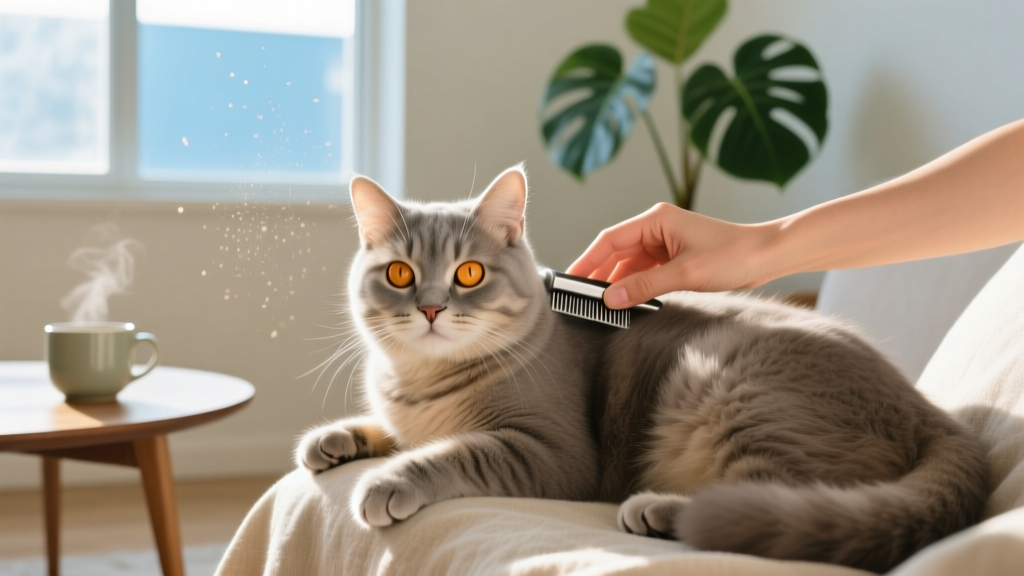
Cat Dental Care at Home: A Practical Guide
Why Cat Dental Health Matters
By age 3, most cats show signs of periodontal disease. Untreated dental issues lead to pain, infection, and organ damage.
Daily Brushing
Use a cat-specific toothbrush and enzymatic toothpaste. Never use human toothpaste—it contains fluoride toxic to cats.
How to Start
Begin by letting your cat taste the toothpaste. Progress to rubbing gums with your finger, then introduce the brush. Aim for 30 seconds per side.
Dental Treats and Diets
VOHC-approved dental treats reduce tartar by 15-20%. Dental kibble has a larger size and textured surface that scrubs teeth.
Water Additives
Enzymatic water additives reduce bacteria. They work best combined with brushing, not as a replacement.
Warning Signs
- Bad breath beyond normal fishy odor
- Red or swollen gums
- Drooling or dropping food
- Pawing at the mouth
- Reluctance to eat dry food
Professional Cleanings
Annual veterinary dental cleanings under anesthesia are the gold standard. Home care extends intervals but cannot replace professional scaling.