Senior Cat Comfort: Home Adjustments That Help
Recognizing the Signs of Aging
Cats are considered senior at 11 years old. Common changes include decreased mobility, vision or hearing loss, cognitive decline, and changes in eating or litter box habits. Early home adjustments dramatically improve quality of life.
Mobility Modifications
Ramps and Steps
Arthritis makes jumping painful. Place pet ramps or small steps next to favorite elevated spots — the bed, couch, or window perch.
Low-Sided Litter Boxes
High-sided boxes require stepping over a tall wall, painful for arthritic hips. Switch to boxes with one low-entry side.
Non-Slip Surfaces
Hardwood and tile floors become slippery hazards. Place yoga mats or area rugs along your cat's most-used paths.
Feeding Adjustments
Elevated food and water bowls reduce neck strain. Raise bowls 4-6 inches off the floor. Senior cats may benefit from smaller, more frequent meals.
Temperature Comfort
Older cats lose body heat faster. Provide heated beds (low setting), self-warming mats, or access to sunny spots.
Cognitive Support
Feline cognitive dysfunction affects up to 50% of cats over 15. Maintain consistent routines, keep furniture in the same positions, and use nightlights for cats with failing vision.
Grooming Assistance
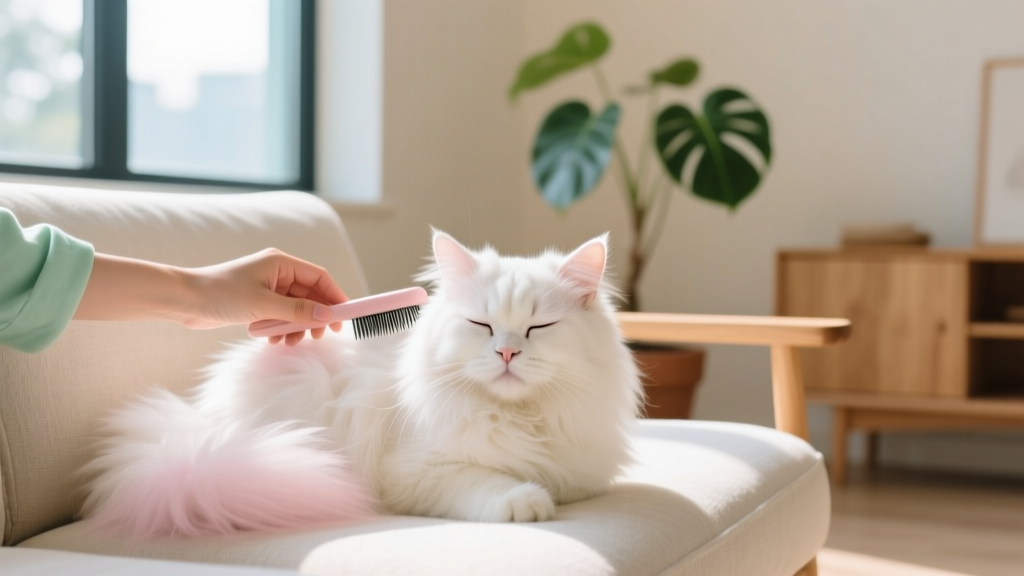
Senior cats lose flexibility and can't groom their back and hindquarters. Brush these areas every few days to prevent mats.
When to Increase Vet Visits
Senior cats should see the vet every six months. Blood work catches kidney disease, hyperthyroidism, and diabetes early.