Why Cats Sit on the Window Air Conditioner
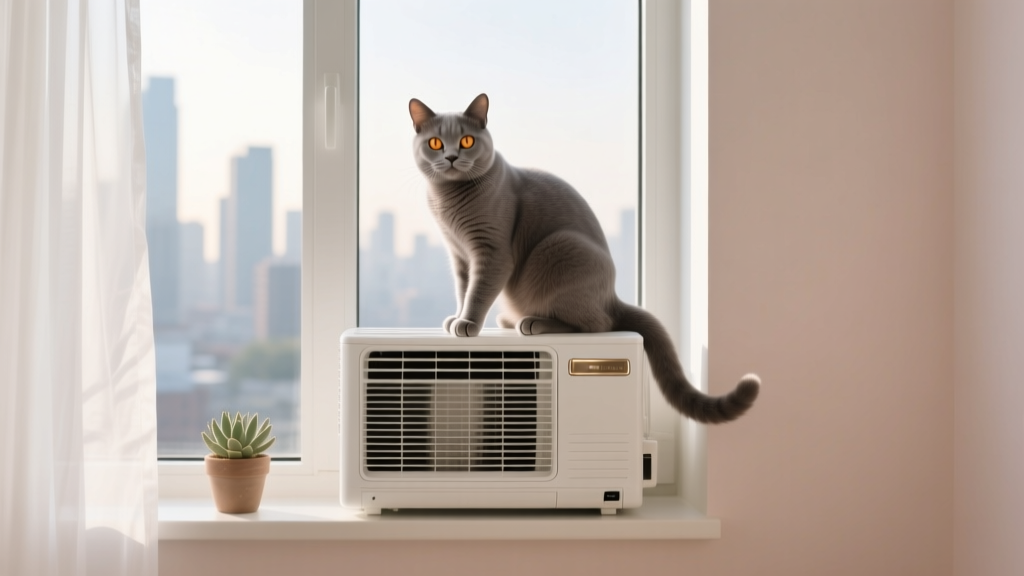
You turn on the window air conditioner to survive a sticky summer afternoon. Five minutes later, your cat has appeared like a furry heat-seeking missile—only instead of avoiding the cold blast, they’re perched right on top of the unit (or wedged beside it), calmly loafed as if they’ve booked a spa appointment. Maybe they’re watching birds through the glass, maybe they’re half-asleep with one ear tilted toward the room, maybe they’re purring like the AC is paying rent.
If you’ve ever wondered, “Why this spot? Why now? And… is that safe?” you’re not alone. Sitting on the window AC is one of those classic cat choices that looks random until you view it through a cat’s priorities: safety, warmth (or coolth), height, scent, and a front-row seat to everything that matters.
The Scientific (and Evolutionary) Reasons Cats Love That Spot
Cats are small predators with strong “survey the territory” instincts. In the wild, a cat that can rest while monitoring the environment has a survival advantage. That window AC basically checks multiple ancient boxes at once:
- Vantage point: Height plus a window view equals “command center.” Cats feel safer when they can see what’s coming.
- Thermal comfort: Cats are heat-lovers by design, but they’re also experts at microclimates—tiny pockets of “just right” temperature. AC units create temperature gradients: cool air here, warm air there, a slightly warm casing on top, and a refreshing breeze off to one side.
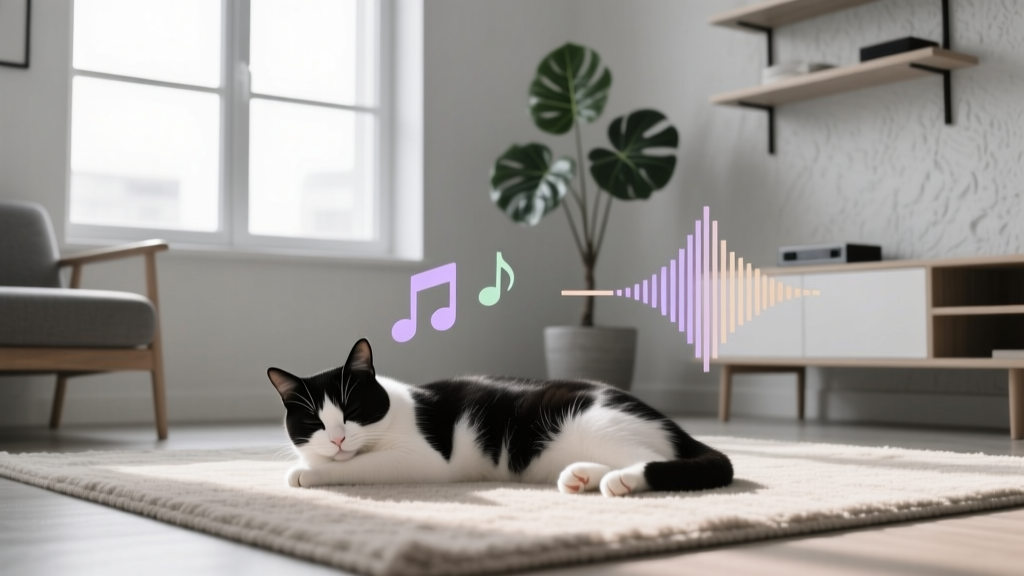
- Vibration and white noise: The hum and gentle vibration can be soothing, similar to purring frequencies and other calming repetitive sensations.
- Scent and ownership: Cats feel secure in familiar-scented areas. If your cat rubs the AC or naps there often, it becomes a “my place” zone.
- Resource guarding (in a non-dramatic way): A prime spot is a resource. Your cat may simply be claiming the best seat in the house.
Evolution didn’t specifically prepare cats for window appliances, but it absolutely prepared them to choose elevated, comfortable, predictable places with good information (window view) and low effort. A window AC is the modern cat’s version of a warm rock near a lookout point—except it comes with bird TV.
A Detailed Breakdown: Different Contexts, Different Motivations
1) The “Bird TV” Observer
Your cat sits on the unit, eyes wide, tail tip twitching, tracking sparrows, squirrels, neighbors, passing cars. This is classic visual enrichment. The AC just happens to be the best perch for the best view.
What you’ll notice: chirping (that adorable “ek-ek-ek” sound), crouching, focused staring, occasional butt wiggles.
2) The “Cool Breeze, Warm Top” Thermostat Cat
Some cats choose the top of the AC because it’s not the coldest part. Depending on the unit, the top can be slightly warm from the motor while the front vents blow cool air. Your cat may be enjoying a perfect balance: a warm seat with a cooling face breeze.
What you’ll notice: slow blinks, sprawled posture, frequent repositioning—rotating like a rotisserie chicken until the temperature hits “ideal.”
3) The “Vibration Nap” Fan
The steady hum can act like a lullaby. Many cats are drawn to consistent, low-level sound. It masks sudden noises (door slams, footsteps, outside sounds) and can make a nervous cat feel less on edge.
What you’ll notice: deeper sleep, less startle response, a preference for the AC even when the window view is boring.
4) The “Social Anchor” in the Busiest Room
If the AC is in a living room or bedroom where you spend time, your cat might be using it as a comfortable way to be near you without being in your lap. Cats often want togetherness with options: close enough to monitor you, far enough to keep personal space.
What you’ll notice: your cat follows you to the room, settles on the AC, and watches you like a quiet supervisor.
5) The “This Is Mine Now” Territory Statement
Cats love routine. Once a spot becomes part of the daily pattern—especially if it’s reinforced by your reactions (“Aww, look at you!”) or by comfort—it becomes a default location. Some cats also rub cheeks on the edge of the unit, leaving facial pheromones that mark it as familiar and safe.
What you’ll notice: repeated use at the same time daily; head bunting; kneading; irritation if another pet approaches.
What Sitting on the Window AC Says About Your Cat’s Mood
This behavior is usually a sign your cat feels secure enough to rest in a semi-exposed spot. Here’s how to read the emotional subtext:
- Loaf position, relaxed whiskers, slow blinks: contentment. Your cat feels safe and comfortable.
- Upright sit, ears swiveling, tail wrapped neatly: calm alertness. They’re monitoring the environment (especially outside).
- Wide eyes, tense body, rapid tail flicks: overstimulation or agitation—often due to outdoor cats, birds, or neighborhood drama.
- Hunched posture, ears slightly back, hiding behavior nearby: could indicate stress. The AC may be a “safe enough” perch near an escape route.
- Constant repositioning, seeking the vent, then avoiding it: temperature discomfort or sensitivity. Some cats want airflow briefly, then get chilly.
In many homes, the window AC becomes a mood barometer: when your cat camps there, they’re often either enjoying a sensory “sweet spot” or feeling more watchful than usual.
Related Behaviors You Might Also Notice
Cats who love the window AC often have a “type” when it comes to favorite places. You may see:
- Sitting on routers, cable boxes, or gaming consoles: warmth + vibration + central location.
- Perching on windowsills or the back of the couch: height and a good view.
- Sleeping on laundry piles: soft texture + your scent.
- Hanging out near fans or vents: airflow, sound masking, and temperature regulation.
- Following the sun across the floor: classic feline solar charging behavior.
These are all variations on the same theme: cats choose spots that maximize comfort and information while minimizing risk.
When It’s Normal vs. When It Might Be a Concern
Usually normal: If your cat sits on the AC occasionally or regularly, looks relaxed, eats and drinks normally, and shows no signs of fear or discomfort, consider it a quirky (and practical) preference.
Potential concerns to watch for:
- Safety hazards: If the unit wobbles, shifts, or has a weak mounting, a jumping cat can tip it or fall. This is a home-safety issue more than a behavior issue.
- Overheating or chilling: Some cats (especially seniors, kittens, or cats with thin coats) can get too cold from direct airflow. Conversely, the motor area may be warm—rarely hot enough to burn, but check for hot surfaces.
- Compulsive “can’t settle anywhere else” behavior: If your cat suddenly only rests there and seems restless elsewhere, consider stress, temperature discomfort, or a health change.
- Breathing issues: If your cat sits there with open-mouth breathing, coughing, wheezing, or increased respiratory effort, consult a vet promptly. (That’s not “they love the breeze”—that’s a medical red flag.)
- Sudden behavior change: If a cat who never cared about the window suddenly camps there and seems anxious, something outside may be triggering them (new cat, construction noise, wildlife, neighborhood changes).
If you’re ever unsure, take a quick video of the behavior and discuss it with your veterinarian—especially if it’s paired with appetite changes, hiding, litter box changes, or lethargy.
How to Respond (and How to Encourage It Safely)
You don’t need to “train it out” of them. You just want the habit to be safe and enriching.
- Stabilize the AC unit: Make sure it’s securely installed, level, and supported. Consider a professional install or a sturdy bracket if it shifts at all.
- Create a nearby approved perch: Place a cat tree, window hammock, or sturdy shelf near the window. Many cats choose the AC because it’s the only good seat in that area.
- Add a non-slip mat: If your cat perches on top, a grippy mat can prevent sliding, especially when they jump up with enthusiasm.
- Manage airflow: If the vent blasts directly where your cat sits, adjust louvers upward or away. Your cat may still enjoy the sound and view without the cold draft.
- Offer “better than the AC” comforts: A folded blanket on a nearby perch can win them over—especially if it holds your scent.
- Reduce outdoor triggers: If your cat gets intensely wound up by outside cats, consider frosted window film on the lower portion of the window or use curtains strategically so they can observe without feeling threatened.
- Reinforce calm behavior: If your cat is peacefully perched, reward with soft praise or a treat. If they’re overstimulated (tail lashing, vocalizing at outdoor cats), redirect with a wand toy away from the window.
The goal: keep the window area a “safe theater seat,” not a shaky stool in the front row.
Fun Facts and Research-Adjacent Nuggets
- Cats are microclimate experts: They don’t just prefer “warm” or “cool.” They prefer specific temperatures at different times—often warmer for sleep and cooler for alert observation. Your AC creates a buffet of tiny temperature zones.
- Sound can be a comfort cue: Consistent background noise (like a fan or AC hum) can lower startle responses in some animals by masking unpredictable sounds.
- Windows are enrichment gold: Many behaviorists recommend “cat TV” (a view of outdoors) as a low-effort way to reduce boredom, especially for indoor cats.
- Height equals security: Perching allows cats to observe without being approached easily—one reason elevated resting spots can reduce multi-cat tension in a home.
FAQ: Common Questions About Cats and Window Air Conditioners
Is it safe for my cat to sit on the window AC?
It can be, as long as the unit is securely installed and stable, the cat can’t access sharp edges or wiring, and the surface doesn’t get overly hot or slippery. If the AC shifts when your cat jumps up, treat it as unsafe until it’s reinforced.
Why does my cat sit there even when the AC is off?
Because the spot still offers height, a view, and a familiar “owned” resting place. The AC doesn’t have to be running for it to be prime real estate.
My cat sits right in front of the cold air—don’t they hate being cold?
Many cats dislike being chilled for long periods, but they may enjoy a brief cool breeze, especially in hot weather or after play. Watch their body language: if they’re relaxed, it’s likely comfortable; if they tense up or move away repeatedly, adjust the louvers or offer a nearby perch.
Why does my cat get hyper or aggressive when sitting there?
Often it’s window arousal: seeing birds, squirrels, or outdoor cats can trigger hunting excitement or territorial stress. Redirect with play, block the view of outdoor cats if needed, and provide additional vertical territory elsewhere in the home.
Should I stop my cat from doing this?
Not necessarily. If it’s safe and your cat is calm, it’s a healthy enrichment behavior. If it’s unsafe (wobbly unit, risk of falling, or your cat becomes frantic), redirect them to a safer window perch and make that option more appealing.
My cat suddenly started sleeping on the AC every day. What changed?
Possibilities include seasonal temperature shifts, a new outdoor stimulus, a new household routine, or even a comfort-seeking response to stress. If the change is paired with appetite, litter box, or energy changes, check in with your vet.
When you see your cat perched on the window air conditioner, you’re watching feline instincts at work: comfort-seeking, environment-monitoring, and that timeless desire to claim the best seat in the house. With a little safety-proofing and a few smart perch options, you can support the behavior—and learn a lot about what your cat values most.
Does your cat treat the AC like a throne, a lookout tower, or a nap pod? Share your funniest (or most puzzling) window-AC stories with the Cat Lovers Base community at catloversbase.com—we’d love to hear how your cat runs their “climate control department.”