Why Cats Sit on the Porch Railing
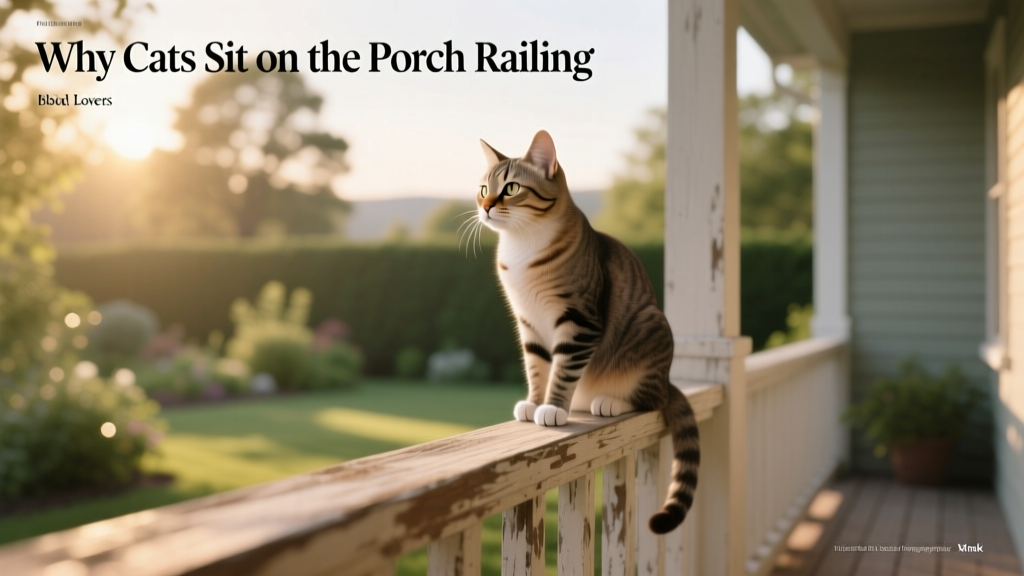
You open the door with your coffee, expecting a quiet morning… and there’s your cat. Perched on the porch railing like a tiny panther on a runway. Tail wrapped neatly around their paws, eyes half-lidded as if they own the neighborhood (and maybe your mortgage). A dog barks two houses down. A squirrel commits the crime of existing. Your cat doesn’t flinch—just watches, calm and slightly smug.
If you’ve ever wondered why that narrow railing is so irresistible, you’re not alone. From a cat’s point of view, the porch railing isn’t “just a railing.” It’s a lookout tower, a scent bulletin board, a sun-warmed throne, and sometimes a strategic boundary line. Here’s what’s really going on in that feline brain when they choose the high, skinny seat.
1) The Scientific (and Evolutionary) Reason: Height = Safety + Information
Cats are both hunters and—depending on the environment—potential prey. That dual identity shaped their instincts. In the wild, being higher up can mean:
- Better visibility: Height gives a wider field of view to track movement—prey, rivals, and anything suspicious.
- More control: A cat who can see first can decide first: approach, avoid, freeze, or flee.
- Safety with an escape route: A railing may look precarious to you, but to your cat it’s often a perfect balance beam with multiple “exit options” (jump to the porch, leap to a post, retreat to the door).
Domestic cats still carry the hardware of their ancestors: flexible spines, powerful hindquarters, and a vestibular system (balance system) that makes a narrow surface feel surprisingly manageable. Sitting on a railing is part comfort, part strategy, and part “I can, so I will.”
2) The Behavior, Broken Down by Context (Because Not All Railing Sits Are the Same)
The same behavior can mean different things depending on what’s happening around it. Here are common porch-railing scenarios—and what they often indicate.
The “Neighborhood Watch” Sit
Scene: Your cat perches on the rail at dawn or dusk, scanning the street like a security guard on shift. They track birds, people, and cars with slow head turns. Sometimes the tail tip flicks like a tiny metronome.
What it’s about: Surveillance and enrichment. This is mental stimulation. Cats are information gatherers, and the porch is a front-row seat to the outdoor “channel.” Even indoor-only cats love to monitor the outside world because it’s packed with movement, sounds, and scents.
The “Sunbeam Throne” Sit
Scene: Your cat chooses the spot where the morning sun hits the railing. They loaf, squint, and look blissfully unbothered.
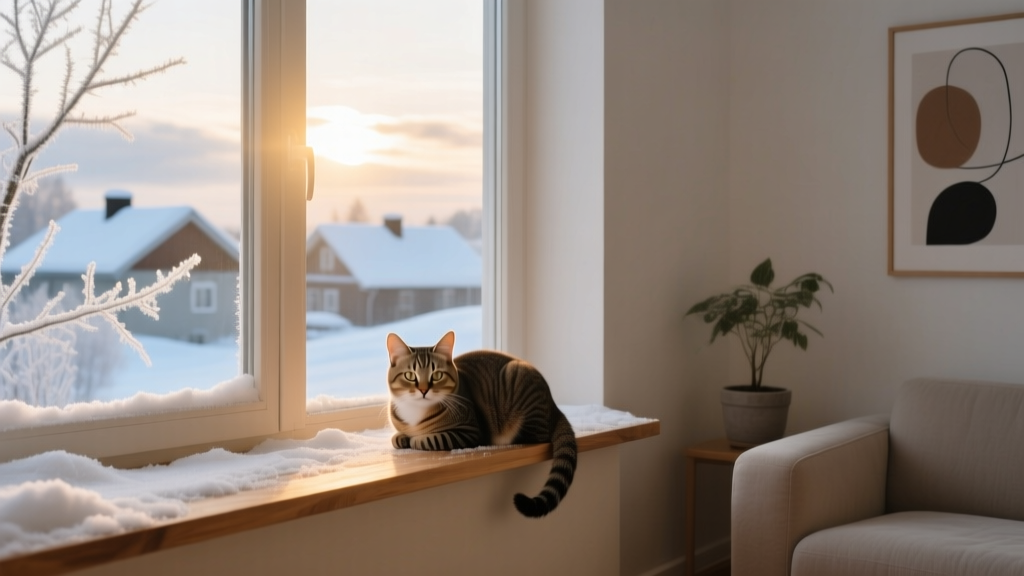
What it’s about: Thermoregulation and comfort. Cats like warm surfaces. A railing can heat up nicely in the sun and offer a gentle warmth along the chest and paws—especially appealing to older cats with stiff joints.
The “Border Patrol” Sit
Scene: Your cat sits on the railing and stares at a neighboring cat, a raccoon, or a dog. Their body looks taller. They may hold still like a statue, with ears angled forward or sideways.
What it’s about: Territory and confidence testing. The railing acts as a boundary marker. Sitting on it can be a statement: “This area is claimed.” It’s a way to monitor a potential intruder without fully engaging.
The “I Want In (or Out)” Sit
Scene: Your cat hops onto the railing near the door, glances at you, then looks away like they’re too cool to ask for anything.
What it’s about: Communication. Cats often choose elevated, visible spots when they want you to notice them. A railing near the door becomes a polite (or not-so-polite) request: “Open this portal, human.”
The “Social Balcony” Sit
Scene: You’re outside chatting, gardening, or checking mail. Your cat sits on the railing nearby, facing outward but occasionally glancing at you.
What it’s about: Companionship without pressure. Many cats prefer “parallel socializing”—being near you without constant touch. The railing provides a comfortable distance where they can be part of the action while still feeling in control.
3) What Porch-Railing Perching Says About Your Cat’s Mood
Your cat’s body language will tell you whether the railing is a relaxation spot or a tactical position. Here are common “translations.”
- Soft eyes + slow blinks: Calm, content, and feeling safe.
- Loafed body or relaxed sit with paws tucked: Comfortable and settled—this is their lounge chair.
- Ears forward, whiskers neutral, still tail: Curious and engaged, but not stressed.
- Tail tip twitching, focused stare: High interest or mild frustration (often watching birds they can’t reach).
- Crouched low, ears angled sideways or back: Uncertain or cautious—something in the environment feels risky.
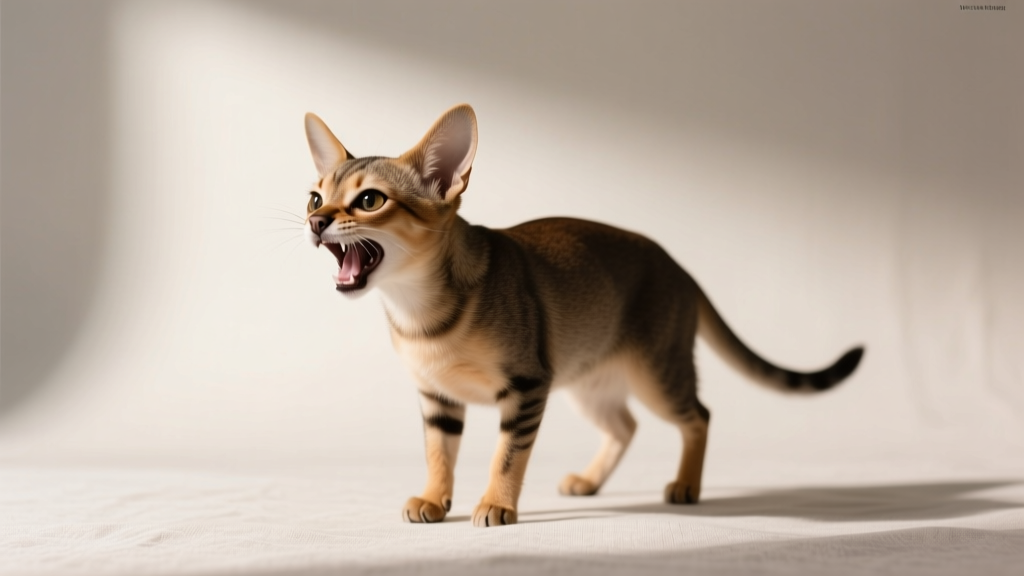
- Puffed tail, tense posture, growling: Over-aroused or threatened—this is no longer “relaxing porch time.”
One of the most useful questions you can ask is: Is my cat choosing the railing freely and staying relaxed? If yes, it’s usually a sign of confidence and enrichment. If they look trapped, hypervigilant, or unable to settle, something else may be driving the behavior.
4) Related Behaviors You Might Notice
Porch-railing sitting often shows up alongside other classic “I like to be elevated and informed” cat habits:
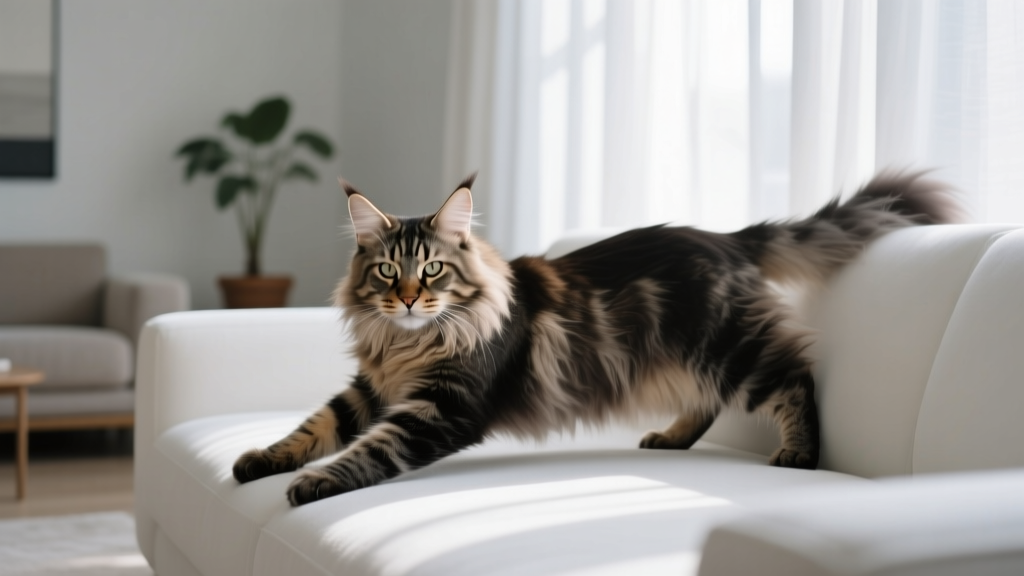
- Sitting on the back of the couch like it’s a feline observation deck
- Perching on windowsills and chattering at birds
- Claiming stair landings (high traffic + high visibility)
- Rubbing cheeks on posts or railings to leave friendly scent marks
- Leading you to the porch and then sitting with their back to you (trust + comfort)
If your cat loves railings, they probably also love cat trees, shelves, or any furniture that offers a “high ground” advantage.
5) When Porch-Railing Sitting Is Normal… and When It Might Be a Concern
Most of the time, this is perfectly normal cat behavior—especially if your cat seems relaxed and returns indoors easily. But there are situations where it’s worth a closer look.
Normal
- Your cat sits, watches, then goes about their day
- They respond to your voice and can be redirected
- No signs of fear, aggression, or frantic pacing
- They’re physically stable on the railing (no wobbling, no frequent slips)
Potential concern
- Sudden obsessive guarding: If your cat begins spending hours “on duty,” refusing to come in, or reacting intensely to outside movement, they may be stressed by a new neighborhood animal.
- Redirected aggression: A cat who gets worked up watching an outdoor cat may lash out at a housemate or even you when startled.
- Balance or mobility issues: If an older cat starts wobbling, hesitating to jump down, or slipping, ask your vet about arthritis, vision changes, or vestibular issues.
- Risky location: A railing over a steep drop, near a busy street, or by a spot where dogs can reach is a safety concern even if your cat is “good at balancing.”
If you notice a behavioral shift—more hiding, increased irritability, appetite changes, or vocalizing—pair that observation with the railing habit. The railing may be where the stress is playing out, not the original cause.
6) Tips for Responding to (or Encouraging) the Behavior
If your cat loves the porch railing, you can support the instinct in ways that are safer and more enriching.
Make it safer
- Provide a stable alternative: Add a wide outdoor perch, bench, or sturdy chair near the railing. Many cats will choose the safer option if it offers the same view.
- Use non-slip surfaces: Outdoor-safe grip tape or a weatherproof mat on a wider section can help prevent slips.
- Supervise outdoor time: Especially for cats who startle easily or live near traffic.
- Consider a catio or porch screening: The same view with far less risk—and it reduces stress from neighborhood cats.
Support the “lookout” instinct indoors, too
- Install a window perch or cat shelves that mimic the elevated vantage point.
- Offer hunting outlets: Short play sessions with a wand toy can reduce frustration from watching prey they can’t catch.
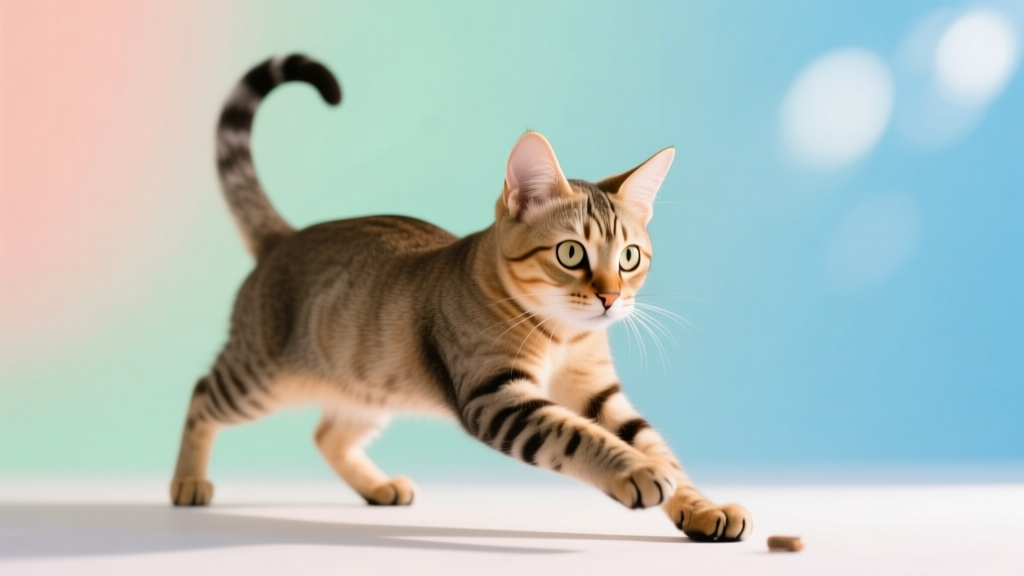
- Reward calm behavior: If your cat sits quietly and relaxed, toss a treat onto a safe perch (not onto the narrowest rail). You’re reinforcing calm observation instead of tense guarding.
If the railing is becoming a “stress station”
- Block visual triggers temporarily: Outdoor curtains, privacy film (for windows), or strategic plants can reduce constant cat-vs-cat staring contests.
- Increase scent comfort: Consistent indoor routines, more resting spots, and (if recommended by your vet) pheromone diffusers can help.
- Address the outdoor cat issue: Motion-activated sprinklers, humane deterrents, and removing food sources can reduce visits from roaming cats.
7) Fun Facts and Research Nuggets
- Cats rely heavily on “vertical territory.” In multi-cat homes, vertical space can reduce conflict by allowing cats to share a room without sharing the same floor-level pathways.
- Perching is a form of control. From a behavior perspective, control over distance and approach is a huge part of feline comfort. A railing gives your cat the ability to watch without being approached easily.
- Balance is a feline superpower. Cats have specialized inner ear structures and a righting reflex that help them orient their bodies quickly—one reason narrow perches don’t look as scary to them as they do to us.
- Scent matters as much as sight. Railings collect scent information from wind currents and passing animals. To your cat, that spot may be an “olfactory news feed.”
FAQ: Cats Sitting on Porch Railings
1) Is my cat showing off by sitting on the railing?
In a way, yes. Cats repeat behaviors that feel good and successful. If your cat feels confident balancing there and enjoys the view, they’ll choose it again—especially if it also gets your attention.
2) Why does my cat sit on the railing and stare at nothing?
They may be tracking subtle movement or sounds you can’t easily detect—distant birds, insects, or rustling leaves. Cats also “scan” to gather information; it’s not always about a specific visible target.
3) Should I stop my cat from sitting on the porch railing?
If the railing is safe, stable, and supervised, it’s usually fine. If it’s high-risk (steep drop, near traffic, dogs nearby, or slick surface), redirect to a wider perch or create a screened porch/catio option.
4) My cat growls from the railing when another cat appears. What does that mean?
That’s likely territorial stress. The railing becomes a defensive position. Reduce visual contact if possible, increase indoor enrichment, and consider addressing outdoor visitors with humane deterrents. If aggression escalates or redirects toward people/pets, consult a vet or qualified behavior professional.
5) Why does my cat choose the railing instead of a comfy chair?
The chair is comfy, but the railing has value: height, visibility, and sometimes the best sun angle. Cats prioritize strategic comfort—comfort plus information wins.
6) My older cat started sitting on the railing more often. Is that normal?
It can be, especially if the sun warmth helps achy joints. But if you notice stiffness, difficulty jumping down, wobbling, or changes in appetite/grooming, schedule a vet check to rule out pain or balance issues.
Your cat on the porch railing is often doing something beautifully feline: seeking height, warmth, information, and a little bit of control over their tiny kingdom. The more you read the context—posture, tail, triggers—the more that “quirky habit” becomes a clear message about what your cat needs.
Does your cat have a favorite porch spot, a particular “watch schedule,” or a hilarious railing ritual (like yelling at the mail carrier from their throne)? Share your story in the comments on catloversbase.com—cat people live for these details.