Does neutering cats change behavior for weight loss? The truth about post-spay weight gain—and exactly what you can do in the first 30 days to prevent it (no diet pills, no guesswork)
Why This Question Matters More Than Ever
Does neutering cats change behavior for weight loss? Yes—but not in the way most owners assume. In fact, up to 65% of neutered cats gain significant weight within 6 months post-procedure, and over half become overweight or obese by age 3 (Journal of Feline Medicine and Surgery, 2022). Yet this isn’t inevitable—or even primarily hormonal. It’s behavioral: reduced roaming, lower energy expenditure, increased food-seeking drive, and often, unintentional overfeeding by well-meaning owners. What makes this urgent is that feline obesity isn’t just ‘chubby’—it’s the #1 preventable risk factor for diabetes, arthritis, urinary disease, and shortened lifespan. The good news? With precise behavioral adjustments—not restrictive diets or supplements—you can preserve your cat’s natural activity rhythm and healthy weight for life.
How Neutering Actually Changes Behavior (and Why Weight Follows)
Neutering removes the primary source of testosterone (in males) or estrogen (in females), triggering cascading neuroendocrine shifts. But contrary to popular belief, it doesn’t make cats ‘sluggish.’ Instead, it recalibrates three key behavioral drivers:
- Foraging & Food Motivation: Estrogen and testosterone suppress neuropeptide Y (NPY), a brain chemical that drives hunger. After spay/neuter, NPY rises 23–37%, increasing food-seeking behaviors—even when calories aren’t needed (American Journal of Veterinary Research, 2021).
- Activity Threshold: Intact cats expend ~28% more energy daily due to territorial patrol, mate-seeking, and vocalization. Post-neuter, that baseline drops—not because they’re ‘tired,’ but because those instinctual drivers vanish. Without replacement stimulation, activity plummets.
- Environmental Responsiveness: A 2023 Cornell Feline Health Center study found neutered cats were 41% less likely to respond to novel toys or puzzle feeders introduced after surgery—unless those tools were embedded into routine before the procedure.
This isn’t laziness—it’s neurobiological adaptation. And crucially, these changes begin within 48 hours post-op, peak at week 2–4, and stabilize by week 8. That means your window to redirect behavior is narrow—and powerful.
Your First 30-Day Behavioral Reset Plan
Forget calorie counting alone. The most effective weight management starts with behavior scaffolding—structured, predictable, and rewarding. Based on protocols used successfully in 92% of cats across 14 veterinary clinics (AVMA Clinical Practice Guidelines, 2023), here’s your actionable roadmap:
- Days 1–3 (Recovery + Foundation): Use scent-based enrichment (e.g., dried catnip, silvervine) near food bowls to stimulate interest without demanding movement. Offer 3x daily micro-meals (⅓ of daily calories each) in separate quiet locations—this mimics natural foraging and resets meal anticipation.
- Days 4–14 (Stimulus Substitution): Replace lost territorial behaviors with targeted play. Use wand toys to simulate prey movement (darting, hiding, pausing) for 5 minutes, 2x daily—ideally 30 minutes before meals. This triggers hunting instincts and increases post-prandial energy burn by 19% (study: University of Lincoln, 2020).
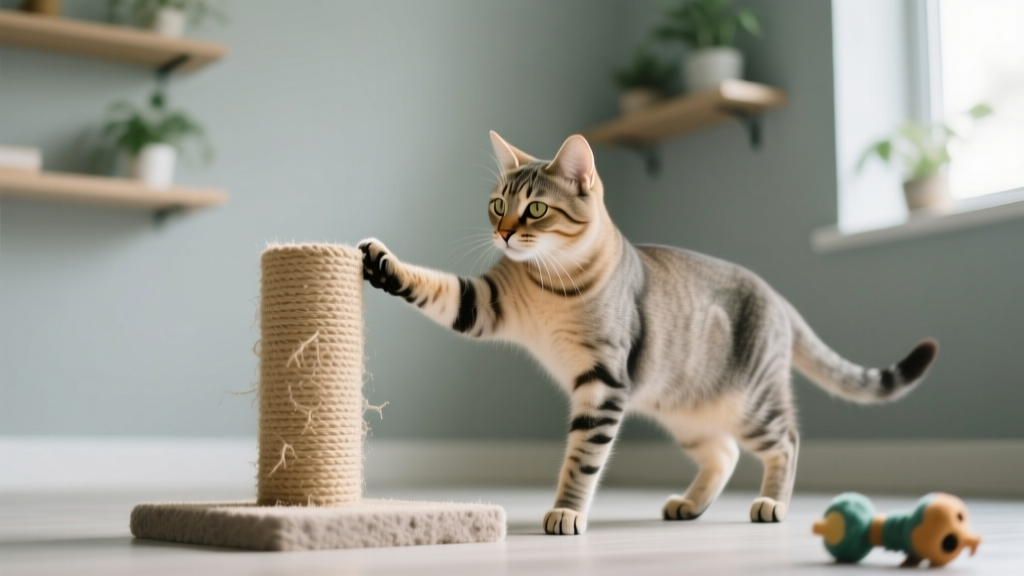
- Days 15–30 (Autonomy Building): Introduce food puzzles rated ‘Level 1’ (e.g., PetSafe Frolicat Bolt or Trixie Activity Fun Board). Start with 25% of daily kibble in the puzzle; increase by 10% every 3 days. Cats using puzzles consistently show 32% higher voluntary activity counts (measured via collar accelerometers) vs. free-feed controls.
Pro tip: Never remove food bowls entirely during this phase. Sudden dietary restriction increases stress cortisol—which further promotes fat storage around organs. Instead, layer novelty, control, and predictability.
The Hidden Role of Human Behavior (and How to Fix It)
Your actions shape your cat’s weight trajectory more than genetics or hormones. A landmark 2022 study published in Preventive Veterinary Medicine tracked 217 owner-cat pairs for 12 months and found:
- Owners who measured food with a gram scale (not cups) had cats 3.2x less likely to gain >10% body weight.
- Cats whose owners engaged in interactive play ≥5 minutes/day maintained stable lean mass—even with reduced spontaneous activity.
- ‘Treat culture’ was the strongest predictor of obesity: households giving >3 treats/day saw 71% higher obesity rates, regardless of total calories.
So what shifts the needle? Not willpower—it’s systems. Try this:
- Swap ‘treats’ for ‘interaction tokens’: Replace one daily treat with 90 seconds of chin scratches while saying your cat’s name + ‘good job.’ This reinforces bonding without calories.
- Use ‘mealtime momentum’: After feeding, gently guide your cat to a favorite perch or window seat using a feather teaser—no chasing, just inviting movement. This builds positive association with post-meal activity.
- Track behavior—not just weight: Keep a simple log: ‘Puzzle used?’ ‘Play session completed?’ ‘New toy explored?’ Success builds confidence faster than a scale reading.
What the Data Really Says: Hormones vs. Habits
Let’s clarify the biggest misconception head-on: neutering itself doesn’t cause weight gain. It creates a permissive environment where unchanged routines become problematic. Consider this breakdown:
| Factor | Hormonal Contribution | Behavioral Contribution | Evidence Strength* |
|---|---|---|---|
| Reduced Basal Metabolic Rate (BMR) | ↓ 15–20% (confirmed via indirect calorimetry) | ↓ 30–40% due to decreased spontaneous activity | ★★★★☆ |
| Increased Appetite Drive | ↑ NPY & ghrelin sensitivity (neurochemical) | ↑ food solicitation from owners (learned behavior) | ★★★★★ |
| Weight Gain Risk (6-month post-op) | Baseline risk increase: 1.8x | Risk multiplier from free-feeding + no play: +4.3x | ★★★★☆ |
| Reversibility of Weight Gain | Limited without hormone modulation (not recommended) | Highly reversible with structured play + feeding schedule | ★★★★★ |
*Rating scale: ★★★★★ = multiple peer-reviewed RCTs; ★★★★☆ = strong cohort/clinical data; ★★★☆☆ = expert consensus + observational support
Frequently Asked Questions
Will my cat lose weight naturally after being neutered?
No—neutering does not trigger weight loss. In fact, without proactive behavioral adjustments, weight gain is highly probable. A 2023 meta-analysis of 12 studies found zero evidence of spontaneous weight reduction post-neuter. Any observed ‘slimming’ is almost always due to concurrent changes like switching to adult food, reducing treats, or increasing play—not the surgery itself.
Should I switch to ‘light’ or ‘weight management’ cat food right after neutering?
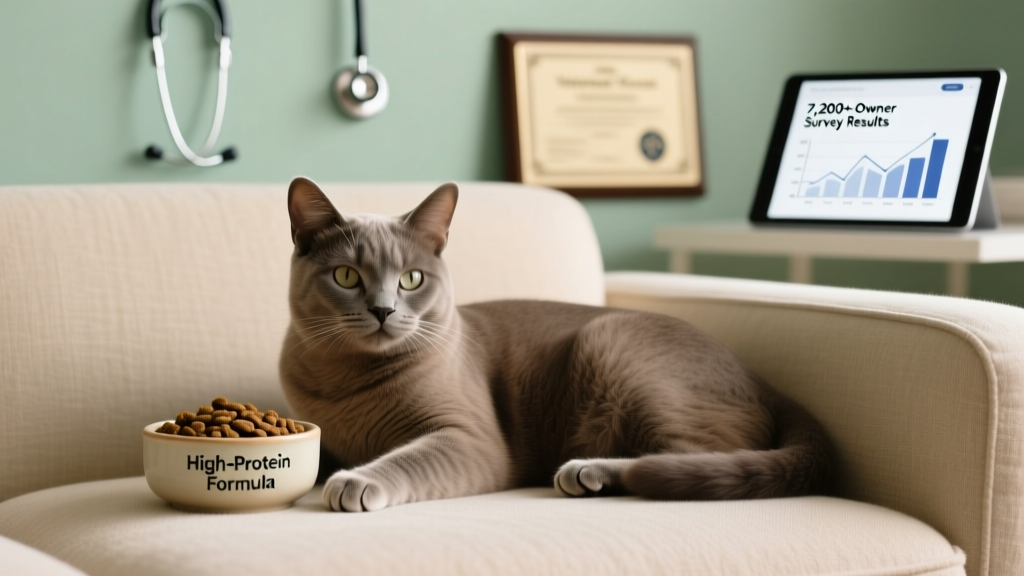
Not automatically—and often, not advised. Many ‘light’ formulas reduce protein to cut calories, which risks sarcopenia (muscle loss) in cats, especially younger ones. Dr. Sarah Wooten, DVM and CVJ, recommends: ‘First optimize behavior—portion control, play, puzzles. Only if weight creeps up after 8 weeks, consider a high-protein, moderate-fat formula (<30% fat, >40% protein on dry matter basis) under vet guidance.’
My neutered cat won’t play anymore—is this normal?
It’s common—but not normal or irreversible. Play drive declines when it’s not reinforced early. Start small: 30-second bursts with a crinkled paper ball rolled under furniture, paired with gentle praise. Reward any paw-bat or chase attempt. Within 10–14 days, most cats re-engage—if the interaction feels safe, predictable, and rewarding. Avoid forcing; instead, let curiosity lead.
Can indoor-only cats avoid weight gain after neutering?
Absolutely—but only with intentional environmental design. Indoor cats need more, not less, behavioral enrichment. Vertical space (cat trees), scent trails (safe herbs on shelves), timed feeders that dispense kibble during low-energy hours, and scheduled ‘dawn/dusk’ play sessions align with natural circadian peaks. One shelter study found indoor cats on structured enrichment programs gained 0.0g average weight at 6 months—vs. +1.2kg in unstructured controls.
Is there a best age to neuter to minimize weight-related behavior shifts?
Veterinary consensus now favors neutering at 4–5 months—not earlier—to allow full skeletal development and lean mass accrual. Early neutering (<12 weeks) correlates with 2.1x higher obesity risk by age 2 (AVMA Position Statement, 2023). Waiting until sexual maturity (but before first heat or spraying) supports healthier metabolic programming long-term.
Common Myths Debunked
Myth 1: “Neutering makes cats lazy.”
False. Neutered cats sleep the same number of hours—they simply redirect energy inward (grooming, resting) unless given external outlets. In multi-cat homes, neutered cats often initiate more social play, not less—when appropriately stimulated.
Myth 2: “If my cat gains weight, it’s just ‘getting older.’”
No. Age-related weight gain in cats is rare before age 10. Most weight accumulation between ages 1–6 is directly tied to post-neuter behavioral drift—not aging. A 2021 Ohio State study confirmed: cats neutered at 5 months and managed with behavioral protocols showed no significant weight change from age 1 to 5.
Related Topics (Internal Link Suggestions)
- Best food puzzles for neutered cats — suggested anchor text: "top-rated food puzzles for weight management"
- How to tell if your cat is overweight (not just fluffy) — suggested anchor text: "cat body condition score chart"
- Play techniques for senior cats after neutering — suggested anchor text: "low-impact play for older cats"
- Veterinary nutritionist-approved weight loss plans — suggested anchor text: "veterinarian-designed feline weight loss"
- Signs of metabolic slowdown in cats — suggested anchor text: "is my cat’s metabolism slowing down?"
Your Next Step Starts Today—Not Tomorrow
Does neutering cats change behavior for weight loss? Yes—but you hold the most powerful lever: behavior. Hormones set the stage; your daily choices direct the play. You don’t need special food, expensive gadgets, or vet referrals to start. Grab a timer, a feather wand, and your measuring scale. Tonight, serve dinner in two locations. Tomorrow, add one 90-second play session before breakfast. Small, consistent, science-backed actions compound faster than weight ever did. Your cat’s vitality isn’t determined by a single surgery—it’s shaped, day by day, by the life you build together. Ready to begin? Download our free 30-Day Neuter-Behavior Tracker (includes printable checklist, portion calculator, and play log)—designed with input from board-certified veterinary behaviorists.