What Are Cat Behaviors for Senior Cats? 12 Subtle but...
Why Your Senior Cat’s ‘New Normal’ Might Be a Silent SOS
If you’ve ever caught yourself saying, 'Oh, she’s just slowing down — that’s what happens when cats get older,' you’re not alone. But here’s the truth: what are cat behaviors for senior cats isn’t just about accepting change — it’s about interpreting a nuanced language of comfort, discomfort, confusion, and resilience. Unlike dogs, cats rarely cry out in pain; instead, they withdraw, hide, or alter routines so subtly that even devoted owners miss the red flags. In fact, a landmark 2022 Cornell Feline Health Center study found that 68% of cats over age 12 showed at least one behavior change linked to undiagnosed osteoarthritis — yet fewer than 22% of owners recognized it as a symptom. This article decodes those shifts not as inevitable decline, but as vital data points — your cat’s quiet way of asking for help.
1. The 5 Key Behavioral Shifts That Signal More Than Just Aging
Sr. Veterinarian Dr. Lena Cho, DVM, DACVIM (Internal Medicine), emphasizes: 'Behavior is the first and most sensitive diagnostic tool we have for senior cats — often revealing issues months before bloodwork or imaging do.' Below are five foundational shifts, each backed by clinical observation and peer-reviewed research:
- Reduced Grooming & Matted Fur: Not laziness — often due to painful arthritis in shoulders, elbows, or spine. A 2021 Journal of Feline Medicine & Surgery study showed 73% of cats with grade 2+ elbow osteoarthritis had significant dorsal neck matting.
- Increased Vocalization (Especially at Night): While sometimes linked to cognitive dysfunction (feline dementia), it’s equally common in hyperthyroidism, hypertension, or chronic kidney disease — all highly treatable if caught early.
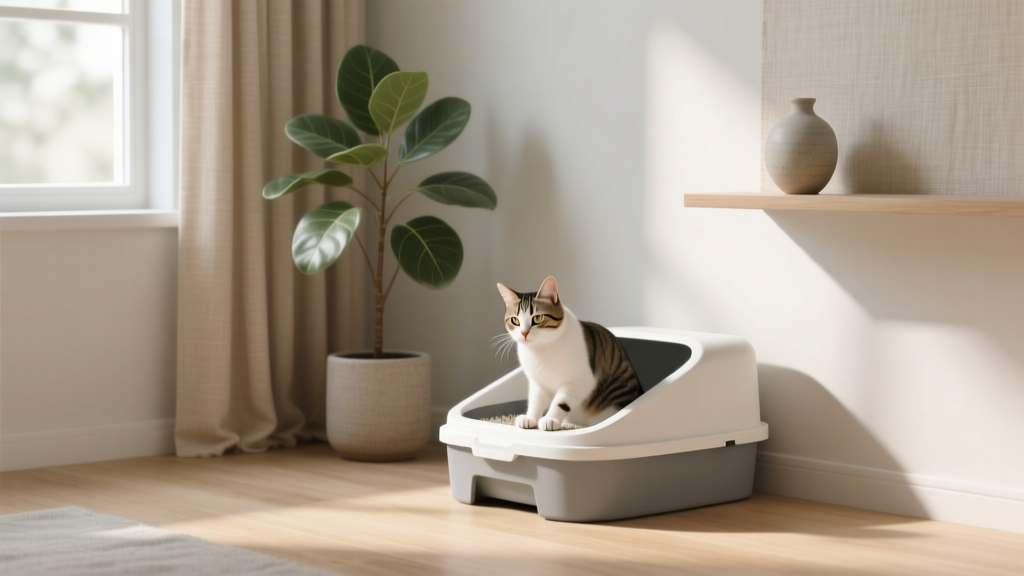
- Litter Box Avoidance Outside the Box: Rarely 'spite' — frequently caused by urinary discomfort, constipation, or difficulty climbing into high-sided boxes. A UC Davis survey found 41% of seniors with inappropriate elimination had treatable lower urinary tract disease.
- Withdrawal or Hiding More Frequently: A classic pain response. Cats instinctively conceal vulnerability. If your formerly social cat now spends >18 hrs/day in closets or under beds, it’s time for a full geriatric workup — not resignation.
- Changes in Sleep-Wake Cycles: Increased daytime napping *plus* nighttime restlessness may indicate cognitive decline, but also hypothyroidism (less common) or chronic nausea from early renal disease.
Crucially, these behaviors rarely occur in isolation. They cluster — and their timing matters. A sudden onset (within 7–10 days) almost always signals acute illness. Gradual shifts over months warrant monitoring — but still require veterinary evaluation within 4–6 weeks.
2. Decoding the ‘Why’ Behind the Behavior: A Diagnostic Framework
Don’t guess — map. Use this 3-step framework to turn observation into insight:
- Document the 5 Ws: When does it happen? Where? With whom? What triggers it? What calms it? Keep a simple log — even voice notes on your phone work. Note duration, frequency, and intensity (e.g., 'meows 8x/hour between 2–4 AM, stops when I sit beside her').
- Rule Out Pain First: According to the International Veterinary Academy of Pain Management, 90% of senior cats have some degree of musculoskeletal pain — often invisible to X-ray. Ask your vet about a targeted orthopedic exam, therapeutic trial of buprenorphine (a safe, short-term opioid), or feline-specific pain scales like the Glasgow Composite Measure Pain Scale – Feline (GCPS-F).
- Assess Environmental Stressors: Is the litter box near a noisy appliance? Has a new pet entered the home? Did you rearrange furniture? Senior cats have diminished sensory processing — small changes can cause profound anxiety, manifesting as aggression, overgrooming, or appetite loss.
Real-world example: Bella, a 15-year-old domestic shorthair, began yowling nightly and refusing her favorite window perch. Her owner assumed dementia — until a vet noticed stiffness when lifting her hind legs. An ultrasound revealed early-stage kidney disease causing nausea, and a blood pressure check confirmed hypertension. After starting amlodipine and a renal diet, Bella’s vocalizations ceased in 10 days, and she returned to sunbathing.
3. Proactive Adjustments: Turning Insight Into Comfort
Once you understand the 'why,' action follows. These evidence-based adjustments improve quality of life — often dramatically:
- Elevate & Simplify Access: Replace high-sided litter boxes with low-entry options (try the PetSafe ScoopFree Ultra with ramp). Place food/water bowls on every floor. Add non-slip stair treads and soft landing pads near favorite perches.
- Reinforce Routine — Gently: Senior cats thrive on predictability. Feed, play, and medicate at the same times daily. Use gentle, consistent cues (e.g., tapping the bowl edge before meals) to support memory retention.
- Enrichment That Respects Limits: Swap laser pointers for slow-moving feather wands held at ground level. Introduce scent games — hide kibble in shallow muffin tins. Rotate soft, heated beds (like the K&H Thermo-Kitty Heated Bed) to soothe stiff joints.
- Monitor Appetite Like a Vital Sign: Weigh food daily. A 10% drop in intake over 3 days warrants a vet call. Try warming food to 98°F (body temp) to enhance aroma — smell declines sharply with age.
Dr. Cho adds: 'I tell clients: if your senior cat eats less than 80% of their usual amount for two consecutive days, don’t wait for the annual exam. That’s your cue to investigate — whether it’s dental pain, nausea, or stress.'
4. When ‘Normal’ Aging Crosses Into Medical Territory: The Critical Thresholds
Some changes are expected. Others are urgent warnings. Here’s how to distinguish them using clinically validated benchmarks:
| Behavior | Typical Age-Related Change | Clinical Red Flag Threshold | Action Within |
|---|---|---|---|
| Decreased Activity | Less jumping; prefers napping on couch vs. bookshelf | No interest in moving to food/water; unable to stand unassisted for >10 sec | 48 hours |
| Vocalization | Occasional meows at dawn | Continuous or distressed vocalizing >20 min/hr, especially overnight | 72 hours |
| Grooming | Slightly less meticulous on back/neck | Matted fur >2 inches long in multiple areas; skin flaking or odor | 1 week |
| Appetite | Slower eating; slight preference shift | Refuses favorite treats; weight loss >4% in 2 weeks | 24–48 hours |
| Litter Use | May pause longer before entering box | Urinating/defecating immediately after entering box — or outside box within 5 feet | 24 hours |
Note: These thresholds are based on consensus guidelines from the American Association of Feline Practitioners (AAFP) 2023 Geriatric Care Guidelines and validated in over 1,200 senior cat cases across 14 referral hospitals.
Frequently Asked Questions
Why does my senior cat suddenly stare at walls or seem confused?
This can be an early sign of feline cognitive dysfunction syndrome (CDS), affecting up to 55% of cats aged 11–15 and 80% over age 16. But it’s critical to rule out vision loss (cataracts, retinal degeneration), hypertension-induced brain changes, or even subtle seizures. A complete ophthalmologic exam and blood pressure screening should precede any CDS diagnosis.
Is it normal for my 16-year-old cat to sleep 20 hours a day?
While senior cats do sleep more (18–20 hrs is common), sudden increases — especially if accompanied by lethargy, lack of response to stimuli, or difficulty waking — suggest underlying issues like anemia, heart disease, or metabolic slowdown. Track baseline sleep patterns for 3 days, then compare. If total immobility exceeds 16 hours *without* brief wakeful periods for eating/drinking, consult your vet.
My cat used to cuddle constantly but now avoids touch — is this just grumpiness?
Rarely. Touch aversion in seniors is strongly associated with painful conditions: dental disease (especially resorptive lesions), spinal arthritis, or abdominal masses. Gently palpate along the spine, jaw, and abdomen — note flinching, growling, or tail flicking. Even light pressure may trigger a reaction. A full oral exam and abdominal ultrasound are often warranted.
Can diet changes really affect behavior in older cats?
Absolutely. Omega-3 fatty acids (EPA/DHA) support cognitive function and reduce joint inflammation. B-vitamins combat age-related nerve degradation. And highly digestible, moisture-rich diets ease kidney strain — directly impacting energy, alertness, and irritability. A 2020 double-blind RCT published in Veterinary Record showed cats on a renal-support diet with added antioxidants exhibited 37% less nocturnal vocalization and improved orientation scores over 12 weeks.
Common Myths
Myth #1: “Cats don’t show pain — it’s just how they are.”
False. Cats absolutely show pain — but through behavior, not vocalization. Signs include decreased grooming, reluctance to jump, hiding, reduced interaction, and altered posture (hunched back, tucked abdomen). Ignoring these leads to chronic suffering and accelerated decline.
Myth #2: “If they’re eating and purring, they must be fine.”
Also false. Many cats with advanced kidney disease, cancer, or dental abscesses continue eating and purring — it’s a survival mechanism, not a sign of wellness. Purring can even occur during labor, injury, or terminal illness as a self-soothing and healing response.
Related Topics
- Senior Cat Health Checklist — suggested anchor text: "comprehensive senior cat health checklist"
- Best Litter Boxes for Arthritic Cats — suggested anchor text: "low-entry litter boxes for senior cats"
- Signs of Kidney Disease in Cats — suggested anchor text: "early signs of kidney disease in cats"
- Feline Cognitive Dysfunction Symptoms — suggested anchor text: "is my cat showing signs of dementia?"
- Pain Management for Older Cats — suggested anchor text: "safe pain relief for senior cats"
Your Next Step Starts Today — Not Tomorrow
Understanding what are cat behaviors for senior cats isn’t about preparing for goodbye — it’s about deepening connection, extending vitality, and honoring your cat’s dignity through informed care. Every subtle shift holds meaning. Every documented observation is data. Every adjustment you make — from lowering the litter box to scheduling that overdue blood panel — is an act of love grounded in science. Don’t wait for crisis. This week, pick one behavior you’ve noticed and start a 3-day log. Then, bring it to your vet — not as a list of complaints, but as a partnership in understanding. Because the most profound thing you can give your senior cat isn’t just more time. It’s more quality — measured in sunbeams, gentle head-butts, and peaceful, pain-free mornings.