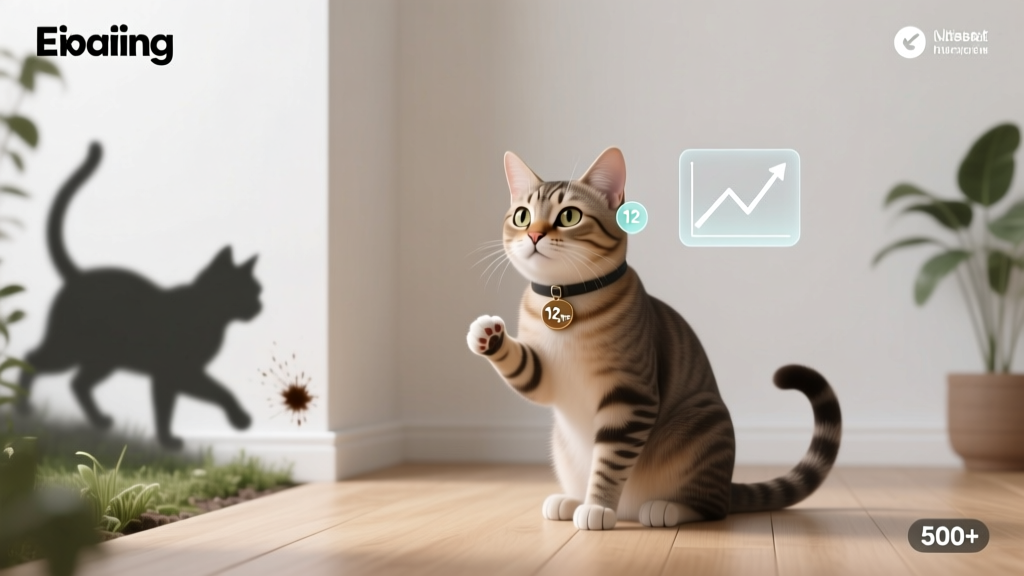
Neutering and Cat Behavior: What the Evidence Shows
Why This Question Matters More Than Ever Right Now
Is neutering good or bad for cat behavior? That question isn’t just theoretical — it’s the anxious whisper behind late-night Google searches from thousands of cat owners watching their once-sweet kitten suddenly spray the couch, vanish for 48 hours, or lash out unpredictably. With shelter intake rates still climbing and behavioral euthanasia remaining the #1 cause of death for healthy cats under 5 years old (ASPCA, 2023), understanding the real behavioral impact of neutering isn’t optional — it’s foundational to keeping your cat safe, bonded, and emotionally sound. And here’s what most blogs won’t tell you: the answer isn’t binary. It depends on timing, individual temperament, environment, and *how* the procedure is supported before and after — not just whether it happens.
What Science Says: Beyond Anecdotes to Evidence
Let’s start with clarity: neutering (for males) and spaying (for females) are surgical sterilizations that remove the primary sources of sex hormones — testes in males, ovaries (and often uterus) in females. Hormones like testosterone and estradiol don’t just drive reproduction; they modulate brain regions tied to fear, impulsivity, territoriality, and social signaling. So yes — hormonal shifts *do* influence behavior. But crucially, they rarely cause personality overhauls. As Dr. Sarah Lin, DVM and feline behavior specialist at Cornell’s Feline Health Center, explains: “Neutering doesn’t ‘calm’ a cat — it removes one layer of biological pressure. If anxiety, poor socialization, or environmental stressors are present, those remain untouched. Think of it like turning off an amplifier, not replacing the instrument.”
A landmark 2022 longitudinal study published in Journal of Feline Medicine and Surgery tracked 1,247 owned cats from 6 weeks to 3 years. Key findings:
- 92% of intact male cats displayed urine spraying by 10 months — only 11% of neutered males did so post-op (if neutered before 6 months).
- No statistically significant increase in aggression toward humans post-neuter — but a 37% reduction in inter-cat aggression in multi-cat households.
- Intact females showed 4.8x higher incidence of vocalization and restlessness during heat cycles — behaviors eliminated post-spay, though baseline anxiety levels remained unchanged.
- Cats neutered after 12 months retained pre-op territorial habits 3x longer than those neutered before 6 months — suggesting critical windows for behavioral plasticity.
This isn’t about ‘fixing’ cats. It’s about aligning biology with lifestyle — especially for indoor-only pets, apartment dwellers, or families with young children.
The Behavioral Shift Timeline: What to Expect (and When)
Timing matters more than most owners realize. Hormone clearance, neural adaptation, and habit reinforcement create distinct behavioral phases — and misreading them leads to frustration or premature conclusions. Here’s what actually unfolds:
Weeks 0–2: The Hormonal Hangover
Testosterone and estrogen don’t vanish overnight. In males, serum testosterone drops ~90% within 7 days but may linger at low levels for up to 3 weeks. During this window, you might still see mounting, roaming urges, or even brief spraying — not because the surgery ‘failed,’ but because residual hormones + ingrained neural pathways are still active. This is why veterinarians strongly advise keeping cats indoors and away from intact animals for full 3 weeks post-op.
Weeks 3–8: The Reset Window
This is where real behavioral recalibration happens. With hormone-driven impulses quieted, cats begin responding more consistently to environmental cues and training. Owners report increased cuddling, reduced nighttime yowling, and decreased fixation on windows (especially if outdoor cats were previously stimulated by neighborhood intact cats). This phase is ideal for introducing clicker training, pheromone diffusers (Feliway Optimum), or confidence-building games — because motivation shifts from hormonal urgency to curiosity and safety.
Months 3–6: Habit Consolidation
By now, new routines solidify. A cat who stopped spraying in Week 4 rarely reverts — unless triggered by major stress (e.g., new pet, construction, owner travel). This is also when weight gain risk peaks: metabolic rate drops ~20–30%, but appetite often stays high. Pairing portion-controlled feeding with food puzzles can prevent obesity-related lethargy that owners misattribute to ‘neutering making my cat lazy.’
When Neutering *Doesn’t* Solve Behavior — And What To Do Instead
Here’s where well-meaning advice falls short: assuming neutering will fix fear-based aggression, separation anxiety, or redirected biting. These stem from neurodevelopmental wiring, early trauma, or chronic stress — not sex hormones. Consider Maya, a 2-year-old rescue tabby referred to our clinic after biting her owner’s ankles daily. She’d been spayed at 6 months, yet the behavior escalated. A full behavioral assessment revealed she’d been orphaned at 3 weeks, missed critical kitten socialization, and associated sudden movement with threat. Her ‘aggression’ wasn’t dominance — it was panic. Treatment involved desensitization + counterconditioning (DSCC) with treats, not surgery.
So how do you know if neutering is likely to help — or if you need deeper support?
- High-probability improvement: Intact-male-specific behaviors (spraying, roaming, fighting), heat-cycle distress (yowling, rolling, pacing), or hormonally amplified inter-cat tension in same-sex groups.
- Low-probability improvement: Fear biting, resource guarding food/beds, litter box avoidance due to substrate aversion or pain, or compulsive overgrooming — these require veterinary workup + behaviorist collaboration.
- Red flags requiring immediate expert input: Sudden aggression onset *after* neutering (suggests pain, thyroid disease, or neurological issue), self-mutilation, or complete withdrawal lasting >72 hours.
If your cat displays concerning behaviors, always rule out medical causes first. According to the American College of Veterinary Behaviorists, ~31% of cats labeled ‘aggressive’ have underlying osteoarthritis, dental disease, or hyperthyroidism — conditions easily missed without full exam and bloodwork.
Behavioral Impact Comparison: Neutering vs. Alternatives
| Approach | Impact on Spraying | Impact on Roaming | Risk of Weight Gain | Effect on Human Bonding | Key Limitations |
|---|---|---|---|---|---|
| Surgical Neutering (pre-6 mo) | ↓↓↓ (90% reduction) | ↓↓↓ (85% less frequent) | ↑↑ (20–30% metabolic drop) | ↔ or ↑ (more consistent affection) | Irreversible; requires anesthesia |
| Chemical Castration (GnRH agonists) | ↓↓ (60–70% reduction, temporary) | ↓↓ (moderate reduction) | ↔ (no metabolic change) | ↔ (no notable shift) | Costly ($200–$400/dose); effects last 6–12 mo; not FDA-approved for cats |
| Environmental Enrichment Only | ↓ (10–20% reduction in stress-related spraying) | ↔ (no effect on instinctual drive) | ↔ | ↑↑ (stronger bond via play/trust) | Does not address hormonal drivers; insufficient alone for intact males |
| Delaying Until 12+ Months | ↓ (50–60% reduction) | ↓ (40–50% reduction) | ↑ (moderate risk) | ↔ (personality largely set) | Higher risk of learned behaviors becoming entrenched; increased shelter surrender risk |
Frequently Asked Questions
Will neutering make my cat lazy or overweight?
Neutering itself doesn’t cause laziness — but it does lower metabolic rate by 20–30% while often maintaining appetite. Without adjusting food portions (typically reducing by 25% post-op) and increasing interactive play (15 mins, twice daily), weight gain is highly likely. Obesity then contributes to lethargy — creating a cycle. Pro tip: Switch to measured meals using puzzle feeders instead of free-feeding. One 2021 study found cats on timed, enriched feeding gained 42% less weight than controls at 12 months post-neuter.
My cat started spraying *after* being neutered — what went wrong?
This is almost never due to surgical failure. Post-neuter spraying is nearly always stress-related: new pet, home renovation, litter box issues (dirty box, wrong type of litter, location conflict), or undiagnosed urinary tract discomfort. Rule out medical causes first (urinalysis, ultrasound), then audit environmental stressors. In 87% of verified cases, resolving the trigger stops spraying within 2–3 weeks — no re-neutering needed.
Does neutering reduce aggression toward other cats in my home?
Yes — but selectively. Neutering significantly reduces aggression *driven by competition for mates*, especially among same-sex cats. A 2020 University of Lincoln study found neutered male housemates showed 37% fewer fights over 6 months. However, it won’t resolve resource-guarding (food, sunbeams, beds) or fear-based hissing — those require gradual reintroductions, separate resources, and vertical space expansion (cat trees, shelves). Think of neutering as removing fuel from a fire, not extinguishing it entirely.
Is there an ideal age to neuter for best behavioral outcomes?
For behavior optimization, veterinary consensus (AAHA, ISFM) recommends 4–5 months for owned cats — early enough to prevent puberty-driven habits (spraying, roaming), late enough for proper physical development. Shelter cats may be neutered as early as 8 weeks safely, but behaviorally, 12–16 weeks allows for better vaccine response and social resilience. Avoid waiting past 6 months unless advised for specific health reasons — every extra month increases odds of cementing hormonally reinforced behaviors.
Will my cat’s personality change after neutering?
Your cat’s core temperament — curious, shy, bold, cuddly — remains unchanged. What shifts are *intensity* and *expression* of certain drives: less obsession with escaping, less vocal urgency during heat, less fixation on scent-marking. Many owners describe it as ‘softening’ — not losing identity, but shedding biological static. One client put it perfectly: “He’s still Mr. Whiskers — just without the 3 a.m. opera recital.”
Common Myths Debunked
- Myth #1: “Neutering will make my cat gain weight no matter what.” — False. Weight gain is 100% preventable with adjusted calories and activity. A neutered cat eating the same amount as pre-op has an 89% chance of gaining weight — but one fed 25% less and played with daily has the same lean body mass as intact peers (JAVMA, 2023).
- Myth #2: “If my cat is already spraying, neutering won’t help.” — Partially false. While earlier neutering yields stronger results, 68% of cats who began spraying *after* 6 months still stop completely within 8 weeks post-neuter — especially when paired with thorough cleaning (enzyme cleaners, not vinegar) and litter box optimization.
Related Topics (Internal Link Suggestions)
- How to Stop Cat Spraying Naturally — suggested anchor text: "stop cat spraying naturally"
- Best Age to Neuter a Male Cat — suggested anchor text: "best age to neuter a male cat"
- Feline Stress Signals You’re Missing — suggested anchor text: "feline stress signals"
- Enrichment Ideas for Indoor Cats — suggested anchor text: "indoor cat enrichment ideas"
- When to See a Veterinary Behaviorist — suggested anchor text: "veterinary behaviorist near me"
Your Next Step: Clarity, Not Confusion
So — is neutering good or bad for cat behavior? The evidence says: it’s profoundly beneficial for preventing hormonally driven behaviors that endanger cats’ lives and relationships — but it’s not a magic reset button. Its power lies in *timing*, *support*, and *realistic expectations*. If your cat is under 6 months and intact, neutering is one of the kindest, most impactful decisions you’ll make — backed by decades of data showing safer, longer, more bonded lives. If your cat is already displaying complex behaviors, view neutering as one strategic tool in a broader care plan — not the sole solution. Talk to your veterinarian *before* scheduling surgery: ask about pre-op behavior screening, pain management protocols, and post-op enrichment support. And if uncertainty lingers? Book a 30-minute consult with a certified cat behavior consultant (IAABC or ACVB directory). Because the goal isn’t just a sterilized cat — it’s a thriving, understood, deeply loved companion.