How to Understand Cat's Behavior for Kittens: 7 Science-Backed Signs You’re Missing (That Explain Why Your Kitten Bites, Hides, or Ignores You)
Why Understanding Your Kitten’s Behavior Isn’t Just Cute—It’s Critical
If you’ve ever wondered how to understand cat's behavior for kittens, you’re not overthinking—you’re doing exactly what responsible, loving caregivers do in those first 12 weeks. Kittens don’t come with instruction manuals—but they *do* speak constantly, in tail flicks, ear rotations, purr frequencies, and even the way they blink at you. Misreading these signals isn’t just frustrating; it can delay bonding, escalate fear-based aggression, or accidentally reinforce anxiety. In fact, a 2023 study published in Applied Animal Behaviour Science found that 68% of early kitten relinquishments to shelters stemmed from misinterpreted behavior—especially around biting, scratching, and litter box avoidance. The good news? With observation, consistency, and a few key frameworks, you can become fluent in ‘kitten’ faster than you think.
Decoding the 5 Core Communication Channels
Kittens communicate through five overlapping sensory channels—each with distinct developmental milestones and contextual meaning. Unlike adult cats, kittens are still calibrating their nervous systems, so signals often shift rapidly between play, fear, curiosity, and fatigue.
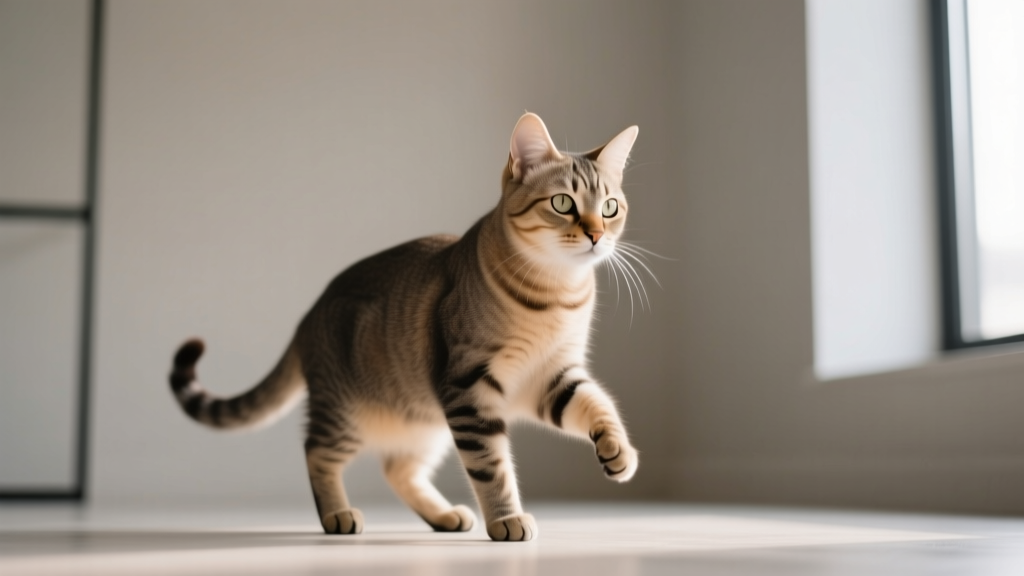
1. Body Posture & Movement: A kitten lying on its back with paws tucked isn’t always inviting belly rubs—it’s often a defensive ‘freeze’ position when overwhelmed. Watch for tail position: a gently swaying tip = curiosity; rapid, low-side lashing = rising stress. According to Dr. Sarah Wooten, DVM and certified feline behavior consultant, “Kittens under 12 weeks rarely use full-body tension as a warning—they rely on micro-movements like shoulder hunching or sudden stillness. That pause before pouncing? It’s often the same pause before fleeing.”
2. Ear Position: Forward ears signal engagement; sideways (‘airplane’) ears mean uncertainty; flattened ears indicate fear or defensiveness. But here’s the nuance: ears flattening *during play*—especially if accompanied by wide eyes and stiff legs—is often a sign of overstimulation, not aggression. This is why many owners mistakenly label playful biting as ‘mean’ behavior.
3. Tail Language: A high, quivering tail = excitement and trust (often seen when greeting you). A low, twitching tail near the ground = hunting focus—or mild irritation. A puffed tail + arched back = full alarm mode. Importantly, tail height correlates strongly with social confidence: kittens raised with consistent positive handling show 42% more upright tail carriage by week 8 (Cornell Feline Health Center, 2022).
4. Vocalizations: Meows in kittens are almost exclusively directed at humans—not other cats. A high-pitched, repetitive meow usually means ‘I’m hungry or lonely.’ A short, chirpy ‘mrrt’ while watching birds signals excited frustration. A drawn-out, low-pitched yowl? That’s distress—check for pain, cold, or isolation. Note: Silent open-mouth panting (with tongue slightly out) is a subtle but urgent sign of overheating or respiratory strain.
5. Eye Contact & Blinking: Slow, deliberate blinks—especially when paired with soft gaze—are your kitten’s version of a hug. They’re signaling safety. Conversely, wide, unblinking eyes with dilated pupils suggest hyperarousal or fear. Try this: sit quietly 3 feet away and offer one slow blink. If your kitten blinks back within 5 seconds, you’ve passed the ‘trust threshold.’
The Play-Bite Paradox: When ‘Cute’ Turns Confusing
One of the most common sources of confusion—and guilt—is kitten biting and scratching during play. Parents often ask, ‘Is my kitten being aggressive?’ The answer is almost always no. Kittens learn bite inhibition *through play*, not punishment. Littermates bite each other’s scruffs, paws, and ears—and when one yelps, the biter learns pressure limits. Without siblings, your hand becomes the target. But pulling away reinforces biting (movement = prey), and yelling triggers fear responses.
Instead, follow the 3-Second Rule:
- When biting starts: Freeze completely—no jerking, no shouting.
- Wait 3 seconds: Let the kitten disengage on its own (they often do).
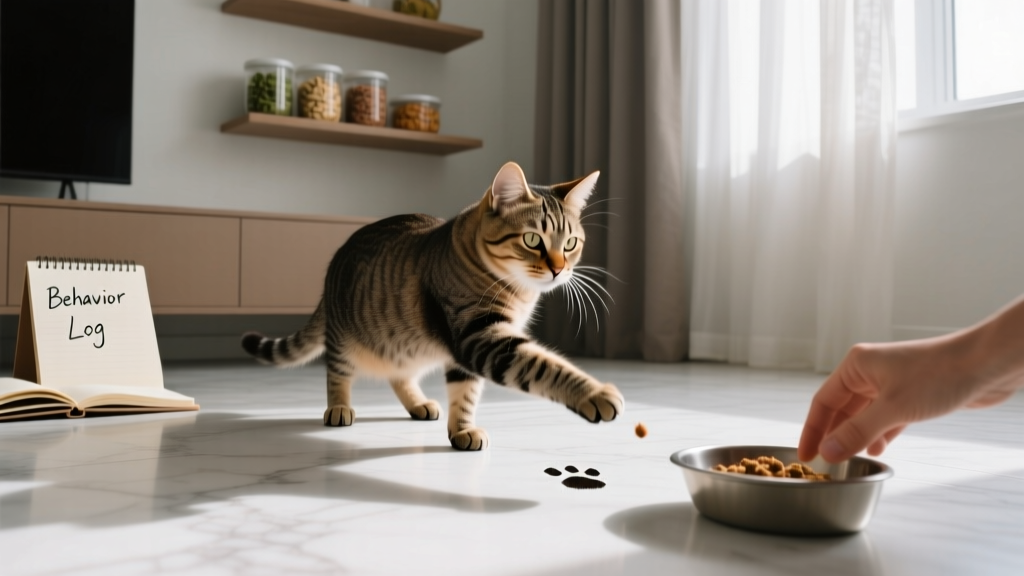
- Redirect immediately: Offer a wand toy or crinkle ball—never your fingers.
- End session calmly: After 2–3 successful redirects, end play with gentle petting and a treat.
This mimics how mother cats teach boundaries: she’ll gently hold the kitten’s scruff and lick its face after rough play—calming, not punishing. A 2021 study in the Journal of Veterinary Behavior showed kittens trained with redirection (vs. aversive methods) were 3.7x less likely to develop redirected aggression by 6 months.
Real-world example: Maya, a first-time owner of 9-week-old Luna, thought her kitten was ‘dominant’ because Luna bit ankles while walking. After switching to scheduled 5-minute play sessions with feather wands *before* meals—and using a squeaky toy to redirect mid-bite—Luna’s ankle attacks dropped from 12x/day to zero in 11 days.
Stress Signals You’re Likely Overlooking
Kittens mask stress brilliantly—evolutionarily, showing weakness invites predators. So signs are often quiet, subtle, and easily mistaken for ‘just being sleepy’ or ‘shy.’ Here’s what to watch for beyond hiding:
- Over-grooming: Excessive licking of paws or belly, especially in bursts lasting >2 minutes.
- Piloerection without puffing: Fur standing up along the spine while the kitten remains still and alert (not arched).
- ‘Ghosting’: Following you silently at a distance, then vanishing when you turn—different from confident shadowing.
- Food refusal during routine changes: Skipping one meal is normal; skipping two consecutive meals warrants a vet check.
Dr. Mikel Delgado, Certified Applied Animal Behaviorist, emphasizes: “Stress in kittens doesn’t look like hissing or growling—it looks like stillness, silence, and slowed blinking. If your kitten used to greet you at the door and now just watches from the hallway, that’s a red flag—not a personality trait.”
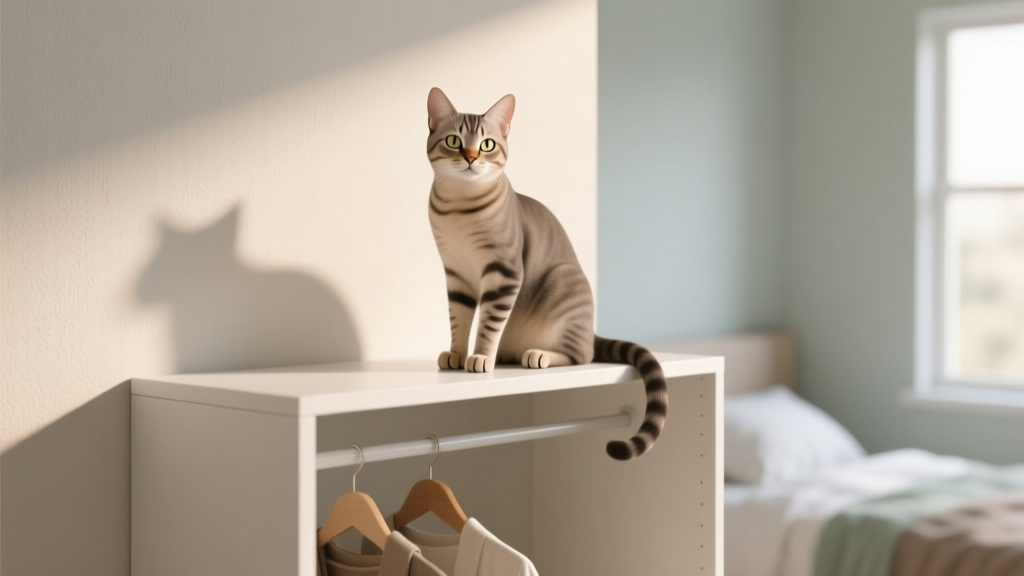
Environmental enrichment is your strongest stress buffer. Provide at least three vertical spaces (cat tree, shelf, window perch), two hide boxes (cardboard + fabric-lined), and rotate toys weekly. Kittens housed with consistent enrichment show 57% lower cortisol levels in baseline saliva tests (UC Davis School of Veterinary Medicine, 2020).
Developmental Milestones & What ‘Normal’ Really Looks Like
Kittens mature neurologically in waves—not linearly. Their behavior shifts dramatically every 2–3 weeks until ~16 weeks. Knowing these windows helps you respond appropriately instead of pathologizing natural phases.
| Age Range | Key Behavioral Shifts | What to Prioritize | Red Flags to Flag |
|---|---|---|---|
| 2–4 weeks | First vocalizations (mewling), rooting reflex, beginning eye/ear coordination | Gentle handling (2–3 min, 2x/day); warmth regulation; socialization with soft voices | No response to sound or touch; inability to right self when placed on side |
| 5–7 weeks | Play fighting peaks; develops stalking/chasing; begins litter box exploration | Introduce varied textures (grass mats, faux fur); supervised play with littermates or toys; start litter training with shallow boxes | Avoiding all interaction; freezing during handling; excessive suckling on blankets or fur |
| 8–12 weeks | Social confidence surges or dips; bite inhibition learning critical; curiosity overrides fear | Positive reinforcement for calm approaches; safe outdoor exposure (leashed or enclosed); introduce carriers as nap zones | Consistent hiding >2 hours/day; urinating outside box *without* medical cause; biting skin until broken |
| 13–16 weeks | Neurological pruning occurs—fear periods may re-emerge; independence grows | Maintain predictable routines; reward calm exploration; avoid forced interactions | Sudden regression in litter use or affection; obsessive grooming leading to bald patches; aggression toward familiar people |
Remember: ‘Normal’ includes variation. A shy kitten at 10 weeks may blossom at 14. A bold one may withdraw briefly at 12 weeks during a fear period. Consistency—not speed—is the goal.
Frequently Asked Questions
Why does my kitten stare at me and then look away slowly?
This is a profound sign of trust—the ‘slow blink’ is your kitten’s version of saying ‘I feel safe.’ Cats rarely blink slowly at threats. Return the gesture gently (don’t force prolonged eye contact), and you’ll deepen your bond. Veterinarian Dr. Tony Buffington calls it ‘the feline love language’—and research confirms mutual slow blinking increases oxytocin in both humans and cats.
My kitten hides every time guests arrive. Is this trauma or just shyness?
It’s almost certainly normal shyness—especially if your kitten explores when guests leave and shows no signs of distress (panting, trembling, urine marking). Kittens have a sensitive socialization window (2–7 weeks), and lack of exposure to varied people during that time makes novelty inherently stressful. Counter-conditioning works best: have guests ignore the kitten, toss high-value treats (like freeze-dried chicken) nearby *without making eye contact*, and gradually decrease distance over 2–3 weeks.
Should I punish my kitten for scratching furniture?
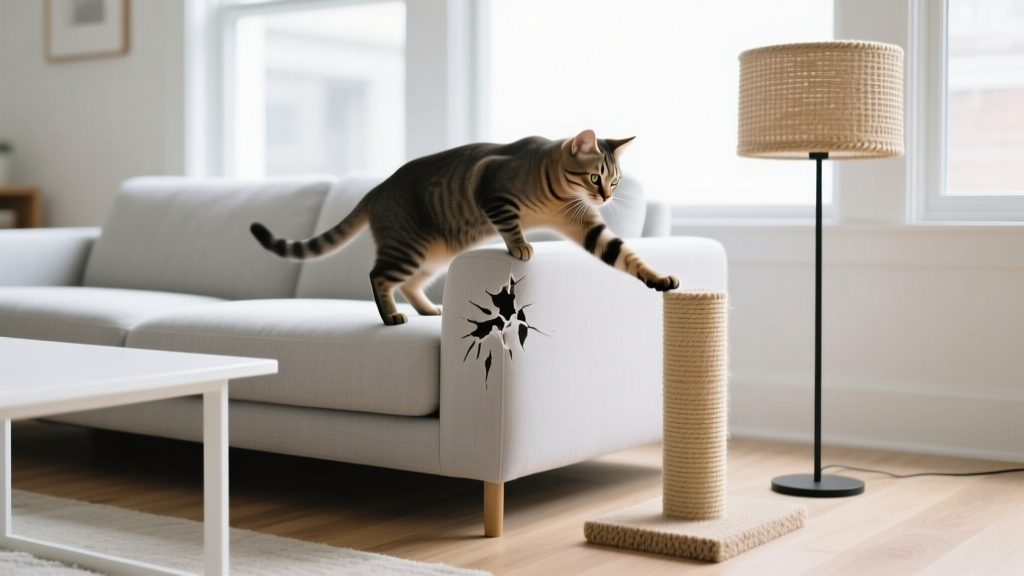
No—punishment damages trust and increases anxiety. Scratching is biologically essential: it marks territory, stretches muscles, and sheds nail sheaths. Instead, provide 3+ sturdy, vertical scratching posts covered in sisal or cardboard near resting/sleeping areas. Spray them with catnip or silvervine. Then, gently guide paws to the post after naps—reward with treats *immediately* after scratching. Within 10–14 days, most kittens self-select appropriate surfaces.
How do I know if my kitten’s meowing is attention-seeking vs. medical?
Context is key. Medical meowing tends to be persistent, louder, higher-pitched, and occurs at unusual times (e.g., 3 a.m. yowling, constant vocalization when alone). Behavioral meowing often stops when you enter the room or offer food. Rule out illness first: schedule a vet visit if vocalization coincides with lethargy, appetite loss, vomiting, or litter box changes. If cleared medically, it’s likely learned behavior—and easily reshaped with scheduled play and ‘quiet time’ rewards.
Can kittens understand human words—or just tone?
Research from the University of Tokyo (2022) confirmed kittens—and adult cats—recognize their own names *and* distinguish them from similar-sounding words. But comprehension relies heavily on tone, rhythm, and context. Say ‘treat’ in a flat voice? No response. Say it with rising pitch and quick cadence? Instant ear swivel. Pair words consistently with action: ‘dinner’ only when opening the can, ‘bedtime’ only when turning off lights. Within 10 days, kittens orient faster to relevant cues.
Common Myths About Kitten Behavior
- Myth #1: “Kittens will ‘grow out of’ biting.” Truth: Without guided practice, kittens don’t magically learn bite control. They refine it through feedback—so if biting gets attention (even negative), it persists. Early intervention prevents escalation into adult aggression.
- Myth #2: “If a kitten hisses or swats, it’s ‘bad’ or ‘unadoptable.’” Truth: Hissing is a vital, non-violent boundary-setting tool. Suppressing it (e.g., with punishment) forces kittens into silent stress or direct aggression. Respect the hiss—it means ‘I need space,’ not ‘I’m dangerous.’
Related Topics (Internal Link Suggestions)
- Kitten Socialization Timeline — suggested anchor text: "kitten socialization checklist"
- Best Toys for Kittens Under 12 Weeks — suggested anchor text: "safe kitten toys by age"
- How to Introduce a Kitten to Other Pets — suggested anchor text: "introducing kitten to dog safely"
- Signs of Illness in Kittens — suggested anchor text: "kitten health warning signs"
- DIY Kitten Enrichment Ideas — suggested anchor text: "low-cost kitten enrichment"
Your Next Step Starts Today—No Expertise Required
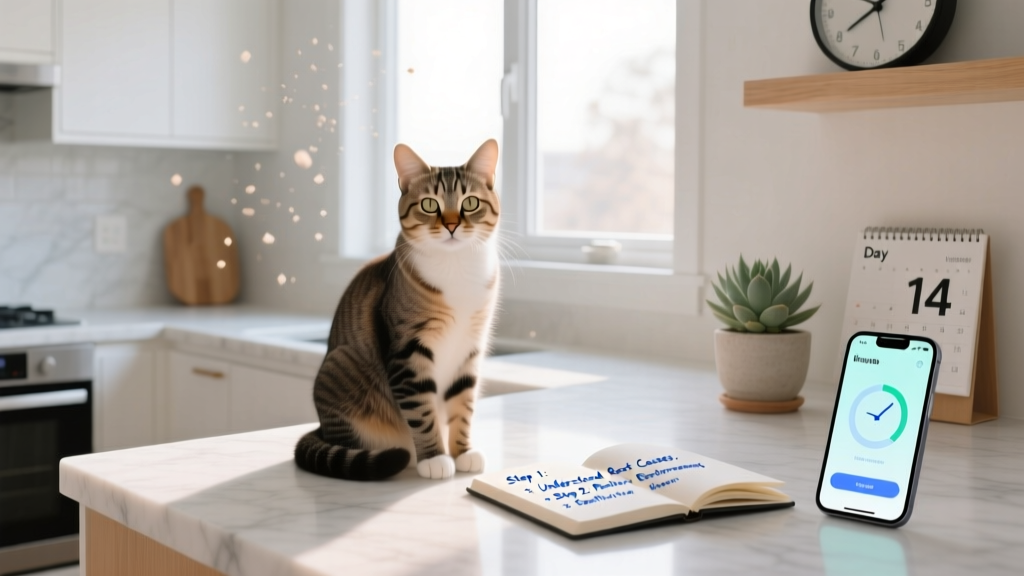
You don’t need a degree in ethology to understand your kitten. You need curiosity, consistency, and compassion—and now, you have a framework grounded in veterinary science and real-world experience. Start small: choose *one* signal from this article—maybe slow blinking or tail height—and observe your kitten for 5 minutes today. Jot down what you notice. That tiny act builds neural pathways for deeper connection. And when you catch your kitten offering a slow blink back? That’s not just behavior—it’s a conversation beginning. Ready to go further? Download our free Kitten Behavior Tracker (PDF)—a printable 2-week log with daily prompts, milestone checklists, and vet-approved interpretation guides. Because understanding isn’t magic—it’s method, moment by moment.