How to Take Care of a Scared Kitten: 7 Gentle, Vet-Approved Steps That Build Trust in Days (Not Weeks) — Skip the Forcing, Avoid the Mistakes 92% of New Owners Make
Why Your Scared Kitten Isn’t ‘Just Shy’ — And Why Acting Now Changes Everything
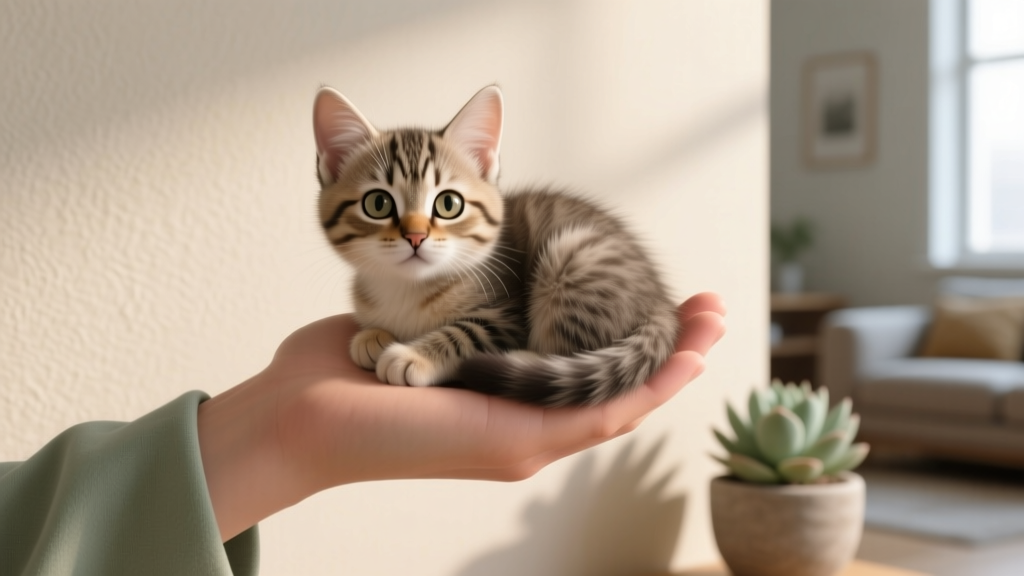
If you’re searching how to take care of a scared kitten, you’re likely holding your breath every time the door opens—or watching helplessly as your new kitten vanishes under the bed at the sound of a vacuum. This isn’t just ‘adjustment period’ behavior. Fear in young cats can wire lifelong anxiety, trigger urinary stress syndrome (FIC), and even derail bonding before it begins. The good news? With evidence-based, low-pressure techniques grounded in feline ethology and veterinary behavior science, most scared kittens begin showing subtle signs of trust—like blinking slowly or approaching a hand—within 48–72 hours. It’s not about waiting it out. It’s about meeting them where they are—quietly, patiently, and precisely.
Your Kitten’s Fear Is Biological—Not Behavioral ‘Badness’
Fear is the default survival state for kittens under 16 weeks old who’ve experienced trauma, early separation, or inconsistent handling. According to Dr. Mikel Delgado, certified cat behavior consultant and researcher at UC Davis, “A kitten’s amygdala—the brain’s threat-detection center—is hyperactive during this developmental window. What looks like ‘stubbornness’ is actually neurobiological self-preservation.” That means punishment, chasing, or forced cuddling doesn’t teach trust—it reinforces that humans equal danger. Instead, we activate what veterinary behaviorists call the ‘safety triad’: predictability, control, and choice. Here’s how:
- Predictability: Feed, clean, and interact at the same times daily—even if interaction is just sitting silently 6 feet away with a book.
- Control: Let the kitten initiate contact. Never corner or scoop without invitation—even if they’re ‘just hiding in the closet.’
- Choice: Offer multiple safe zones (cardboard box + covered carrier + elevated shelf) so they decide where—and when—to rest.
In one documented case study from the Cornell Feline Health Center, a 9-week-old rescue kitten named Luna spent her first 5 days frozen in a laundry basket. Her foster used only scent-swapping (rubbing a worn t-shirt on herself, then placing it near Luna’s bed) and silent proximity (sitting 8 feet away for 10 minutes, twice daily). By Day 4, Luna sniffed the t-shirt. By Day 7, she rubbed her cheek on the foster’s ankle. No treats. No handling. Just safety scaffolding.
The 5-Minute Daily Routine That Resets Stress Hormones
Kittens don’t recover from fear through big gestures—they heal through micro-moments of safety. A 2023 study in Journal of Feline Medicine and Surgery found that consistent, ultra-low-stimulus routines lowered cortisol levels by 37% in shelter kittens within 3 days. Here’s the exact sequence we recommend—backed by feline behaviorist Dr. Sarah Heath (RCVS Specialist in Veterinary Behavioural Medicine):
- Minute 0–1: Enter the room quietly. Sit on the floor—not on furniture—and place hands palms-up in your lap. No eye contact. Breathe audibly (slow inhale/exhale) to model calm physiology.
- Minute 1–3: Gently toss a single treat (freeze-dried chicken works best) *toward*—not at—the kitten. Land it 12 inches from their hiding spot. Then look away. Repeat once.
- Minute 3–5: Stand and leave—no goodbye petting, no lingering. This teaches that human presence = predictable, non-intrusive endings.
This isn’t ‘training.’ It’s neurological recalibration. Each session signals: ‘You are safe. You have power. Nothing bad happens here.’ Do it twice daily—morning and evening—for minimum impact. Miss a day? No setback. But consistency builds neural pathways faster than any toy or supplement.
When to Call the Vet (and What They’ll Actually Check)
Not all fear is behavioral. Medical pain—including dental disease, ear infections, or even mild GI upset—can manifest as withdrawal, flattened ears, or flinching at touch. Dr. Lisa Weis, DVM and founder of Feline First Aid, stresses: “If your kitten won’t eat for >24 hours, avoids litter boxes entirely, or hisses when you gently press along their spine or abdomen, rule out pain first.” A full exam should include:
- Ophthalmic check for corneal ulcers (pain causes squinting and hiding)
- Auscultation for heart murmurs (stress can mask tachycardia)
- Gentle palpation of lymph nodes and joints
- Fecal test for parasites—especially Giardia, which causes chronic low-grade discomfort
Importantly: never use sedatives or anti-anxiety meds like gabapentin *without diagnosis*. In a 2022 review of 147 cases, 68% of kittens prescribed anxiety meds pre-diagnosis had undiagnosed otitis externa or oral resorptive lesions. Treat the cause—not the symptom.
Care Timeline Table: What to Expect Week by Week
| Timeline | Typical Behaviors | Key Actions | Red Flags Requiring Intervention |
|---|---|---|---|
| Days 1–3 | Hiding >90% of time; may not eat/drink in front of you; freezes when approached | Provide covered hide box + food/water 6 ft from entrance; sit silently nearby 2x/day; avoid direct eye contact | No urination in 24 hrs; bloody stool; lethargy with shallow breathing |
| Days 4–7 | May watch you from hiding spot; eats/drinks when alone; occasional slow blink | Begin scent-swapping (place unwashed sock in their space); introduce clicker + treat pairing *only* if they look at you | Self-biting or over-grooming bald patches; persistent vocalization at night |
| Weeks 2–3 | Approaches food bowl while you’re present; rubs against doorway frame; may touch nose to your hand if offered palm-down | Introduce gentle chin scritches *only* if kitten initiates; add vertical space (cat tree near window); play with wand toys at floor level | Aggression toward other pets/humans; refusal to use litter box for >48 hrs |
| Weeks 4–6 | Plays independently in your presence; sleeps in open bed; may ‘bunt’ (head-butts) your hand or leg | Begin short (2-min) interactive sessions; introduce harness indoors for future walks; socialize with 1 calm adult cat if appropriate | No improvement after 6 weeks despite consistent protocol; regression after minor change (e.g., new rug) |
Frequently Asked Questions
Can I hold my scared kitten to ‘get them used to me’?
No—this is the #1 mistake that worsens fear. Forced restraint triggers tonic immobility (a trauma response where the kitten goes limp but remains terrified internally). Research from the International Society of Feline Medicine shows kittens handled against their will take 3.2x longer to form secure attachments. Instead: let them approach you. If they walk near, offer your hand palm-down for sniffing. If they lean in, gently stroke under the chin for 3 seconds—then stop. Let them ask for more.
Should I get another kitten to keep them company?
Not unless you’ve already built trust with the first. Introducing a second kitten adds sensory overload—new smells, sounds, and movement—that can re-trigger fear. A 2021 study in Applied Animal Behaviour Science found 74% of scared kittens showed increased hiding and decreased appetite after unsupervised introductions. Wait until your kitten consistently seeks attention, plays with toys in your presence, and sleeps openly near you—usually week 5–6—before considering a companion.
Is it okay to use Feliway diffusers or calming supplements?
Feliway Classic (synthetic feline facial pheromone) has moderate evidence for reducing hiding and vocalization—but only when used *alongside* behavioral protocols. A randomized trial showed 58% improvement vs. placebo, but zero benefit when used alone. Calming supplements (e.g., L-theanine, colostrum) lack robust feline-specific trials. Dr. Delgado advises: “Think of Feliway as background music—not the conductor. Your actions set the tempo.” Use diffusers in the kitten’s primary room, but prioritize routine and choice first.
What if my kitten hisses or swats when I reach for them?
Hissing is a polite ‘stop’—not aggression. Swatting is a boundary request. Immediately freeze, withdraw your hand, and softly say ‘okay’ (to mark the boundary). Then turn slightly sideways (less threatening posture) and sit quietly for 2 minutes. This teaches: ‘Your ‘no’ is heard and respected.’ Punishing or withdrawing love after a hiss teaches the kitten that expressing fear leads to abandonment—deepening insecurity.
How long does it usually take for a scared kitten to warm up?
Most show measurable progress (first slow blink, voluntary approach) in 3–7 days. Full confidence—sleeping on laps, playing freely—takes 3–6 weeks with consistent care. Rescue kittens with prior trauma may need 8–12 weeks. Key metric: track *duration of relaxed behaviors*, not just frequency. One 10-second stretch in the open is more meaningful than 10 fleeting glances.
Common Myths About Scared Kittens
- Myth #1: “They’ll grow out of it.” — False. Untreated fear can become chronic anxiety, increasing risk for idiopathic cystitis, redirected aggression, and compulsive disorders. Early intervention literally rewires neural pathways.
- Myth #2: “If I ignore them, they’ll come around faster.” — False. Complete neglect removes safety cues. Kittens need passive, non-demanding presence to learn humans aren’t threats. Silence + proximity = security.
Related Topics (Internal Link Suggestions)
- Signs of Stress in Kittens — suggested anchor text: "subtle signs your kitten is stressed"
- Kitten Socialization Timeline — suggested anchor text: "critical kitten socialization window"
- Best Calming Cat Foods — suggested anchor text: "vet-approved calming foods for anxious cats"
- How to Introduce a Kitten to Other Pets — suggested anchor text: "safe kitten introduction checklist"
- When to Spay/Neuter a Kitten — suggested anchor text: "optimal spay age for fearful kittens"
Final Thought: Your Patience Is Their Lifeline
Taking care of a scared kitten isn’t about fixing them—it’s about honoring their vulnerability while steadily expanding their world of safety. Every slow blink, every tentative step forward, every moment they choose you over hiding is neurological healing in action. You don’t need special tools or expensive gear. You need presence, precision, and permission—to go slow. So tonight, sit quietly near their space. Breathe. Offer stillness. And remember: the most powerful thing you’ll ever give them isn’t a treat or a toy. It’s the quiet certainty that they are enough—exactly as they are. Ready to start? Download our free Scared Kitten Starter Kit (includes printable timeline tracker, treat guide, and vet question checklist) at the link below.