Cat Paw Swatting at Dust Motes: Visual Hunting
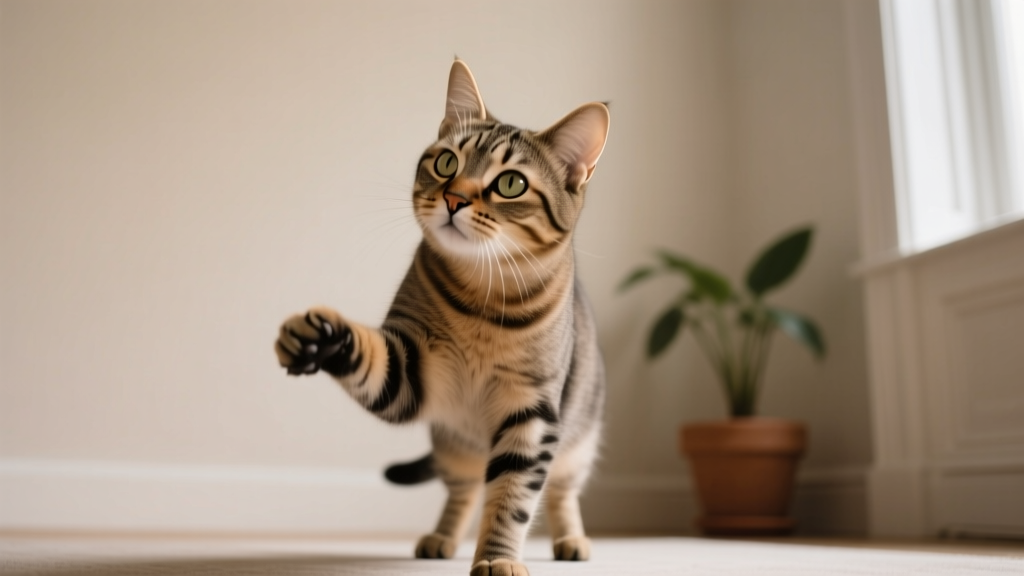
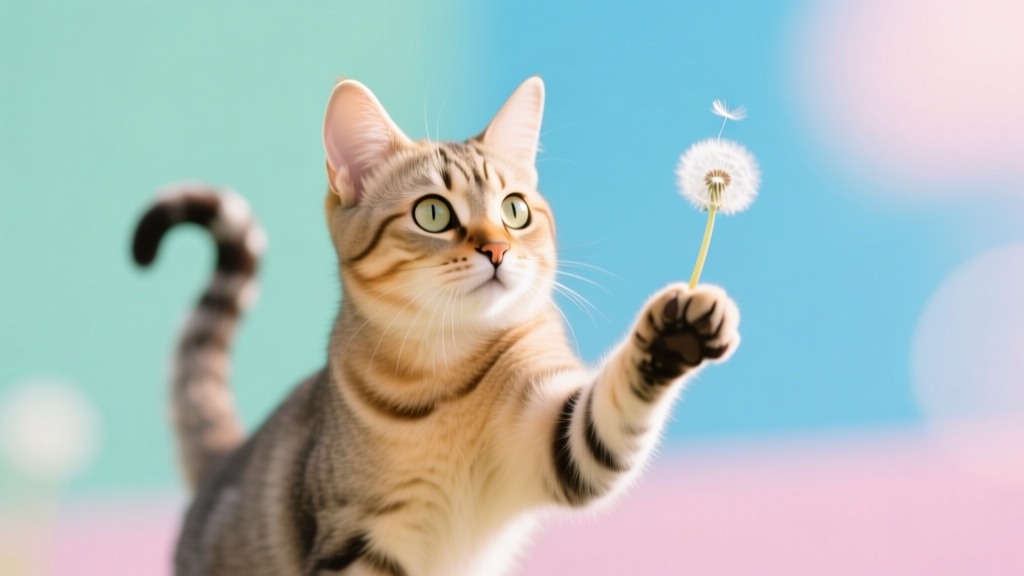
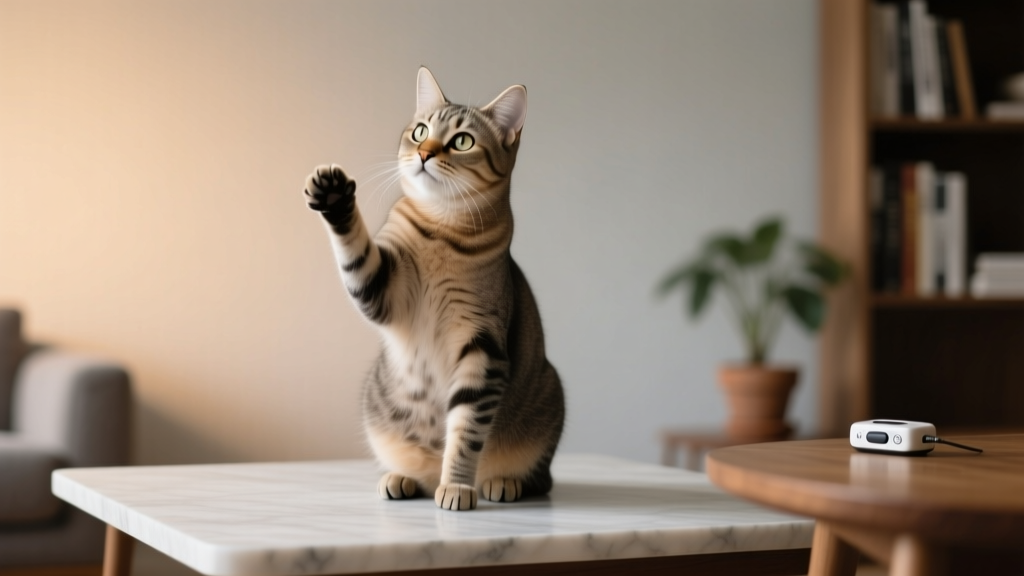
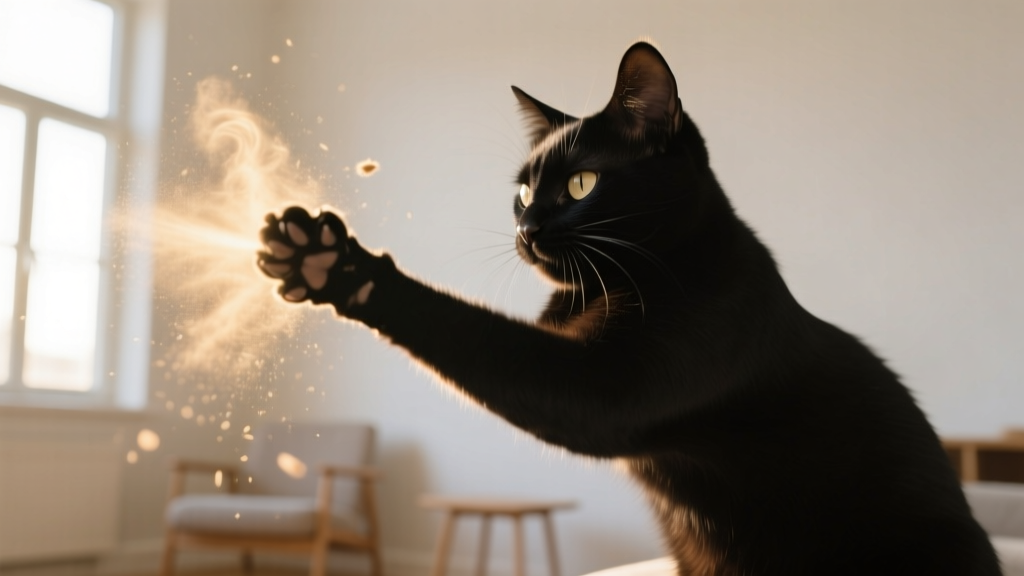
You’re sitting on the couch, half-watching a show, when your cat suddenly goes statue-still. Ears forward. Pupils a touch wider. Head tilts up toward that sunny rectangle on the wall where light spills in. Then—whap! A paw shoots into the air like a tiny boxer taking a swing at… nothing.
Or at least nothing you can see. Your cat is tracking a drifting dust mote, a bit of lint, or a shimmer of light like it’s the most important prey on Earth. If you’ve ever wondered whether your cat is being silly, bored, brilliant, or slightly haunted—good news: this is one of the most normal, fascinating, and revealing little “cat moments” you can witness.
Why Cats Swat at Dust Motes (Evolution Has Entered the Chat)
Swatting at dust motes is a classic example of what behaviorists call visual hunting—a mini hunting sequence triggered primarily by movement. Domestic cats may nap like professionals, but they’re still hardwired as small prey specialists. In the wild (and in a surprising number of kitchens), tiny, fast-moving targets like insects are high-value practice.
Dust motes float unpredictably. They accelerate, drift, and change direction with air currents. To a cat’s brain, that movement pattern looks a lot like a moth, gnat, or other edible flying snack. Even if your cat has never met a real insect indoors, their nervous system comes “preloaded” with a hunting program:
- Orient: “What’s that moving?”
- Lock on: Eyes and head track the target.
- Stalk or wait: Stillness builds precision.
- Pounce/swipe: The paw launches.
- Grab/hold: Often missing with dust… but the attempt matters.
From an evolutionary standpoint, practicing those paw-eye coordination skills is never wasted. Cats that reacted quickly to tiny motion were more likely to catch actual prey and survive. Your cat swatting at dust motes is basically doing a “training drill” that’s thousands of years old—just in a sunbeam instead of tall grass.
What the Behavior Looks Like in Different Contexts
Not all dust-mote swatting is the same. The setting and the style tell you what’s motivating your cat.
1) The Sunbeam Hunter
This is the classic: mid-morning sunlight hits the floor, and suddenly the room is full of glittering specks. Your cat sits in the warm patch like it’s a private cinema, watching each floating particle. You’ll see slow head movements, careful tracking, and occasional soft swats. This version often has a calm, content vibe—like your cat is both relaxing and “working.”
2) The High-Energy Air Boxer
Sometimes the swats come rapid-fire: both paws involved, body bouncing, maybe a little sideways hop. This is more common in younger cats and kittens, and it’s often part play, part predatory practice. If your cat is ricocheting off furniture afterward, you’ve just witnessed an indoor predator warming up.
3) The Laser-Point Confusion Look (But It’s Dust)
Occasionally cats chase light reflections bouncing off a watch, phone screen, or mirror. The swatting looks similar to dust mote hunting, but the “prey” is a bright, crisp point. Unlike dust, the light can be intensely stimulating and sometimes frustrating—especially if it never becomes “catchable.” Dust mote play tends to be gentler and self-limiting.
4) The “Is That a Bug?” Double-Check
Your cat may freeze, stare, and do one cautious paw tap—like they’re testing reality. This often happens when the mote moves oddly or the cat is mildly uncertain. Many cats follow this with sniffing the air or checking the wall.
5) The Nighttime Phantom Swat
In dim light, cats still see motion well. You might notice swatting at tiny floating fuzz illuminated by a hallway light or TV glow. If it’s paired with stalking and chirping, your cat is running a full hunting routine on low-power mode.
What It Says About Your Cat’s Mood and Feelings
Dust mote swatting is usually a window into your cat’s emotional state—in a good way.
- Curious and engaged: Soft swats, relaxed tail, ears forward, easy posture.
- Playful and energized: Quick swats, bouncy body, zoomies afterward, bright eyes.
- Focused “predator brain”: Stillness, intense stare, minimal blinking, slow tail tip twitch.
- Slightly overstimulated: Sudden whipping tail, ears swiveling back, frantic pacing between swats.
Most of the time, this behavior is a sign your cat feels safe enough to explore and play. A cat who is extremely stressed tends to hide, freeze, or avoid open, well-lit areas—not sit under a sunbeam and try to “catch sparkles.”
Related Behaviors You Might Also Notice
Dust mote swatting often comes as part of a whole package of feline “micro-hunting” behaviors:
- Chattering or chirping at tiny moving things (sometimes called “ekekek”).
- Head bobbing as they track movement in 3D space.
- Butt wiggles before a pounce—yes, even when pouncing at air.
- Wall-watching (following a speck upward like it’s climbing).
- Ceiling-staring in a sunbeam—often dust, occasionally a small insect, sometimes just excellent cat entertainment.
- Quick grooming break afterward, which can be a self-soothing reset between play bursts.
When It’s Normal (Most of the Time) vs. When to Pay Attention
Normal: Your cat swats at dust motes occasionally, especially in sunlight. They remain responsive to you, eat and sleep normally, and can be redirected easily with a toy or treat. It comes and goes, and it looks playful or focused.
Worth a closer look:
- Obsessive or prolonged staring/swiping that seems frantic or happens for long periods every day, especially if your cat struggles to disengage.
- Sudden onset in an older cat who never did it before, paired with disorientation, bumping into things, or changes in confidence.
- Pawing at the air plus head shaking, ear scratching, or twitching skin (could indicate itchiness, ear irritation, or skin sensitivity).
- Increased vocalizing at “nothing”, restlessness, or nighttime agitation that’s new and persistent.
- Vision changes (hesitating on jumps, missing toys, cloudy eyes) alongside increased “phantom hunting.”
Dust mote swatting itself isn’t a red flag; it’s the pattern and the context that matter. If you’re seeing a big behavior shift, a vet check is a smart next step—especially for senior cats.
How to Respond (And How to Encourage It in a Healthy Way)
You don’t need to stop this behavior. Think of it as your cat’s self-directed enrichment. But you can support it so it stays fun and doesn’t tip into frustration.
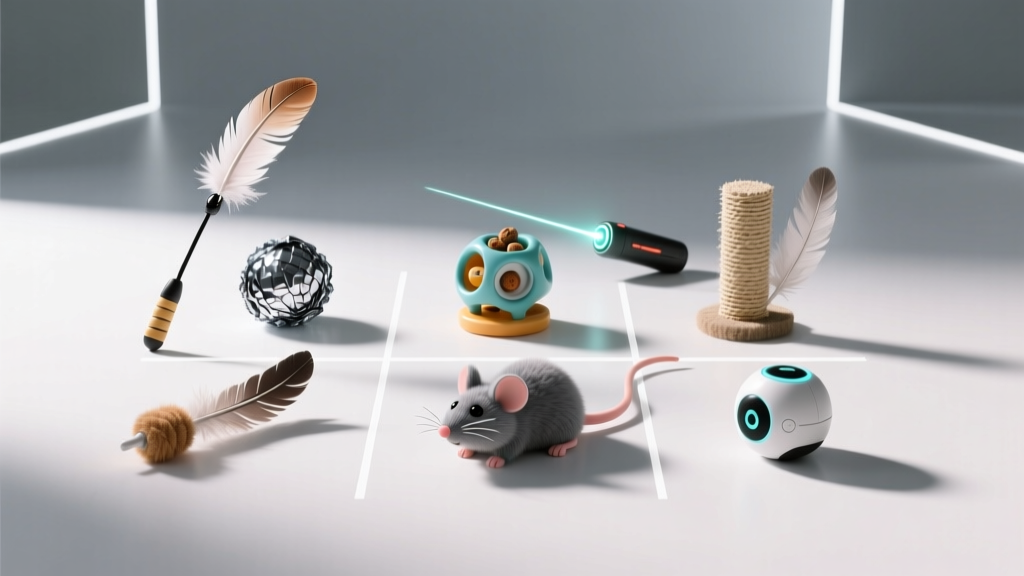
- Offer a “real” catch afterward: If your cat gets revved up, follow up with a wand toy that ends with a tangible capture (toy in paws), then a small treat or meal. That completes the hunting sequence and reduces pent-up energy.
- Use it as a play invitation: When you see the intense stare and tracking, your cat is already in hunting mode. That’s your easiest moment to start a short, satisfying play session.
- Rotate prey-like toys: Feather toys, fluttery ribbons (supervised), and small kickers mimic the movement that triggers visual hunting.
- Mind the laser pointer rule: If you use a laser, always finish with a physical toy “capture” to prevent frustration.
- Create safe sunbeam spots: A cat tree near a window or a cozy bed in a sun patch makes this behavior safer (less leaping off slippery surfaces).
- Don’t tease or punish: Laughing is fine; startling your cat mid-hunt isn’t. Interrupting with loud noises can teach a cat that curiosity isn’t safe.
Practical relationship takeaway: when you respect your cat’s tiny hunting moments, your cat learns that you’re a predictable, safe presence—not the unpredictable giant who ruins the fun. That matters.
Fun Facts and Research-Linked Nuggets
- Cats are motion specialists. Their visual system is tuned to detect movement quickly, which is why a drifting speck can steal their attention faster than a stationary object.
- The paw is a precision tool. Cats use their forepaws like hands—probing, testing, and manipulating. Swatting is not just “hitting”; it’s information gathering.
- Play and hunting share the same wiring. In behavioral science, play in predators is often described as practice for real hunting. Dust mote “hunting” is a low-stakes training session.
- Whiskers help with the endgame. If your cat actually catches a tiny insect, whiskers provide close-range sensory feedback when vision is too close to focus clearly.
FAQ: Cat Paw Swatting at Dust Motes
Why does my cat suddenly stare at the air and swat?
They’re likely tracking a moving speck—dust, lint, a tiny insect, or a light reflection. Cats are triggered by motion, and a floating particle can look like prey. If your cat is otherwise acting normal, it’s typical visual hunting.
Is my cat bored if they swat at dust motes?
Not necessarily. It can be a sign of healthy curiosity and self-entertainment. That said, if dust mote hunting is your cat’s only stimulation, adding daily interactive play and puzzle feeding can improve overall well-being.
Do kittens do this more than adult cats?
Usually, yes. Kittens are building coordination and learning what “prey” looks like. Adults still do it, especially in sunbeams, but they may be calmer and more selective about when it’s worth the effort.
My cat swats at invisible things at night—should I worry?
Often it’s just dust or tiny bugs seen in low light. Monitor the pattern: if it’s occasional and playful, it’s fine. If it’s new, intense, or paired with disorientation, vocalizing, or sleep disruption, consider a vet check.
Can this be a sign of vision problems?
On its own, no. But if your cat is missing jumps, bumping into objects, or seems unusually startled, a vision assessment is wise. Sudden behavior changes in senior cats always deserve attention.
Should I stop my cat from doing it?
No need—unless they’re swatting near breakables or launching off unsafe surfaces. In that case, redirect with a wand toy and provide a safer hunting perch (like a cat tree or stable window bed).
Does your cat have a signature “sunbeam boxing” move—gentle taps, full acrobatics, or that serious hunter stare like they’re on a nature documentary? Share your funniest dust mote stories (and your cat’s most dramatic swats) with the Cat Lovers Base community at catloversbase.com.