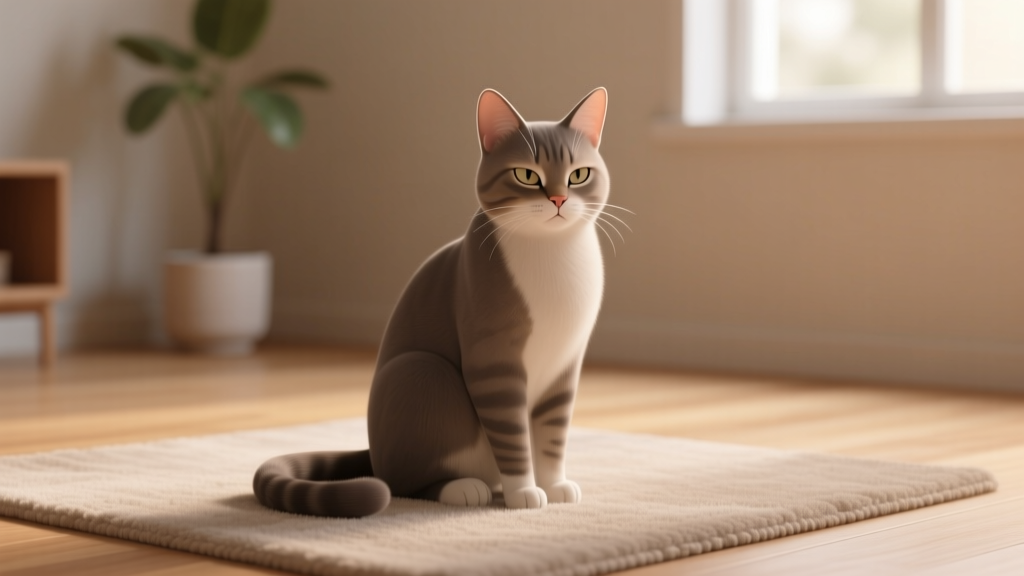
Cat Paw Patting Your Cheek: Waking You Up
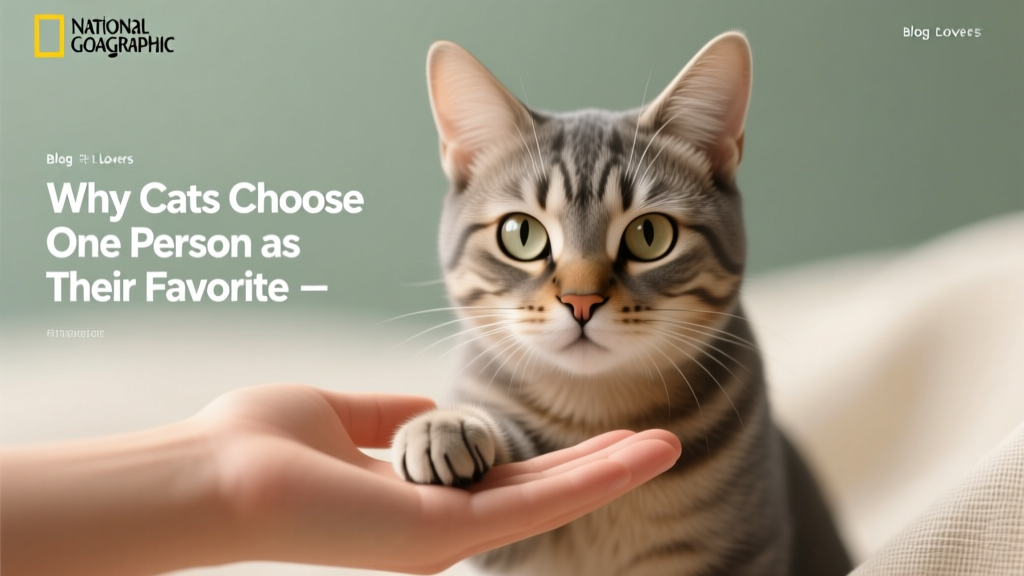
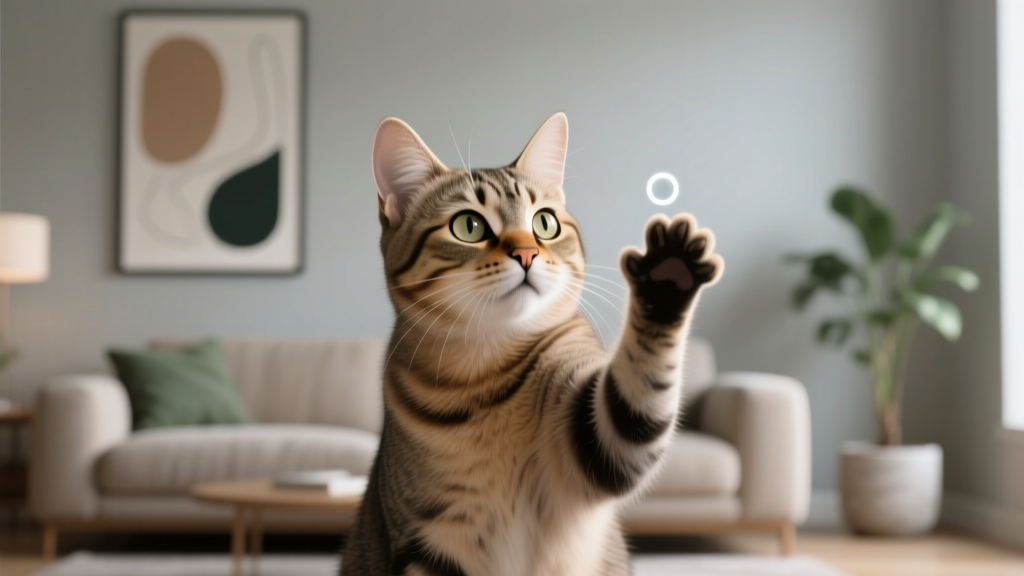
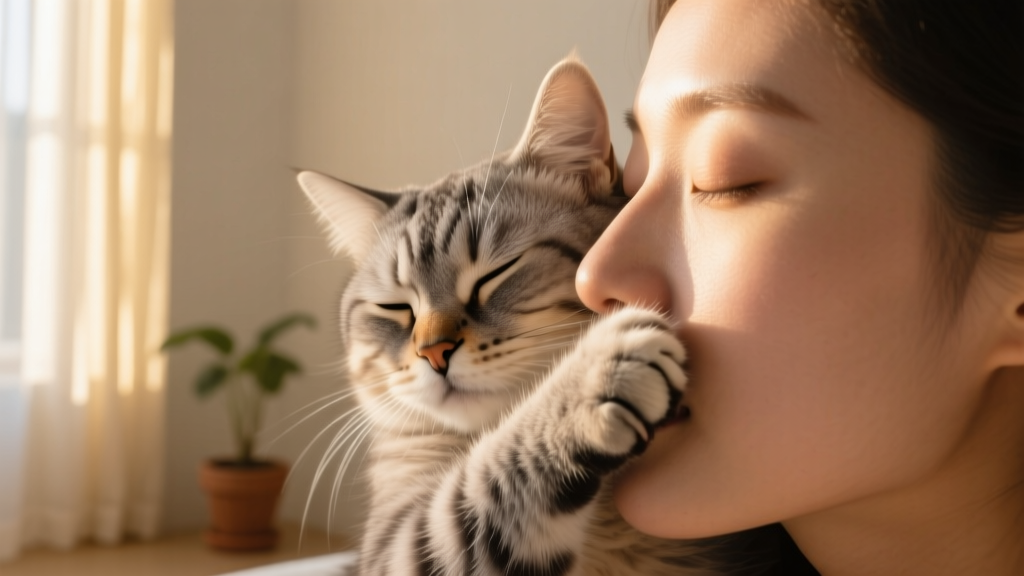
It’s 5:12 a.m. The room is quiet, your blanket is warm, and you’re floating in that sweet spot between sleep and waking… when tap tap tap—a soft paw lands on your cheek. Not a scratch. Not a swat. Just a careful, deliberate pat, like your cat is checking that you’re still… you. You keep your eyes closed, hoping it was a dream, but then comes the encore: a gentle pat, a whisker tickle, and maybe a tiny meow that says, “Hello? You in there?”
If you’ve ever been “politely” woken up by a cat paw to the face, you’re in good company. This behavior is common, incredibly cat-like, and—depending on the context—can mean anything from “feed me” to “I missed you” to “are you alive?” The good news: with a little feline psychology, you can decode the message and respond in a way that supports a calmer (and slightly more sleep-friendly) household.
Why Cats Do This: The Science and Evolution Behind the Pat
Cats are tactile hunters. In the wild, felines rely on touch as much as sight and hearing—especially in low light. Their paws are loaded with sensitive nerve endings, and their whiskers and facial touch receptors help them explore the world with precision. A gentle paw pat is essentially a cat’s version of “hands-on investigation.”
There’s also a strong social component. Cats use small physical gestures to communicate with each other: gentle pawing, nose touches, head bunts, and body rubs. Even though cats are often described as solitary, domestic cats are surprisingly flexible socially. When they trust you, they treat you like part of their social circle. A cheek pat can be an attention-getting behavior, a bonding behavior, or a learned strategy that reliably gets results (like breakfast).
And yes—cats learn fast. If your cat patted your face once and you immediately sat up, talked to them, or fed them, that paw pat may have become a very effective “button.” From your cat’s perspective, it’s not rude. It’s excellent training.
Breaking Down the Behavior: Different Contexts, Different Messages
Not all cheek pats are created equal. Here are common scenarios and what your cat is likely communicating.
1) The “Breakfast Alarm Clock” Pat
What it looks like: Gentle patting escalating to firmer taps, maybe paired with meows, pacing, or a direct walk across your chest.
What it means: “The food schedule is late.” Cats are time-sensitive, and many run on routines as strong as any commuter’s. If breakfast happened at 6:00 a.m. for a week, your cat may start waking you at 5:45 “just to be safe.”
2) The “You’ve Been Gone Forever” Pat
What it looks like: You wake up from a nap to a cat gently touching your face, sometimes followed by purring, slow blinks, or a head rub.
What it means: Reconnection. Your cat may be checking in and re-establishing closeness after you’ve been “offline.” Many cats greet sleeping humans the way they greet a returning family member.
3) The “I Need Something” Pat (Beyond Food)
What it looks like: Patting, then leading you somewhere—toward the water bowl, the litter box area, or a closed door.
What it means: A request. Cats quickly learn that your face is an effective place to ask, because it’s hard for you to ignore.
4) The “Play With Me” Pat
What it looks like: Patting followed by a playful bounce, a dart away, or a paw gently hooking your hair.
What it means: Boredom or pent-up energy, especially common in young cats, indoor-only cats, or cats who are most active at dawn.
5) The “Check You’re Okay” Pat
What it looks like: Quiet, measured patting, sniffing near your mouth/nose, settling nearby afterward.
What it means: Curiosity and concern. Your cat may be responding to a change—new breathing sounds, snoring, a cough, or even a different scent (new lotion, new laundry detergent).
6) The “Move Your Face, I’m Trying to Snuggle” Pat
What it looks like: A paw on the cheek, then your cat wedges closer, kneads a bit, or curls up by your head.
What it means: You are occupying premium real estate. Cats love warmth and familiar scents; your pillow area often smells the most like you.
What It Says About Your Cat’s Mood and Feelings
A cheek pat is usually a sign of confidence and comfort. Your cat is close enough to touch your face—an area most animals guard—and they’re doing it without aggression. Here’s a quick “mood translation” based on body language:
- Soft paw, relaxed body, slow blinking: Affectionate, socially engaged, calm.
- Purring, kneading, leaning into you: Bonding and comfort-seeking.
- Meowing, pacing, tail up, repeated taps: Goal-oriented request (often food or access).
- Dilated pupils, wiggly butt, quick darting movements: Play mode—your face is just the nearest “start button.”
- Ears slightly back, stiff posture, short sharp meows: Frustration—something isn’t right in their routine.
One important note: cats don’t typically pat your face to “dominate” you. That’s a common myth. This behavior is far more often about communication, learned patterns, and social contact.
Related Behaviors You Might Notice
If your cat is a cheek-patter, you may also see:
- Nose boops: A friendly greeting and scent check.
- Head bunting (bunting your chin or forehead): Scent-marking you as familiar and safe.
- Whisker/face sniffing: Your breath and face scent carry lots of information.
- Kneading near your head: Comfort behavior often linked to safety and relaxation.
- “Tap and run” games: A playful invitation—sometimes poorly timed at 4 a.m.
- Walking across your body: A direct method to rouse you (and test your commitment to sleep).
When It’s Normal… and When It Might Be a Concern
Normal: Gentle patting with relaxed body language, especially around routine times (morning, when you get home, at bedtime). This is typical attention-seeking and bonding.
Potential concern:
- Sudden new clinginess or urgent waking paired with increased vocalizing, restlessness, or changes in appetite. Sometimes cats respond to household stress—or to their own discomfort.
- Compulsive pawing that seems frantic or repetitive, especially if your cat can’t settle afterward.
- Signs of pain or illness such as hiding, litter box changes, weight loss, increased thirst, or uncharacteristic irritability.
- Escalation to scratching or biting (not playful nips—actual irritation). This can mean overstimulation, frustration, or a learned pattern that’s getting too intense.
- Night waking in older cats with confusion, yowling, or disorientation. Senior cats can develop cognitive changes that disrupt sleep-wake cycles.
If the cheek pat is accompanied by other behavioral changes or your gut says “this is new,” it’s worth a vet check. Cats are masters at being subtle.
How to Respond (Without Training a Tiny Alarm Clock)
You have two goals: meet your cat’s needs and avoid accidentally reinforcing unwanted wake-ups.
1) Don’t reward the wake-up with instant food
If your cat pats your face and breakfast appears immediately, you’ve just taught them a powerful lesson. Instead:
- Wait for a brief pause in pawing or meowing before getting up.
- Build a small “buffer” routine: bathroom first, coffee first, then cat breakfast.
- Consider an automatic feeder for early mornings so you’re removed from the equation.
2) Add an evening play-and-feed routine
Many cats wake humans because they’re most active at dawn. Try a “hunt cycle” before bed:
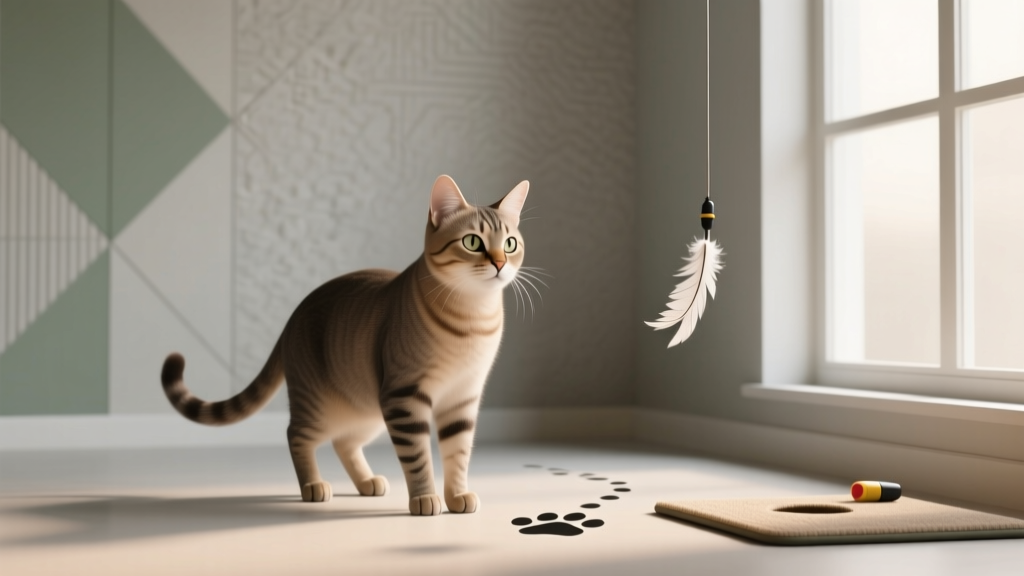
- 10–15 minutes of wand-toy play (short sprints, pauses, pounce opportunities)
- Then a small meal or snack
This taps into their natural rhythm: hunt → eat → groom → sleep.
3) Offer a better alternative than your face
If your cat is seeking closeness, give them a sanctioned snuggle spot:
- A cozy bed or folded blanket near your pillow
- A heated cat mat (low setting, pet-safe) in a safe location
- A soft toy or “kicker” for cats who wake up ready to wrestle
4) Reinforce gentle communication
If you like the cheek pat (many people secretly do), reinforce it when it’s calm and appropriate:
- Reward gentle touches with affection during daytime
- Teach a cue like “snuggle” or “gentle” paired with petting
- Redirect rougher pawing to a toy immediately
5) Protect your sleep without punishing the cat
Shutting the bedroom door can work for some households, but it can also increase scratching or crying if your cat isn’t used to it. If you try it, pair it with:
- Enrichment outside the bedroom (food puzzles, window perch)
- A consistent bedtime routine
- White noise to reduce “every tiny sound wakes me” moments
Fun Facts and Research Nuggets
- Cats are crepuscular—most naturally active at dawn and dusk. Your 5 a.m. wake-up call isn’t personal; it’s biology meeting routine.
- Cat paws are sensory tools. Those toe beans contain receptors that help cats assess texture, movement, and even subtle vibrations.
- Social touch is a real cat language. Gentle contact (like pawing, head bunting, and rubbing) supports bonding and group cohesion in friendly cat-to-cat relationships—so it makes sense they’d use it on humans they trust.
- Your face is information-rich. Cats often investigate breath and facial scent because it changes with food, stress, illness, and environment. To a cat, your face is like a newsfeed.
FAQ: Cat Paw Patting Your Cheek
Why does my cat pat my face so gently?
Usually it’s attention-seeking or affection. Gentle pawing is a low-aggression way to communicate: “Wake up,” “Notice me,” or “I want something.” Look at the rest of their body language to pinpoint which.
Is my cat trying to show love when they wake me up?
Sometimes, yes—especially if they purr, slow blink, or settle in to cuddle after you respond. Other times it’s simply a learned strategy to start the day (often breakfast-related). It can be both: love and a schedule.
How do I stop my cat from waking me by pawing my face?
Avoid rewarding the behavior with immediate food or big reactions, increase evening play and a bedtime snack, and consider an automatic feeder. Consistency matters—if it works once, your cat will keep trying.
Why does my cat pat my cheek but not my partner’s?
Cats target what works. If you’re the primary feeder, more responsive sleeper, or simply the person they’re most bonded to, you’ll get the paw pats. Your cat may also prefer your pillow spot, scent, or bedtime routine.
Is it normal for kittens to do this more?
Very normal. Kittens are tactile explorers and often have more energy at odd hours. With gentle redirection (toys, routines, not reinforcing early feeding), many grow out of the most disruptive wake-ups.
When should I call the vet about increased wake-ups?
If the behavior starts suddenly or comes with appetite changes, weight loss, litter box issues, excessive vocalizing, or restlessness—especially in older cats—schedule a checkup. Medical discomfort can show up as nighttime agitation or clinginess.
That little cheek pat is your cat’s way of reaching across species and saying, “Hey, human. I have a message.” With a bit of context and some smart routines, you can keep the sweetness of the connection—without turning your face into a daily snooze button.
Has your cat mastered the gentle cheek pat, the forehead tap, or the dramatic “paw-on-lips” maneuver? Share your story (and your best early-morning cat logic) with fellow cat people on catloversbase.com.