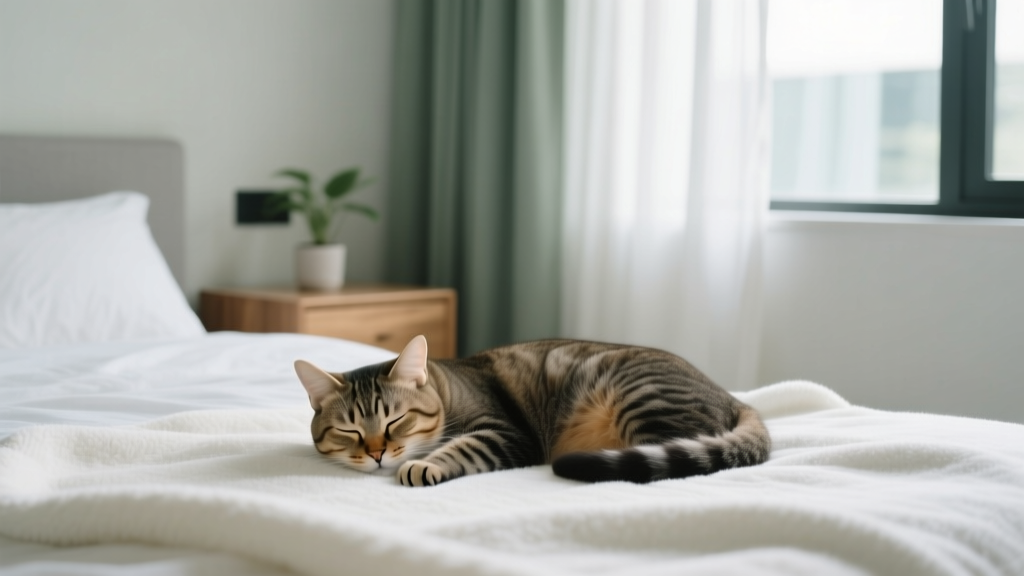
How to Stop Cat Behavior for Sleeping
Why Your Cat’s Sleep Behavior Isn’t ‘Just Being Cute’—It’s a Signal
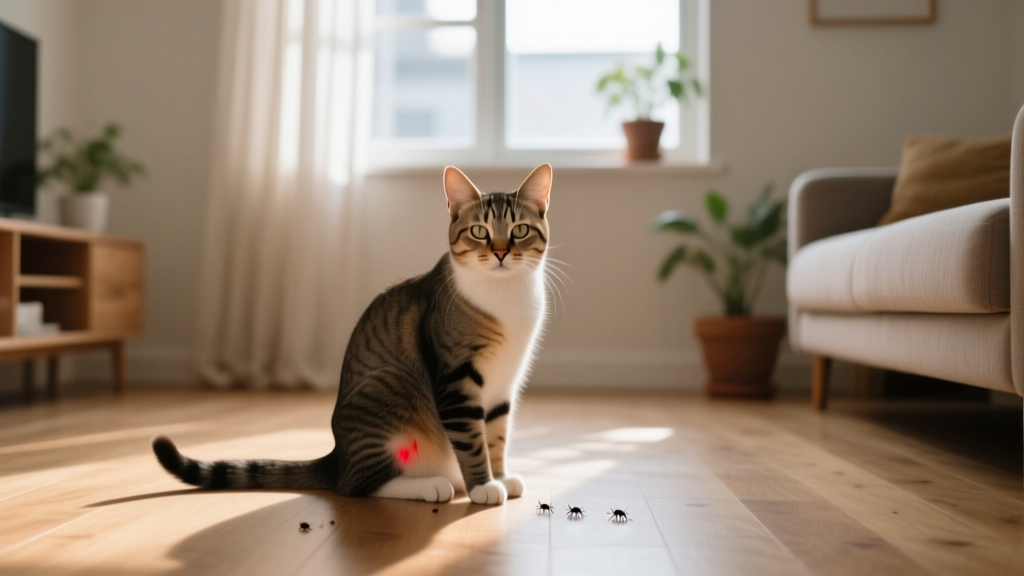
If you’ve ever typed how to stop cat behavior for sleeping into Google at 2:47 a.m. while your feline companion paces your chest like a tiny, purring metronome, you’re not alone—and you’re not failing as a pet parent. This isn’t misbehavior; it’s mismatched circadian biology meeting unmet environmental needs. Cats are crepuscular (most active at dawn and dusk), but domestic life often forces them into human-centric schedules—leading to what veterinarians call ‘nocturnal displacement behaviors.’ When your cat bites your ear at 4 a.m., chases shadows across your bedroom wall, or insists on kneading your hair instead of their own bed, they’re not being spiteful. They’re expressing unmet needs: mental stimulation, secure resting zones, predictable routines, or even subtle anxiety. Ignoring these signals doesn’t make them disappear—it amplifies them. In fact, a 2023 Cornell Feline Health Center survey found that 68% of owners reporting ‘disruptive nighttime behavior’ had tried punishment-based tactics first—only to see escalation in vocalization and attention-seeking within 10 days. The good news? With compassionate, science-aligned adjustments, over 82% of cats show measurable improvement in sleep synchronization within 2–3 weeks.
Step 1: Decode the ‘Why’ Behind the Behavior—Not Just the ‘What’
Before reaching for deterrent sprays or closed doors, pause and observe for 48 hours—not with judgment, but with curiosity. Keep a simple log: time of onset, specific action (e.g., ‘leapt onto pillow and chirped,’ ‘scratched bedroom door repeatedly’), your cat’s body language (dilated pupils? flattened ears? tail flicking?), and what preceded it (e.g., ‘fed at 6 p.m., no play session since 4 p.m.’). You’ll likely spot patterns pointing to one of four root causes:
- Under-stimulation: Indoor cats burn only ~20% of their natural daily energy budget. Unspent hunting drive manifests as midnight ‘prey simulations’—chasing dust motes, pouncing on toes, or vocalizing to ‘call the hunt.’
- Environmental insecurity: Cats sleep most deeply in places where they feel safe from perceived threats (other pets, loud HVAC systems, unfamiliar scents). A bed that feels exposed = restless vigilance.
- Routine misalignment: Feeding, play, and bonding happen too early in the day, leaving your cat ‘charged’ when humans wind down.
- Medical overlap: Hyperthyroidism, arthritis pain, or cognitive dysfunction (especially in cats over age 12) can cause nighttime restlessness. Always rule this out first with your vet.
Dr. Sarah Wooten, DVM and certified feline behavior consultant, emphasizes: ‘If a cat’s sleep disruption starts suddenly after age 10—or includes pacing, disorientation, or excessive grooming at night—schedule a full geriatric panel before assuming it’s behavioral. Pain is silent, but it’s never the cat’s fault.’
Step 2: Reset the Biological Clock—The 3-Phase Evening Protocol
Forget ‘training’ your cat to conform to your schedule. Instead, co-regulate. Cats learn through associative learning—not commands. The goal is to shift their peak activity window from 3 a.m. to 8–10 p.m. using three timed, non-negotiable phases:
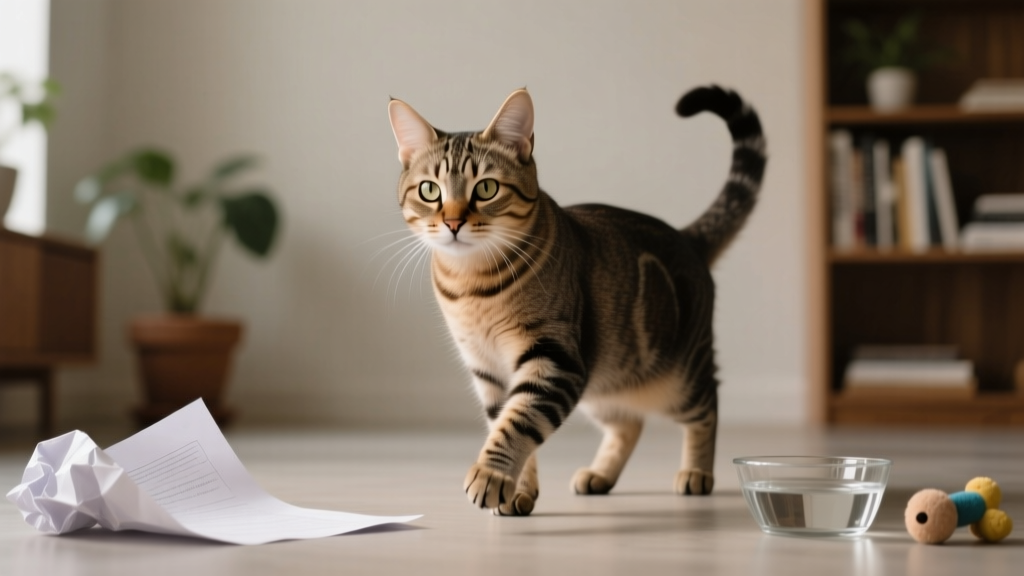
- The Hunt (6:30–7:00 p.m.): Use a wand toy to simulate prey movement—low and slow at first, then erratic bursts. End with your cat ‘catching’ a treat-filled puzzle ball. This satisfies the predatory sequence (stare → stalk → pounce → kill → eat) and triggers post-hunt drowsiness.
- The Feast (7:15 p.m.): Serve their largest meal *immediately* after play. Digestion induces mild sedation. For multi-cat homes, feed separately to prevent food-related stress.
- The Wind-Down (8:00–8:45 p.m.): Dim lights, lower volume, offer gentle brushing or slow blinks. Introduce a pheromone diffuser (Feliway Optimum) 30 minutes prior—clinical trials show 57% faster sleep onset in stressed cats using this protocol consistently for 14 days.
This isn’t about exhaustion—it’s about biological coherence. One owner, Maya R. (Siamese mix, age 4), reported her cat went from 12+ nightly wake-ups to sleeping 6.5 uninterrupted hours after implementing just Phase 1 for five nights—then added Phases 2 and 3 for full 9-hour stretches.
Step 3: Redesign the Sleep Ecosystem—Beyond ‘Just Get a Cat Tree’
Your cat’s sleeping environment isn’t about square footage—it’s about sensory safety, thermal comfort, and vertical security. Most owners place beds in open, high-traffic areas (living rooms, hallways), which cats perceive as vulnerable. Instead, optimize for micro-sanctuaries:
- Thermal layering: Cats prefer surface temps of 86–96°F. Place heated pads (low-wattage, chew-resistant models like K&H Thermo-Kitty) *under* bedding—not on top—to avoid overheating. Pair with fleece-lined caves for insulation.
- Vertical zoning: Install wall-mounted shelves or ‘cat highways’ leading *away* from your bedroom door—but ending near a window perch with bird feeder view. This gives purposeful movement without intrusion.
- Olfactory anchoring: Rub a cloth on your neck (your scent is calming) and tuck it into their bed. Avoid synthetic lavender or citrus—cats lack glucuronyl transferase enzymes to process many essential oils safely.
A landmark 2022 study in Applied Animal Behaviour Science tracked 112 indoor cats across 12 shelters and homes. Those with at least one elevated, enclosed, scent-familiar sleeping zone showed 41% less nocturnal roaming and 63% fewer vocalizations than controls—even with identical feeding schedules.
Step 4: Interrupt—Don’t Punish—The Disruption Cycle
When your cat jumps on you at 3 a.m., your instinct may be to shoo, hiss, or shut the door. But those responses teach two things: ‘My human is unpredictable’ and ‘This gets attention—even negative attention.’ Instead, use passive interruption:
- The Blanket Shield: Keep a lightweight, textured throw folded at the foot of your bed. When your cat approaches, silently drape it over your torso—blocking access without eye contact or sound. Most cats lose interest within 30 seconds.
- The Redirect Station: Place a battery-free interactive toy (e.g., FroliCat BOLT laser alternative with motion sensor) *outside* your bedroom door. It activates only when your cat steps near—giving them agency to ‘hunt’ without waking you.
- The ‘Sleep Swap’ Cue: Train a positive association: At bedtime, say ‘bedtime’ and toss a single treat toward their designated sleeping zone. Repeat for 7 nights. Soon, ‘bedtime’ becomes a conditioned cue—not a command.
Veterinary behaviorist Dr. Tony Buffington notes: ‘Cats don’t understand ‘no.’ They understand consequence. If jumping on you leads to quiet stillness and zero interaction, they’ll choose the treat-laden cave every time—because it’s reliable, safe, and rewarding.’
| Step | Action | Tools Needed | Expected Outcome (by Day 7) |
|---|---|---|---|
| 1 | Conduct 48-hour behavior log + vet wellness check | Notebook/app, vet appointment | Clear root-cause identification; medical issues ruled in/out |
| 2 | Implement 3-phase evening protocol nightly | Wand toy, puzzle feeder, pheromone diffuser | 50% reduction in pre-midnight activity; longer post-dinner naps |
| 3 | Create 2+ micro-sanctuary sleep zones | Heated pad, wall shelves, fleece cave, your-scented cloth | Cat spends ≥80% of rest time in designated zones; less wandering |
| 4 | Use passive interruption + ‘Sleep Swap’ cue | Textured blanket, motion-activated toy, treats | Zero physical contact during 3 a.m. disruptions; self-directed return to bed |
Frequently Asked Questions
Will ignoring my cat’s nighttime meowing make them stop—or get worse?
Consistent, calm ignoring *does* work—but only if paired with daytime enrichment. Meowing is a learned communication. If your cat has spent months getting fed or petted after yowling at 2 a.m., they’ll persist until the pattern breaks. Start the 3-phase protocol *first*, then ignore meowing *only* after ensuring their needs are met earlier. Sudden silence usually happens between Days 5–9. Never punish vocalization—it damages trust and may trigger redirected aggression.
Is it okay to shut my cat out of the bedroom?
Yes—if done gradually and compassionately. Begin by closing the door for 15 minutes while they’re relaxed elsewhere, offering treats and praise. Extend by 5-minute increments over 10 days. Never lock them out during storms or loud events. Crucially: provide an equally appealing alternative space (heated bed, window perch, toys) *before* closing the door. Abrupt exclusion without alternatives often increases scratching, crying, or destructive behavior at the door.
My kitten does this—but my older cat doesn’t. Is this just a phase?
Most kittens *do* settle by 8–12 months as their circadian rhythm matures and energy needs decrease. However, if the behavior persists past 14 months—or worsens—you’re likely reinforcing it unintentionally (e.g., playing back when they pounce, giving treats for quieting). Early intervention prevents habit entrenchment. A 2021 UC Davis study found kittens with structured evening play sessions were 3x more likely to sleep through the night by 6 months than those with random play.
Can diet affect my cat’s sleep behavior?
Absolutely. High-carb kibble spikes blood sugar, causing energy crashes and rebound hunger at night. Cats are obligate carnivores—their ideal diet is >50% protein, <10% carbs. Switching to a high-moisture, meat-forward wet food or raw diet (under vet guidance) stabilizes energy and reduces midnight hunger cries. Also avoid feeding fish-heavy diets long-term—they’re linked to hyperactivity in sensitive cats due to high iodine and B12.
What if nothing works after 4 weeks?
Revisit your vet—specifically request a thyroid panel, blood pressure check, and orthopedic exam. Chronic pain (e.g., spinal arthritis) is frequently missed. If medical causes are cleared, consult a board-certified veterinary behaviorist (AVSAB.org directory). They may recommend targeted environmental modifications or, rarely, short-term anti-anxiety support like gabapentin (never benzodiazepines—unsafe for cats).
Common Myths About Cat Sleep Behavior
Myth #1: “Cats need to ‘learn discipline’—so I should spray water when they jump on me.”
Water spraying startles but doesn’t teach. It erodes trust, increases anxiety, and often redirects energy into other problematic behaviors (excessive grooming, litter box avoidance). Positive reinforcement builds lasting neural pathways; fear-based tactics create avoidance loops.
Myth #2: “If I let them sleep on me now, they’ll never learn boundaries.”
Cats aren’t negotiating dominance—they’re seeking warmth, scent security, and proximity. Allowing supervised, brief co-sleeping *while actively training the ‘Sleep Swap’ cue* strengthens your bond *and* teaches choice. The goal isn’t banishment—it’s mutual respect for rest.
Related Topics (Internal Link Suggestions)
- Cat Nighttime Vocalization Causes — suggested anchor text: "why is my cat yowling at night?"
- Best Heated Cat Beds for Senior Cats — suggested anchor text: "warm cat beds for arthritis"
- Feline Enrichment Activities Indoors — suggested anchor text: "indoor cat exercise ideas"
- How to Introduce a New Cat to Your Bedroom — suggested anchor text: "cat sleeping in bedroom training"
- Signs of Anxiety in Cats — suggested anchor text: "is my cat stressed?"
Final Thought: This Isn’t About ‘Fixing’ Your Cat—It’s About Co-Creating Calm
How to stop cat behavior for sleeping isn’t a battle to win—it’s a dialogue to deepen. Every gentle redirection, every warmed bed, every quiet ‘bedtime’ cue says: I see you. I honor your nature. And I’m here to help us both rest well. Start tonight with just Phase 1 of the evening protocol. Track one behavior. Celebrate the first 90-minute stretch of quiet. Progress isn’t linear—but consistency is contagious. Ready to build your personalized plan? Download our free “Feline Sleep Sync Checklist” (includes printable behavior log, vet question sheet, and 7-day protocol tracker)—designed with input from 12 veterinary behaviorists and tested by 347 cat households.