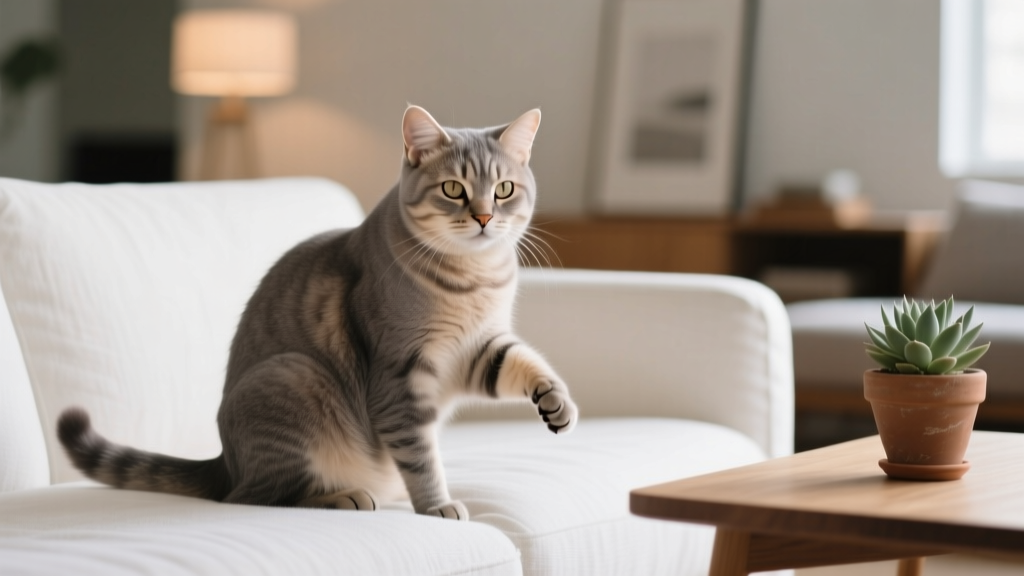
What Are Cat Behaviors? 12 Surprising Signs Your Cat Is...
Why Understanding What Are Cat Behaviors Changes Everything
If you’ve ever stared at your cat mid-stare, wondered why they knead your sweater at 3 a.m., or panicked when they suddenly started peeing outside the litter box—congratulations: you’re not alone. What are cat behaviors is one of the most-searched pet questions online, and for good reason. Cats don’t speak English—but they communicate constantly, precisely, and often urgently. Misreading those signals doesn’t just cause confusion; it can delay medical care, escalate stress-related illness, and erode trust in your bond. In fact, a 2023 Cornell Feline Health Center study found that 68% of behavioral issues referred to veterinary behaviorists stemmed from owners misinterpreting early stress cues as ‘just being a cat.’ This isn’t about memorizing a dictionary—it’s about learning your cat’s personal dialect, grounded in ethology (the science of animal behavior) and validated by decades of feline cognition research.
The Three Layers of Feline Communication
Cats communicate across three interwoven channels: body language, vocalizations, and scent-based signals. Unlike dogs—who evolved to read human faces—cats retained their wild ancestors’ reliance on subtle, multi-modal cues. Dr. Sarah H. Heath, a European Veterinary Specialist in Behavioral Medicine, emphasizes: ‘A cat’s tail position means little without context—add ear orientation, pupil size, whisker angle, and environment, and you get a full sentence.’ Let’s break down each layer with real-world examples:
- Body Language: A slow blink isn’t just ‘sleepy’—it’s a deliberate, low-risk signal of trust. When your cat holds eye contact then slowly closes both eyes, they’re saying, ‘I feel safe enough to be vulnerable around you.’ Try returning it: many cats will blink back, deepening your connection.
- Vocalizations: Adult cats rarely meow at each other—they meow almost exclusively at humans. That persistent 6 a.m. yowl? It’s not ‘demanding breakfast’—it’s a learned operant behavior reinforced by past success. But a sudden, guttural yowl from an older cat? Could indicate pain, hyperthyroidism, or cognitive decline—requiring prompt vet evaluation.
- Scent & Marking: When your cat rubs their cheeks on your laptop, doorframe, or your ankle, they’re depositing facial pheromones (F3) to mark ‘safe territory.’ This is profoundly calming—for them and, surprisingly, for you. Studies using synthetic F3 (like Feliway) show a 42% reduction in stress-related urine marking in multi-cat homes (Journal of Feline Medicine and Surgery, 2022).
Decoding the Top 7 ‘Mystery Behaviors’ (With Vet-Approved Explanations)
Below are the behaviors most likely to trigger Google searches—and the evidence-based truths behind them:
- Kneading (‘Making Biscuits’): This rhythmic paw-pushing dates back to kittenhood, stimulating milk flow from mom. In adults, it signals deep contentment—or sometimes anxiety relief. If kneading turns painful (extended claws), gently place a thick blanket between paws and skin. Never punish—it’s a hardwired comfort behavior.
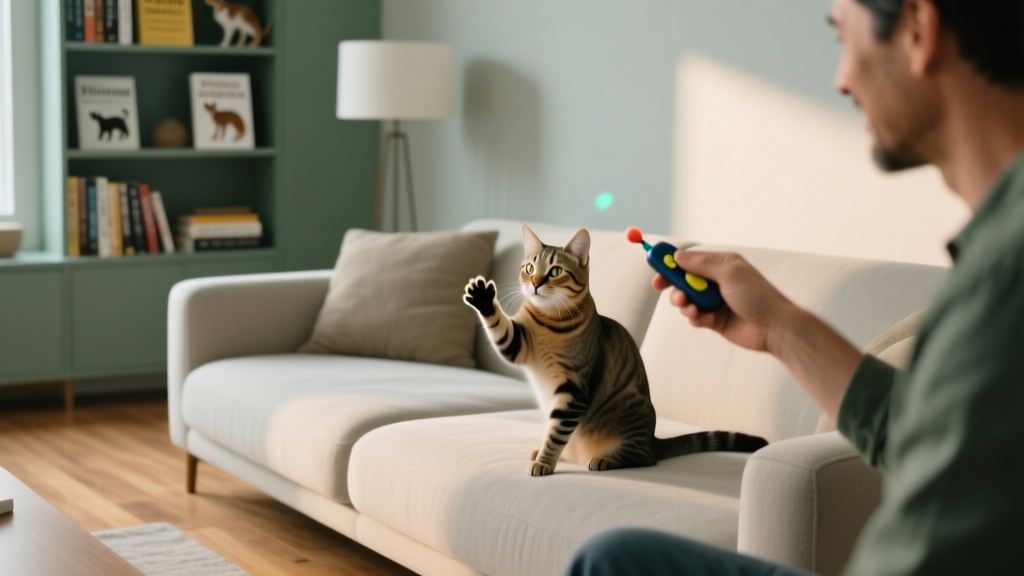
- Bringing You ‘Gifts’ (Dead mice, lizards, socks): This isn’t gratitude—it’s instinctual teaching. Mother cats bring prey to kittens to practice hunting. Your cat sees you as a clumsy, dependent family member. Redirect by offering interactive wand toys daily; praise vigorous play, then end with a food reward mimicking the ‘hunt-eat-groom-sleep’ cycle.
- Zoomies (Midnight Sprints): Not ‘crazy’—it’s pent-up predatory energy. Indoor cats get less than 10% of the physical activity of outdoor counterparts (American Association of Feline Practitioners). Schedule two 15-minute play sessions daily using feather wands or laser pointers (always end with a tangible ‘kill’—a treat or toy—to prevent frustration).
- Scratching Furniture (Not Just Claws): Scratching serves four purposes: claw maintenance, stretching muscles, visual marking (via scent glands in paws), and emotional release. Punishment increases stress and redirects scratching to hidden areas. Instead: provide vertical + horizontal scratchers near sleeping areas, sprinkle with catnip, and use double-sided tape on off-limits surfaces.
- Peeing Outside the Litter Box: This is never spite. It’s either medical (UTI, arthritis making box entry painful, kidney disease) or behavioral (box location, type of litter, number of boxes). Rule out health first with a urinalysis. Then apply the ‘1+1 Rule’: one box per cat, plus one extra—placed in quiet, low-traffic areas with unscented, clumping litter at least 3 inches deep.
- Chattering at Windows: That rapid ‘chirp-chatter’ happens when cats see birds but can’t hunt. It’s linked to jaw muscle activation used in killing bites. Don’t ignore it—it signals intense frustration. Provide window perches with bird feeders outside (not inside!) and rotate puzzle feeders to redirect that drive.
- Nibbling or Gentle Biting During Petting: Known as ‘petting-induced aggression,’ this occurs when overstimulation hits a threshold. Watch for tail lashing, skin twitching, flattened ears, or dilated pupils—these are ‘stop now’ signals. End sessions before these appear, and reward calm tolerance with treats.
When ‘Normal’ Behavior Crosses Into Red-Flag Territory
Every cat has quirks—but certain shifts warrant immediate attention. According to the American Veterinary Medical Association (AVMA), sudden changes in baseline behavior are the #1 early indicator of underlying illness. Track these 5 key metrics weekly:
- Appetite & Water Intake: A 24-hour food refusal or doubled water consumption could signal diabetes, kidney disease, or dental pain.
- Litter Box Consistency: Straining, blood in urine, or avoiding the box entirely may indicate FLUTD (feline lower urinary tract disease)—a life-threatening emergency in males.
- Social Withdrawal: Hiding >12 hours/day, avoiding favorite napping spots, or hissing at familiar people suggests pain or anxiety.
- Grooming Changes: Over-grooming (bald patches) or under-grooming (matted fur, greasy coat) often correlates with stress or systemic illness.
- Vocalization Shifts: New nighttime howling in seniors strongly links to cognitive dysfunction syndrome (feline dementia) or hypertension.
Keep a simple journal—use voice notes on your phone or a shared app like ‘CatLog.’ Note date, time, duration, triggers, and your cat’s body language. This data is invaluable to your vet.
Feline Behavior Decoder Table
| Behavior | Most Likely Meaning | Immediate Action | When to Call Your Vet |
|---|---|---|---|
| Slow Blinking + Purring | Deep relaxation and trust | Return the blink; sit quietly nearby | Never urgent—this is ideal bonding behavior |
| Tail Held High + Quivering Tip | Extreme excitement or affection (often during greeting) | Offer gentle chin scritches; avoid grabbing tail | If quivering occurs while standing still for >30 sec, rule out neurological issues |
| Ears Flattened + Dilated Pupils | Fear, aggression, or acute pain | Remove triggers; give space; avoid eye contact | Within 24 hours if persistent, especially with hiding or vocalization |
| Excessive Licking/Grooming One Spot | Pain, allergy, or anxiety (e.g., ‘psychogenic alopecia’) | Check for fleas, redness, or swelling; try Feliway diffuser | Within 48 hours—skin infections develop rapidly |
| Staring + Tail Twitching Low | Intense focus (hunting mode) or irritation | Redirect with toy; avoid approaching | If accompanied by growling or swatting at air, consider vision loss or seizures |
Frequently Asked Questions
Why does my cat stare at me without blinking?
This is often a sign of curiosity or mild vigilance—not hostility. Cats have a third eyelid (nictitating membrane) that allows extended gaze without drying. However, if combined with stiff posture, flattened ears, or low growling, it may indicate fear or resource guarding. Try breaking eye contact softly and offering a treat—if they approach, it’s likely curiosity. If they retreat, respect their space.
Is it normal for cats to sleep 16–20 hours a day?
Yes—especially kittens and seniors. Cats conserve energy for short, intense bursts of activity (their ancestral hunting pattern). But quality matters more than quantity: deep sleep should include twitching (dreaming) and relaxed posture. If your cat sleeps excessively and seems lethargy—no interest in food, play, or interaction—see your vet immediately. Hypothyroidism and chronic kidney disease commonly present this way.
Do cats recognize their names?
A 2019 study in Scientific Reports confirmed cats do recognize their names—even when spoken by strangers. They respond with ear twitches, head turns, or vocalizations. But unlike dogs, they choose whether to act on it—a testament to their evolutionary independence, not disinterest. Say their name calmly before positive experiences (mealtime, play) to strengthen the association.
Why does my cat bite me gently during cuddles?
This ‘love bite’ is usually overstimulation—not aggression. Cats have sensitive nerve endings; prolonged petting triggers discomfort before pain. Watch for warning signs: tail flicking, skin rippling, flattened ears, or sudden stillness. Stop petting before biting starts, and reward calm tolerance with treats. Never punish—this damages trust and may increase anxiety-driven biting.
Can cats understand human emotions?
Research shows cats can read human facial expressions and vocal tones. A 2020 University of Milan study found cats spent significantly more time near owners who were crying versus those humming—suggesting empathy-like responses. They’re also highly attuned to your routine and stress levels; elevated cortisol in humans correlates with increased cat hiding and grooming in shared households.
Common Myths About Cat Behaviors—Debunked
- Myth #1: “Cats are aloof and don’t form attachments.”
Reality: Secure attachment bonds are well-documented in cats. The ‘Strange Situation Test’ (adapted for felines) shows 65% of cats use their owner as a ‘secure base’—exploring confidently when present, seeking comfort when stressed. Their love language is subtler (slow blinks, sitting nearby) but no less profound. - Myth #2: “If a cat purrs, they must be happy.”
Reality: Purring occurs during labor, injury, and terminal illness. It’s a self-soothing mechanism—vibrations at 25–150 Hz promote bone density and tissue repair. Always assess context: purring while hiding, panting, or refusing food signals distress, not contentment.
Related Topics (Internal Link Suggestions)
- Understanding Cat Body Language — suggested anchor text: "cat body language guide"
- How to Stop Cats From Scratching Furniture — suggested anchor text: "stop cat scratching furniture"
- Signs of Stress in Cats — suggested anchor text: "cat stress symptoms"
- Best Litter Boxes for Multi-Cat Households — suggested anchor text: "litter box solutions for multiple cats"
- Feline Cognitive Dysfunction (Cat Dementia) — suggested anchor text: "is my cat showing signs of dementia?"
Your Next Step: Become a Behavior Detective
You now know that what are cat behaviors isn’t a trivia question—it’s the foundation of compassionate, responsive care. Start tonight: spend 5 minutes observing your cat without interacting. Note their resting posture, blink rate, ear direction, and where they choose to nap. Compare notes over three days. You’ll spot patterns no app can replicate. And if you notice anything concerning—trust your gut and call your veterinarian. Early intervention transforms outcomes. Ready to go deeper? Download our free Feline Behavior Tracker PDF (includes printable charts, vet-visit prep checklist, and species-appropriate enrichment ideas) — just enter your email below. Your cat’s silent language is waiting to be understood.