How to Control Cats Behavior Summer Care
Why Your Cat Acts Like a Different Animal in Summer (And How to Respond)
If you’ve ever wondered how to control cats behavior summer care, you’re not alone—and you’re likely noticing real, measurable shifts: the once-calm lap cat now swats at ankles without warning; the independent hunter starts yowling at 3 a.m.; the meticulous groomer leaves clumps of fur everywhere. These aren’t ‘just quirks’—they’re biologically rooted responses to rising temperatures, longer daylight hours, increased insect activity, and disrupted household routines. According to Dr. Sarah Lin, DACVB (Diplomate of the American College of Veterinary Behaviorists), 'Cats don’t sweat like humans—they thermoregulate through panting, licking, and seeking cool surfaces. When ambient temps exceed 85°F (29°C), even subtle thermal discomfort can lower their stress threshold by up to 40%, making normally tolerant cats reactive to touch, sound, or movement.' This isn’t misbehavior—it’s communication. And ignoring it risks escalating into chronic anxiety, redirected aggression, or urinary issues. Let’s decode what’s really happening—and how to respond with empathy, precision, and proven results.
1. Decode the Summer Behavior Shifts: What’s Normal vs. What Needs Intervention
First, separate seasonal adaptation from true distress. Cats are crepuscular (most active at dawn/dusk), but summer extends daylight—and UV exposure—by 2–3 hours in many regions. That extra light suppresses melatonin earlier, shifting circadian rhythms. Combine that with heat-induced lethargy during peak afternoon hours, and you get a compressed, intensified activity window—often overlapping with human sleep time. A 2023 Cornell Feline Health Center survey found 68% of owners reported increased nighttime vocalization in June–August, yet only 22% recognized it as a thermoregulatory coping mechanism rather than ‘attention-seeking.’
Here’s how to read the signals:
- Increased grooming + hairballs: Not just shedding—cats lick more to cool via evaporation. But excessive licking (especially focused on belly/inner thighs) may indicate thermal discomfort or early skin irritation from humidity.
- Sudden litter box avoidance: Often blamed on cleanliness, but summer heat makes clay-based litters uncomfortably warm to paw pads—and ammonia odor intensifies in high humidity, repelling sensitive noses.
- Redirected aggression toward other pets or family members: Triggers include seeing outdoor cats through windows (territorial stress amplified by heat-induced irritability) or being disturbed while resting on cool tile floors.
- Decreased appetite + water intake drop: Counterintuitive—but cats often eat less in heat, relying on moisture-rich food. If water consumption falls >20% over 48 hours, consult your vet: dehydration can trigger cystitis.
Key takeaway: Behavior is data. Track duration, timing, and antecedents for 3 days using our free Summer Behavior Log PDF before assuming ‘bad habits.’
2. The 4-Pillar Cooling & Calming Protocol (Backed by Feline Ethology)
Veterinary behaviorist Dr. Elena Torres emphasizes that ‘controlling’ behavior starts with controlling environment—not the cat. Her evidence-based 4-pillar framework reduces stress triggers *before* they escalate:
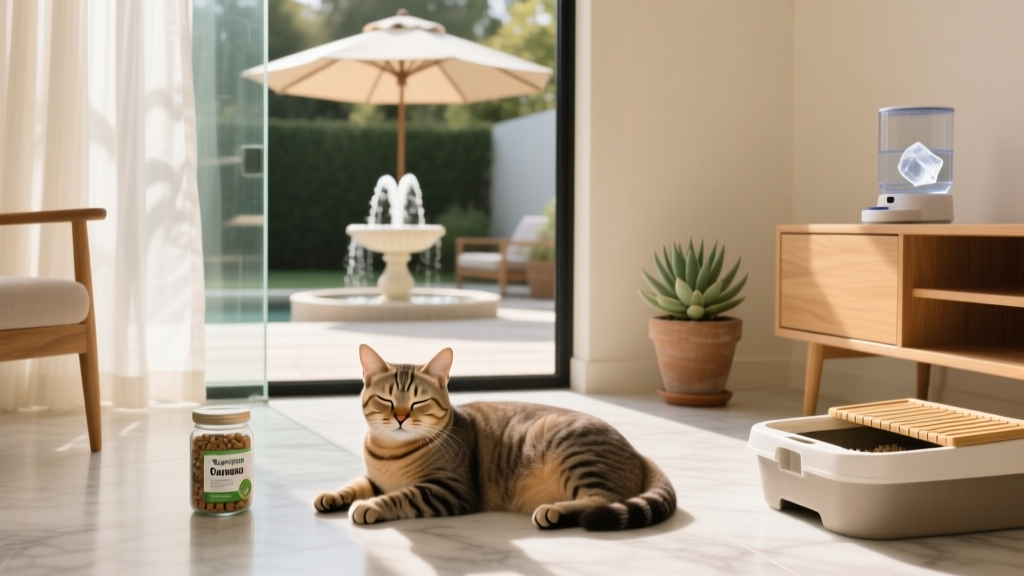
- Cool Microzones: Create 3+ designated cool spots per floor (not just one ‘cool tile’). Use ceramic tiles, marble coasters under bedsheets, or frozen gel packs wrapped in thin towels. Cats prefer surface temps of 75–80°F (24–27°C); aim for consistent access—not just one spot.
- Light Modulation: Install blackout shades in bedrooms and sunrooms. Reduce blue-light exposure after 7 p.m. to support melatonin release. A 2022 study in Journal of Feline Medicine and Surgery showed cats with controlled light exposure slept 47% longer at night and reduced vocalization by 62%.
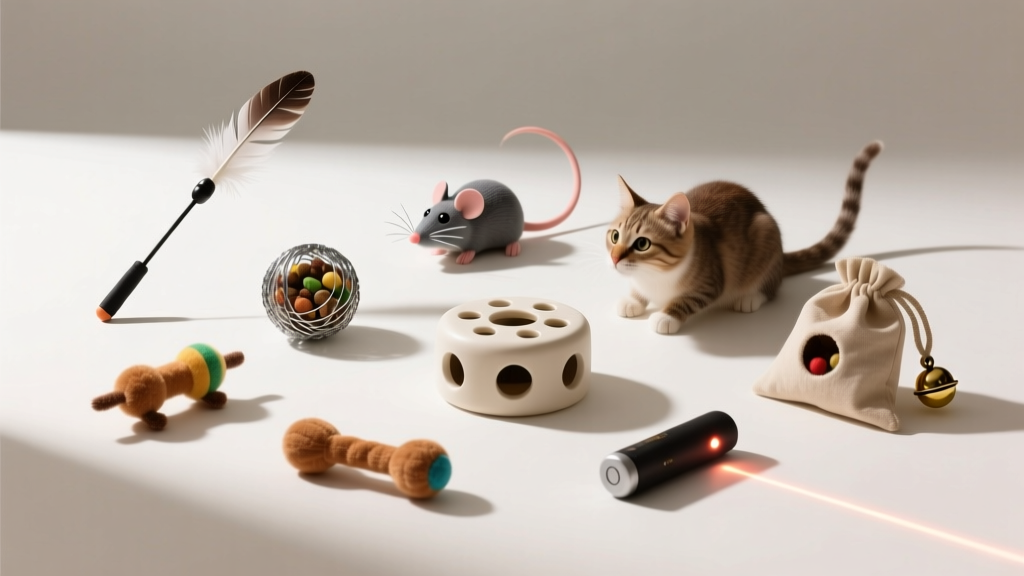
- Predictable Enrichment Timing: Schedule interactive play (feather wands, laser pointers *with a tangible reward*) 30 minutes before dusk—mimicking natural hunting rhythm and burning energy pre-sleep. Avoid late-night play; it spikes cortisol when melatonin should rise.
- Olfactory Anchoring: Use unscented, cat-safe cooling sprays (e.g., diluted peppermint hydrosol—never essential oils) on scratching posts or bedding. Smell = safety cue. Rotate scents weekly to prevent habituation.
Case Study: Luna, a 4-year-old Siamese in Phoenix, began biting ankles at 2 a.m. Her owner implemented Pillar 2 (blackout shades) + Pillar 3 (pre-dusk play), then added a chilled ceramic mat under her favorite napping perch. Within 5 days, nighttime incidents dropped from 4x/night to zero—and her vet confirmed improved hydration markers.
3. Litter Box Logistics: Solving the ‘Hot Box’ Problem
Most owners miss this critical detail: litter temperature matters. Clay and crystal litters absorb heat and radiate it back—reaching 95°F+ on sunlit floors. That’s painful for paw pads and smells overwhelming in humidity. Worse, ammonia volatilizes faster above 77°F, creating an aversive odor cats associate with the box itself.
Switching litter isn’t enough—you need a full system reset:
- Relocate boxes away from direct sun, laundry rooms (heat/humidity), and AC vents (drafts startle cats).
- Use shallow, uncovered boxes on cool flooring—deep sides trap heat; covers create humid microclimates.
- Choose litter with evaporative cooling properties: Paper-based or walnut shell litters stay cooler longer and neutralize odors better in humidity than clay.
- Spot-clean urine clumps immediately—ammonia buildup accelerates in heat. Use enzymatic cleaners (not vinegar or bleach) to break down urea crystals.
Pro Tip: Place a small fan (on low, pointed *away* from the box) near the entrance to improve airflow—without creating noise or drafts inside.
4. Preventing Outdoor-Triggered Anxiety & Redirected Aggression
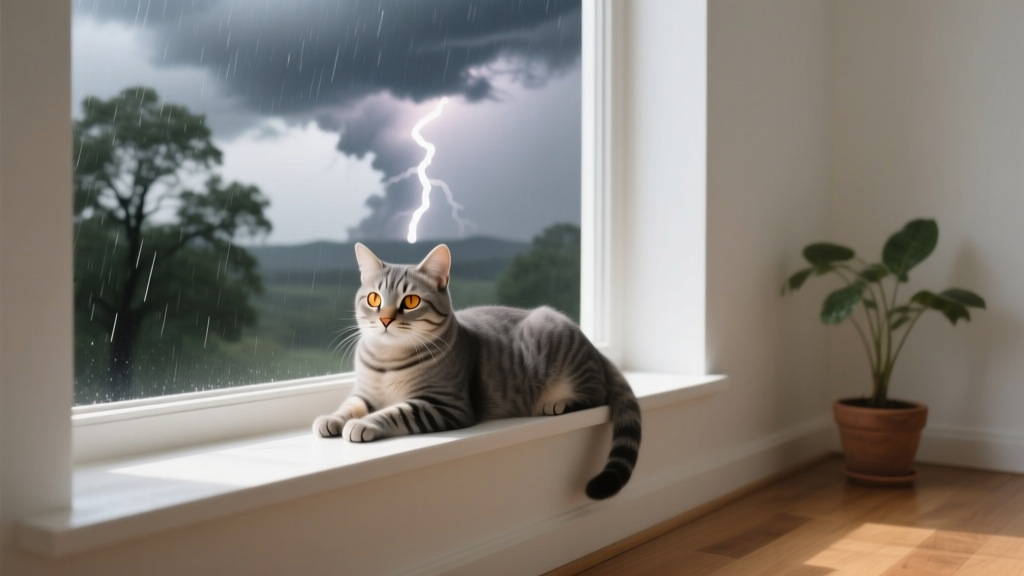
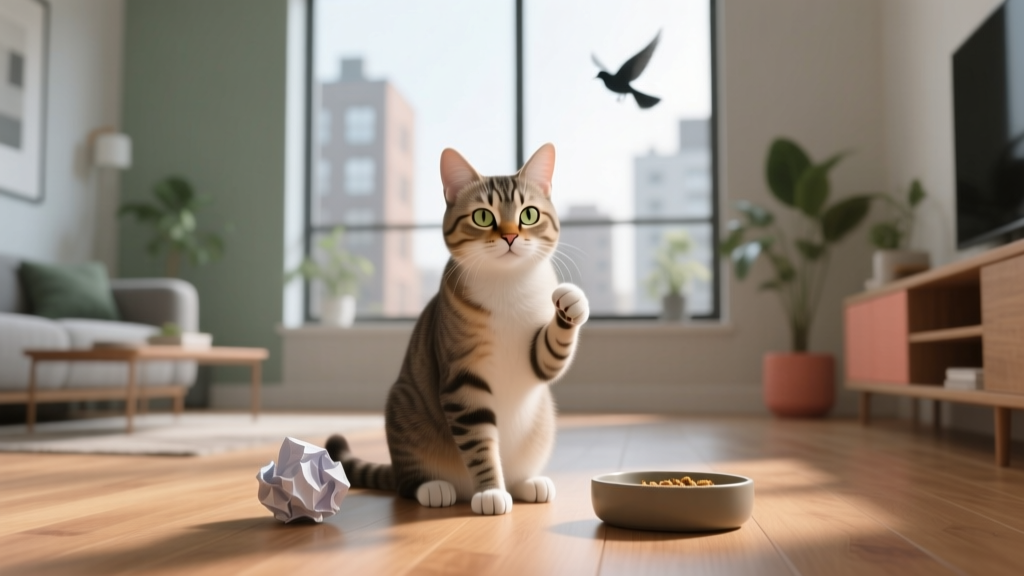
Seeing birds, squirrels, or neighborhood cats through windows is the #1 summer stressor for indoor cats—especially during long daylight hours. This ‘frustrated predator’ state elevates cortisol and can explode into aggression toward nearby humans or pets. Punishment worsens it; redirection works.
Try these vet-approved alternatives:
- Window Perch Redesign: Add vertical space (wall-mounted shelves) *above* the window—so cats observe from height, reducing territorial fixation. Line perches with cooling gel pads.
- Distraction Feeding: When outdoor activity peaks (dawn/dusk), offer puzzle feeders filled with frozen wet food cubes. The dual focus—licking + cooling—lowers arousal.
- Visual Barriers: Apply temporary frosted film to lower 12” of windows—blocks ground-level movement while preserving light. Avoid blinds that create ‘shadows moving’ (triggers prey drive).
- Desensitization Sessions: 2x/day, sit calmly near the window with treats. Reward calm observation (no tail flicking, no pupil dilation) with high-value tuna flakes. Never force proximity.
Dr. Lin notes: ‘If your cat hisses or flattens ears at the window, stop and retreat 3 feet. Success is measured in inches—not minutes.’
| Time of Day | Action | Tool/Resource Needed | Expected Outcome (Within 72 Hours) |
|---|---|---|---|
| 6:00–7:30 a.m. | Pre-dawn enrichment: 10-min interactive play + puzzle feeder with frozen food | Feather wand, treat-dispensing ball, frozen wet food cubes | Reduced early-morning vocalization; cat sleeps deeper post-play |
| 11:00 a.m.–2:00 p.m. | Cool zone check: Refresh chilled mats, rotate shaded napping spots, add ice pack to cat bed | Ceramic tile, gel pack, thin towel, cooling mat | Decreased panting/grooming intensity; increased midday rest |
| 5:30–6:30 p.m. | Dusk hunt simulation: Wand play + treat scatter on cool floor | Teaser toy, kibble or freeze-dried treats | Fewer nighttime ‘zoomies’; less furniture scratching |
| 9:00–10:00 p.m. | Calming wind-down: Gentle brushing + pheromone diffuser activation | Soft-bristle brush, Feliway Optimum diffuser | Softer purring, slower blink rate, easier handling |
Frequently Asked Questions
Does spraying my cat with water help cool them down?
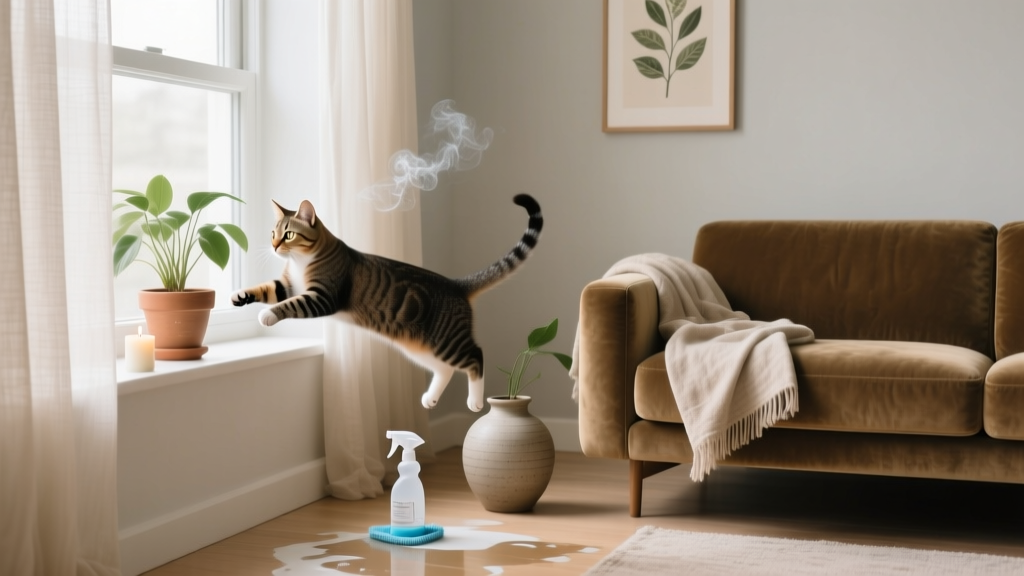
No—and it’s counterproductive. Cats have dense undercoats that trap moisture, leading to damp skin and potential fungal infections in humid weather. Water spraying also triggers fear-based aggression in many cats. Instead, use damp (not wet) cloths on ear tips, paw pads, and inner thighs—areas with less fur and more blood vessels—for gentle conductive cooling. Always pair with positive reinforcement (treats, praise) so it feels safe, not punitive.
My cat won’t drink more water in summer—should I force fluids?
Never force fluids—it causes stress and oral aversion. Focus on increasing moisture *through food*: switch to 100% wet food (75–80% water content vs. 10% in kibble), add bone broth (unsalted, no onion/garlic) to meals, or use a wide, shallow fountain (cats dislike whisker fatigue). Monitor hydration via skin elasticity (gently pinch scruff—if it snaps back slowly, seek vet care) and gum moisture (should be slick, not tacky).
Is it okay to shave my long-haired cat for summer?
No. A cat’s coat insulates against *both* heat and cold—and provides UV protection. Shaving removes this barrier, risking sunburn (especially on ears/nose), heatstroke, and skin trauma. Instead, brush daily to remove undercoat, use cooling vests *only* for short supervised periods, and prioritize environmental cooling. Breeds like Maine Coons naturally shed undercoat in spring—trust the process.
Why does my cat suddenly hate being petted in summer?
Heat amplifies tactile sensitivity. What felt soothing at 72°F may feel overwhelming at 85°F—especially on the back, where fur traps heat. Cats signal overload with tail thumping, flattened ears, or slow blinks turning into hard stares. Respect the ‘petting threshold’: stroke 3–5 times max, then pause. Offer chin scratches (cooler area) instead of full-body strokes. If avoidance persists >3 days, rule out pain (e.g., arthritis flares in heat) with your vet.
Can I use human cooling products like cooling gels or fans for my cat?
Use extreme caution. Human cooling gels often contain menthol or camphor—highly toxic if licked. Fans are safe *if* placed to create gentle airflow *around* (not directly on) your cat, and never with rotating blades accessible. Certified cat-safe options include K&H Pet Products Cool Bed III (pressure-activated gel) or PetSafe Frolicat Bolt (laser + automatic shut-off). Always supervise first use.
Common Myths About Summer Cat Behavior
Myth 1: “Cats don’t get heatstroke.”
False. Cats’ normal body temp is 100.5–102.5°F—so a rise to 105°F is life-threatening. Signs include rapid breathing (>40 breaths/min), drooling, vomiting, and stumbling. Unlike dogs, cats rarely pant until crisis stage. Immediate vet care is critical.
Myth 2: “If my cat is sleeping all day, they’re fine.”
Not necessarily. Lethargy *plus* refusal to eat/drink, hiding, or vocalizing in pain warrants same-day vet evaluation. Heat stress suppresses appetite—but sustained anorexia (>24 hrs) risks hepatic lipidosis.
Related Topics (Internal Link Suggestions)
- Cat Heatstroke First Aid Guide — suggested anchor text: "what to do if your cat shows heatstroke symptoms"
- Best Cooling Beds for Cats 2024 — suggested anchor text: "top vet-recommended cooling cat beds"
- Feline Anxiety Signs and Solutions — suggested anchor text: "how to tell if your cat is stressed"
- Homemade Cat Treats for Hot Weather — suggested anchor text: "hydrating summer cat treats recipe"
- Window Perch Safety Guide — suggested anchor text: "how to build a safe cat window perch"
Your Next Step Starts Today—No Waiting for ‘Perfect’ Conditions
You don’t need expensive gear or a full home renovation to implement how to control cats behavior summer care. Start tonight: pick *one* action from the care timeline table—whether it’s refreshing a cooling mat, adjusting a window film, or scheduling tomorrow’s pre-dusk play session. Small, consistent interventions rewire neural pathways faster than dramatic overhauls. As Dr. Torres reminds us, ‘Behavior change isn’t about dominance—it’s about trust, predictability, and meeting biological needs. Your cat isn’t misbehaving. They’re asking for help—in the only language they have.’ Download our free Summer Behavior Tracker to log patterns, celebrate wins, and share insights with your vet. Because calm, cool, confident cats aren’t born—they’re supported, every single summer day.