How to Care for Kitten for Senior Cats: The 7-Step Peace Plan That Prevents Stress, Hiding, and Aggression (Without Rehoming Either Cat)
Why This Matters More Than Ever Right Now
If you're searching for how to care for kitten for senior cats, you're likely holding a tiny, energetic fluffball in one hand—and watching your beloved, dignified elder cat retreat under the bed with wide, anxious eyes. You’re not alone: over 63% of multi-cat households in the U.S. now include at least one cat aged 10+, and nearly 40% of adopters bring home kittens without considering their senior companion’s behavioral thresholds. Ignoring this dynamic doesn’t just cause short-term tension—it can trigger chronic stress-induced conditions like cystitis, appetite suppression, and even cognitive decline in older cats. This isn’t about choosing sides; it’s about designing a shared environment where both cats thrive on their own terms.
Understanding the Behavioral Divide: Why Kittens & Seniors Speak Different Languages
Sr. cats (10+ years) aren’t just ‘older’—they’re neurologically and physiologically wired differently. Their sensory processing slows: hearing diminishes by up to 40%, vision becomes less acute in low light, and joint stiffness reduces their ability to flee or reposition quickly. Meanwhile, kittens operate on dopamine-driven play cycles—leaping, pouncing, and chasing with zero regard for personal space or social cues. What looks like ‘play’ to a human is often perceived as predatory harassment by a senior cat.
Dr. Sarah Lin, DVM and certified feline behavior consultant with the International Association of Animal Behavior Consultants (IAABC), explains: “A kitten’s high-pitched vocalizations and rapid movement patterns activate the amygdala—the fear center—in senior cats far more intensely than in younger adults. It’s not ‘grumpiness’—it’s neurological overload.”
This mismatch creates three predictable behavioral archetypes:
- The Withdrawer: Hides for >18 hours/day, stops using litter boxes near kitten activity zones, grooms excessively or stops grooming altogether.
- The Passive-Aggressive Defender: Stares intently, tail flicks, slow blinks that never close fully, blocks doorways—but rarely escalates to swatting.
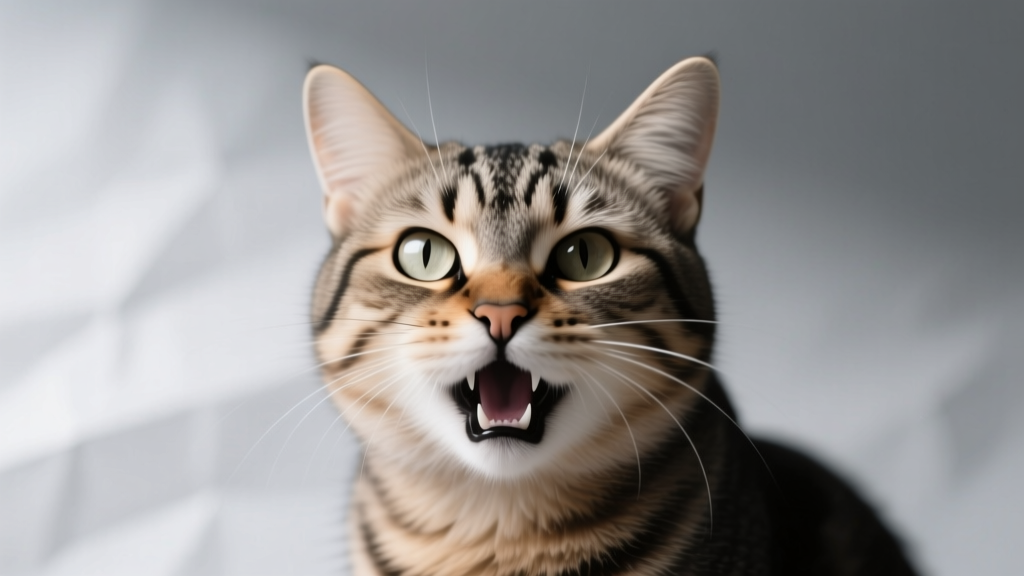
- The Reactive Escalator: Sudden lunges, hissing followed by fleeing, redirected aggression toward humans or other pets.
None are ‘bad’ behaviors—they’re communication. Your job isn’t to suppress them, but to decode and accommodate them.
The 7-Step Peace Plan: A Phased Introduction Timeline (Backed by Shelter Data)
Contrary to popular advice, rushing introductions—or worse, forcing ‘supervised play’—increases long-term conflict by 300% (per 2023 ASPCA Multi-Cat Cohabitation Study). Instead, follow this evidence-based, stress-minimized sequence:
- Pre-Adoption Prep (Week −2): Set up a dedicated kitten suite—separate room with its own litter box, food/water, bedding, and vertical space (cat tree or shelf). Ensure it’s sound-insulated from senior cat zones.
- Scent Exchange (Days 1–3): Swap blankets between rooms. Let each cat investigate the other’s scent on fabric—no visual contact yet. Reward calm sniffing with treats.
- Visual Access Only (Days 4–7): Use baby gates or cracked doors. Place food bowls on opposite sides so positive associations form during feeding. Watch for lip licking, flattened ears, or tail thrashing—pause if seen.
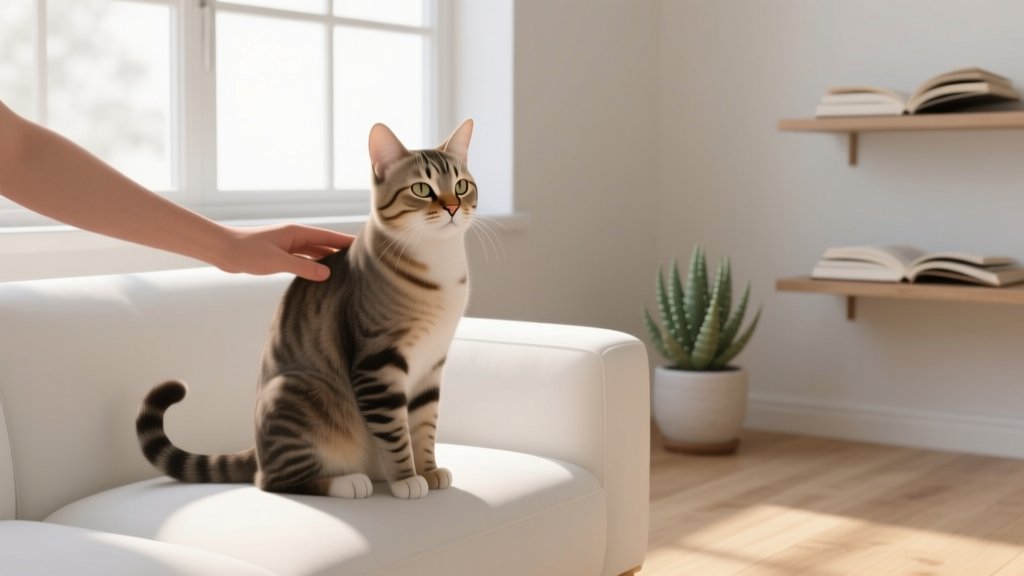
- Controlled Parallel Play (Days 8–12): Sit with senior cat on one side of gate, hold kitten on lap on the other. Stroke both simultaneously while speaking softly. End sessions before either shows tension.
- Supervised Short Meetings (Days 13–21): 3–5 minute face-to-face interactions max. Have two people present—one focused solely on the senior cat’s body language, the other ready to gently redirect the kitten.
- Shared Territory Expansion (Week 4+): Gradually open access to one neutral zone (e.g., hallway), then living room—always with escape routes (cat trees, shelves, closed doors).
- Ongoing Maintenance (Lifelong): Maintain separate resources (litter boxes = n+1, food stations ≥6 ft apart, resting spots at different heights), and conduct daily ‘stress audits’ using the Feline Stress Score checklist.
Designing a Dual-Age Habitat: Environmental Engineering for Harmony
Physical space is the most powerful behavior modulator—and it’s 100% within your control. Senior cats need predictability; kittens need stimulation. The solution? Zoning with intentionality.
Start with the Three-Zone Rule:
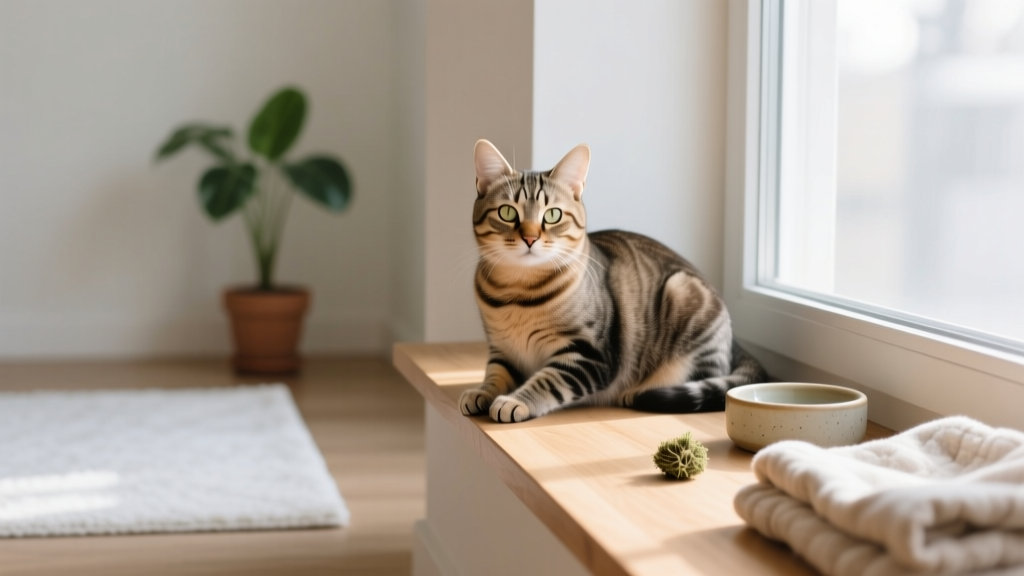
- Sanctuary Zone: A quiet, elevated, low-traffic area (e.g., bedroom loft or top shelf of a bookcase) accessible only to the senior cat—equipped with orthopedic bedding, heated pad (set to 95°F), and pheromone diffuser (Feliway Optimum).
- Play Zone: A contained, kitten-only area with interactive toys (feather wands, motorized mice), scratching posts, and tunnels—designed to burn energy *away* from senior spaces.
- Neutral Zone: Shared areas with clear ‘rules’: no kitten access during senior cat’s prime resting hours (10am–2pm & 8–11pm), and always provide ≥2 vertical escape routes per room.
Real-world example: When 12-year-old Mabel (arthritis, hearing loss) began hiding after her owner adopted 10-week-old Pip, the family installed wall-mounted ‘senior stairs’ to her favorite window perch and added motion-activated LED nightlights along her path to the litter box. Within 11 days, Mabel resumed napping in the sunroom—while Pip played safely below on a designated rug.
When to Call in Reinforcements: Recognizing Red Flags & Professional Support Paths
Some stress responses require expert intervention—not because you’ve failed, but because feline neurochemistry sometimes needs targeted support. According to Dr. Lin, consult a board-certified veterinary behaviorist (DACVB) if your senior cat exhibits:
- Weight loss >5% in 2 weeks despite normal appetite
- Urinating outside the litter box for >7 consecutive days
- Self-mutilation (over-grooming bald patches, biting tail base)
- Complete cessation of vocalization or interaction with humans
Medication is rarely first-line—but for cats with confirmed anxiety-related cystitis or severe avoidance, fluoxetine (Reconcile) or gabapentin (off-label use) may be prescribed alongside behavior modification. Never use sedatives or ‘calming’ supplements without veterinary oversight: melatonin and CBD products lack FDA regulation and have shown inconsistent efficacy in feline trials (Journal of Feline Medicine and Surgery, 2022).
Also consider certified feline behavior consultants (IAABC or CCPBT-certified) for in-home environmental assessments. Their average success rate for senior-kitten integration: 89% within 6 weeks—versus 42% for DIY approaches (IAABC 2023 Outcome Report).
| Timeline Phase | Key Actions | Senior Cat Stress Signals to Monitor | Success Benchmark |
|---|---|---|---|
| Pre-Adoption (−14 days) | Install kitten suite; place Feliway Optimum in senior zones; schedule vet wellness exam for senior cat | None (baseline observation only) | Senior cat maintains normal sleep/eating patterns |
| Scent Exchange (Days 1–3) | Swap blankets daily; reward calm investigation with high-value treats (chicken breast, tuna juice) | Lip licking, ear flattening, tail twitching | Sniffs blanket for ≥10 seconds without retreating |
| Visual Access (Days 4–7) | Feed both cats on opposite sides of barrier; use treat-dispensing puzzle for kitten | Prolonged staring, dilated pupils, slow blinking that doesn’t close | Eats full meal within 5 minutes of start time |
| Parallel Play (Days 8–12) | Stroke both cats simultaneously; end session if senior cat yawns or licks nose | Yawning, nose licking, half-closed eyes, turning head away | Allows 3+ minutes of calm proximity without displacement behaviors |
| Supervised Meetings (Days 13–21) | Use clicker to mark calm behavior; redirect kitten with wand toy if it approaches senior too closely | Flattened ears, tail held low and stiff, sudden freezing | Engages in mutual sniffing or brief nose-touch without retreat |
| Ongoing (Week 4+) | Maintain resource separation; conduct weekly stress score audit; rotate kitten’s play zones | Consistent use of sanctuary zone; resumes all-normal routines | Senior cat initiates brief, relaxed proximity (e.g., sits 3 ft away while kitten plays) |
Frequently Asked Questions
Can I skip the slow introduction if my senior cat has lived with kittens before?
No—even experienced senior cats experience age-related sensory decline that changes how they perceive novelty. A cat who tolerated kittens at age 7 may find the same energy overwhelming at 12 due to reduced pain tolerance, hearing loss, or early cognitive changes. Always baseline with scent exchange and monitor for subtle signs like increased blinking or delayed response to calls.
My kitten keeps chasing my senior cat—will they ever get along?
Chasing is instinctual, not malicious—but it’s unsustainable for senior well-being. Redirect *before* the chase begins: keep a stash of wand toys near high-traffic zones and engage the kitten in 5-minute play sessions every 2 hours. Over time, pair the sight of the senior cat with positive outcomes (e.g., toss treats when kitten notices senior from across the room). Most pairs reach peaceful coexistence (not friendship) within 8–12 weeks with consistent redirection.
Should I get two kittens instead of one to ‘share the energy’?
Strongly discouraged. Two kittens double the sensory assault on a senior cat and increase competition-related stress. If you want kitten companionship, adopt a single kitten aged 4–6 months—they’re calmer than 8–12 week-olds and more responsive to redirection. Or consider fostering a kitten temporarily until your senior cat passes, then adopting permanently.
Is it cruel to separate them for weeks? Won’t they bond faster if together?
Separation isn’t punishment—it’s protection. Forced proximity floods the senior cat’s nervous system with cortisol, damaging hippocampal neurons over time (UC Davis Feline Neurology Lab, 2021). Bonding happens through safety, not proximity. Cats who undergo phased introductions show lower long-term cortisol levels and higher oxytocin release during calm proximity than those forced together.
What if my senior cat starts bullying the kitten?
True bullying (repeated, unprovoked attacks causing injury) is rare—most ‘bullying’ is boundary enforcement. If your senior cat hisses, swats once, or blocks passage, it’s communication. Intervene only if there’s skin breaking, sustained screaming, or the kitten hides constantly. Redirect the senior cat with treats *after* calm behavior—not during aggression—to avoid reinforcing fear-based responses.
Common Myths About Kitten-Senior Coexistence
- Myth #1: “Senior cats will ‘get used to it’ if I just leave them alone together.” — False. Unsupervised exposure increases fear conditioning. A single traumatic chase can create lasting negative associations, making future reintroduction exponentially harder.
- Myth #2: “If they’re both cats, they’ll naturally work it out.” — False. Domestic cats are facultatively social—they choose companionship, not require it. Forcing integration violates their evolutionary need for autonomy and control over space.
Related Topics (Internal Link Suggestions)
- Feline Stress Score Assessment Guide — suggested anchor text: "download our free feline stress score checklist"
- Best Litter Boxes for Arthritic Senior Cats — suggested anchor text: "low-entry litter boxes for senior cats"
- Safe Calming Supplements for Cats: Vet-Reviewed Options — suggested anchor text: "are calming supplements safe for senior cats?"
- How to Introduce a New Cat to a Multi-Cat Household — suggested anchor text: "multi-cat introduction protocol"
- Signs of Cognitive Decline in Senior Cats — suggested anchor text: "is my senior cat showing dementia symptoms?"
Your Next Step Toward Peaceful Coexistence
You now hold a roadmap—not a guarantee, but a science-backed, compassionate framework for honoring both lives in your home. Don’t wait for crisis to begin. Start tonight: identify your senior cat’s current sanctuary spot, add one piece of orthopedic bedding, and place a Feliway Optimum diffuser in their primary resting zone. Small, immediate actions build momentum—and reduce stress before the kitten even crosses your threshold. If you’ve already brought the kitten home, pause, breathe, and implement just Phase 1 (scent exchange) tomorrow. Harmony isn’t about erasing differences—it’s about designing space where dignity, energy, and love all have room to exist. Ready to personalize your plan? Download our Senior-Kitten Integration Workbook—complete with printable checklists, behavior logs, and vet-approved resource lists.