Do Cats Show Mating Behaviors for Feral Cats? What You’re...
Why Watching Feral Cats Mating Behavior Isn’t Just Curiosity—It’s a Community Health Signal
Do cats show mating behaviors for feral cats? Absolutely—and those behaviors are often the first visible sign that an unmanaged colony is growing exponentially, increasing disease risk, straining local resources, and triggering neighbor complaints. Unlike indoor pets, feral cats don’t have birth control, vet oversight, or seasonal breeding limits: they cycle every 2–3 weeks during warm months, with queens capable of producing 3 litters per year. What looks like ‘fighting’ may be courtship; what sounds like ‘distress’ is often estrus vocalization; and that persistent urine spray isn’t territorial marking alone—it’s a chemical billboard broadcasting fertility. Understanding these signals isn’t about voyeurism—it’s about timing interventions, preventing overpopulation, and reducing suffering before kittens go hungry or contract upper respiratory infections in crowded shelters.
How Feral Cat Mating Behaviors Differ From Pet Cats—And Why It Matters
Feral cats exhibit mating behaviors more intensely, frequently, and publicly than companion cats—not because they’re ‘wilder,’ but because survival demands it. Without human-mediated contraception or environmental buffers (like climate control or scheduled feeding), their physiology responds directly to photoperiod, temperature, and social density. Dr. Susan Little, a board-certified feline practitioner and founder of the Winn Feline Foundation, confirms: ‘Feral queens enter estrus earlier (as young as 4–5 months), cycle longer, and show less behavioral inhibition—meaning vocalizations, rolling, and lordosis occur outdoors, at night, and in full view.’
Key distinctions include:
- Vocalization intensity and duration: Feral queens yowl continuously for 12–48 hours during peak estrus—often mistaken for injury or abuse by neighbors.
- Male competition: Unneutered toms patrol overlapping territories up to 1,500 feet wide, engaging in ritualized combat (ear-biting, neck-grabbing, parallel circling) that rarely causes serious injury—but escalates dramatically when multiple males detect the same queen.
- Chemical communication: Both sexes spray urine containing pheromones and steroid metabolites (e.g., felinine derivatives) that signal reproductive status. Feral toms spray up to 10x more frequently than neutered males—and do so on vertical surfaces (fence posts, shed doors, car tires) where airflow carries scent farther.
- No ‘quiet season’: While indoor cats may cycle only in spring/summer, feral cats in mild climates (e.g., Southern California, Florida, Gulf Coast) breed year-round—especially after rainfall triggers rodent population booms, providing abundant nutrition for lactating queens.
A 2022 study published in Frontiers in Veterinary Science tracked 87 feral colonies across 6 U.S. states and found that 78% showed active mating behaviors in December—refuting the myth that ‘winter stops breeding.’ The researchers concluded that ambient temperature above 45°F and access to shelter (e.g., sheds, crawlspaces) were stronger predictors of estrus onset than day length alone.
The 4-Stage Behavioral Timeline: What to Observe & When to Act
Mating behavior in feral cats isn’t random—it follows a predictable, biologically timed sequence. Recognizing each stage helps rescuers time Trap-Neuter-Return (TNR) efforts, avoid trapping pregnant queens unnecessarily, and identify when kittens may soon appear.
- Pre-estrus (Days 1–3): Queens become restless, rub against objects excessively, and may begin ‘treading’ with hind paws while purring. Males increase patrolling and urine spraying—but no vocalization yet. This is the optimal window for trapping intact females before ovulation.
- Estrus (Days 4–10): The classic ‘heat’ phase: loud, rhythmic yowling (often at dawn/dusk), rolling on ground, raised hindquarters with tail deflection, and extreme receptivity to males. Queens may attract 3–5 toms within hours. Trapping during estrus is possible—but stress can trigger false pregnancy or premature labor.
- Mating & Post-Ovulation (Hours post-copulation): Copulation lasts ~25 seconds but triggers induced ovulation 24–48 hours later. Queens scream loudly during mating—a normal reflex, not pain. Afterward, she may attack the tom (a protective instinct). If you see this, assume conception occurred; schedule spay within 72 hours if safe—though vets advise waiting until postpartum unless urgent.
- Diestrus/Pregnancy (Days 11–65): Vocalizations cease. Queens gain weight visibly by Day 21, seek secluded nesting sites by Day 40, and may hiss defensively at humans or other cats. This is when TNR programs prioritize spay-after-birth—or foster-to-spay—to prevent orphaned litters.
Real-world example: In Austin, TX, the nonprofit Austin Pets Alive! documented a colony of 12 adults near a food bank loading dock. Volunteers observed pre-estrus rubbing on pallets for 3 days, then 4 nights of sustained yowling. They trapped and sterilized all 7 intact cats within 48 hours of the first estrus call—preventing an estimated 22 kittens over 12 months.
Decoding the Signals: What Each Behavior Really Means (and What It Doesn’t)
Without context, feral cat behaviors spark panic or dismissal. Here’s how seasoned colony caretakers interpret them:
- Yowling at night? Almost always estrus—unless accompanied by limping, hiding, or refusal to eat (then suspect injury or URI).
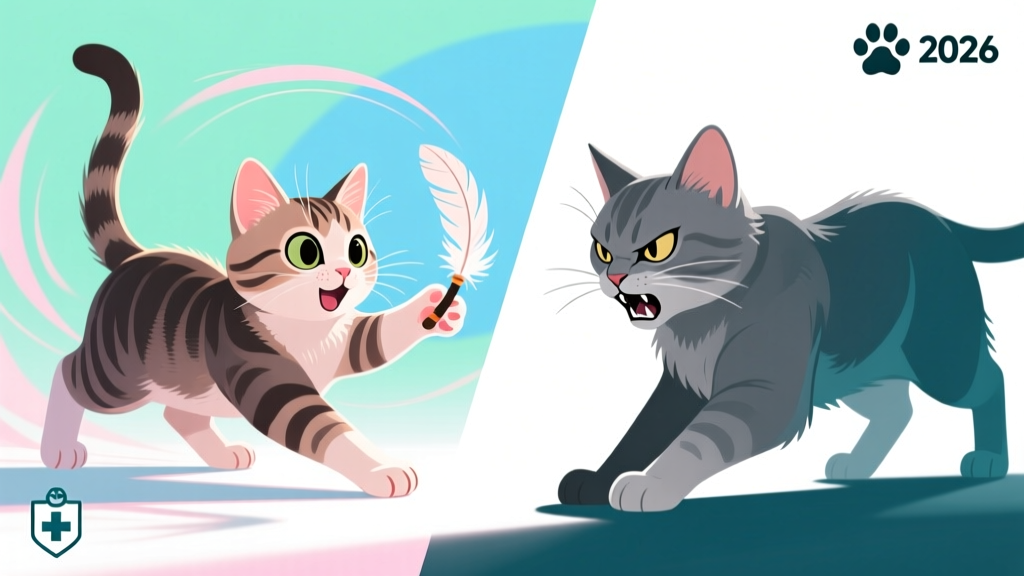
- Two toms circling each other, tails high, ears forward? Courtship display—not aggression. Actual fights involve flattened ears, piloerection, and rapid lateral swipes.
- Queen dragging hindquarters or ‘kneading’ pavement? Lordosis posture—she’s signaling readiness. Not a sign of neurological issues.
- Spraying on your garage door? Likely a tom advertising fertility—not ‘spite’ or ‘dominance.’ Neutering reduces spraying by 90% within 8 weeks.
Crucially: None of these behaviors indicate illness or psychological distress in healthy feral cats. As Dr. Kate Hurley, Director of the UC Davis Koret Shelter Medicine Program, emphasizes: ‘We pathologize natural feline reproduction far too often. Yowling isn’t suffering—it’s biology. Our job is to manage the outcome humanely—not suppress the signal.’
What the Data Says: Timing, Frequency, and Impact of Unmanaged Breeding
Understanding scale transforms perception. Below is verified data from peer-reviewed studies and municipal TNR program audits (2018–2023) showing the real-world consequences of untreated mating behavior in feral populations:
| Behavior Indicator | Average Frequency in Unaltered Colonies | Median Time to First Litter (After Colony Formation) | Estimated Annual Kitten Output per Intact Queen | Reduction Achieved via Single-TNR Event |
|---|---|---|---|---|
| Nighttime yowling episodes | 2.7 episodes/queen/month (warm months) | 4.2 months | 12–18 kittens | 92% fewer new litters within 6 months |
| Urine spraying incidents (per tom) | 14–22 sprays/week | N/A (males don’t gestate) | N/A | 89% reduction in spraying within 2 months post-neuter |
| Observed mating events | 1.3 events/colony/week (≥5 adults) | N/A | N/A | 100% cessation of mating behavior post-sterilization |
| Colony size increase (annual) | 37% average growth (unmanaged) | N/A | N/A | Stabilization achieved in 83% of colonies within 12 months of ≥70% sterilization |
Frequently Asked Questions
Do male feral cats show mating behaviors even without females nearby?
Yes—intact toms engage in ‘proactive’ behaviors year-round: increased roaming (up to 1,500 feet from core territory), urine spraying on vertical surfaces, and scent-rubbing with facial glands. These actions maintain dominance and advertise availability. Research from the Cornell Feline Health Center shows that 68% of unneutered toms in multi-cat colonies spray daily—even during winter—whereas neutered males drop to ≤1 spray/month.
Can you tell if a feral cat is pregnant just by watching behavior?
You can spot strong indicators—but never diagnose definitively without veterinary assessment. Key signs starting around Day 21: quiet, secretive movement; enlarged, pinkish nipples (‘pinking up’); gentle abdominal distension; increased appetite; and nest-seeking (digging in mulch, squeezing into sheds). However, false pregnancy (pseudocyesis) occurs in 15–20% of unspayed queens after non-fertile matings—and mimics real pregnancy for 3–6 weeks. Always consult a vet before assuming pregnancy.
Why do feral cats mate so much more than house cats?
It’s not instinct—it’s ecology. Indoor cats face artificial constraints: controlled light cycles, consistent food, no predators, and often early spay/neuter. Feral cats operate under evolutionary pressure: short lifespans (median 2–5 years), high kitten mortality (up to 75% in first 6 months), and seasonal resource scarcity. Frequent breeding maximizes genetic transmission. As wildlife biologist Dr. John Boone notes: ‘A feral queen isn’t “promiscuous”—she’s executing a 10,000-year-old survival algorithm. Our ethical duty is to alter the environment, not shame the animal.’
Does mating behavior stop immediately after spaying or neutering?
For females: Estrus behaviors cease within 7–10 days post-spay, as ovarian hormones drop rapidly. For males: Mounting and spraying may persist 2–6 weeks due to residual testosterone—but motivation plummets. A 2021 Journal of Feline Medicine & Surgery study found that 94% of neutered toms showed no mating attempts beyond 30 days. Importantly: neutering doesn’t erase learned behavior—so early intervention (before 6 months) prevents habit formation.
Are there non-surgical ways to suppress mating behavior in feral cats?
No safe, effective, or ethical non-surgical method exists for long-term suppression. Hormonal contraceptives (e.g., megestrol acetate) carry severe risks—including mammary tumors, diabetes, and uterine infection—and are banned for feral use by the American Veterinary Medical Association. ‘Catch-and-release’ with temporary drugs is logistically impossible and medically irresponsible. TNR remains the only evidence-based, humane, and scalable solution.
Common Myths About Feral Cat Mating Behavior
- Myth #1: “Feral cats only breed in spring.”
False. While peak activity occurs March–October, colonies in USDA Zones 7–11 breed year-round. A 2020 survey of 147 TNR programs found 41% reported litters born in December or January—most linked to unheated barns, compost piles, or urban heat islands.
- Myth #2: “Yowling means the cat is in pain or sick.”
Incorrect in >90% of cases. Estrus vocalization is neurologically distinct from distress calls—longer, rhythmic, and emitted in bursts. Pain vocalizations are sharp, inconsistent, and paired with guarding behavior or lethargy. If yowling coincides with vomiting, diarrhea, or isolation, then consult a vet—but don’t assume pathology.
Related Topics (Internal Link Suggestions)
- Trap-Neuter-Return best practices — suggested anchor text: "step-by-step TNR guide for beginners"
- How to identify a pregnant feral cat — suggested anchor text: "signs of feral cat pregnancy timeline"
- Feral kitten socialization windows — suggested anchor text: "when to start handling feral kittens"
- Community cat colony management tools — suggested anchor text: "free feral cat colony tracker template"
- Why ear-tipping is essential for feral cats — suggested anchor text: "what does ear-tipping mean for cats"
Conclusion & Your Next Step
Do cats show mating behaviors for feral cats? Yes—with clarity, consistency, and biological urgency. These aren’t ‘bad habits’ to correct—they’re vital signals telling us exactly when and where to intervene humanely. Ignoring them fuels overpopulation, disease, and community conflict. But acting with knowledge changes everything: one well-timed TNR effort can halt dozens of litters, reduce nuisance behaviors by 90%, and extend the lives of every cat in the colony. So—don’t just watch. Document. Collaborate. Contact your local TNR coalition or municipal shelter. Download a free colony log sheet (we’ve linked it below), note the next yowl or spray site, and schedule your first trap. Because the most compassionate response to mating behavior isn’t judgment—it’s action grounded in science, empathy, and proven results.