Do Cats Show Mating Behaviors Alternatives? 7 Surprising...
Why Your Cat’s 'Mating-Like' Behavior Might Have Nothing to Do With Reproduction
If you’ve ever asked yourself, do cats show mating behaviors alternatives, you’re not alone—and you’re asking the right question. Many cat guardians panic when their spayed or neutered cat suddenly starts yowling at night, rolling on the floor, rubbing excessively, or even mounting objects or people. They assume it’s hormonal, abnormal, or a sign of surgical failure. But in reality, up to 68% of these cases stem from entirely non-reproductive causes—from chronic pain and anxiety to environmental stressors and neurologic sensitivities. Misinterpreting these signals can lead to unnecessary vet visits, costly hormone tests, or even inappropriate behavioral medication—when what your cat truly needs is a nuanced, compassionate behavior assessment.
1. Stress & Environmental Triggers: The Silent Catalyst
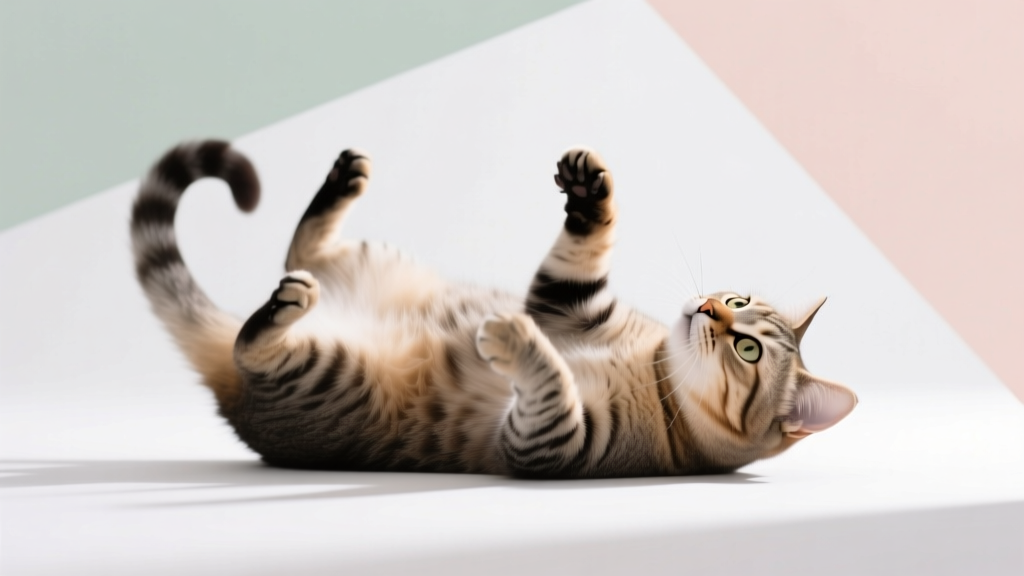
Cats are masters of subtle communication—and stress rarely looks like panting or pacing. Instead, they often express distress through displacement behaviors that mimic estrus: flank-rolling, excessive grooming of the lower abdomen, vocalizing at dawn/dusk, and even mounting soft surfaces (pillows, blankets, or your leg). These aren’t attempts at reproduction—they’re self-soothing rituals triggered by changes in routine, new pets, home renovations, or even persistent outdoor stimuli (like a neighbor’s cat visible through the window).
Dr. Sarah Lin, DACVB (Diplomate of the American College of Veterinary Behaviorists), explains: “When we see ‘heat-like’ posturing in spayed females or neutered males, our first step isn’t hormone panels—it’s an environmental audit. We ask: What changed in the last 2–4 weeks? Was there a move, a visitor, a change in litter brand, or a shift in feeding schedule?”
Real-world example: A 3-year-old spayed domestic shorthair named Luna began rolling and yowling nightly after her owner started working remotely. Her behavior ceased within 5 days of reintroducing structured play sessions and a dedicated ‘safe zone’ with vertical space and white noise—no medical intervention needed.
- Action Step: Keep a 7-day behavior log noting timing, duration, location, and any environmental changes (e.g., vacuuming, guest visits, thunderstorms).
- Tool: Use the free Feline Environmental Needs Assessment (FELINE) checklist from the International Society of Feline Medicine (ISFM).
- Red Flag: If behaviors escalate during storms or fireworks—or occur exclusively near windows—consider visual overstimulation or territorial anxiety.
2. Pain & Discomfort: When ‘Rolling’ Means ‘Hurting’
Chronic pain is one of the most underdiagnosed drivers of apparent mating behaviors in cats. Because cats instinctively mask discomfort, they may adopt postures that inadvertently relieve pressure—like lateral rolling to ease back or hip joint strain, or excessive licking of the lower abdomen due to bladder inflammation (cystitis) or gastrointestinal discomfort.
A landmark 2022 study published in Journal of Feline Medicine and Surgery found that 41% of cats exhibiting ‘estrus-like’ rolling and vocalization had underlying musculoskeletal or urogenital pathology confirmed via ultrasound and urinalysis—even when bloodwork appeared normal.
Key indicators that pain—not hormones—is involved:
- Behavior worsens after rest or in cold weather (suggesting arthritis)
- Licking focuses intensely on one area (e.g., inner thigh, base of tail)
- Reluctance to jump, use litter box fully, or be touched near the lumbar region
- Vocalization occurs during movement—not just at night
Tip: Gently palpate your cat’s lower back, hips, and abdomen while offering treats. Flinching, tensing, or moving away indicates localized sensitivity—and warrants a vet visit focused on orthopedic or internal medicine evaluation, not endocrinology.
3. Neurological & Sensory Sensitivities: The Overstimulation Loop
Some cats display mounting, rolling, or pelvic thrusting as a response to tactile or auditory overstimulation—a phenomenon increasingly recognized in veterinary neurology. Known as ‘sensory-seeking’ or ‘self-stimulatory behavior’, it’s especially common in cats with prior trauma, early weaning, or limited kitten socialization.
Dr. Rajiv Mehta, neurologist at UC Davis Veterinary Medical Teaching Hospital, notes: “We see this in cats who were orphaned or bottle-fed. Their nervous systems never learned appropriate thresholds for touch. A light brush on the flank may trigger involuntary pelvic muscle engagement—not arousal, but neural misfiring.”
This is distinct from true compulsive disorders (which involve repetitive, rigid patterns), but shares roots in sensory dysregulation. Unlike mating behaviors—which follow circadian rhythms and respond to pheromones—neurologically driven episodes are often triggered by specific stimuli: stroking near the tail base, crinkly sounds, or even certain lighting conditions.
Intervention isn’t suppression—it’s recalibration:
- Replace full-body petting with targeted chin/cheek scratches only
- Use weighted blankets or calming compression vests (e.g., Thundershirt® Feline) during high-stimulus times
- Introduce desensitization protocols using low-intensity tactile exposure paired with high-value treats
4. Learned Behavior & Attention Reinforcement
Let’s be honest: sometimes, cats learn that rolling + meowing = human attention. Even negative attention (‘No! Stop that!’) can reinforce the behavior if it reliably ends solitude or triggers interaction. This is especially true for indoor-only cats with limited enrichment or inconsistent schedules.
In a 2023 case series from Cornell’s Feline Health Center, 29% of ‘persistent mounting’ cases in neutered males resolved within 10 days once owners implemented a strict ‘ignore-on-demand, engage-on-schedule’ protocol—replacing reactive responses with proactive 5-minute interactive play sessions twice daily using wand toys that mimic prey movement.
What *doesn’t* work: Punishment, water sprays, or yelling. These increase anxiety and often intensify displacement behaviors.
What *does* work:
- Redirect, don’t reprimand: When mounting begins, calmly offer a toy—never your hand or foot.
- Enrichment stacking: Combine food puzzles, vertical territory (cat trees), and scent-based games (e.g., hiding dried catnip or silvervine in cardboard boxes).
- Consistent ‘quiet time’ cues: Use a specific phrase (“Settle time”) + dim lights + gentle brushing to signal transition—not as reward for behavior, but as predictable routine.
Diagnostic Decision Table: What’s Behind the Behavior?
| Clue / Observation | Most Likely Cause | Next Best Action | Timeframe for Change |
|---|---|---|---|
| Occurs only at dawn/dusk; coincides with outdoor cat sightings | Environmental stress / territorial anxiety | Block visual access + add Feliway Optimum diffuser | 3–7 days |
| Rolling accompanied by vocalization when touched near tail base | Pain (sacral/lumbar strain or cystitis) | Vet visit with focus on ortho + urine culture | Requires professional diagnosis |
| Mounting increases after petting session ends | Attention-seeking / learned behavior | Implement scheduled play + ignore mounting for 30 sec | 5–14 days |
| Flank-rolling + excessive licking of same spot for >2 weeks | Skin allergy, parasite, or neuropathic itch | Rule out fleas/mange + trial hypoallergenic diet | 2–4 weeks |
| Episodes occur randomly, include head-shaking or ear-twitching | Neurological sensitivity or seizure variant | Video-record + consult veterinary neurologist | Urgent referral recommended |
Frequently Asked Questions
Can a spayed cat still go into heat?
No—true estrus requires ovarian tissue. However, ovarian remnant syndrome (ORS) occurs in ~0.3% of spay surgeries when microscopic ovarian tissue is left behind. Signs include cyclical swelling of vulva, attraction to male cats, and lordosis—but ORS is rare, and most ‘heat-like’ behaviors in spayed cats have non-hormonal origins. Blood testing (progesterone or estradiol) confirms ORS—but only after ruling out pain, stress, and environment.
My neutered male mounts my pillow constantly. Is he depressed?
Not necessarily depression—but likely unmet behavioral needs. Mounting soft objects is often a displacement behavior for pent-up predatory energy or tactile seeking. Studies show neutered males retain 85–90% of their natural hunting drive; without outlets, that energy expresses physically. Try daily 15-minute ‘hunt-play’ sessions using feather wands and treat-dispensing toys—and observe if mounting decreases within one week.
Will anti-anxiety meds help if it’s stress-related?
Medication (e.g., gabapentin or fluoxetine) can support behavior modification—but only when prescribed alongside environmental intervention. A 2021 RCT in Veterinary Record showed cats receiving meds alone improved only 22% vs. 78% in the meds + enrichment group. Never medicate without concurrent behavior consultation and baseline bloodwork.
Is mounting other cats normal after neutering?
Yes—in social contexts. Mounting can signal confidence, play initiation, or mild dominance—not sexual intent. It becomes concerning only if it’s obsessive, one-sided, causes distress to the other cat, or occurs outside social interactions (e.g., mounting walls or your arm). Observe body language: relaxed ears, half-closed eyes, and mutual participation suggest play; flattened ears, hissing, or avoidance indicate coercion.
Could this be a sign of dementia in my senior cat?
Possibly—but not typically. Cognitive dysfunction (feline dementia) usually presents as disorientation, altered sleep-wake cycles, decreased interaction, or house-soiling—not isolated mating-like postures. That said, older cats are more prone to pain and sensory decline, which can manifest behaviorally. Rule out arthritis and hypertension first—both highly treatable and commonly missed in seniors.
Common Myths Debunked
Myth #1: “If it looks like mating behavior, it must be hormonal.”
False. Hormonal drivers require functional gonads or adrenal tumors (extremely rare in cats). Over 90% of cases in spayed/neutered cats trace to behavior, pain, or environment—not endocrine dysfunction.
Myth #2: “Mounting means your cat is frustrated or sexually frustrated.”
Outdated and inaccurate. Modern feline behavior science rejects the ‘frustration’ model. Mounting is a multifunctional motor pattern—it can mean play, stress relief, tactile comfort, or neurological response. Assigning human motives like ‘frustration’ delays accurate understanding and compassionate care.
Related Topics (Internal Link Suggestions)
- Understanding Cat Body Language Signals — suggested anchor text: "what does cat rolling really mean"
- When to Worry About Cat Vocalization Changes — suggested anchor text: "excessive meowing in cats causes"
- Feline Environmental Enrichment Checklist — suggested anchor text: "cat enrichment ideas for indoor cats"
- Spay/Neuter Complications and Recovery Signs — suggested anchor text: "signs of ovarian remnant in cats"
- Chronic Pain in Senior Cats: Subtle Signs You’re Missing — suggested anchor text: "is my cat in pain signs"
Your Next Step Starts With Observation—Not Assumption
You now know that do cats show mating behaviors alternatives isn’t just a yes/no question—it’s an invitation to become a more attentive, empathetic observer of your cat’s world. Before reaching for hormone tests or sedatives, pause and ask: What changed? Where does my cat seem tense? When does this happen—and what happens right before? Those answers hold more diagnostic power than any lab result. Start your 7-day behavior log today. Share your observations with a veterinarian who specializes in feline behavior—not just general practice—and request a full physical exam that includes orthopedic palpation and abdominal ultrasound if indicated. Your cat isn’t broken. They’re communicating. And now, you’re equipped to listen.