Why Cats Sit on Your Pillow After You Leave
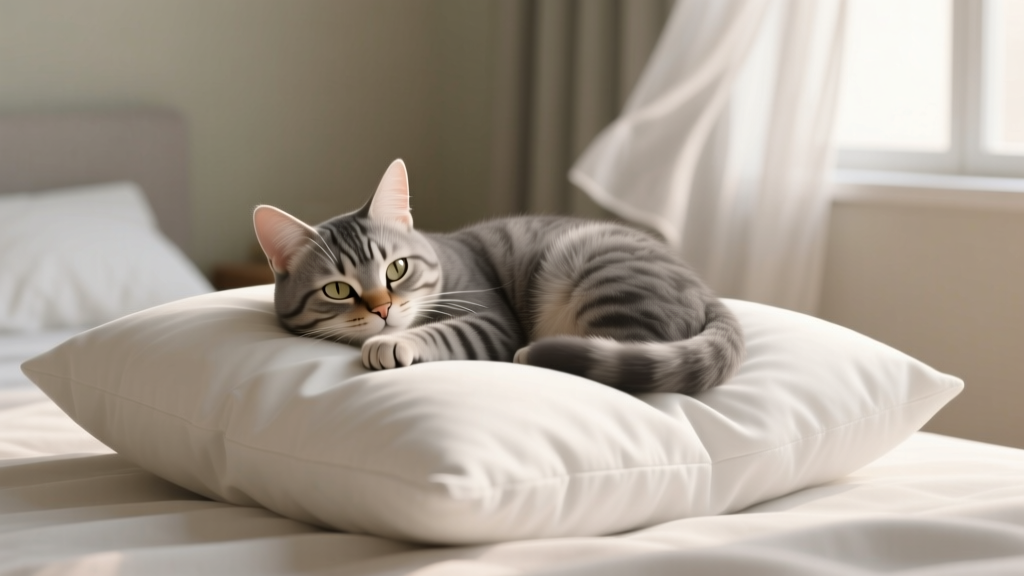
You make the bed (or at least you straighten it a little), grab your keys, and head out. A few minutes later, you check the pet camera—because of course you do—and there’s your cat, calmly loafed on your pillow like they’ve booked a spa day in your exact spot.
If you’ve ever wondered, “Why my pillow?” you’re not alone. It’s one of those oddly specific cat choices that feels deeply personal. The good news: in most cases, it is personal—just not in the way people sometimes fear. Cats aren’t usually doing this to be “spiteful” or “dramatic.” They’re being cats: scent-driven, security-seeking, and very particular about comfort.
Here’s what’s really going on when your cat parks themselves on your pillow after you leave.
1) The science and evolution behind the pillow obsession
Cats experience the world through scent the way humans experience it through sight and language. A pillow is a concentrated “you” object: your hair, skin oils, laundry detergent, shampoo, and even your breath all collect there. To your cat, your pillow isn’t just fabric—it’s a scent billboard that says safe person lives here.
From an evolutionary perspective, scent is a survival tool. Wild and free-living cats use scent to:
- Mark territory (by rubbing cheeks, scratching, or even simply resting in a spot)
- Recognize group members and reduce conflict through shared “colony scent”
- Find safety by staying close to familiar odor cues
Your home is your cat’s territory, but it’s also a changing landscape. When you leave, a major “resource” disappears: you. Sitting on your pillow keeps your scent close, which can help your cat regulate stress and feel anchored while you’re gone.
2) A detailed breakdown: different reasons cats choose your pillow
Not every cat is sitting on your pillow for the exact same reason. Often it’s a blend. Here are the most common “pillow motivations,” with real-life scenarios you might recognize.
Scent-soothing: “This smells like my person.”
Your cat may curl into a tight cinnamon roll on your pillow right after you leave. This is classic comfort behavior. Your scent can act like a security blanket—especially for cats who are very bonded to one person or who are naturally cautious.
You might notice: slow blinks on the camera, kneading the pillowcase, purring when they’re alone (yes, some cats do), or choosing the pillow even when other cozy beds exist.
Heat and softness: “This is the premium lounge.”
Pillows are soft, slightly elevated, and often warmer than other spots. If you sleep there, it retains heat and has a “nest-like” feel. In the cat world, warm, soft, and protected = excellent napping real estate.
Classic scene: You get up to use the bathroom, come back, and your cat has taken your exact spot—like they were timing you.
Territory management: “This spot is part of my core zone.”
In cat geography, some areas are “core territory” (safe, frequently used), while others are “outer territory” (less secure, more patrolled). Your bed—and particularly your pillow—often sits at the heart of your cat’s safest zone.
When you leave, your cat may intensify their use of core territory. It’s not dominance over you; it’s stabilization of their environment.
Social bonding: “We share scent, so we belong together.”
Cats in friendly social groups often develop a shared scent profile through rubbing and close sleeping. By resting where you rest, your cat is participating in a kind of scent-based togetherness.
If your cat also head-bunts you, rubs their cheeks on your legs, or sleeps near your head when you’re home, the pillow behavior is likely a continuation of that bond.
Attention strategy (learned behavior): “When I sit here, my human reacts.”
If you tend to return and say, “Aww, were you on my pillow?” and give pets, your cat may learn that pillow time leads to attention. Cats are excellent at noticing patterns—especially those involving snacks, affection, or doors opening.
Anxiety coping: “I’m not sure where you went.”
For some cats, your departure is a noticeable event. Sitting on your pillow can be a self-calming behavior when they feel uncertain. Think of it as your cat choosing the most reassuring scent source in the house.
3) What it means about your cat’s mood and feelings
Your cat on your pillow can mean several things emotionally. Here’s a simple “translation guide” based on body language and context.
- Relaxed loaf, half-closed eyes: calm, comfortable, secure. Your pillow is a safe base.
- Curled tightly with nose tucked: seeking comfort, conserving warmth, possibly mildly stressed or simply very sleepy.
- Kneading the pillow: self-soothing and contentment; sometimes also a sign of strong attachment.
- Restless shifting, frequent getting up: mild anxiety, vigilance, or reacting to noises outside.
- Vocalizing near the bedroom door then moving to the pillow: “I noticed you’re gone and I’m coping the best way I know.”
Most of the time, this behavior says: Your cat finds you familiar and safe. It’s one of the nicer “compliments” cats give—subtle, but meaningful in feline terms.
4) Related behaviors you might also notice
If your cat loves your pillow, you may see other scent-and-security habits that are part of the same pattern:
- Sitting on your clothes (fresh laundry is especially irresistible)
- Sleeping in your shoes or on your side of the couch
- Rubbing their cheeks on your phone or laptop (mixing their scent with yours)
- Following you to the bathroom (social proximity + predictable routine)
- “Guarding” your spot when guests sit there
- Sleeping near your head at night (warmth, scent, and a sense of connection)
These aren’t random quirks—they’re variations on the same feline themes: scent familiarity, comfort, and social bonding.
5) When sitting on your pillow is normal vs. a concern
Normal (and very common):
- Your cat naps on your pillow while you’re gone and acts normal otherwise
- No changes in appetite, litter box habits, or overall behavior
- The pillow behavior happens alongside other relaxed routines (window watching, grooming, playing)
Possible concern (worth a closer look):
- Signs of separation-related distress: excessive vocalizing, destructive scratching at doors/windows, drooling, panting, or eliminating outside the litter box when you’re away
- Compulsive over-grooming or sudden clinginess that’s new and intense
- Withdrawal (hiding most of the day, reduced play, less interest in food)
- A sudden behavior change after moving, a new pet, schedule shift, or a stressful event
If your cat’s pillow sitting is paired with any of the concerning signs above, consider talking to your veterinarian first (to rule out medical contributors), then a qualified cat behavior professional for a tailored plan. Anxiety can look “behavioral,” but pain or illness can also change how and where cats rest.
6) Tips for responding to (or encouraging) the behavior
If you find it sweet and don’t mind a little cat hair, you can absolutely let this be a wholesome routine. If you’d rather your pillow stay cat-free, you can redirect without making your cat feel rejected.
If you’re happy your cat does it
- Create a “legal pillow.” Put a small blanket or baby pillow near your pillow. Many cats will choose the closest equivalent.
- Leave a scent item. A worn T-shirt on the bed can be just as comforting (and easier to wash than a pillowcase).
- Offer a departure routine. A few minutes of play before you leave, followed by a small food puzzle, can help your cat transition from “you’re leaving” to “I have a job to do.”
If you’d rather your cat not sit on your pillow
- Use a physical cue, not punishment. Close the bedroom door if it doesn’t cause distress, or cover the pillow with a washable cover during the day.
- Make an alternative better. A heated cat bed, a soft fleece throw on your side of the bed, or a perch near the bedroom can compete successfully.
- Reward the alternative. If your cat chooses the new spot, reinforce it with calm praise, a treat, or a short pet session when you return.
Avoid: scolding, spraying water, or “booby traps.” Cats don’t connect punishment with a specific past action in the way people hope—and it can make your bedroom feel unpredictable, which often increases the very stress you’re trying to reduce.
7) Fun facts and research-flavored nuggets
- Your cat’s comfort is scent-based. Cats have scent glands on their cheeks, lips, chin, paws, and flanks. When they rub, knead, or sleep on your things, they’re building a familiar odor map.
- Affiliative cats share space. In friendly cat groups, sleeping near each other and mixing scent reduces tension and reinforces social bonds. Your pillow is prime “shared space.”
- Stress can shift sleeping locations. Many cats choose higher, softer, more protected spots when they feel uncertain. Bedrooms often qualify: quieter, fewer sudden movements, fewer visitors.
- Warmth is a powerful motivator. Cats are heat-seekers by design. Your pillow combines warmth, softness, and scent—basically a feline triple win.
FAQ: Common questions about cats sitting on your pillow
Is my cat being dominant by taking my pillow?
Usually no. Dominance is often overused in pet behavior conversations. Pillow sitting is far more likely about comfort, scent, and security than “claiming power.”
Why does my cat sit on my pillow specifically after I leave?
Your departure changes the environment—suddenly you’re missing, and your scent becomes more valuable. The pillow is one of the strongest, most concentrated sources of “you,” so it’s a natural place for your cat to settle.
My cat kneads my pillow. What does that mean?
Kneading is commonly linked to comfort and self-soothing. It can also be a way to spread paw-pad scent. If claws are an issue, keep nails trimmed and consider a thicker pillow cover during the day.
Should I worry that my cat is lonely?
Not automatically. Many cats nap on their person’s pillow simply because it’s comforting. If you also see distress signs—excessive crying, destructive behavior, litter box accidents, appetite changes—then loneliness or separation-related anxiety is worth exploring.
How can I keep my pillow cleaner without upsetting my cat?
Try a washable pillow cover you remove before bedtime, or offer a “decoy” item like a worn T-shirt placed on the bed. Frequent pillowcase changes and a lint roller near the bed can also help.
Why does my cat sleep near my head when I’m home, too?
Your head area is warm, smells strongly like you, and tends to be relatively still. For bonded cats, it’s also a social choice—close, but not necessarily in-your-face (unless your cat is that type).
One last thought
A cat on your pillow after you leave is often a quiet little love letter written in scent and fur. It’s your cat saying, “This is the safest place in my world, because you belong here.” Whether you encourage it, redirect it, or compromise with a decoy pillow, understanding the “why” helps you respond in a way that supports trust.
Does your cat claim your pillow the moment you’re out the door—or do they prefer your laundry basket, shoes, or the exact spot you just stood up from? Share your funniest (and most puzzling) cat routines with the Cat Lovers Base community at catloversbase.com.