Cat Stress: 8 Signs and Proven Relief Methods
Cats Are Stress Masters (at Hiding It)
Cats evolved to mask vulnerability — showing weakness attracts predators. This means stressed cats often display subtle signs that owners miss until the problem becomes severe. Learning to read these signals early prevents chronic health issues.
8 Signs Your Cat Is Stressed
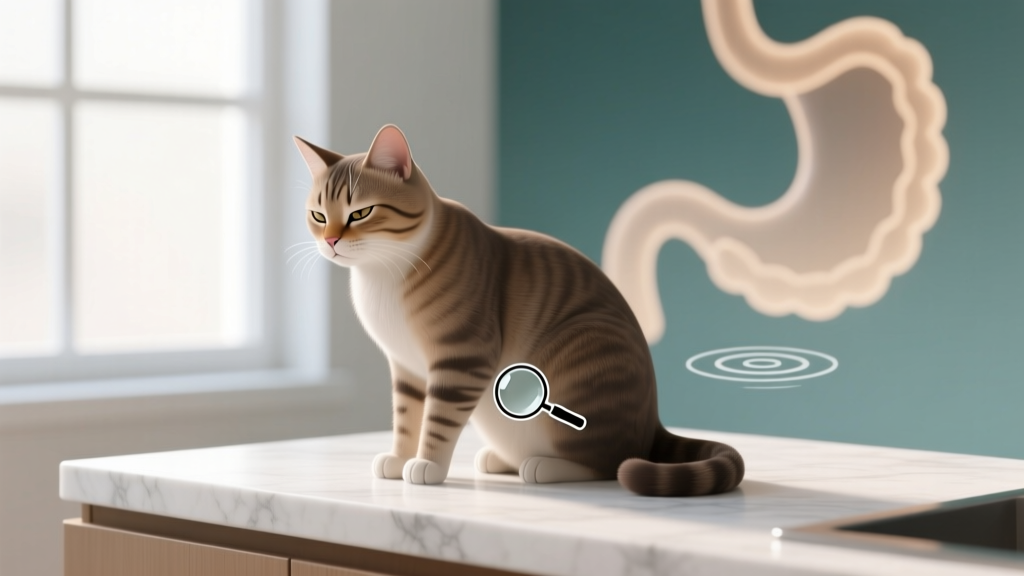
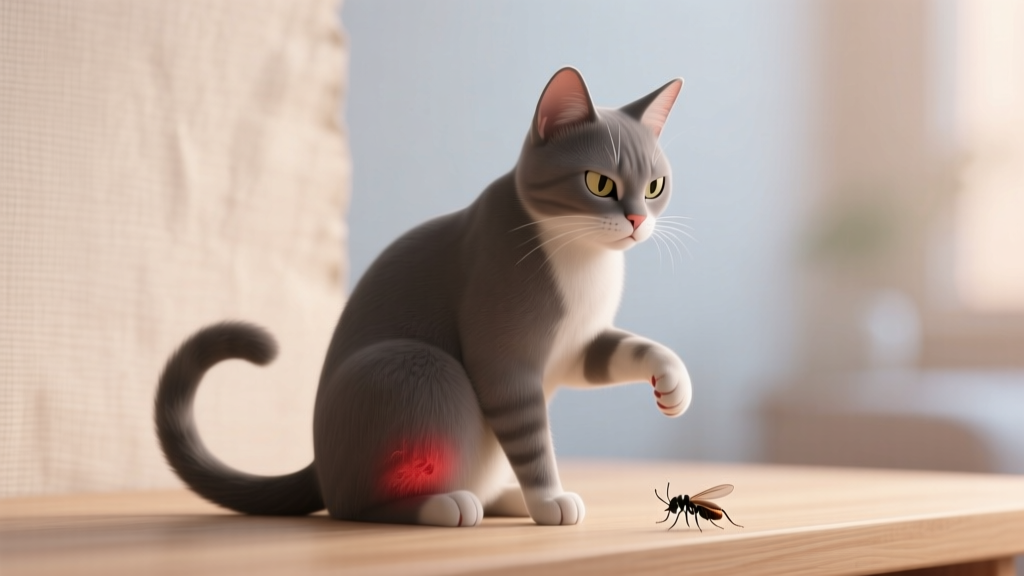
- Over-grooming: Bald patches, especially on the belly, inner thighs, or front legs.
- Hiding more than usual: A normally social cat spending hours under beds or in closets.
- Litter box avoidance: Urinating on beds, clothing, or other soft surfaces.
- Excessive vocalization: Increased meowing, yowling, or crying, especially at night.
- Appetite changes: Eating significantly more or less than normal.
- Aggression: A previously gentle cat suddenly swatting, biting, or hissing.
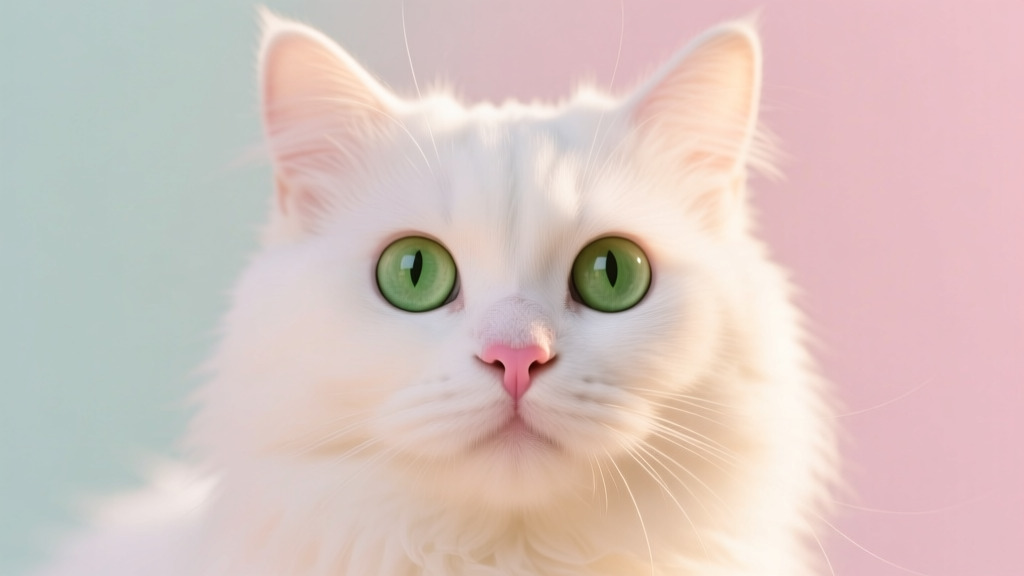
- Dilated pupils: Constant wide eyes (not related to light levels) indicate chronic arousal.
- Tail flicking + flattened ears: Body language screaming discomfort.
Common Stress Triggers
Moving house, new pets or family members, construction noise, changes in routine, vet visits, multi-cat conflict, and even rearranged furniture can trigger stress in sensitive cats.
Proven Relief Methods
1. Feliway Diffusers
Synthetic feline facial pheromones create a calming atmosphere. Place in rooms where your cat spends the most time. Studies show 90% reduction in stress-related behaviors within 4 weeks.
2. Consistent Routines
Feed, play, and interact at the same times daily. Predictability reduces anxiety. If your schedule must change, transition gradually over several days.
3. Safe Spaces
Every cat needs a retreat they can access without being followed. A covered cat bed, a high shelf, or a closet with a cat door provides security during stressful moments.
4. Play Therapy
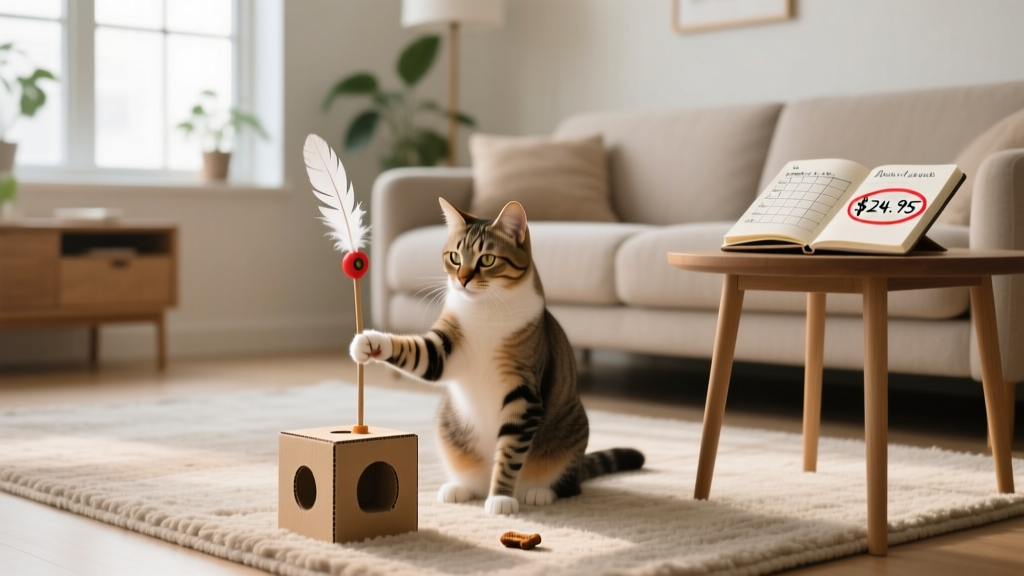
Interactive play releases endorphins and builds confidence. Two 15-minute sessions daily with wand toys mimicking prey movement. End each session with a treat to complete the predatory cycle.
5. Environmental Enrichment
Window perches, food puzzles, cat grass, and rotating toys reduce boredom-related stress. A stimulated cat is a calmer cat.
When to See a Vet
If stress behaviors persist for more than two weeks despite environmental changes, consult your veterinarian. Underlying medical conditions (pain, hyperthyroidism, UTI) can mimic stress symptoms. Prescription anti-anxiety medication may be appropriate for severe cases.