Cat Paw Touching the Fish Tank Glass: Interest
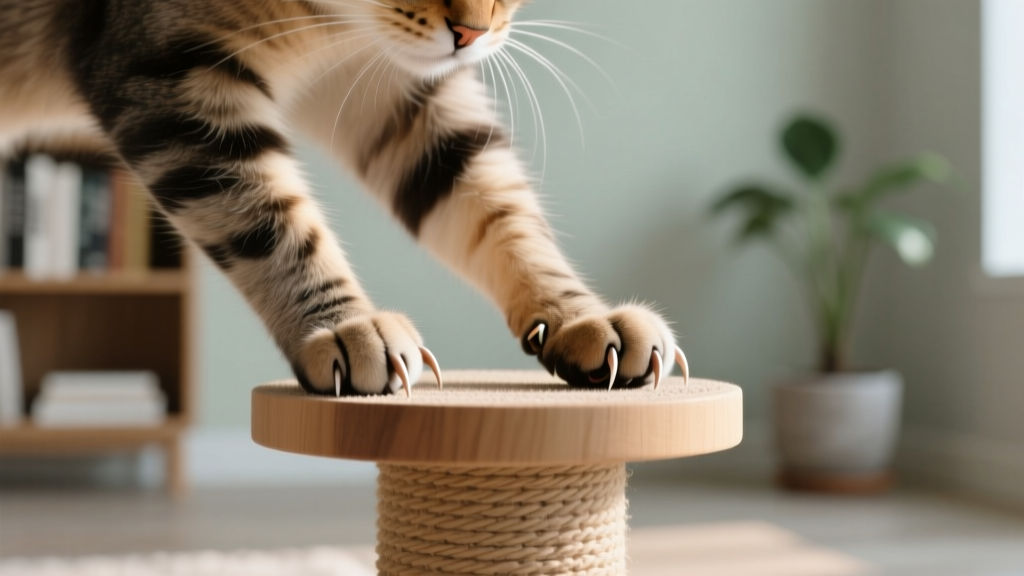
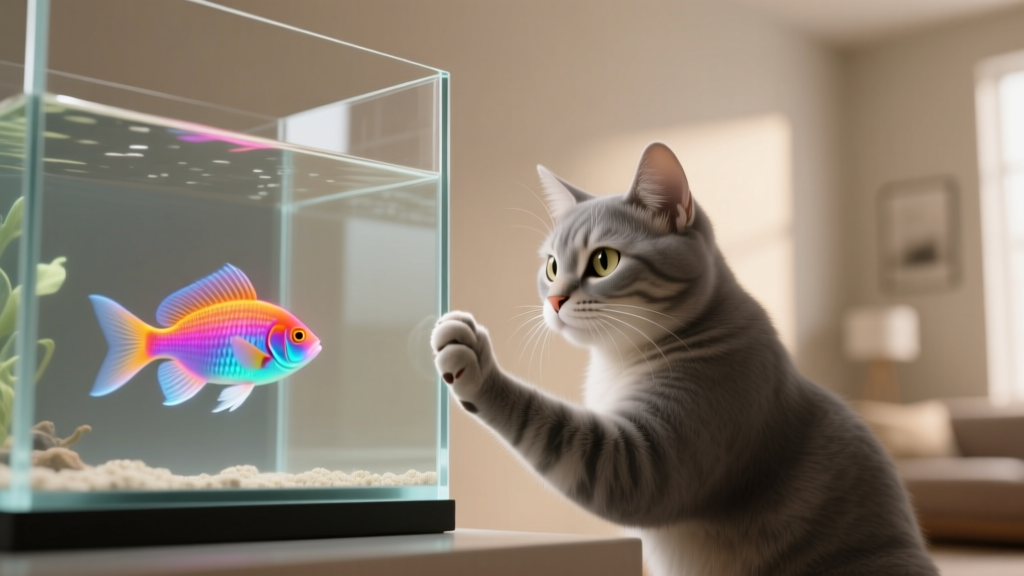
You’re sitting on the couch, half-watching a show, when you hear it: tap… tap… tap. You turn your head and there’s your cat, balanced on tiptoes like a tiny museum visitor, paw pressed to the aquarium glass. Maybe they do a slow “boop” with one toe bean. Maybe they try the classic double-paw move, eyes wide, whiskers forward, tail gently swishing like a metronome. Your fish glide by, blissfully unaware of the furry spectator tracking their every move.
If you’ve ever wondered, “Is my cat trying to hunt the fish? Are they stressed? Are they… fishing?” you’re in excellent company. Paw-touching the tank glass is one of those behaviors that looks silly and adorable, but it’s also packed with meaning. It’s curiosity, predatory instinct, sensory investigation, and sometimes boredom—all wrapped up in a soft paw and a very focused stare.
Why Cats Do This (The Science and the Wild-Cat Backstory)
Cats are built to notice movement. In the wild, small flickers and darts of motion often mean “potential meal.” Fish are the definition of enticing motion: smooth, unpredictable, constantly changing direction. Even if your cat has never missed a meal in their life, their brain still carries the hardware of a hunter.
There are a few key forces at play:
- Predatory sequence wiring: Cats have a natural pattern: orient → stalk → chase → pounce → grab → bite. The aquarium triggers the early steps (orienting, stalking, pawing), even though the final steps can’t happen.
- Visual stimulation: Fish provide high-frequency movement that’s especially captivating to feline vision. Your cat may be “locked in” the way they are with a laser dot—only this one smells faintly interesting and lives in a watery world.
- Curiosity and problem-solving: Cats explore with their paws. Touching the glass is a form of testing: “What is that? Can I get it? Does it move when I touch it?”
- Barrier frustration (sometimes): The prey is visible but unreachable. This can be stimulating, but for certain cats it can also become frustrating and lead to more persistent pawing or agitation.
It’s also worth remembering: domestic cats descend from wildcats that likely encountered shallow water prey. Many cats don’t love getting wet, but the sight of something edible moving in water can still flip the “investigate” switch.
A Detailed Breakdown: Different Contexts of Pawing the Tank
Not all paw taps are created equal. The details—posture, ear position, tail movement, how long it lasts—tell you what’s going on in your cat’s head.
1) The Gentle Tap: “What are you?”
Your cat approaches calmly, stands or sits, and lightly touches the glass once or twice. They may tilt their head, blink slowly, or switch between watching the fish and watching reflections.
What it often means: Simple curiosity. Your cat is gathering information, like they do when they pat a new object on the floor to see if it slides.
2) The Rapid Fire Drumroll: “Prey mode activated”
This is the repeated tapping, sometimes with both paws, sometimes with a little hop. Your cat’s pupils may be larger, body slightly crouched, whiskers forward.
What it often means: Hunting arousal. The fish are triggering that chase/pounce circuitry. It’s not “bad,” but it can get intense.
3) The Slow Stalk and Ambush Attempt: “I can solve this”
Your cat creeps around the tank, peering from different angles, waiting near the filter output where fish tend to pass. They may try to reach around edges or paw at the lid seam.
What it often means: Problem-solving plus predation. Your cat is experimenting with strategies and learning patterns—yes, they can learn fish routines.
4) The “Sit and Watch” with Occasional Paw: “This is my TV”
Some cats treat aquariums like entertainment. They watch for long stretches, then punctuate it with a gentle paw press.
What it often means: Enrichment. Your cat is mentally engaged. This can actually be a healthy, calming activity for some cats—assuming the fish remain safe and the cat isn’t escalating into frantic behavior.
5) The Glass-Surfing Pounce: “Overstimulated”
Your cat dashes back and forth along the tank, body stiff, tail flicking sharply, pawing hard enough to thump the glass.
What it often means: Overarousal or frustration. This is where it shifts from cute to potentially stressful—for your cat, your fish, and your tank stability.
What the Behavior Says About Your Cat’s Mood and Feelings
Think of pawing the fish tank as a mood meter. Here are common emotional “translations,” based on body language:
- Curious and calm: Relaxed posture, ears neutral-forward, slow tail swish, brief paw touches. Your cat is interested but not intensely aroused.
- Playful hunter mode: Crouching, wiggle-butt moments, focused stare, forward whiskers, quick paw taps. This is excitement and stimulation.
- Frustrated: Repeated intense pawing, vocalizing at the tank, biting at edges, tail lashing, inability to disengage. The “I can see it but can’t get it” feeling is building.
- Anxious or overstimulated: Sudden startles, puffed tail, ears flattened, frantic movement, or redirected aggression (swatting at you or another pet after watching the fish). This is less common, but important to catch early.
Most of the time, it’s a mix of fascination and hunting instinct—your cat’s brain doing exactly what it was designed to do.
Related Behaviors You Might Also Notice
If your cat is into the aquarium, you might see other “predator-meets-curiosity” quirks:
- Chattering or chirping: That rapid “ek-ek-ek” sound some cats make when watching birds—or fish. It often shows excitement and frustration.
- Tail-tip twitching: A concentrated, “I’m thinking” movement. The faster and harder the tail, the more aroused your cat may be.
- Watching water sources: Some cats become fascinated by running faucets, toilets, or water bowls—movement and sound are compelling.
- Paw-dipping attempts: Cats may try to reach into any open water they can access, including tank openings, especially if they’ve learned splashing changes fish behavior.
- Patrolling “fish hotspots”: They may wait near the stand, the feeding area, or places the fish often swim by.
When It’s Normal (and When It Might Be a Concern)
Usually normal:
- Your cat watches and paws briefly, then leaves to nap, eat, or groom.
- The pawing is gentle, not frantic.
- Your cat remains responsive to you (you can call them away, offer a toy, or redirect attention).
Potentially concerning:
- Obsessive focus: Your cat spends long periods fixated on the tank and struggles to disengage.
- Escalating intensity: Hard swats, climbing the tank, chewing cords, trying to pry lids open.
- Stress signals: Dilated pupils with tense body, growling, sudden aggression, overgrooming after watching.
- Risk to fish or tank safety: Any behavior that could knock equipment loose, stress the fish, or destabilize the aquarium.
If the fish appear stressed (hiding constantly, frantic darting, fading color) or your cat is getting worked up daily, it’s time to adjust the environment.
How to Respond (And How to Encourage Safe, Healthy Interest)
You don’t have to ban your cat from enjoying the aquarium. The goal is safe viewing and balanced enrichment.
Make the setup cat-proof and fish-friendly
- Secure the lid: Use a snug-fitting aquarium lid. Cats are stronger and more persistent than they look.
- Stabilize the stand: Make sure the tank is level and sturdy. Avoid wobbly stands.
- Manage cords: Hide or protect cables to prevent chewing or tugging.
- Create a viewing spot: Place a cat tree or sturdy stool a short distance away so your cat can watch without climbing on the tank.
Redirect predatory energy appropriately
- Play before peak interest times: If your cat “visits” the tank at predictable moments (morning, dusk), schedule a 10–15 minute wand-toy session first.
- Use the right style of toy: Wand toys that mimic prey movement (dart, pause, hide) help complete the hunt sequence more satisfyingly than random bouncing.
- Offer a “catch” finale: Let your cat capture the toy at the end, then provide a small treat or meal. This helps their brain feel like the hunt concluded.
Reduce frustration
- Limit access if needed: If your cat can’t settle, block the room during certain hours or use a baby gate.
- Add visual breaks for fish: Plants, caves, and decor give fish places to hide, which reduces their stress (and may reduce your cat’s obsessive tracking).
- Teach a cue: A simple “all done” paired with a treat tossed away from the tank can become a routine that helps your cat disengage politely.
Fun Facts and Research-Flavored Nuggets
- Cats use their paws like hands: Those toe beans are sensory tools. Pawing isn’t just “trying to catch”—it’s testing texture, resistance, and cause-and-effect.
- Movement is a super-stimulus: Many animals (including cats) are especially triggered by small, quick, irregular motion—exactly what fish provide in a tank.
- Predatory behavior isn’t the same as hunger: Well-fed cats still hunt-like play because it’s instinctive and mentally rewarding.
- Some cats truly treat aquariums as enrichment: For calmer personalities, watching fish can function like “nature viewing,” similar to watching birds from a window—engaging but not necessarily frustrating.
FAQ: Common Questions About Cats Pawing the Fish Tank
Is my cat trying to eat my fish?
Often, yes—at least in the sense that the fish trigger hunting instinct. That doesn’t mean your cat is “mean” or that they’re starving. It means their brain recognizes small moving animals as prey. With a secure lid and good management, you can keep it safely in the “viewing only” category.
Can watching fish stress my cat out?
It can, especially if your cat becomes frustrated by the barrier. Signs include intense fixation, tail lashing, vocalizing, and difficulty disengaging. If you see that pattern, increase play and enrichment, add distance from the tank, and consider limiting access.
Can my cat stress my fish out?
Yes. Constant looming, tapping, and chasing along the glass can make fish hide more, eat less, or behave nervously. Provide hiding spots and consider positioning the tank where your cat can’t hover inches away for long periods.
Should I discourage the pawing completely?
Not necessarily. Gentle, occasional pawing is normal curiosity. The goal is to prevent escalation—hard swats, climbing, or obsessive behavior—while giving your cat other outlets for their hunting energy.
Why does my cat chatter at the fish like they do at birds?
Chattering is commonly linked to high arousal and excitement—sometimes mixed with frustration. Your cat is intensely focused and keyed up by the movement, and the sound can be part of that emotional overflow.
What if my cat tries to get on top of the tank?
Treat that as a safety issue. Secure the lid, block access to the top (or make it uncomfortable with a safe deterrent like a textured mat your cat dislikes), and provide an alternative perch nearby that’s even better than the tank top.
Better Understanding, Better Living Together
Your cat’s paw on the aquarium glass isn’t random—it’s a little window into their instincts and their curiosity. With a secure setup, a good play routine, and a viewing spot that keeps everyone safe, you can let your cat enjoy their “fish channel” without turning your living room into a wildlife documentary gone wrong.
Does your cat do the gentle tap, the intense drumroll, or the full-on stealth stalk? Share your funniest (and most relatable) aquarium-watching stories with the Cat Lovers Base community at catloversbase.com—we’d love to hear how your cat “interviews” the fish.