Cat Paw Resting on Your Knee: Calm Observation
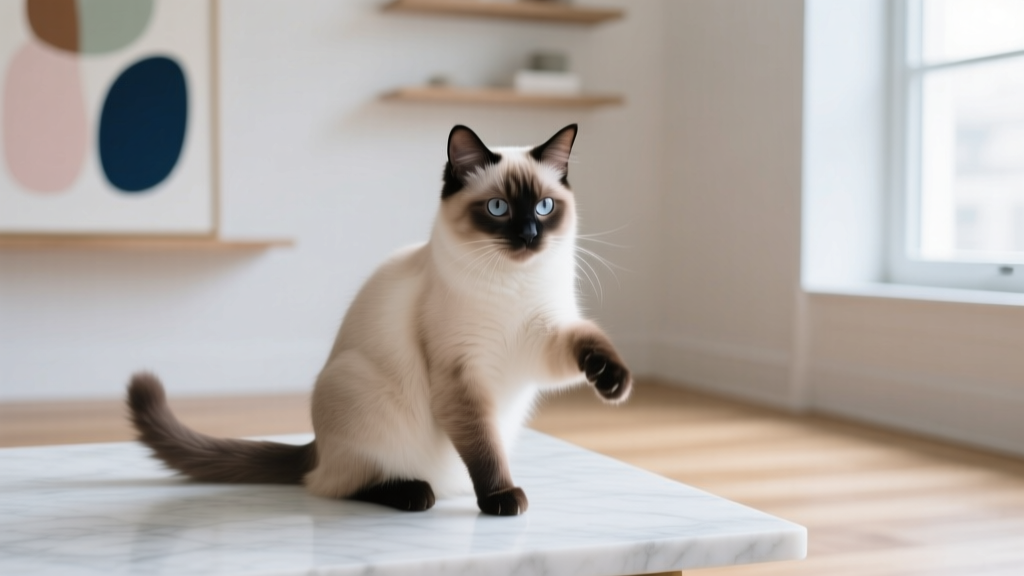
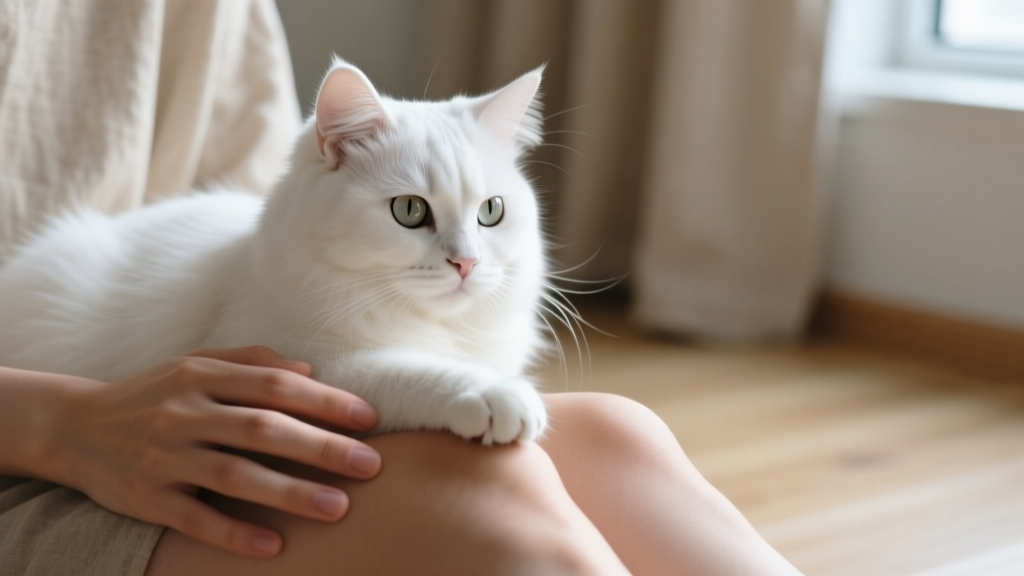
You’re on the couch, finally settling into a quiet moment. Your cat hops up beside you with that graceful, pretend-casual confidence. They sit. They blink slowly. And then—almost like they’re testing the temperature of your reality—one paw reaches out and rests on your knee.
Not a full cuddle. Not a kneading session. Just a single paw, placed with surprising intention. It’s so small, yet it stops you in your tracks. Are they claiming you? Asking for something? Making sure you don’t get up? Or are they simply being adorable?
This little “paw on the knee” move is one of my favorite cat behaviors because it’s subtle, loaded with meaning, and very individual. Think of it as a feline check-in: part social connection, part environmental monitoring, part “I’m comfortable here.”
Why Cats Do This: A Scientific (and Evolutionary) Peek Behind the Paw
Cats are both predators and prey in evolutionary terms. Even our most pampered house cats are wired to watch, listen, and assess. Their bodies are built for quick decisions: pounce, flee, freeze, or engage.
When a cat rests a paw on your knee, you’re often seeing a calm version of that ancient vigilance.
- Touch is information. Cats gather social data through scent, sight, sound, and yes—physical contact. A paw on your knee is a low-effort way to “read” you: Are you still? Relaxed? About to stand up?
- Proximity equals safety. In social cat groups (especially among related cats), resting near one another is common. Physical contact can reinforce “we’re okay” without the vulnerability of full-body relaxation.
- Control without conflict. Cats like choices. Placing one paw on you is a gentle way to stay connected while still keeping their body free to move if needed.
It’s essentially a compromise between independence and affection—very on-brand for cats.
Different Contexts, Different Meanings: A Detailed Breakdown
The same behavior can mean different things depending on timing, body language, and your cat’s personality. Here are common scenarios cat owners recognize immediately.
1) “I’m here with you, but I’m still on duty.”
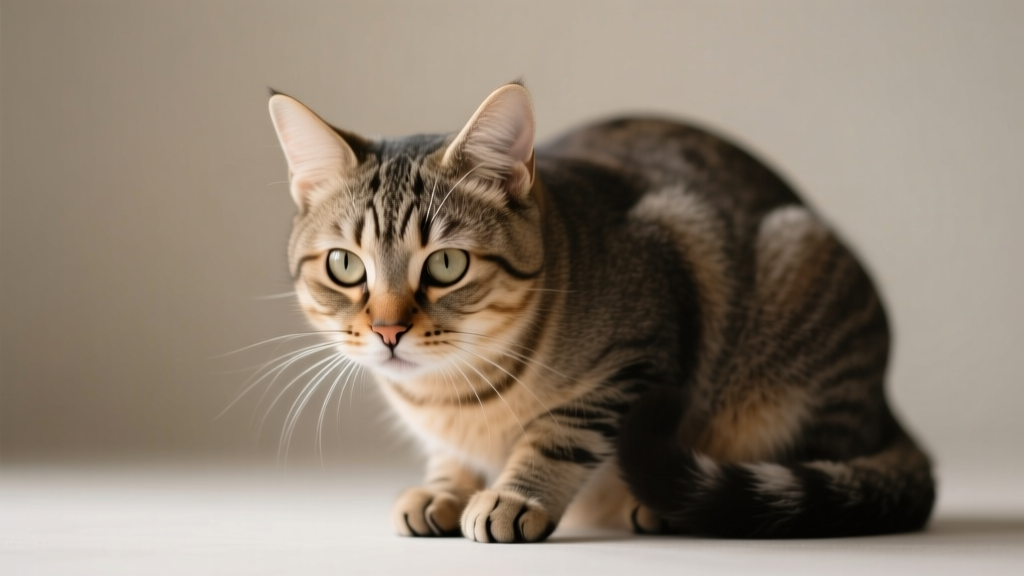
Your cat sits upright, ears rotating like satellite dishes, eyes following sounds in the hallway. Their paw rests lightly on your knee, not pressing—just touching. This is often calm observation: your cat is comfortable enough to connect, but still alert to the environment.
What you’ll notice: Tail wrapped neatly, whiskers neutral, occasional slow blinks, and a quick head turn if there’s a noise.
2) “Don’t move. This is nice.”
Sometimes that paw is a tiny anchor. Your cat may have learned that when you shift positions, the cozy moment ends. So they place a paw on you as if to say, “Let’s keep this exactly as it is.”
What you’ll notice: A slightly heavier paw, relaxed shoulders, maybe a sighy little exhale, and a look of mild disappointment if you reach for the remote.
3) “Pet me… but not too much.”
Cats often prefer controlled affection. A paw on your knee can be an invitation to interact on their terms. They’re close enough to request attention, but not fully committing to being held or hugged.
What you’ll notice: Your cat leans in when you scratch their cheek, but pulls back if you go for belly rubs. The paw stays there like a bookmark: “This is the level of closeness I want.”
4) “This is mine.” (Gentle resource claiming)
Yes, sometimes it’s mild ownership. Cats are territorial, and humans can become part of their “important resources” list. A paw placed on you while another pet approaches can be a quiet social signal: “I was here first.”
What you’ll notice: A still body, focused stare toward the other animal, maybe a slow tail tip flick. The paw contact can intensify when there’s competition for attention.
5) “I’m checking in.” (Social reassurance)
If your cat does this during thunderstorms, when guests are over, or after a loud sound, it can be a comfort-seeking behavior. The paw becomes a grounding touch—like a child holding a parent’s sleeve.
What you’ll notice: Pupils slightly larger, ears angled to the side, and the cat remains close but alert.
6) “Something about your knee is suspicious.” (Curiosity)
Cats are weirdly thorough investigators. If you’ve got a new blanket, a different scent (hello, new lotion), or you just came home from the vet, that paw can be part of a sensory inspection.
What you’ll notice: Sniffing, brief paw touch, sniff again, maybe a tiny lip curl (flehmen response) if the smell is especially interesting.
What It Means About Your Cat’s Mood and Feelings
Most of the time, a paw resting on your knee suggests a blend of:
- Comfort: Your cat feels safe enough to be close.
- Trust: They’re choosing gentle contact instead of keeping distance.
- Connection: They enjoy sharing space with you—even if they’re not a “lap cat.”
- Low-key affection: Think “I like you” rather than “I want to merge souls right now.”
Watch the full body picture. A relaxed face, soft eyes, neutral ears, and a still or gently wrapped tail usually point to contentment. If the paw is paired with stiff posture, a hard stare, or frequent tail flicking, it may be more about control or overstimulation.
Related Behaviors You Might Also Notice
Once you spot the “paw on the knee,” you’ll likely notice other micro-signals your cat uses to connect while keeping independence intact:
- The “drive-by head bump”: A quick bunting pass, then they continue walking like nothing happened.
- Sitting with their back to you: A trust signal—“I feel safe enough not to watch you.”
- Side-sit leaning: Their shoulder gently rests against your leg, but they’re ready to move.
- Paw taps (gentle): A light pat to request attention or direct your hand.
- Shadowing: Following you room-to-room, then sitting nearby like a quiet supervisor.
When It’s Normal vs. When It Might Be a Concern
In most cases, paw-on-knee is sweet, social, and completely normal. But context matters.
Usually normal
- Your cat is relaxed, purring softly, slow blinking, or calmly observing.
- The paw touch is gentle and easily interrupted without a reaction.
- Your cat otherwise behaves normally: eating, drinking, using the litter box, playing.
Possible concern signals
- Clinginess that’s new and intense: If your cat suddenly becomes unusually attached or anxious, it can signal stress, pain, or illness.
- Restlessness or agitation: Paw contact combined with pacing, vocalizing, or inability to settle may suggest anxiety.
- Guarding you aggressively: If your cat escalates to growling, swatting, or attacking when others approach, it’s worth addressing as resource guarding.
- Pain signs: If your cat paws at you and seems uncomfortable, hides more, or reacts to touch, consult your veterinarian to rule out discomfort.
If the behavior changes suddenly or comes with other red flags (reduced appetite, litter box changes, hiding, unusual vocalization), it’s smart to check in with a vet. Cats are masters of subtlety—sometimes affection-looking behavior is actually a request for reassurance because they don’t feel well.
How to Respond (and How to Encourage More of This Sweet Calm Connection)
You don’t need to “train” this out or make a big production. The best response is respectful, predictable, and cat-centered.
- Pause before reacting. If you immediately squeal and scoop them up, some cats will stop offering the paw contact. Try a calm smile and a gentle pet instead.
- Pet strategically. Most cats enjoy cheek scratches, head rubs, and along the shoulders. If your cat’s paw is on your knee and they seem calm, keep touch in their favorite zones.
- Reward the vibe you want. If your cat is peacefully sitting and touching you, you can quietly reinforce it with a soft “good cat,” a slow blink, or a treat placed nearby after they disengage (so the treat doesn’t turn into demand behavior).
- Respect boundaries. If the paw withdraws or the ears angle sideways, that’s information. Reduce contact and give them space.
- Create “together time” routines. A consistent evening sit-down, a blanket they like, or a nearby perch can make them more likely to choose calm contact.
- Manage multi-pet dynamics. If the paw comes out when another pet approaches, avoid forcing “sharing.” Provide separate cuddle opportunities and multiple resting spots to reduce competition.
A helpful mindset: your cat is offering a small social gesture. If you honor it without overwhelming it, you’ll often see more of it.
Fun Facts and Research-Style Nuggets About This Behavior
- Cats use touch economically. Unlike some animals that are constant contact-seekers, many cats prefer brief, low-intensity touch. One paw is a perfect “minimal effort, maximum meaning” signal.
- Paws are information-rich tools. Cats have sensitive paw pads that help them explore textures and vibrations. A gentle paw on your knee can be both social and sensory.
- Affiliation can be subtle. In cat social behavior, friendly bonding often looks like parallel resting, gentle contact, and calm co-existence—not necessarily constant cuddling.
- Slow blinking often pairs with paw contact. If your cat rests a paw on you and slow blinks, you’re getting a strong “I’m safe with you” signal.
FAQ: Cat Paw Resting on Your Knee
1) Does my cat’s paw on my knee mean they love me?
It can be a sign of affection and trust, especially if your cat looks relaxed (soft eyes, neutral ears, calm posture). Some cats “say I love you” in big ways (lap naps) and others do it in quiet ways—like one gentle paw.
2) Why does my cat do this and then suddenly walk away?
Because cats are excellent at short, meaningful interactions. Your cat may be checking in, enjoying a quick connection, or testing whether you’ll stay put. Walking away doesn’t cancel the affection—it’s just a very cat-like ending.
3) Is my cat trying to stop me from moving?
Sometimes, yes—especially if the paw pressure increases when you shift. Many cats learn patterns: “human moves = cuddle ends.” The paw can be a polite attempt to keep things stable.
4) My cat does this when I’m petting another cat. Is that jealousy?
It can be social competition or attention-seeking rather than human-style jealousy. Your cat may be gently claiming access to you. The fix is usually more resources: separate cuddle times, more resting spots, and rewarding calm behavior around the other pet.
5) Why does my cat rest a paw on me while staring at something?
That’s often calm observation: your cat is monitoring the environment while maintaining contact with you. Think of it as “I’m connected to my person, and I’m also keeping an eye on the situation.”
6) Should I move my cat’s paw off my knee?
If you need to move, it’s fine—just do it gently. Try shifting slowly, offering a chin scratch, or placing a nearby blanket or pillow as an alternative contact spot. Avoid abrupt motions if your cat is easily startled.
The next time your cat places that single paw on your knee, take a second to notice the whole scene: the posture, the ears, the tail tip, the breathy calm of the moment. It’s one of those small cat gestures that says a lot—“I’m here, I’m comfortable, and I’m keeping an eye on things… with you.”
Does your cat do the one-paw “check-in,” or do they have their own signature move? Share your story (and your funniest couch moments) with the Cat Lovers Base community at catloversbase.com.