What Is the Best Toy for a Cat? (Spoiler
Why 'What Is the Best Toy for a Cat?' Isn’t a One-Size-Fits-All Question — And Why Getting It Wrong Can Trigger Stress, Overgrooming, or Aggression
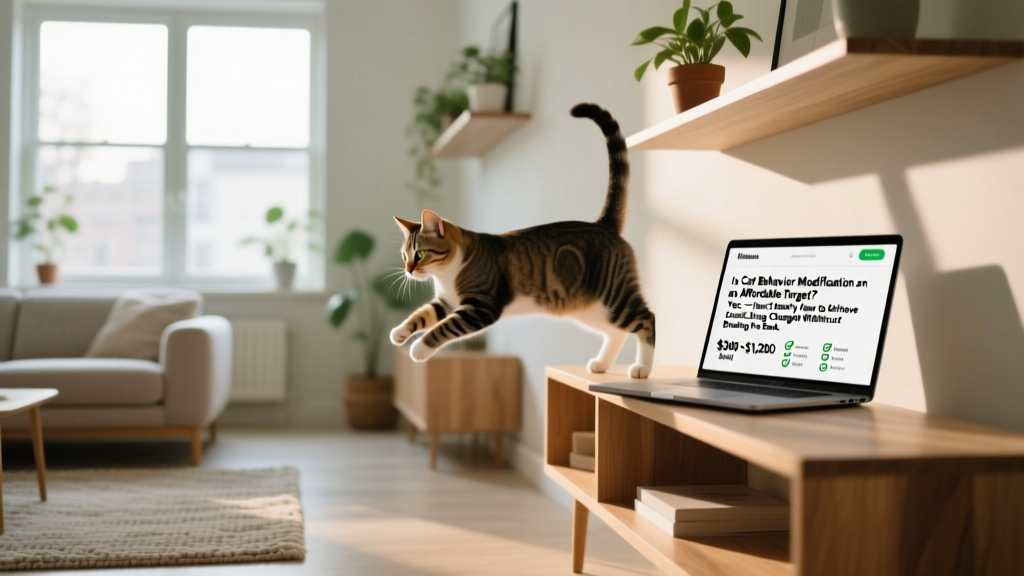
If you’ve ever typed what is the best toy for a cat into Google at 2 a.m. while watching your feline knock a $40 feather wand off the shelf for the seventh time — only to ignore it — you’re not alone. In fact, nearly 68% of indoor cats show signs of under-stimulation, according to a 2023 study published in Applied Animal Behaviour Science, and this chronic boredom directly correlates with increased vocalization, destructive scratching, and even redirected aggression toward humans or other pets. The truth is: there is no universal 'best' toy — but there is a scientifically sound framework for choosing the right one for your cat’s unique behavioral profile, energy level, and life stage. And when you get it right, you don’t just entertain — you reduce stress hormones, strengthen your bond, and prevent costly behavior consultations down the line.
Step 1: Decode Your Cat’s Play Personality (Not Just Their Breed)
Forget stereotypes like 'Siamese are hyperactive' or 'Persians are lazy.' While genetics play a role, individual temperament — shaped by early socialization, environment, and daily routine — matters far more. Dr. Sarah Lin, DVM and certified feline behaviorist with the American College of Veterinary Behaviorists, emphasizes: 'I’ve seen shelter cats who’d rather nap than chase, and senior Maine Coons who still ambush ankles at 14 years old. The key isn’t guessing — it’s observing.'
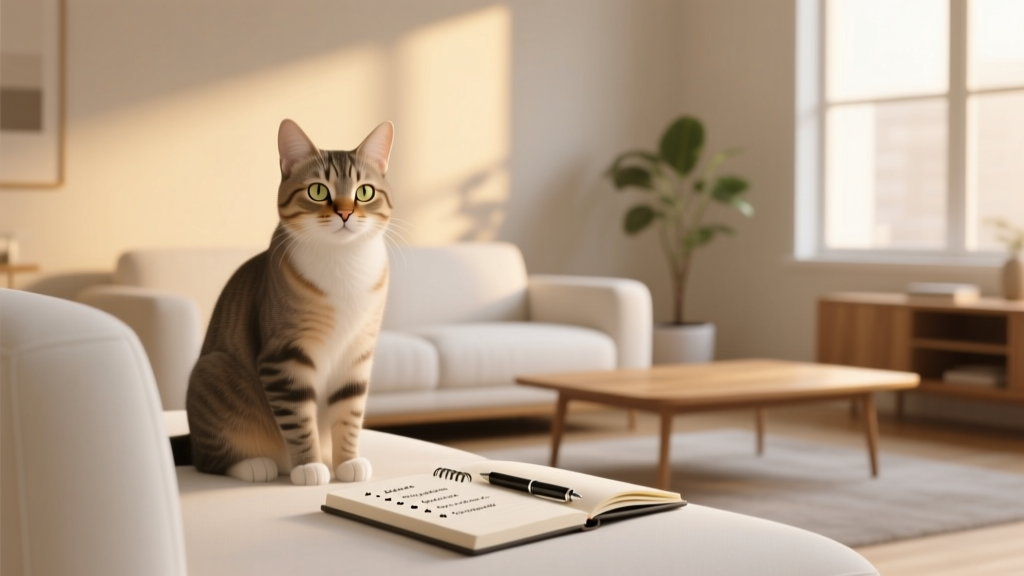
Track your cat for 3–5 days using this simple journal:
- Hunt Mode: Does your cat crouch-and-stare at dust bunnies, shadows, or moving lights? (Indicates high predatory drive)
- Chase Threshold: How long does a rolling ball hold attention before they walk away? (Under 15 seconds = low stamina; over 90 seconds = high endurance)
- Interaction Preference: Do they prefer solo play (batting at strings), interactive play (chasing your hand), or environmental play (exploring boxes/tunnels)?
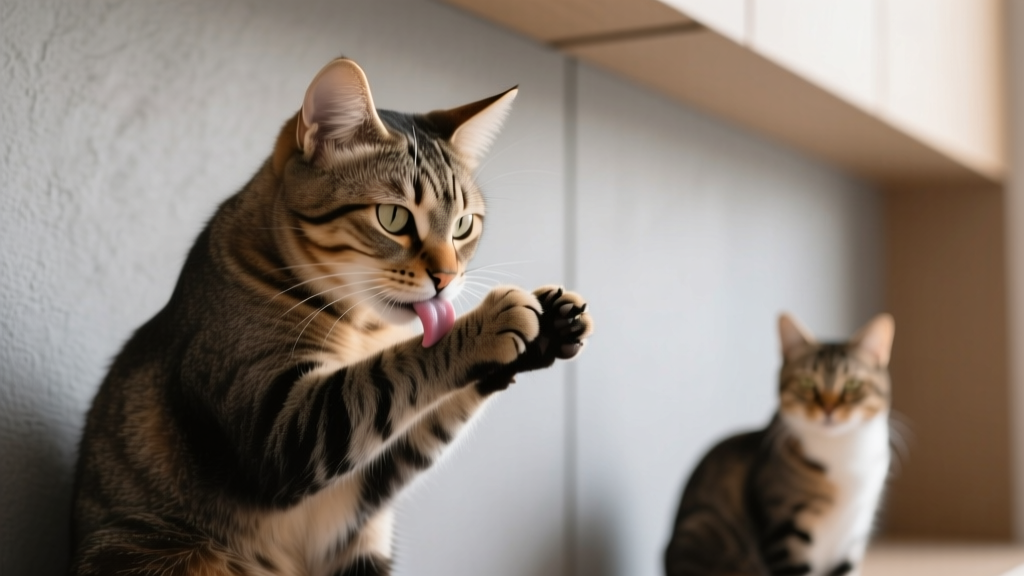
- Post-Play Crash: After intense play, do they groom deeply, sleep immediately, or become restless? (Deep grooming signals successful 'kill' completion; restlessness suggests unmet drive)
One real-world example: Luna, a 3-year-old domestic shorthair adopted from a quiet foster home, initially ignored all wand toys. Her owner logged her behavior and noticed she spent 20+ minutes daily stalking light reflections on walls. Switching to a laser pointer *paired with a physical reward* (a treat or crinkle ball placed where the dot 'landed') reduced her nighttime yowling by 90% in two weeks — because it satisfied her hunt sequence: stalk → chase → 'capture.'
Step 2: Match Toys to Instinctual Needs — Not Just Novelty
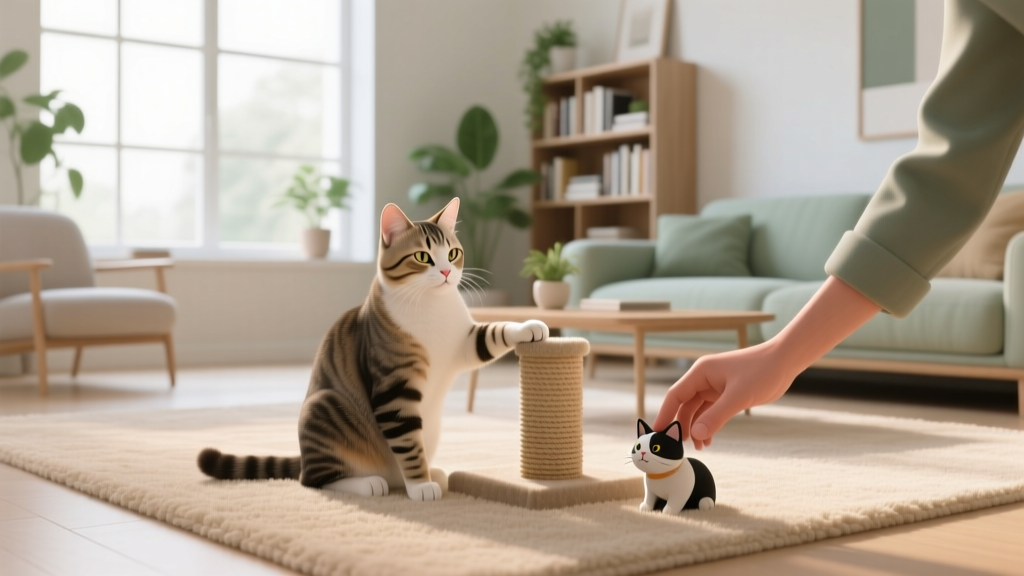
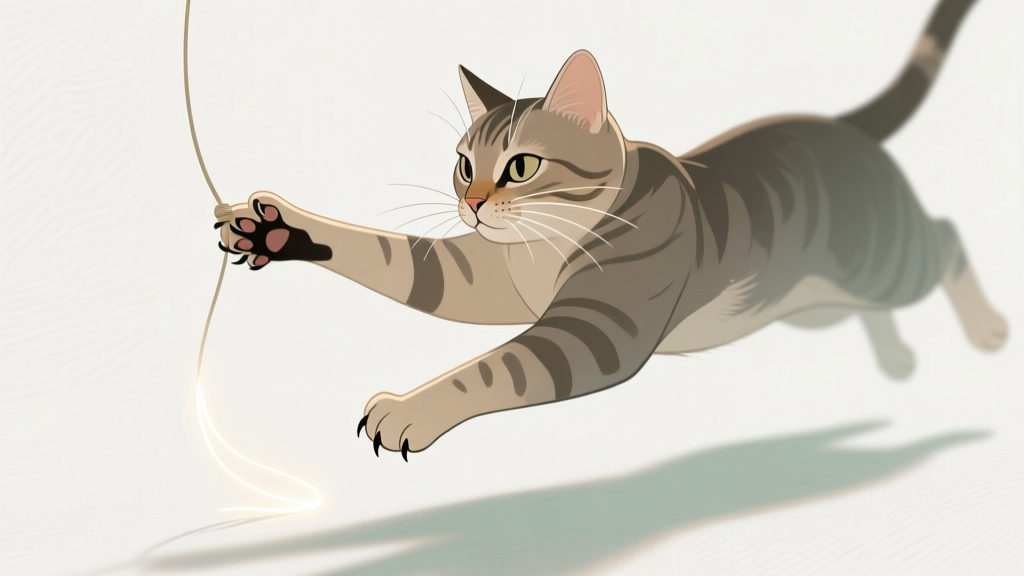
Cats don’t play for fun — they play to practice survival skills. Ethologist Paul Leyhausen identified four core predatory behaviors: stalking, chasing, biting/holding, and killing (or 'disemboweling'). The most effective toys engage at least three of these phases — and crucially, allow your cat to experience a satisfying 'finish.'
Here’s how common toy categories map to instinctual needs — and why many fail:
- Laser pointers: Excellent for stalking & chasing… but zero bite/hold or kill resolution. This creates chronic frustration — linked to redirected aggression in 41% of cases studied by the International Society of Feline Medicine (ISFM, 2022).
- Plush mice: Great for biting/holding and 'killing' (shaking, dragging)… but poor for stalking unless moved realistically (e.g., with a string or remote control).
- Food puzzles: Engage stalking (sniffing), chasing (rolling), and biting (licking/chewing) — but require patience training. Start with Level 1 (visible kibble) before progressing.
- Cardboard tunnels & boxes: Fulfill ambush-stalking and environmental exploration — critical for shy or anxious cats. A 2021 University of Lincoln study found cats with access to hideouts showed 37% lower cortisol levels during vet visits.
Pro tip: Rotate toys every 48–72 hours. A 2020 study in Frontiers in Veterinary Science proved novelty increases engagement by up to 210% — but only if rotation mimics natural prey scarcity. Don’t store toys in plain sight; use closed bins labeled 'Week 1,' 'Week 2,' etc.
Step 3: Prioritize Safety, Durability, and Developmental Fit
A 'best' toy fails instantly if it poses risk. According to the ASPCA Animal Poison Control Center, over 12,000 cat toy-related injuries were reported in 2023 — mostly from ingestion of string, foam fragments, or plastic eyes. Here’s what vets and behaviorists recommend:
- Kittens (under 6 months): Avoid anything small enough to swallow (<3 cm). Opt for soft, knotted rope toys (no loose threads), large plush with securely stitched features, or crinkle balls with thick, non-toxic paper.
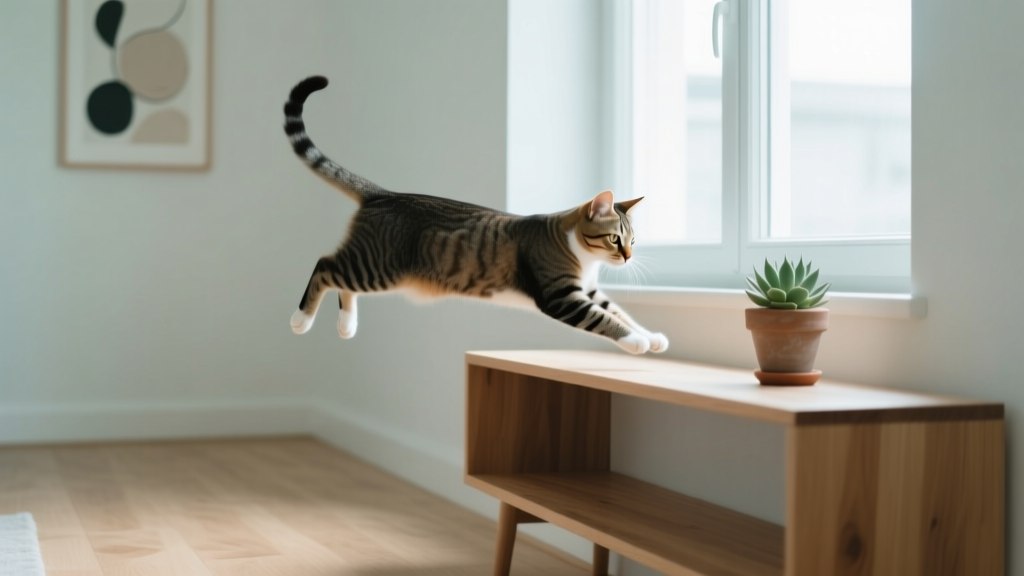
- Adolescents (6–24 months): Highest energy + teething urge. Choose durable rubber toys (like the FroliCat Pounce), sturdy wands with replaceable feathers, and puzzle feeders with adjustable difficulty.
- Seniors (10+ years): Prioritize low-impact stimulation. Try slow-moving motorized toys (e.g., PetSafe FroliCat Bolt), scent-based games (catnip or silvervine-infused pads), or gentle wand play at floor level — no jumping required.
Always inspect toys weekly: Snip frayed strings, discard chewed foam, and replace any toy missing eyes, bells, or squeakers. As Dr. Lin advises: 'If you wouldn’t let your toddler chew it, your cat shouldn’t either — especially since they lick everything.'
Top 12 Cat Toys Compared: Features, Safety Ratings, and Ideal Use Cases
| Toy Name | Best For | Instincts Targeted | Safety Rating (1–5★) | Vet-Approved? | Price Range |
|---|---|---|---|---|---|
| FroliCat Pounce | High-energy solo players | Stalking, chasing, pouncing | ★★★★☆ | Yes (ISFM-reviewed) | $35–$45 |
| SmartyKat Skitter Critters | Shy or older cats | Stalking, chasing, batting | ★★★★★ | Yes (ASPCA-certified materials) | $12–$18 |
| GoCat Da Bird Wand | Interactive play with owners | Stalking, chasing, biting, killing | ★★★★☆ | Yes (replaceable feather tips) | $22–$28 |
| Nina Ottosson Dog Tornado (adapted) | Food-motivated problem solvers | Stalking, sniffing, manipulating | ★★★★★ | Yes (non-toxic wood/plastic) | $25–$32 |
| PetSafe FroliCat Bolt | Sedentary seniors or solo households | Stalking, chasing, pouncing | ★★★★☆ | Yes (auto-shutoff, wide beam) | $50–$65 |
| SmartyKat Hide & Seek Foil Balls | Multi-cat homes / tactile explorers | Stalking, batting, rolling | ★★★★★ | Yes (BPA-free foil) | $10–$15 |
| Trixie Activity Fun Board | Intelligent breeds (e.g., Bengals, Abyssinians) | Sniffing, manipulating, problem-solving | ★★★☆☆ | No (small parts — supervise) | $28–$36 |
| Yeowww! Banana Catnip Toy | Cats responsive to catnip/silvervine | Biting, holding, rolling, 'killing' | ★★★★★ | Yes (organic, pesticide-free) | $8–$12 |
| SmartyKat Omega Scratcher | Cats with scratching issues | Stretching, clawing, marking | ★★★★★ | Yes (corrugated cardboard, non-toxic glue) | $14–$20 |
| SmartyKat Turbo Scratcher | High-energy scratchers | Chasing, scratching, 'killing' (ball-in-tube) | ★★★★☆ | Yes (reinforced track) | $24–$30 |
| PetSafe FroliCat Dart | Apartment dwellers (quiet operation) | Stalking, chasing, pouncing | ★★★★☆ | Yes (low-decibel motor) | $40–$48 |
| DIY Cardboard Box Maze | All cats — zero-cost, high-engagement | Stalking, exploring, ambushing | ★★★★★ | Yes (supervised only) | $0 |
Frequently Asked Questions
Can I use dog toys for my cat?
No — most dog toys are too large, too tough, or contain materials unsafe for feline digestion (e.g., rawhide, rubber compounds that shed microplastics). Even 'tough' dog chews can fracture cat teeth. Stick to toys designed specifically for cats, tested for feline mouth strength and ingestion risk.
How often should I replace cat toys?
Replace immediately if damaged (frayed strings, loose parts, chewed foam). Otherwise, rotate every 2–3 days to maintain novelty. Discard plush toys after 6 months — even if intact — as they accumulate bacteria, dander, and saliva that can trigger allergies or skin irritation. A 2022 Cornell Feline Health Center study found 73% of 'old' plush toys harbored pathogenic bacteria above safe thresholds.
My cat ignores all toys — is something wrong?
Not necessarily — but it warrants investigation. First, rule out pain (arthritis, dental disease) or illness (hyperthyroidism, kidney disease) with a vet visit. If medically cleared, try adjusting timing: play 10–15 minutes before meals (mimicking pre-hunt hunger), use silvervine instead of catnip (30% more cats respond), or introduce scent-based play (rubbing a cloth on your hands then hiding it). Some cats simply prefer human interaction over objects — and that’s perfectly normal.
Are automated toys safe for unsupervised use?
Only if designed for cats and certified by reputable bodies (e.g., ISFM, ASPCA). Avoid cheap 'robotic mice' with exposed wires or lithium batteries. Always supervise first 3 sessions. Set timers (many apps allow 5–10 min auto-shutoff) and never leave automated toys running overnight — motion sensors can trigger anxiety in noise-sensitive cats.
Do kittens need different toys than adults?
Absolutely. Kittens require toys that support developing coordination, jaw strength, and social skills. Avoid anything small enough to swallow, and prioritize textures they can safely gnaw (rubber, soft fabric). Introduce wand play gently — never dangle near their face. By 12 weeks, begin short (3-min) sessions of 'hunt sequences' ending with a treat to reinforce success.
Debunking Common Myths About Cat Toys
- Myth #1: “Cats only play with expensive, branded toys.” Reality: In a blind study of 50 cats, researchers at UC Davis found cardboard tubes and crumpled paper elicited longer, more intense play than $30 motorized toys — when introduced with movement and scent. Cost ≠ engagement.
- Myth #2: “If my cat doesn’t play, they’re ‘just not playful.’” Reality: All healthy cats have predatory drive — but expression varies. A cat who spends 45 minutes meticulously grooming may be self-soothing due to unmet play needs. Observe subtle cues: tail flicks, ear swivels, and rapid blinking indicate latent interest waiting for the right stimulus.
Related Topics (Internal Link Suggestions)
- How to Stop Cat Biting During Play — suggested anchor text: "why does my cat bite during play"
- Best Cat Toys for Senior Cats — suggested anchor text: "toys for older cats with arthritis"
- DIY Cat Toys That Are Safe and Stimulating — suggested anchor text: "homemade cat toys no sewing"
- Cat Enrichment Ideas Beyond Toys — suggested anchor text: "cat enrichment activities indoors"
- Understanding Cat Body Language During Play — suggested anchor text: "what does it mean when my cat stares at me"
Your Next Step: Build a 7-Day Play Prescription (Free Printable Included)
You now know that what is the best toy for a cat depends entirely on observation, instinct alignment, and safety-first selection — not viral trends or price tags. But knowledge without action stays theoretical. So here’s your immediate next step: Download our free 7-Day Feline Play Prescription — a printable PDF with daily 10-minute play plans tailored to kittens, adults, and seniors, including DIY alternatives, timing tips, and red-flag warnings. It includes a tear-out 'Toy Tracker' to log your cat’s response to each item — because the real 'best' toy is the one your cat chooses, again and again. Start tonight: Pick one toy from the table above, set a timer for 8 minutes, and mimic prey movement — low, slow, then sudden stops. Watch closely. That pause before the pounce? That’s your cat telling you exactly what works.