Cat Paw Reaching Into the Open Suitcase: Exploration
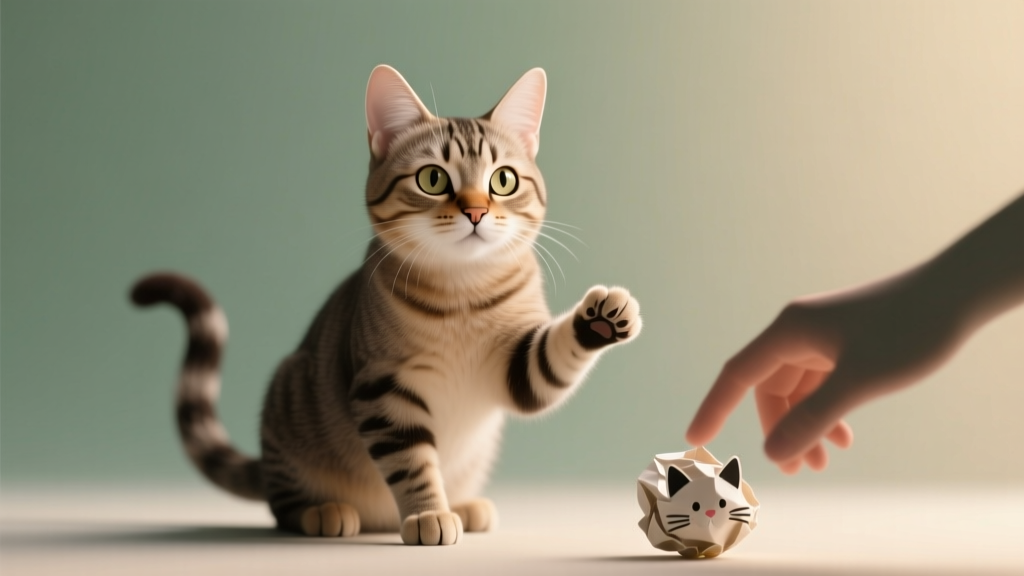
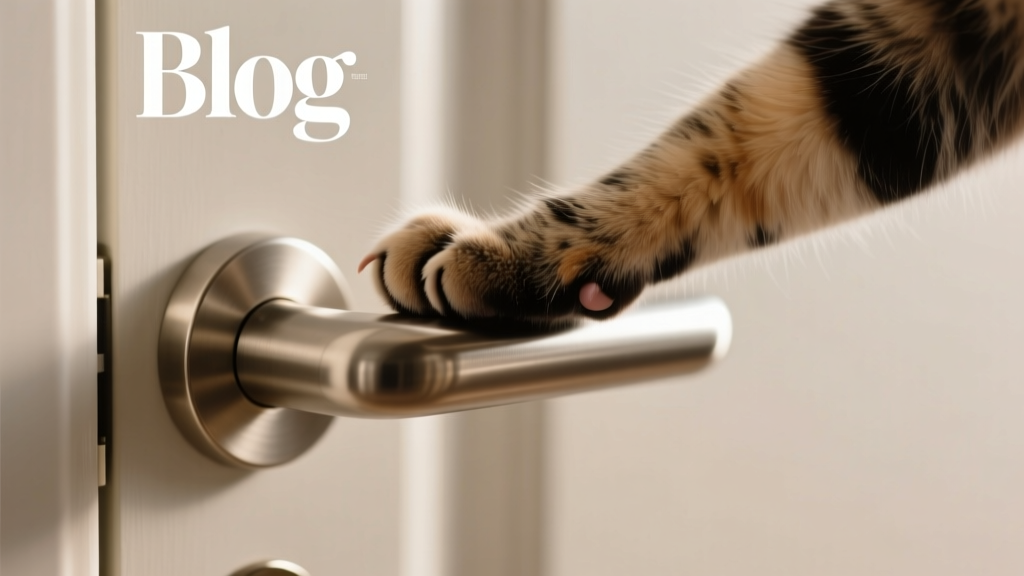
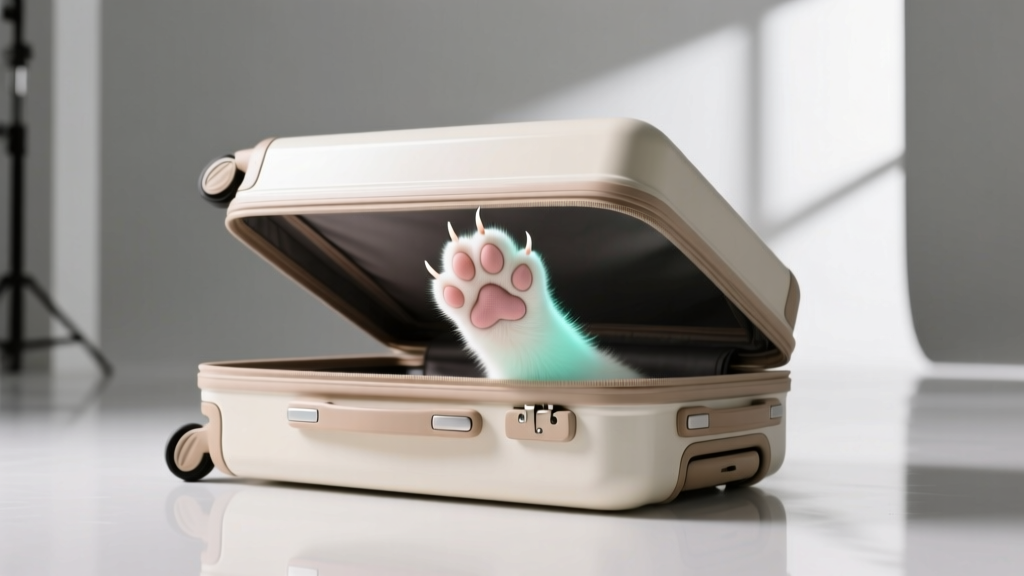
You’re packing for a trip—socks on the bed, toiletries lined up, suitcase yawning open like a big fabric mouth. You turn around for one second and there’s your cat. Not sitting in the suitcase (yet). Not rolling in your shirts (also coming). Instead, they’re perched beside it with the seriousness of a tiny investigator, slowly reaching one paw into the suitcase as if testing the waters. Tap… tap… a careful scoop… then a pause to listen. Sometimes they pull out a sock like a prize. Sometimes they freeze when you say their name, paw still inside, looking innocent and deeply suspicious all at once.
This “one paw in, one paw out” move is one of those classic cat-owner moments: funny, oddly deliberate, and just mysterious enough to make you wonder what’s going on in that fuzzy head. The good news is that this behavior is often a perfect snapshot of normal feline curiosity—wrapped in instinct, scent, and a pinch of cat-level drama.
Why Cats Paw Into Suitcases (The Science and the Instinct)
Cats are both predators and prey in evolutionary terms. That combination shapes how they approach new things: with interest, but also with caution. An open suitcase is basically a new “landscape” dropped into their home. It’s a container with unfamiliar smells, shifting surfaces, and hidden pockets—exactly the kind of object that triggers a cat’s investigative instincts.
Several built-in feline tendencies show up here:
- Neophilia (curiosity for novelty): Many cats are drawn to new objects, especially when they appear in a familiar territory. Your bedroom is predictable; the suitcase is not.
- Predatory testing: Cats often use a paw to probe something before committing their whole body. It’s safer and gives information fast: texture, movement, resistance, and sound.
- Scent intelligence: Cats “read” the world with their noses and their facial scent glands. Suitcases carry outside odors—hotel detergent, car upholstery, airplane cargo, another person’s house—like a fragrant newsletter from another universe.
- Control and safety: Reaching with a paw lets a cat explore while keeping most of their body out of the “unknown zone.” It’s the feline version of dipping a toe in.
From your cat’s perspective, the suitcase is not just luggage. It’s a new object in their territory, a potential hiding spot, a possible nest, and—most exciting—a box-like space with secrets.
A Detailed Breakdown: What “Suitcase Pawing” Looks Like in Different Contexts
Not all suitcase pawing is the same. The context matters, and your cat’s body language is the key to decoding it.
1) The “Careful Tap Tap” Inspection
Your cat approaches slowly, ears neutral or slightly forward, whiskers relaxed. They extend one paw and gently pat the suitcase lining or an item on top. This is classic low-stakes exploration. They’re gathering data: Is it stable? Does it make noise? Does anything move?
Common scenario: You place the suitcase on the bed. Your cat hops up, sniffs the zipper, then does a delicate paw-tap on a folded t-shirt like it might bite.
2) The “Fishing Expedition” (Sock Retrieval Included)
Some cats reach deeper, hooking an item with their claws and pulling it toward them. This is more playful and predatory. Soft clothing is easy to snag, and the suitcase is a perfect “prey container.”
Common scenario: Your cat sits like a statue beside the suitcase, then slowly drags out a single sock and walks away as if they found treasure.
3) The “Digging and Nesting Prep” Paw
If your cat paws repeatedly and shifts items around, they may be testing the suitcase as a potential resting spot. Cats like to circle, dig, and adjust bedding to make a nest-shaped depression.
Common scenario: Your cat paws at your sweaters, turns twice, and looks very pleased with themselves—until you move them and they act personally offended.
4) The “Scent-Soak and Claim” Investigation
Sometimes the pawing is paired with rubbing cheeks on the suitcase edge, kneading, or even lying across your clothes. This can be both comforting and territorial: “This belongs in my house, so it should smell like me too.”
Common scenario: Your cat sniffs, reaches in with a paw, then rubs their face on the suitcase handle and flops down inside like they booked the trip.
5) The “I Know Something’s Up” Stress-Sniff and Paw
If the suitcase only appears when travel is coming, your cat may associate it with changes—your absence, different routines, or the disruption of packing. Pawing can be a cautious check-in or a way to self-soothe through investigation.
Common scenario: Your cat is more clingy while you pack. They hover, paw into the suitcase, then stare at you like they’re trying to read your mind.
What This Behavior Says About Your Cat’s Mood and Feelings
Suitcase pawing is often a blend of curiosity, play, and information-gathering. Here’s what it can indicate emotionally:
- Confident curiosity: Relaxed tail, forward ears, casual sniffing, and gentle paw taps usually mean your cat feels safe and interested.
- Playful engagement: Quick paw jabs, pouncing at straps, or “hunting” items suggests your cat is in a playful mood and the suitcase is now a toy scenario.
- Seeking comfort: Slow kneading, settling into the suitcase, or rubbing scent glands can mean your cat finds your smell soothing—especially if your routine is changing.
- Mild uncertainty: Hesitation, crouching, pausing frequently, or ears turning sideways may mean they’re curious but cautious about this big new object.
In many homes, the suitcase becomes a mini stage where a cat can do what cats do best: investigate, claim, and gently meddle.
Related Behaviors You Might Notice
If your cat is a suitcase paw-er, you may also see:
- Box obsession: The classic “if I fits, I sits,” because enclosed spaces feel safe and controllable.
- Bag checking: Paws and noses in grocery bags, backpacks, and purses—especially if they smell like the outdoors.
- Drawer patrol: Cats love partially open drawers for the same reason they love suitcases: hidden space plus soft fabric.
- Countertop “inspection paw”: A paw reaching toward a new object (a cup, a sponge, a charging cable) before deciding whether it’s boring or must be destroyed.
- Kneading on clothes: Comfort behavior plus scent association—your laundry is basically a cat magnet.
When Suitcase Pawing Is Normal (and When It Might Be a Concern)
Normal looks like gentle curiosity, occasional playful stealing, or climbing in and out with relaxed body language. Most cats are simply exploring a new item in their environment.
Potential concerns are less about the pawing itself and more about the intensity or what it’s paired with:
- Sudden obsessive behavior: If your cat can’t disengage, appears frantic, or becomes aggressive when redirected, it may signal stress or an unmet need for enrichment.
- Stress signals around packing: Hiding, excessive vocalizing, overgrooming, appetite changes, or litter box accidents when the suitcase appears can indicate separation-related stress or anxiety about disruption.
- Pica or chewing/ingestion risks: If your cat chews fabric, strings, elastic, or plastic (especially suitcase tags, ribbons, or zipper pulls), that can become a medical emergency due to intestinal blockage risk.
- Pain-related irritability: A cat that suddenly reacts strongly when jumping on the bed or stepping into the suitcase may be dealing with discomfort (arthritis, injury) rather than “being dramatic.”
If you notice worrying changes—especially appetite shifts, vomiting, or eating non-food items—check in with your veterinarian.
How to Respond (and How to Encourage Safe, Happy Exploration)
You don’t need to shut down suitcase curiosity. In fact, safe exploration is healthy enrichment. The goal is to let your cat investigate without turning packing into chaos or creating hazards.
- Offer a “decoy” item: Place a towel or old t-shirt with your scent beside the suitcase. Many cats will settle there, close enough to supervise without sitting on your neatly folded outfits.
- Turn it into a controlled game: Toss a crinkle ball near the suitcase, or use a wand toy to guide playful energy away from straps and zippers. End with a treat to complete the “hunt.”
- Prevent dangerous chewing: Keep strings, elastics, ribbon, and plastic packaging out of reach. Zip the suitcase when you step away if your cat is a nibbler.
- Make packing less stressful: If your cat seems anxious, keep routines stable (meals, playtime), and consider leaving the suitcase out occasionally when you’re not traveling so it loses its “uh-oh” meaning.
- Reinforce calm behavior: If your cat sits politely near the suitcase or sniffs gently, reward with calm praise or a treat. Cats repeat what works.
- Give them an approved “container” alternative: A box or open carrier nearby provides a similar cozy space that’s theirs, not yours.
And if your cat insists on climbing in? Sometimes the simplest solution is to pack in stages, then close the suitcase between sessions. Cats are persistent supervisors.
Fun Facts and Research-Linked Tidbits
- Cats explore with their paws like hands: Their paws are packed with nerve endings, and paw-touching helps them assess objects quickly—especially when vision alone can’t tell the full story.
- Whiskers are part of the inspection team: When your cat leans toward the suitcase rim, whiskers help map openings and judge whether a space is comfortable to enter.
- Scent is emotional information: Cats form strong associations between smell and safety. Your clothes carry your “home base” scent, which can be genuinely comforting—particularly when change is in the air.
- Novelty is enriching (to a point): Behavioral research and shelter enrichment practices consistently show that controlled novelty—new objects, new scents, new “puzzles”—can reduce boredom and promote natural behaviors.
FAQ: Cat Paw Reaching Into the Open Suitcase
1) Is my cat trying to stop me from leaving?
Sometimes it can feel that way, especially if your cat becomes clingy during packing. More often, your cat is responding to change: the suitcase predicts a routine shift, and investigating it is how cats gather information and regain a sense of control. If your cat also vocalizes more or follows you closely, they may be seeking reassurance.
2) Why does my cat steal socks from the suitcase?
Socks are small, soft, easy to hook with claws, and strongly scented with “you.” That combination makes them perfect “prey.” For some cats, it’s play-hunting; for others, it’s comfort-hoarding.
3) Should I let my cat sit in the suitcase?
If your cat is calm and you can supervise, it’s usually fine. Just watch for chewing hazards (strings, plastic, tags) and avoid closing the suitcase with your cat inside. If you’re packing fragile items or your cat sheds heavily, redirect them to a nearby box or blanket instead.
4) My cat only does this when I’m packing. What does that mean?
It likely means your cat has learned the suitcase predicts travel. Some cats respond with curiosity, others with mild stress. Keep routines steady, add extra playtime, and consider desensitizing by leaving the suitcase out occasionally without leaving town.
5) Why does my cat paw slowly, like they’re being sneaky?
That slow, deliberate paw is classic cautious investigation. Cats often prefer to test an object with minimal risk—one paw first—before they commit to climbing in or putting their face close.
6) Can this behavior ever be a sign of boredom?
Yes. A cat who is under-stimulated may latch onto any new object as entertainment and escalate into tearing, chewing, or constant interference. Regular interactive play, food puzzles, and rotation of safe toys can help.
That single paw reaching into your open suitcase is your cat doing what they’ve always done best: investigating the unknown, collecting scent-stories, and making sure their territory still makes sense. It’s curiosity with a side of caution—plus the occasional sock heist for good measure.
Does your cat paw into your suitcase like a tiny customs officer, or do they go straight for the full-body takeover? Share your funniest packing-time stories (and what your cat “stole”) with fellow cat lovers on catloversbase.com.