Why Cats Choose Sitting on Laptop Charging Cords
You plug in your laptop, settle down with a coffee, and the cord snakes across the couch like an innocent little line. Two minutes later, your cat appears as if summoned by the soft glow of your screen. They sniff the cable, circle once, and—against all logic—sit directly on the charging cord. Not beside it. Not near it. On it. Suddenly your battery stops charging, your video call freezes, and your cat looks pleased with their life choices.
If this is your home, you’re not alone. Cats have a knack for selecting the most inconvenient object in the room and treating it like a throne. The good news: this behavior is usually completely normal, and it can tell you a lot about what your cat wants in that moment—attention, warmth, security, stimulation, or simply the satisfaction of controlling the laws of physics (or at least your productivity).
The scientific and evolutionary “why” behind cord-sitting
Cats don’t do random. It can look random—especially when the target is a laptop cord—but feline behavior tends to be a blend of instinct, sensory preference, and learned results.
1) Warmth-seeking is deeply wired
Cats are heat connoisseurs. Domestic cats descended from desert-dwelling wildcats, and they still prefer warm spots that help them conserve energy. Laptop cords often run near warm electronics: a charging brick, a laptop vent, or a recently-used computer. Even if the cord itself isn’t hot, it can be associated with warmth.
Many cats create “heat maps” of your house: sunny window at 10 a.m., couch blanket at noon, your lap at night, and yes—anything connected to a device that runs warm.
2) Pressure and touch: the comfort of narrow surfaces
Cats like contact. A thin cord under their body can provide a subtle pressure point, similar to how some cats love sleeping with their spine pressed against a sofa back or tucked into a box. This is partly about comfort and partly about safety—touch feedback helps them feel anchored and aware of their surroundings.
That gentle ridge under their chest or belly may be oddly satisfying, like resting your head on the seam of a pillow.
3) Territorial and “resource” behavior
Your laptop is a high-value resource in your world. You look at it, touch it, speak near it, and often ignore your cat while using it. From a cat’s point of view, the laptop area is a hotspot of your attention and activity. Cats are social learners; they notice what you focus on and often investigate it.
Sitting on the charging cord can be a low-level “claim” on the space—an easy way to insert themselves into your ritual without directly confronting you.
4) Prey-drive + novelty: cords mimic movement
Cords look like long, thin, wiggly things. If they shift when your cat bumps them, they behave a bit like prey. Even a stationary cord has the shape of something worth investigating. This doesn’t mean your cat is “hunting” your MacBook charger; it means their brain is wired to pay attention to string-like objects.
5) Reinforcement: it works
Here’s the big one. Many cats sit on cords because it reliably changes what you do next. You might say their name, reach over, move the cord, look at them, laugh, or pet them. Even “No, stop!” can function as attention. If sitting on the cord repeatedly gets a response, the behavior becomes a successful strategy.
A detailed breakdown: different contexts, different motivations
The same behavior can mean different things depending on the scene. Think of it as your cat using one “tool” for multiple jobs.
When you’re working and ignoring them
This is prime time for “attention economics.” Your cat may position themselves on the cord as a gentle blockade. It’s less confrontational than stepping on the keyboard, but it’s still effective. Some cats escalate: cord first, then the laptop hinge, then a full-body sprawl across the keys.
What it looks like: Slow approach, casual sit, deliberate placement as if they measured the cable with a ruler.
What it often means: “Notice me,” “I want contact,” or “I want you to change activities.”
When they’re sleepy or settling down
If your cat sits on the cord and then loafs—paws tucked, eyes half-closed—this is frequently about comfort. The cord might be in a convenient warm zone, or it might provide a tiny “edge” sensation that helps them relax.
What it looks like: Slow blink, kneading nearby, relaxed whiskers, still tail.
What it often means: “This spot feels safe and cozy.”
When they’re playful or overstimulated
Some cats don’t sit so much as pounce, pin, and bunny-kick. If your cat alternates between sitting on the cord and biting it, you’re seeing play behavior that’s tipping into chewing.
What it looks like: Dilated pupils, twitchy tail, quick head movements, sudden bursts of energy.
What it often means: “I have energy and I need an outlet.”
When the cord is newly placed or moved
Cats notice environmental changes. A cord that suddenly appears across the floor can trigger investigation. Your cat may sit on it simply because it’s new—like a “bookmark” in their space.
What it looks like: Sniffing, paw taps, chin rubs, then sitting as if to say, “Now it lives here.”
What it often means: Curiosity and scent-marking interest.
What cord-sitting reveals about your cat’s mood
Body language tells you whether this is a sweet quirk or a request (or a complaint).
- Relaxed loaf + slow blinks: Contentment. Your cat feels safe around you and your routine.
- Direct stare at you + purposeful positioning: A social request. They’ve learned this reliably gets your attention.
- Tail swishing, ears rotating back, restless shifting: Mild frustration or excess energy. They may want play or a change in environment.
- Chewing the cord, vocalizing, repeated attempts to grab it: Stimulation-seeking. They need enrichment and possibly more structured playtime.
- Guarding the cord (hissing if you reach for it): This is less common and can suggest stress, resource guarding tendencies, or pain-related irritability.
Related behaviors you might also notice
If your cat is a cord-sitter, you may see other “I belong in your workspace” classics:
- Sitting on papers, books, or mail: Flat objects are both comfy and attention magnets.
- Blocking your phone: It’s small, warm, handled often—high-value to investigate.
- Sleeping on routers, game consoles, or cable boxes: Warmth plus a tucked-away perch.
- Chewing plastic, rubber, or strings: Oral stimulation, stress relief, or texture preference.
- Knocking pens off desks: Movement triggers prey-drive; your reaction is a bonus.
When cord-sitting is normal vs. when to be concerned
Most of the time, sitting on a charging cord is just quirky cat logic. The red flags come from chewing, obsession, or signs of stress.
Generally normal
- Your cat sits or loafs on the cord without biting.
- They’re otherwise playful, eating normally, and sleeping normally.
- They stop easily when redirected.
Potential concern
- Cord chewing: This is both a safety issue (electric shock, burns, GI problems if pieces are swallowed) and a behavior signal.
- Compulsive focus: If your cat ignores food, play, or social interaction to fixate on cords, talk with your vet or a behavior professional.
- Sudden new behavior in an adult cat: Could point to stress, anxiety, or a medical issue affecting comfort.
- Pica-like tendencies: Repeatedly eating non-food items can be linked to stress, boredom, dental discomfort, or GI issues.
If you’re seeing chewing, drooling, pawing at the mouth, vocalizing after contact with a cord, or any burn marks, treat it as urgent and contact a veterinarian immediately.
How to respond (and how to encourage safer alternatives)
You don’t have to choose between getting work done and living with a tiny cord dragon. A few behavior-friendly tweaks go a long way.
1) Make cords boring and inaccessible
- Use cord covers, split tubing, or cable management sleeves.
- Route cords behind furniture or through cord clips.
- Unplug and store chargers when not in use.
The goal isn’t punishment—it’s simply removing the opportunity for risky chewing and reducing reinforcement.
2) Provide a “legal” spot near your laptop
Cats often want proximity, not sabotage. Offer an appealing alternative within arm’s reach:
- A small cat bed on your desk corner
- A folded fleece blanket on the couch arm
- A heated cat mat (on a safe, low setting) near your workstation
Then reward your cat for choosing it: a treat, gentle petting, or a soft “good.” You’re teaching them where you do want them.
3) Schedule micro-attention breaks
If cord-sitting reliably happens when you’re deep in work mode, try preempting it. Two minutes of attention can prevent twenty minutes of cord drama.
- 30 seconds of petting when they approach calmly
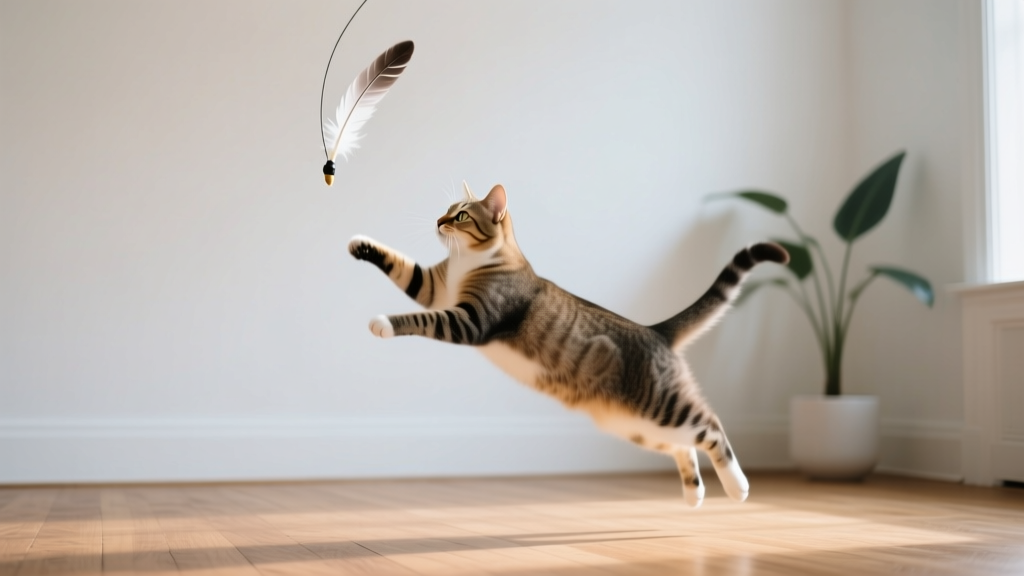
- A quick wand-toy chase before your meeting
- A treat puzzle to occupy them while you type
4) Redirect play appropriately
If your cat wants to wrestle the cord, swap it for a safer outlet:
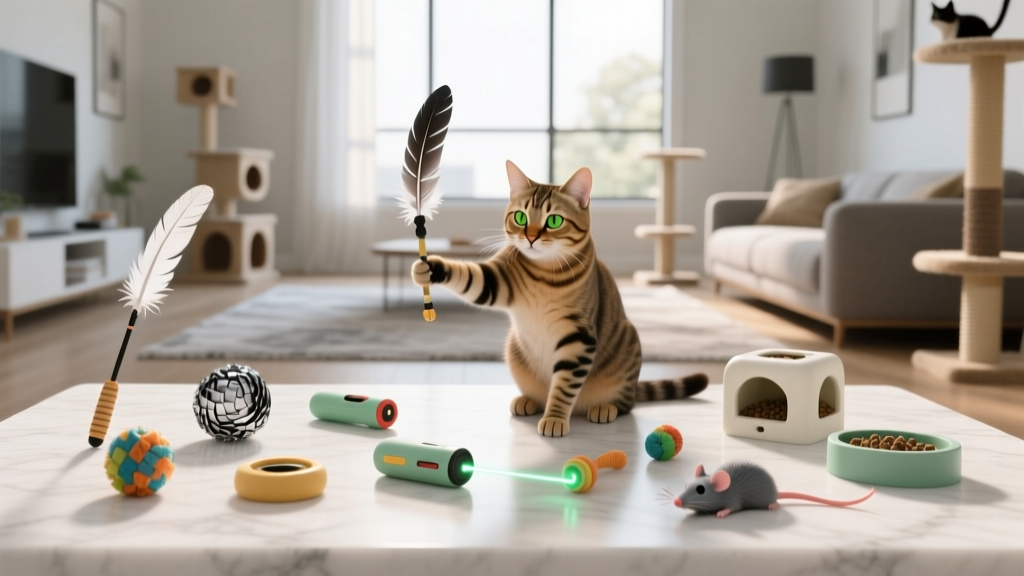
- Wand toys (distance keeps hands safe)
- Kicker toys for bunny-kicking
- Crinkle toys or track-ball toys for solo play
Try not to “play back” with the cord by wiggling it. That teaches your cat that cords are toys.
5) If the behavior is attention-seeking, avoid rewarding the nuisance version
This is the tricky part. If your cat sits on the cord and you immediately respond with big energy, you may accidentally reinforce it. Instead:
- Calmly move the cord away without commentary.
- Then invite your cat to the approved spot and reward that choice.
You’re not ignoring your cat—you’re teaching them a more successful way to ask.
Fun facts and research-flavored insights
- Cats are “thigmotactic” creatures: many animals, including cats, feel safer when they can maintain contact with surfaces. That’s part of why boxes, tight spaces, and leaning against things are so appealing.
- Warmth isn’t just comfort—it's efficiency: Cats often choose resting spots that help them maintain body temperature with minimal energy expenditure. It’s one reason they seem magnetically drawn to sunny rectangles and recently used electronics.
- Your attention is a powerful reinforcer: From a learning perspective, behaviors that reliably cause humans to look, speak, or reach tend to repeat. Cats are excellent at discovering what “moves” us.
FAQ: Common questions about cats and laptop charging cords
Why does my cat sit on the cord instead of the warm laptop?
Sometimes the cord is simply more accessible or offers a tactile “ridge” that feels secure. Other times, the cord is the part that gets the quickest reaction from you—meaning it’s the part your cat learns is most effective.
Is it dangerous if my cat just sits on the cord?
Sitting is usually low-risk, though it can damage cables over time. The real danger is chewing, fraying, or exposed wires. If your cat has any history of biting cords, prioritize cord protection and management.
How do I stop my cat from chewing cords?
Use physical barriers (covers/tubing), remove access when possible, and provide better chew-safe enrichment (approved chew toys, dental toys, food puzzles). If chewing is frequent or intense, talk to your veterinarian to rule out medical issues and consider a behavior consult.
Does cord-sitting mean my cat is jealous of my laptop?
Not jealousy in the human sense. It’s more accurate to say your cat is drawn to what reliably captures your attention and routine. They’re trying to be part of the action—or redirect it.
My cat sits on the cord and stares at me. What do they want?
Often: interaction. They may want petting, play, or a change in what you’re doing. Check their body language—relaxed asks for closeness; twitchy, restless energy asks for play or enrichment.
Should I punish my cat for this?
No. Punishment can increase stress and make your cat more sneaky (chewing cords when you’re not looking). It’s more effective to manage the environment, teach an alternative spot, and reinforce the behavior you want.
Cats have a special talent for turning ordinary objects into meaningful little stages for communication—especially when those objects affect what we do. If your cat has a favorite “most inconvenient place to sit,” you’re in good company.
Seen a particularly hilarious cord-sitting moment, a strategic laptop blockade, or a clever workaround that actually worked? Share your story with the Cat Lovers Base community on catloversbase.com—we’d love to hear what your cat has decided is their personal office furniture.