Cat Paw Bumping the Pet Water Fountain: Drink Request
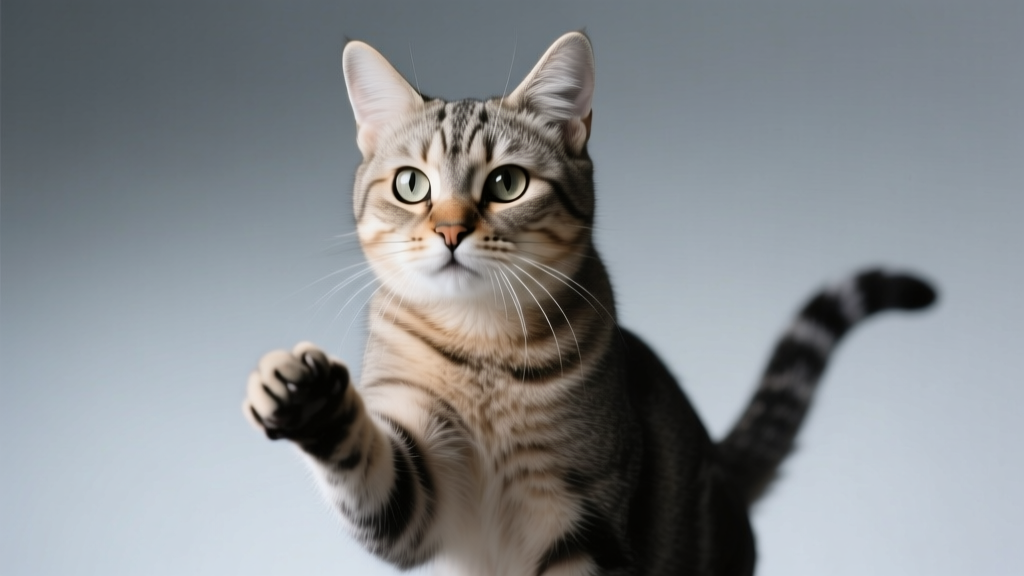
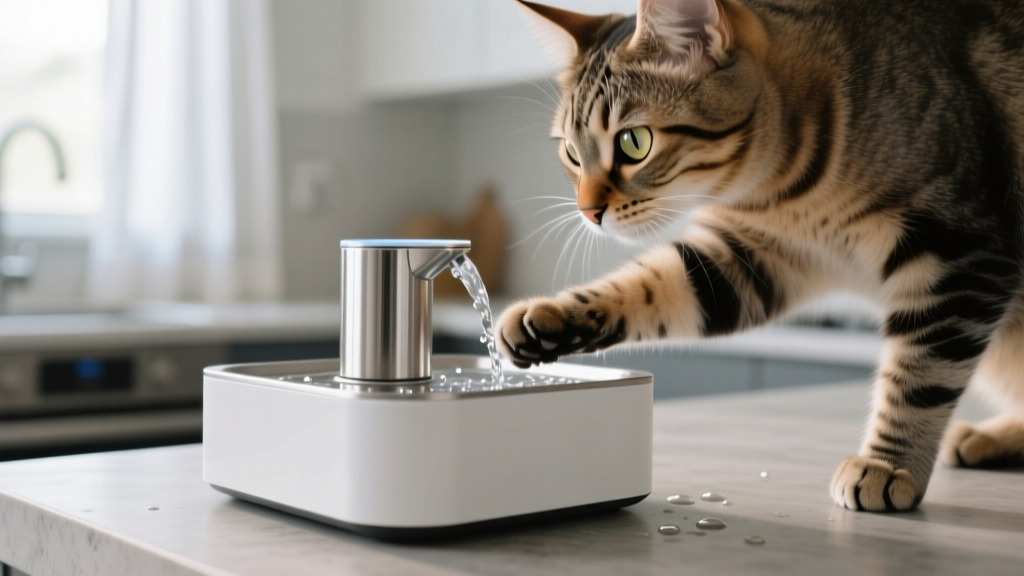
You’re half-awake in the kitchen when you hear it: tap… tap-tap… followed by the soft whirr of the pet water fountain. You look over and there’s your cat—sitting like a tiny supervisor—reaching out a paw to bump the fountain’s rim, the spout, or the stream itself. They pause, stare at the moving water as if evaluating its performance, then take a few delicate sips. Or… they don’t drink at all and just keep tapping like they’re trying to unlock a secret level.
If you’ve ever wondered whether your cat is being picky, playful, dramatic, or genuinely thirsty (or all of the above), you’re not alone. Paw-bumping water is one of those wonderfully feline behaviors that’s both practical and a little mysterious. It often is a “drink request,” but it can also be a safety check, a habit, a form of communication, or even a boredom buster.
Why Cats Paw at Water: The Science and Evolution Behind It
Cats didn’t evolve sipping from stainless-steel bowls in brightly lit kitchens. Their ancestors were small desert-dwelling hunters, and water sources in nature could be questionable: puddles, slow streams, muddy edges, or ripples hiding insects—or predators. Tapping water with a paw is a simple, low-risk way to gather information.
From a behavior standpoint, paw-bumping a fountain can serve a few evolutionary “jobs”:
- Assessing safety: Moving water is often safer than stagnant water. A paw test can confirm that the water is fresh and flowing.
- Testing depth and edges: Cats dislike surprises with their feet. A paw can check where the waterline is before committing their face to it.
- Improving visibility: Still water can be hard for cats to see. Their close-up vision isn’t designed for fine detail the way ours is. Ripples can make the water’s surface easier to detect.
- Controlling the environment: Cats are wired to interact with small moving things. A fountain stream resembles prey-like motion, triggering curiosity and investigative behavior.
Add in the fact that cats are both predators and prey in the wild, and you get a species that likes to be cautious, gather information first, and keep their face out of vulnerable positions when possible.
A Detailed Breakdown: Different Contexts of Paw-Bumping the Fountain
Not all paw taps mean the same thing. The context matters—what happens before and after the tapping, and what your cat’s body language looks like.
1) “Make It Move” Tap (Water Activation)
Some cats paw the fountain because they’ve learned a pattern: paw bump → water stream changes → water feels fresher. If your fountain has a motion sensor, a floating spout, or a lid that rattles slightly, your cat may have discovered how to “wake it up.”
What it looks like: A purposeful tap, brief pause, then immediate drinking. The cat may repeat the tap if the flow slows.
2) “Is This Real Water?” Tap (Visibility Check)
Clear water in a glossy basin can be visually confusing. Some cats hesitate to put their face near something they can’t clearly see. A paw creates ripples, which gives the surface definition.
What it looks like: Gentle tapping at the surface, head tilted, whiskers forward, followed by slow sipping—often from the edge rather than straight under the stream.
3) “I Don’t Want My Whiskers to Touch That” Tap (Comfort + Whisker Sensitivity)
Many cats dislike their whiskers brushing against a bowl’s sides. While “whisker fatigue” is debated as a formal diagnosis, whiskers are highly sensitive sensory tools. If the fountain design forces whiskers to press against edges, your cat may paw at the water to bring it closer or splash it to a more comfortable spot.
What it looks like: The cat drinks a little, then paws again, sometimes licking water off their paw instead of leaning in.
4) “Hey Human, Fix This” Tap (Communication)
Cats are excellent at training humans. If pawing the fountain has ever resulted in you cleaning it, refilling it, praising them, or turning it on, your cat may use that paw bump as a request: “Water service, please.”
What it looks like: The cat taps, glances at you, taps again, possibly meows, then waits. This is especially common if the fountain is low, empty, noisy, or clogged.
5) “This Is Fun” Tap (Play + Enrichment)
A stream of water is a low-stakes moving target. Some cats simply enjoy the sensory experience—coolness, sound, movement, splash—especially kittens or high-energy adults.
What it looks like: Repeated pawing, chasing droplets, batting the stream, turning the fountain into a personal splash park. Drinking may be secondary—or not happen at all.
6) “Something Feels Off” Tap (Caution or Concern)
If the fountain smells different (new filter, detergent residue, stagnant water) or sounds different (motor struggling), your cat may investigate with their paw because they’re unsure about approaching with their face.
What it looks like: Hesitation, sniffing, slow cautious taps, then backing away or only taking tiny sips.
What Paw-Bumping Says About Your Cat’s Mood and Feelings
Your cat’s emotional state is written in the details. Here are some common “translations”:
- Curious and engaged: Ears forward, relaxed tail, steady tapping, calm posture. This cat is mentally stimulated and exploring.
- Confident and demanding (in a charming way): Direct eye contact with you after tapping, sitting tall, vocalizing. This cat has learned they can make requests.
- Cautious or uncertain: Low posture, ears swiveling, leaning back while extending the paw, sniffing repeatedly. Something about the fountain feels new or questionable.
- Playful and excited: Quick paw strikes, pouncing, chirps, sideways hops, zoomies afterward. The fountain has become an activity.
- Mildly stressed or picky: Lots of checking, little drinking, frequent walking away and returning. This may be preference-based—or a signal to evaluate water freshness and setup.
One of the sweetest signs is when your cat taps, looks at you, and waits. That’s not “being naughty.” That’s a cat using a learned behavior to communicate with their favorite resource manager: you.
Related Behaviors You Might Also Notice
Cats who paw-bump fountains often show other water-adjacent quirks:
- Paw-dipping in a water bowl and licking droplets off their paw
- Drinking from the faucet (especially if they prefer cooler, freshly moving water)
- Knocking over water bowls (sometimes to create movement or to protest a stale smell)
- Staring at water for a long time before drinking (visual confirmation)
- Dragging toys to the fountain or “fishing” in the basin (play behavior + curiosity)
- Following you into the bathroom and showing intense interest in running water
These behaviors often cluster together because they’re driven by the same internal motivations: caution, curiosity, sensory stimulation, and a preference for freshness.
When Paw-Bumping Is Normal vs. When It Might Be a Concern
Most of the time, pawing at the fountain is perfectly normal—just your cat being a cat. But it’s worth paying attention to changes in frequency and the bigger hydration picture.
Normal and harmless when:
- Your cat paws briefly, then drinks normally.
- The behavior is occasional, playful, and your cat seems relaxed.
- Your cat is otherwise eating, peeing, and acting normally.
- The pawing happens more with a new fountain or after cleaning (they’re checking it out).
Potentially concerning when:
- Your cat is trying to drink but can’t seem satisfied (frequent trips, agitation, increased drinking).
- Your cat suddenly becomes obsessed with water or their drinking habits change significantly.
- There are signs of dehydration (tacky gums, lethargy, reduced appetite) or changes in urination.
- Your cat avoids drinking altogether but keeps pawing, as if conflicted.
- They’re pawing because the fountain is malfunctioning—dirty filter, low water level, unusual noise—leading to reduced intake.
Increased thirst can be associated with medical issues like kidney disease, diabetes, or hyperthyroidism. If you notice a meaningful change—especially increased drinking and urination—check in with your veterinarian. Behavior is often the first clue that something internal has shifted.
How to Respond (and How to Encourage Healthy Drinking)
The goal isn’t to stop the paw-bump—it’s to make sure your cat has a clean, appealing, stress-free way to drink.
Practical tips that help most cats:
- Check fountain flow and water level daily. Many paw “requests” are simply: “It’s low” or “The stream is weak.”
- Clean it on a schedule. Biofilm (that slippery feel) and mineral buildup can change taste and smell. Rinse parts regularly and deep-clean as recommended by the manufacturer.
- Replace filters as directed. Old filters can make water taste off or reduce flow, increasing pawing and decreasing drinking.
- Offer multiple water stations. One fountain plus a wide ceramic or stainless-steel bowl in another location can reduce fussiness and encourage intake.
- Use a wide, whisker-friendly design. Shallow, broad drinking areas are often preferred.
- Place water away from the litter box and food. Many cats prefer separation; it can feel more “safe” and natural.
If your cat uses pawing to “ask” you for help:
Respond consistently. If you want pawing to be a clear communication signal, reward it by checking the fountain promptly—refill, clean, or adjust. If you don’t want constant tapping to become a game that summons you instantly, respond calmly and reliably, but don’t add extra excitement. No big reactions, no frantic rushing—just quiet, dependable service.
If your cat is turning the fountain into a splash zone:
- Try a heavier fountain with a stable base and a less “bat-able” stream.
- Put a waterproof mat underneath to protect floors and reduce slipping.
- Add more play elsewhere (wand toys, puzzle feeders). Sometimes “water play” is a clue your cat needs more enrichment.
Fun Facts and Research-Adjacent Nuggets
- Cats often prefer running water. Many owners notice increased drinking with fountains, likely because moving water can seem fresher and is more noticeable.
- Whiskers are precision sensors. They help cats measure openings and detect airflow changes. If a drinking setup crowds the whiskers, some cats adjust by paw-scooping or drinking at odd angles.
- Hydration is a big deal for cats. Cats naturally have a low thirst drive compared to some animals, especially if eating dry food. Anything that makes water more appealing can support urinary tract health.
- Your cat is a pattern-learning machine. If tapping produces a predictable outcome—fresh water, attention, movement—they’ll repeat it. Cats are excellent at “operant conditioning,” even if they pretend not to be.
FAQ: Cat Pawing the Water Fountain
1) Is my cat pawing the fountain because they want me to refill it?
Often, yes—especially if they paw, look at you, and wait. Many cats learn that pawing reliably gets the human to check the fountain. Confirm by checking the water level, flow strength, and filter condition.
2) Why does my cat paw the water and then lick their paw instead of drinking normally?
This can be a comfort strategy (avoiding whisker contact), a cautious approach (testing first), or a preference. If they’re still getting adequate water and seem healthy, it’s usually just a quirky drinking style.
3) My cat never did this before. Why now?
Common triggers include a new fountain, a new filter smell, a different cleaning product, reduced flow, or stress in the household. If the change is sudden and paired with increased drinking/urination or other health changes, consult your veterinarian.
4) Should I discourage pawing because it’s “bad behavior”?
Not typically. Pawing is natural investigation and communication. If it’s causing mess or damage, manage the setup (mat, sturdier fountain) and increase enrichment rather than scolding.
5) Does pawing mean my cat doesn’t like the water?
Not necessarily. Many cats paw before drinking as a routine check. But if pawing increases while drinking decreases, consider that the water may taste or smell different, the fountain may be dirty, or the location may feel unsafe.
6) Is a fountain better than a bowl?
For many cats, yes—fountains can encourage drinking. But some cats prefer a simple, wide bowl. The best setup is the one your cat uses consistently, ideally with multiple options.
If your cat is a dedicated fountain “booper,” you’ve got company—many cats have strong opinions about how water should behave. Notice the pattern, tweak the setup, and treat the paw-bump as what it often is: a clever little message from a creature who can’t speak your language but is very good at getting their point across.
Have a cat with a dramatic fountain routine, a special tapping “signal,” or a hilarious splash strategy? Share your story with the Cat Lovers Base community at catloversbase.com—we’d love to hear what your cat has decided water should do.