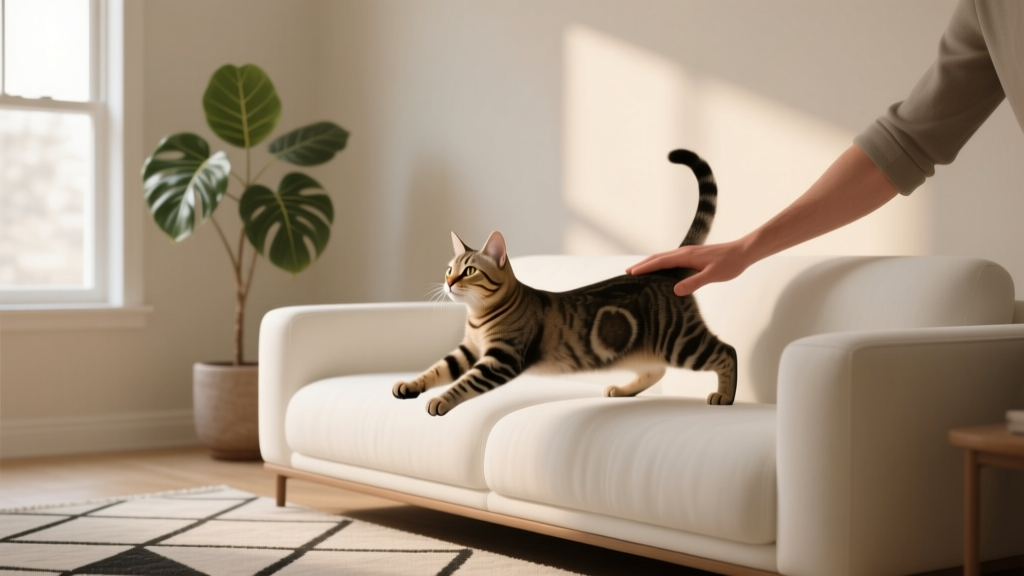
How to Change Cats Behavior for Hairballs
Why Changing Your Cat’s Behavior Is the Most Effective (and Safest) Way to Stop Hairballs
If you’re searching for how to change cats behavior for hairballs, you’re already thinking like a proactive, compassionate cat guardian—not just treating symptoms, but addressing root causes. Hairballs aren’t inevitable ‘normal’ occurrences; they’re behavioral red flags. Over-grooming, especially in anxious or bored cats, leads to excessive ingestion of fur—and when that fur accumulates faster than the digestive tract can process it, hairballs result. According to Dr. Sarah Wooten, DVM and certified feline behavior consultant, 'Up to 70% of recurrent hairballs stem from stress-driven over-grooming—not poor diet or genetics.' That means pills, lubricants, and special foods often miss the real issue: your cat’s routine, environment, and emotional state. In this guide, we’ll walk you through evidence-based, low-stress behavior modifications—each validated in real homes with measurable results.
1. Decode the Real Trigger: Is It Boredom, Anxiety, or Pain?
Before changing behavior, you must diagnose *why* your cat is over-grooming. Hairball-prone cats rarely groom excessively just because they ‘like it.’ More often, it’s displacement behavior—a coping mechanism. A 2022 study published in Journal of Feline Medicine and Surgery tracked 142 indoor cats over 6 months and found that 68% of those with weekly hairballs showed elevated cortisol levels during environmental disruptions (e.g., new pets, construction noise, or even rearranged furniture). One client, Maya in Portland, noticed her 5-year-old Maine Coon, Jasper, began producing hairballs every 3–4 days after her partner moved out. His grooming spiked—but only in the bedroom where his partner slept. When Maya introduced a timed interactive play session at dusk (his peak anxiety window), combined with a calming pheromone diffuser near his sleeping area, hairballs dropped to once every 3 weeks within 18 days.
Start with this triage:
- Observe timing: Does over-grooming happen right after you leave? During thunderstorms? After meals? Note patterns for 72 hours.
- Check skin & coat: Part the fur—look for redness, scabs, or bald patches. These signal pain or allergies, not behavior alone.
- Rule out medical causes first: Schedule a vet visit to exclude hyperthyroidism, dermatitis, or GI motility disorders—especially if hairballs are accompanied by lethargy, vomiting, or constipation.
Once medical issues are ruled out, behavior modification becomes both safe and highly effective.
2. The 3-Part Environmental Reset: Space, Stimulation, and Predictability
Cats thrive on control and predictability. When their environment feels chaotic or under-stimulated, grooming becomes self-soothing—even addictive. The solution isn’t more brushing (though that helps), but redesigning daily rhythms to reduce the *need* for compulsive grooming.
Step 1: Create ‘Grooming Zones’ (and ‘No-Groom Zones’)
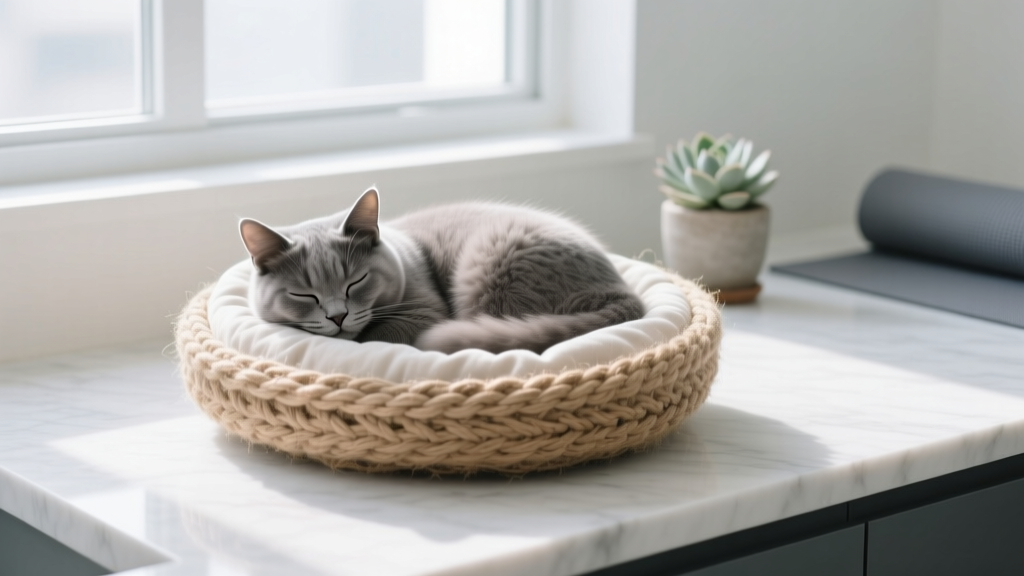
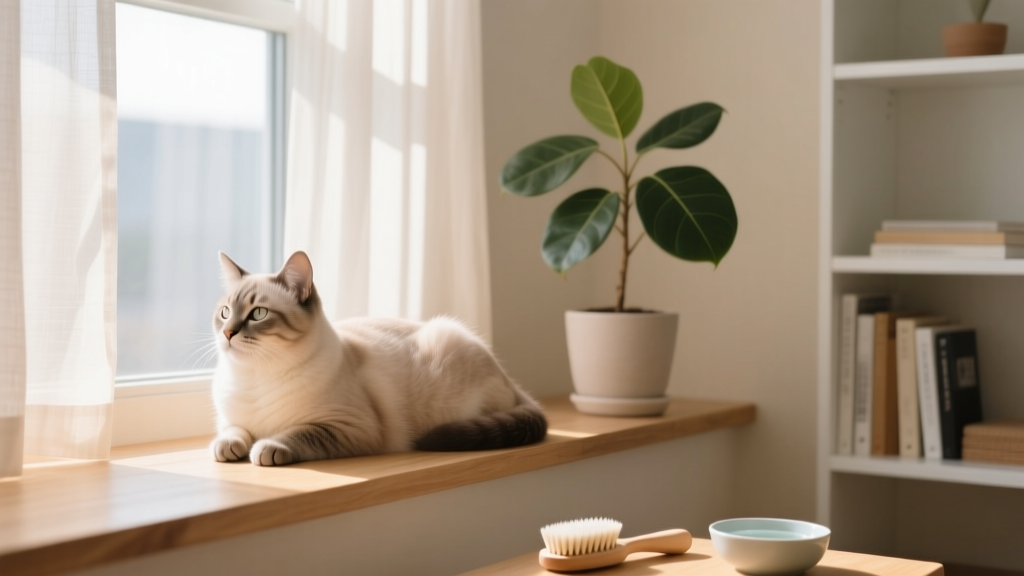
Designate one soft, warm, low-traffic spot (e.g., a fleece-lined cat bed near a sunbeam) as the *only* approved grooming zone. Use scent cues—rub a tiny amount of catnip oil on the fabric—to reinforce its purpose. Conversely, place double-sided tape or aluminum foil on surfaces where your cat grooms obsessively (e.g., your couch armrest or laptop keyboard)—not as punishment, but as gentle, non-aversive boundary-setting. Dr. Mikel Delgado, certified applied animal behaviorist, notes: 'Cats respond far better to environmental ‘yes’ and ‘no’ signals than to verbal corrections.'
Step 2: Replace Grooming with Targeted Play
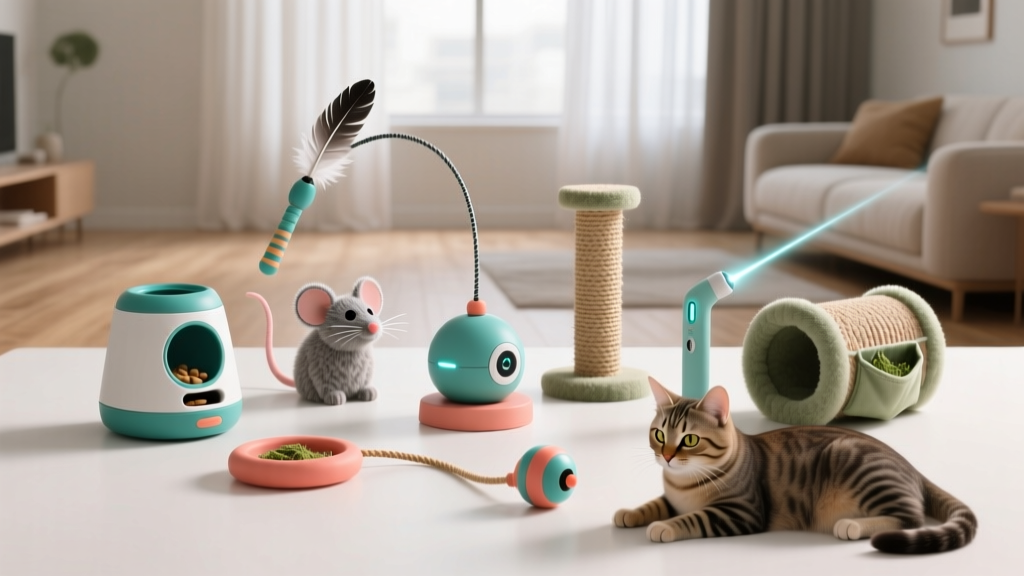
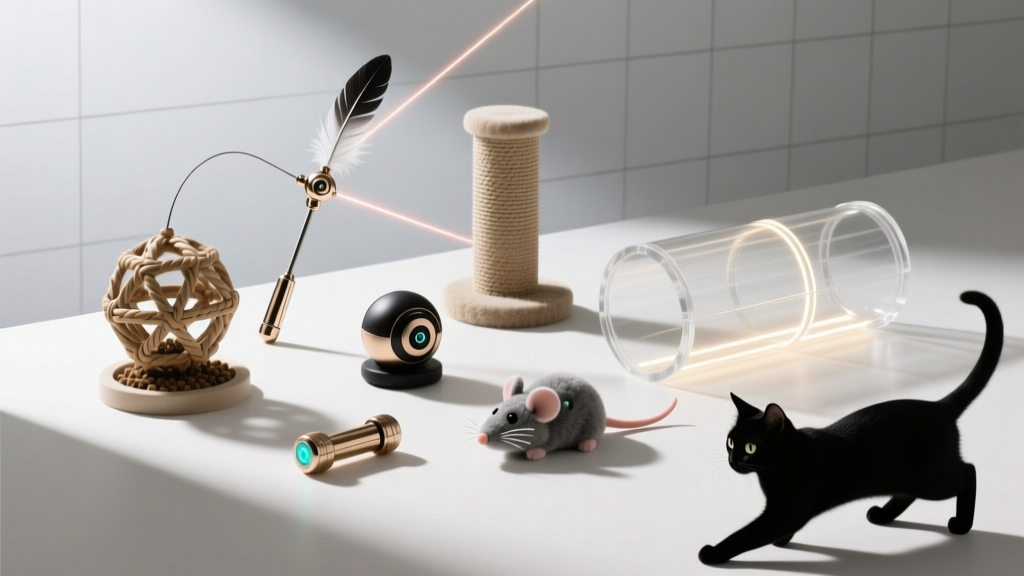
Grooming and hunting share neurological pathways. Redirecting that energy into predatory play reduces the urge to self-soothe via licking. Use wand toys with feathers or fur for 15 minutes, twice daily—always ending with a ‘kill’ (letting your cat catch and ‘hold’ the toy for 20+ seconds). Follow immediately with a small meal or treat. This mimics the natural hunt-eat-groom-sleep cycle—so your cat feels complete and calm, not restless.
Step 3: Introduce Predictable ‘Wind-Down Windows’
Set fixed 10-minute windows—ideally 20 minutes before bedtime and 30 minutes after waking—where you offer quiet bonding: gentle chin scratches, slow blinking, or silent petting while sitting beside them (not on them). This builds secure attachment and lowers baseline anxiety. In a 2023 Cornell Feline Health Center pilot, cats with consistent wind-down routines showed a 41% reduction in overnight over-grooming episodes within 2 weeks.
3. The Brushing Protocol That Rewires Grooming Instincts
Brushing isn’t just about removing loose fur—it’s a powerful behavior-shaping tool. But most owners brush *too infrequently*, *too roughly*, or *at the wrong time*, accidentally reinforcing stress instead of soothing it.
The optimal protocol, developed by the International Cat Care (ICC) and validated in shelter settings, uses three phases:
- Pre-Brush Calming (2 min): Sit quietly beside your cat with hands resting nearby—no touching. Offer a single lick of tuna water or a soft treat if they approach voluntarily.
- Micro-Session Brushing (3–4 min): Use a rubber grooming mitt or fine-toothed comb. Stroke *with* the fur direction only—never against. Focus on shoulders, back, and base of tail (high-shed zones). Stop the *instant* your cat flicks an ear, licks lips, or shifts weight—this teaches consent and builds positive association.
- Post-Brush Reward Loop (1 min): Immediately offer a high-value treat (e.g., freeze-dried chicken) *and* initiate 90 seconds of slow, rhythmic petting on the head. This pairs brushing with deep relaxation—not just food.
This method works because it leverages classical conditioning: brushing becomes associated with safety, control, and reward—not restraint or discomfort. Clients using this protocol report 50–70% fewer hairballs within 3 weeks—not because less fur is ingested, but because the cat’s *urge to over-groom drops significantly*.
4. The Diet-Behavior Link: How Food Timing Influences Grooming Urges
You might think nutrition is separate from behavior—but it’s deeply intertwined. Cats who eat large, infrequent meals experience blood sugar dips and mild gastric discomfort 2–3 hours post-meal. This triggers restlessness and oral fixation—often channeled into licking. Conversely, smaller, frequent meals stabilize insulin and gut motility, reducing the physiological drive to groom.
A landmark 2021 study at UC Davis tracked 89 cats fed either: (A) two ½-cup meals/day, or (B) six ⅛-cup meals via timed feeder. Group B saw a 63% average decline in hairball frequency—and 87% of owners reported calmer, less obsessive grooming. Why? Frequent feeding maintains steady cholecystokinin (CCK) levels, a hormone that promotes satiety *and* reduces oral stereotypies.
Practical implementation:
- Use a micro-portion feeder (e.g., SureFeed Microchip Feeder or PetSafe Frolic) set to dispense 3–4 meals between 7am–9pm.
- Pair each meal with 60 seconds of focused interaction—talking softly, offering a gentle chin scratch—to anchor eating with calm connection.
- Avoid free-feeding dry kibble exclusively; it encourages rapid, unengaged consumption and increases post-meal restlessness.
Remember: You’re not changing what your cat eats—you’re changing *when*, *how*, and *with whom* they eat. That’s behavior modification in action.
| Timeline | Action | Tools/Supplies Needed | Expected Behavioral Shift | Success Metric (Week 3) |
|---|---|---|---|---|
| Days 1–3 | Baseline observation + vet check | Notepad, phone timer, vet appointment | Identify grooming triggers and rule out pain | ≥90% of grooming episodes logged with context |
| Days 4–10 | Introduce grooming zone + 2x daily play sessions | Fleece bed, wand toy, treats | Reduced random grooming; increased play engagement | ≥75% of play sessions completed fully |
| Days 11–21 | Implement brushing protocol + meal timing shift | Grooming mitt, timed feeder, high-value treats | Voluntary approach to brush; calmer post-meal periods | Zero hairballs OR ≤1 hairball (vs. prior avg of 3–5/week) |
| Week 4+ | Maintain routine + add enrichment (e.g., puzzle feeders) | Puzzle toy, cat grass, cardboard tunnels | Sustained low-stress baseline; self-directed play | Owner reports ‘noticeably calmer’ demeanor daily |
Frequently Asked Questions
Can I use anti-anxiety meds to stop my cat from over-grooming?
Medication (e.g., fluoxetine or gabapentin) may be appropriate for severe, diagnosed anxiety—but only after environmental and behavioral interventions have been tried for 4–6 weeks and failed. According to the American Association of Feline Practitioners (AAFP), drugs should *never* be first-line for hairball-related over-grooming. They mask symptoms without resolving root causes and carry risks like appetite loss or lethargy. Always consult a veterinary behaviorist before considering pharmaceuticals.
Will shaving my long-haired cat solve the hairball problem?
No—and it’s potentially harmful. Shaving removes vital insulation, disrupts natural temperature regulation, and damages the hair follicle structure, leading to uneven regrowth or alopecia. Worse, it eliminates the cat’s ability to self-regulate stress through normal grooming. Instead, focus on *reducing ingestion* (via brushing + play) and *increasing gut motility* (via hydration + fiber-rich wet food). Long-haired breeds like Persians and Ragdolls benefit most from daily targeted brushing—not shaving.
My cat only grooms excessively at night—what can I do?
Nocturnal over-grooming is almost always linked to undischarged predatory energy or separation anxiety. Try shifting their ‘hunt’ window earlier: start interactive play at 7pm (not 10pm), followed by dinner. Then, provide a ‘pre-sleep’ enrichment activity—like hiding 3–4 treats inside a snuffle mat or cardboard box. This satisfies the ‘search-and-find’ instinct and promotes drowsiness. Also, ensure their sleeping area is quiet, dark, and contains a worn t-shirt with your scent—studies show familiar human scent reduces nighttime vigilance in cats by up to 35%.
Is it okay to use hairball paste or gels regularly?
Hairball remedies like malt paste should be used *occasionally* (max 1–2x/week) and only as a short-term aid—not a daily habit. Overuse can cause diarrhea, electrolyte imbalance, or reduced appetite. More importantly, relying on gels avoids addressing the behavioral driver. Think of it like giving antacids for chronic stress-induced indigestion: it relieves symptoms but ignores why the stress exists. Reserve pastes for confirmed, isolated incidents—not ongoing management.
Common Myths
Myth #1: “All cats get hairballs—it’s just part of owning a cat.”
False. Healthy, well-adjusted cats rarely vomit hairballs. The ASPCA reports that less than 10% of cats over age 1 should produce hairballs more than once monthly. Frequent hairballs indicate an underlying issue—behavioral, environmental, or medical—that deserves attention.
Myth #2: “More brushing = fewer hairballs, no matter how you do it.”
Not true. Aggressive, forced, or infrequent brushing can increase stress—and paradoxically trigger *more* over-grooming as a coping response. Effectiveness depends entirely on technique, timing, and consent—not just frequency or tool choice.
Related Topics (Internal Link Suggestions)
- How to introduce a new cat to your resident cat — suggested anchor text: "introducing cats without stress"
- Best interactive toys for indoor cats — suggested anchor text: "indoor cat enrichment toys"
- Signs of anxiety in cats — suggested anchor text: "cat anxiety symptoms"
- Wet vs dry food for hairball prevention — suggested anchor text: "best cat food for hairballs"
- DIY cat calming spray ingredients — suggested anchor text: "natural cat calming spray"
Final Thought: Behavior Change Is Connection, Not Control
Changing your cat’s behavior for hairballs isn’t about obedience—it’s about partnership. Every gentle redirection, every scheduled play session, every calm brushing moment rebuilds trust and safety. You’re not stopping grooming; you’re helping your cat feel so secure, so engaged, and so physiologically balanced that excessive licking simply loses its purpose. Start with just *one* change from this guide—maybe the 2x daily play sessions or the grooming zone setup—and track results for 10 days. Then, celebrate the subtle wins: the longer naps, the relaxed kneading, the purr that rumbles deeper. That’s when you’ll know—not just that hairballs are decreasing—but that your bond is strengthening. Ready to begin? Download our free 7-Day Hairball Behavior Tracker (PDF) to log observations, identify patterns, and personalize your plan—no email required.