Cat Paw Bumping the Catnip Toy: Play Request
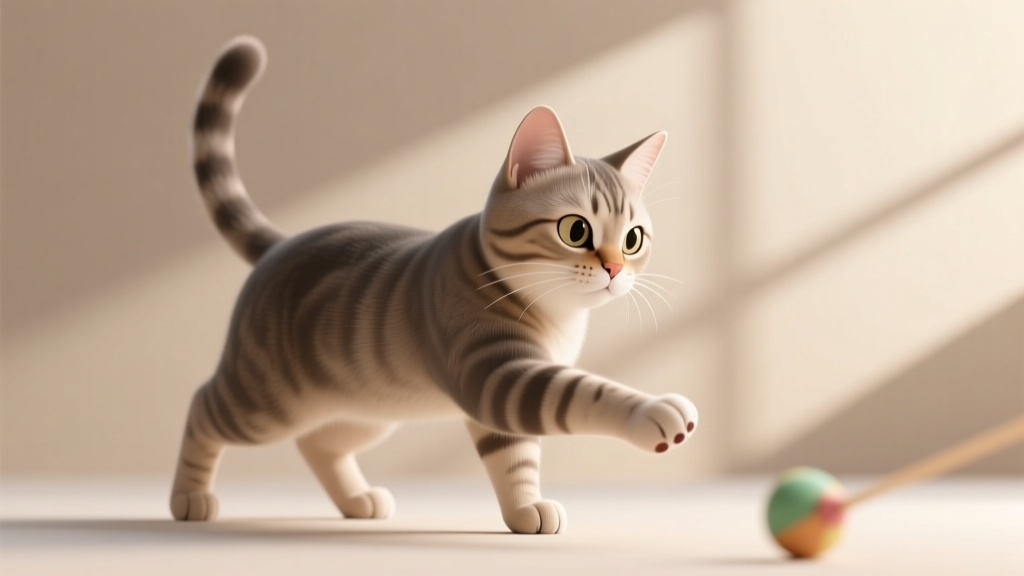
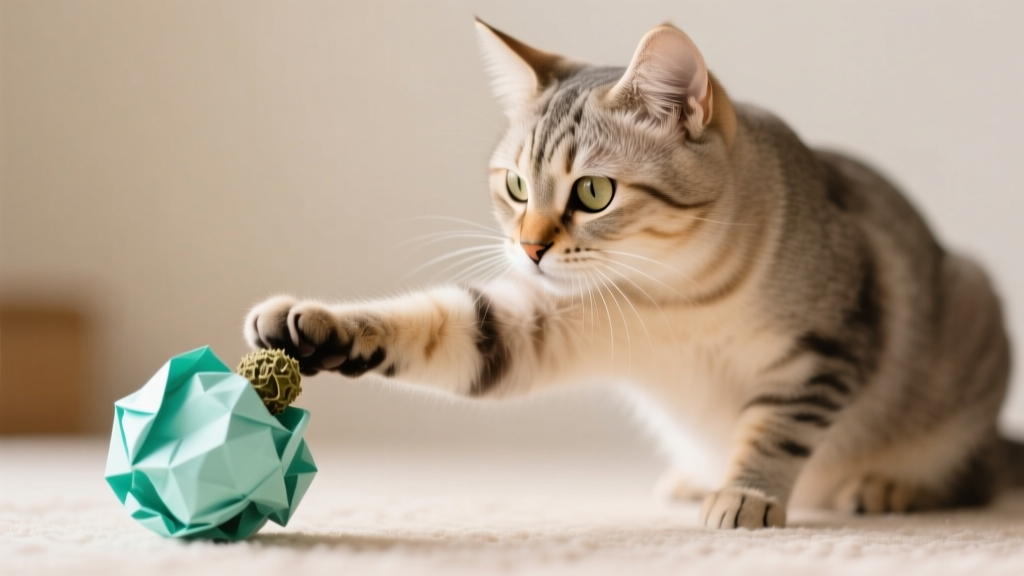
You’re sitting on the couch, minding your own business, when you hear it: a soft thump… thump… thump. You look down and your cat is standing over a catnip toy like it’s a tiny opponent in a boxing ring—tapping it with one paw, stepping back, staring intensely, then tapping it again. Sometimes they add a dramatic head tilt, sometimes a little hop backward like the toy “moved,” and sometimes they look up at you as if to say, “Well? Are you joining this or what?”
If you’ve ever wondered why cats do that paw-bump routine—especially with catnip toys—you’re watching a mix of hunting instinct, playful experimentation, and (often) a very clear social request: play with me. And yes, your cat may be auditioning you for the role of “second kitten.”
Why Cats Paw-Bump Toys (The Science and the Wild Backstory)
Domestic cats are tiny predators with brains designed for stalking, pouncing, and testing prey. In the wild, a feline that rushes in too boldly can get bitten, scratched, or injured. So cats evolved a strategy that looks suspiciously like your cat’s gentle “boop” on a toy: probe first, commit later.
That paw bump is a safe way to gather information:
- Is it alive? (Will it move when touched?)
- Is it dangerous? (Does it bite back? Does it startle me?)
- How does it behave? (Does it roll, wobble, slide, bounce?)
- Can I control it? (Can I pin it down or flip it?)
Cats also have incredibly sensitive paws. The pads contain specialized receptors that help them detect texture and vibration. A paw bump is like a quick sensory scan—part curiosity, part strategy.
Add catnip to the equation, and the “data gathering” becomes even more exciting. Catnip (Nepeta cataria) triggers a response in many cats through scent receptors, leading to behaviors like rolling, rubbing, drooling, zooming, or focused play. When a catnip toy gets paw-bumped, it can release more scent—rewarding the cat for interacting with it and encouraging them to keep engaging.
A Detailed Breakdown: What Paw-Bumping Looks Like in Different Contexts
Not all paw bumps are created equal. The context matters, and your cat’s body language is the real headline.
1) The “Gentle Tap and Stare”
What you’ll see: A single paw reaches out, taps the toy lightly, then your cat freezes and watches it like it might scurry away.
What it usually means: Curiosity + testing. Your cat is gauging how the toy moves and whether it’s worth escalating into a full pounce.
2) The “Tap-Tap-Tap with Butt Wiggle”
What you’ll see: Repeated paw bumps, a crouch, tail twitching, and that classic pre-pounce rear-end shimmy.
What it usually means: Your cat is transitioning from investigation to “hunt mode.” This is play that closely mimics predatory behavior.
3) The “Bump, Chase, Bump Again” Routine
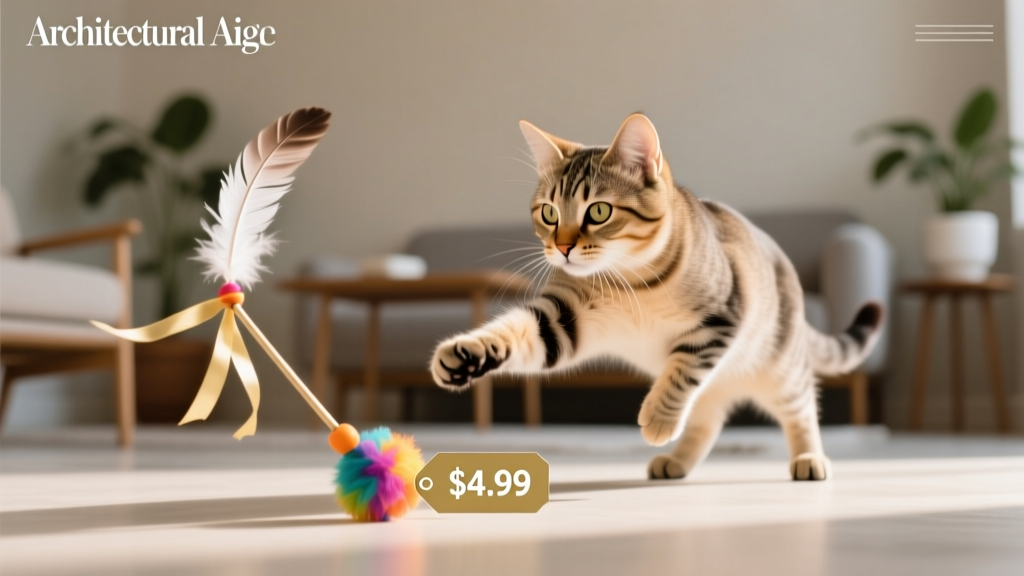
What you’ll see: Your cat bumps the toy so it skitters away, then chases it down and repeats. They may bat it under furniture like they’re trying to stash it in another dimension.
What it usually means: This is self-directed play, and it’s excellent mental exercise. Many cats love toys that move unpredictably with a simple paw strike.
4) The “Bump Then Look at You”
What you’ll see: Your cat taps the catnip toy, then turns their head and makes direct eye contact with you. Sometimes they meow, chirp, or trot a few steps away like they’re inviting you to follow.
What it usually means: Social play request. They’re recruiting you. This is especially common in cats that have learned humans make toys “come alive.”
5) The “Bunny-Kick Upgrade”
What you’ll see: After paw-bumping, your cat grabs the toy with front paws and kicks with the back feet.
What it usually means: This is play that imitates how cats subdue prey. It’s normal and often a sign your cat is highly engaged—just keep your hands out of that zone unless you want to be the “prey.”
What Paw-Bumping Says About Your Cat’s Mood and Feelings
Most of the time, paw-bumping a catnip toy is a green flag: your cat feels safe enough to play and curious enough to investigate. Here’s what it can reveal emotionally:
- Confident and playful: Relaxed ears, loose body, upright tail, quick re-engagement after bumps.
- Excited or overstimulated (catnip can do that): Fast tail swishing, zoomies, sudden bursts of intense biting/kicking.
- Unsure but intrigued: Slow approach, cautious taps, leaning back after contact, ears swiveling to sounds.
- Seeking interaction: Eye contact, vocalizing, bringing the toy near you, bumping the toy close to your feet.
A neat detail: cats often use their paws like hands. Pawing can be exploratory in the same way humans poke something new. When your cat paw-bumps a toy and keeps returning to it, it’s a sign they’re enjoying the “problem” the toy presents—how it moves, how it smells, how it can be controlled.
Related Behaviors You Might Notice
If your cat is a paw-bumper, you may also see these familiar companion behaviors:
- Chirping or trilling at the toy (a hunting-style sound often paired with excitement)
- Carrying the toy in their mouth and yowling (common in some cats; can be “I caught it!” energy)
- Rolling on the toy to rub catnip scent into their face and body
- “Stalking” the toy from behind a chair or doorway like it’s plotting something
- Hooking the toy with a paw and pulling it closer, especially if it’s under a rug or blanket
- Swatting objects off surfaces (same paw-based experimentation, different target)
When Paw-Bumping Is Normal vs. When It Might Be a Concern
In most households, paw-bumping a catnip toy is normal, healthy play. Still, a few situations deserve a closer look.
Totally Normal
- Your cat plays in short bursts, then relaxes.
- The behavior happens mainly around toys (especially catnip-filled ones).
- Your cat’s body language looks loose and happy.
- They can be redirected easily to a wand toy or game.
Potentially Concerning (Worth Monitoring)
- Obsessive or frantic play that doesn’t wind down, especially if your cat seems unable to settle after catnip exposure.
- Aggression that spills onto humans or other pets right after catnip play (overstimulation can lower impulse control).
- Pawing that looks like discomfort—for example, repeated tapping paired with licking the paw, limping, or reluctance to bear weight (could indicate pain, a splinter, or nail issue).
- Sudden change in play behavior—a playful cat stops pawing/playing entirely, or a normally calm cat becomes unusually agitated.
If you notice limping, swelling, persistent paw-licking, or sensitivity when you touch the paw, skip the behavioral analysis and call your veterinarian. Pain can masquerade as “weird play.”
How to Respond (and Encourage Healthy Play)
If your cat is paw-bumping a catnip toy as a play request, you have a golden opportunity: meet them in the middle with play that satisfies their instincts.
1) Turn the Toy “Alive” (But Let Your Cat Win)
Instead of just tossing the toy, give it small movements—short skitters, quick stops, little zigzags. Pause after your cat bumps it and let them “stalk” again. Predatory play is about the sequence: stalk → chase → catch → bite.
2) Use a Wand Toy as a Social Upgrade
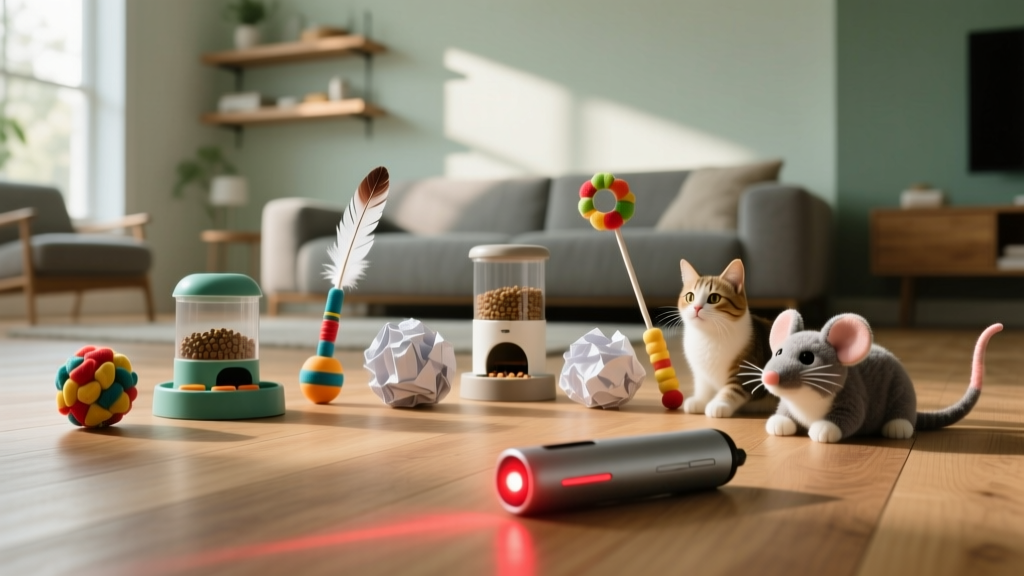
If your cat keeps bumping a catnip toy and staring at you, bring out a wand toy for a two-minute “hunt.” Make it dart behind furniture, peek out, and retreat. Finish with a catch so your cat gets closure.
3) Keep Catnip Play Short and Sweet
Many cats respond to catnip for about 5–15 minutes and then lose interest due to temporary desensitization. That’s normal. Put the toy away afterward and rotate it back in a few days to keep it exciting.
4) Offer Safe Kicking Toys
If your cat paw-bumps and then bunny-kicks, provide longer plush “kicker” toys. This keeps their claws and hind feet busy on an appropriate target instead of your arm.
5) Reward Calm After Play
After an energetic session, give a small snack or a meal. That mimics the natural “eat after hunting” rhythm and helps your cat settle.
6) Make the Environment Toy-Friendly
Hard floors help toys slide. Cardboard scratchers, tunnels, and paper bags (handles removed) create fun ambush zones. The more your cat can practice natural play patterns, the more content they tend to be.
Fun Facts and Research Tidbits About Catnip and Paw Play
- Not all cats respond to catnip. Sensitivity is largely genetic. Many kittens don’t react until they’re a few months old, and some cats never respond at all.
- Catnip isn’t a “drug” in the addictive sense. Most cats self-regulate and stop when they’ve had enough. Afterward, they typically need time before responding strongly again.
- Catnip has cousins. If your cat is unimpressed, you can try silver vine (matatabi) or valerian root—some cats respond more strongly to those than to catnip.
- Paw preference is real. Some cats show a consistent left- or right-paw dominance when swatting or tapping objects, similar to handedness in humans.
FAQ: Cat Paw Bumping the Catnip Toy
1) Is my cat paw-bumping the toy because they want me to play?
Often, yes—especially if they bump the toy and then look at you, vocalize, or repeat the behavior when you’re watching. Cats learn quickly that humans can animate toys in more interesting ways than gravity alone.
2) Why does my cat paw the toy instead of biting it right away?
Pawing is safer. It’s a low-risk way to test movement and “prey” behavior. Many cats will paw first, then pounce and bite once they feel confident and engaged.
3) My cat goes wild with catnip and then gets nippy. Is that normal?
It can be. Catnip can cause excitement and lower a cat’s tolerance for touch or interruptions. Keep catnip play sessions short, avoid handling your cat during peak excitement, and redirect to kicker toys or wand play.
4) How often should I give my cat catnip toys?
For most cats, a few times a week is plenty. Rotating toys helps maintain interest. If your cat becomes overstimulated or aggressive with catnip, reduce frequency or switch to non-catnip toys for daily play.
5) What if my cat doesn’t react to catnip at all?
That’s completely normal. Try silver vine or valerian-based toys, or focus on movement-based play (wand toys, crinkle balls, springs). Many cats care more about motion than scent.
6) Could paw-bumping be a sign of stress?
Usually it’s playful curiosity, but watch the full picture. If paw-bumping is paired with hiding, dilated pupils, flattened ears, or sudden aggression, your cat may be overstimulated or anxious. In that case, reduce intensity and create calmer play routines.
Your cat’s paw bump might look like a tiny, adorable gesture—but it’s loaded with meaning: curiosity, strategy, excitement, and often a sweet invitation to play together. When you respond in a way that fits your cat’s instincts, you’re not just entertaining them—you’re building trust, confidence, and a more satisfying daily rhythm.
Does your cat do the “tap-tap-stare” routine with catnip toys, or do they have their own dramatic play style? Share your funniest paw-bump stories (and any catnip chaos that followed) with fellow cat people on catloversbase.com.