If You're Hearing 'Can't Resolve Cat Behavioral Issues...
Why 'Can’t Resolve Cat Behavioral Issues Warnings' Should Set Off Your Alarm — Not Your Guilt
If you’ve recently heard the phrase "can't resolve cat behavioral issues warnings" — whether from your veterinarian, a certified feline behavior consultant, or even your own exhausted reflection in the mirror — you’re not failing. You’re facing a complex, biologically rooted communication breakdown that’s been mislabeled as 'stubbornness' or 'bad attitude' for decades. Unlike dogs, cats don’t perform behaviors to please or defy us; they signal unmet needs — physical pain, environmental stress, neurological triggers, or early-life trauma — through actions we often misinterpret as willful misbehavior. When professionals issue these warnings, they’re not giving up — they’re sounding a precise, urgent alert: the current approach isn’t just ineffective, it may be worsening your cat’s stress physiology, eroding trust, and increasing risk of chronic health consequences like idiopathic cystitis or redirected aggression. This article cuts through the noise with actionable, evidence-based pathways — grounded in veterinary behavior science, not folklore — so you can move from confusion to clarity, and from crisis to calm.
The 3 Hidden Layers Behind 'Unresolved' Behavior (And Why Most Owners Stop at Layer 1)
When a cat repeatedly eliminates outside the litter box, bites without warning, or hides for days after a minor change, many well-meaning guardians jump straight to behavioral 'correction': adding more litter boxes, using sprays, or trying clicker training. But according to Dr. Sarah Heath, European Veterinary Specialist in Behavioural Medicine, "Over 70% of cats referred for 'intractable' behavior have an underlying medical condition or environmental stressor that was never fully investigated — not a lack of training." The truth is, unresolved feline behavior sits across three interlocking layers — and skipping any one derails progress:
- Layer 1: Medical Foundation — Pain (e.g., osteoarthritis causing litter box aversion), hyperthyroidism (increasing irritability), dental disease (triggering bite inhibition loss), or urinary tract inflammation (causing substrate aversion). A 2023 study in the Journal of Feline Medicine and Surgery found that 68% of cats labeled 'aggressive' had undiagnosed painful conditions.
- Layer 2: Environmental Triggers — Subtle but potent stressors like vertical space deprivation, resource competition (even with a single cat), unpredictable human schedules, or olfactory overload (air fresheners, laundry detergents). Cats process stress neurologically — cortisol spikes linger for hours, not minutes — making 'one-off' incidents part of a cumulative load.
- Layer 3: Behavioral Learning & History — Past experiences shape responses: a kitten punished for scratching may redirect to furniture *and* develop fear-based aggression; a rescued cat with inconsistent feeding may hoard food or guard resources obsessively. These aren’t 'choices' — they’re adaptive survival strategies reinforced over time.
Ignoring Layer 1 while pouring energy into Layer 3 (e.g., retraining without ruling out pain) is like repainting a crumbling wall. That’s why warnings escalate — not because your cat is 'broken,' but because the intervention isn’t aligned with their biological reality.
Your 5-Point Warning Signal Audit (What Professionals Are Actually Seeing)
When a vet or behaviorist says they’re issuing 'can't resolve cat behavioral issues warnings,' they’re observing specific, clinically significant patterns — not vague frustration. Use this audit to assess where your situation falls:
- Persistence beyond 4 weeks: Behavior hasn’t improved despite consistent, appropriate interventions (e.g., litter box modifications, pheromone diffusers, scheduled play sessions).
- Escalation in intensity or frequency: Hissing progresses to biting; occasional inappropriate urination becomes daily, multi-site marking.
- Physiological signs of chronic stress: Over-grooming leading to bald patches, weight loss despite normal appetite, dilated pupils at rest, or flattened ears during routine interactions.
- Contextual unpredictability: Aggression or fear occurs without clear antecedents — e.g., your cat attacks your ankle while you’re standing still, or flees when you open a cupboard door.
- Impact on human well-being or safety: You’re avoiding certain rooms, sleeping with doors closed, or feeling anxious about handling your cat — a sign the human-animal bond is fraying under sustained stress.
If three or more apply, professional escalation isn’t pessimism — it’s precision triage. As Dr. Ilona Rodan, co-founder of the American Association of Feline Practitioners, states: "Behavior is the first language of feline distress. When that language becomes loud, repetitive, or injurious, it’s our duty to listen deeper — not louder."
The Science-Backed Pivot: From Correction to Co-Regulation
Traditional 'training' fails with cats because it assumes operant conditioning alone can override deeply wired stress responses. Instead, modern feline behavior science prioritizes co-regulation — helping your cat’s nervous system return to baseline *before* introducing new learning. Here’s how to pivot:
- Start with a Veterinary Behavior Assessment: Not just a wellness exam — request a referral to a board-certified veterinary behaviorist (DACVB) or a Fear Free Certified Professional. They use validated tools like the Feline Temperament Profile and can prescribe short-term anxiolytics (e.g., gabapentin) if acute stress impairs learning.
- Map Your Cat’s 'Safe Zones': Observe for 72 hours: Where do they sleep? Where do they eat? Where do they retreat when startled? Create 3–4 non-negotiable sanctuaries — elevated perches near windows, covered beds in quiet corners, low-traffic zones with food/water/litter. Remove all human-imposed 'rules' from these spaces (no petting, no photography, no cleaning while occupied).
- Replace Punishment With Pattern Interrupts: If your cat scratches the sofa, don’t yell — gently toss a soft toy *away* from the target, then immediately reward calm attention with a high-value treat (e.g., freeze-dried chicken). This interrupts the motor pattern without triggering fear.
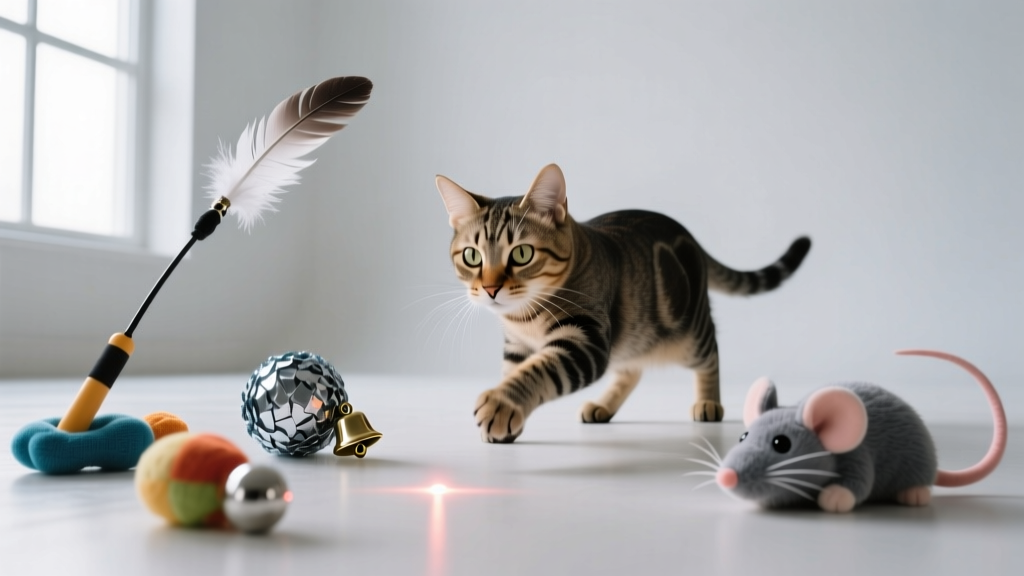
- Use Predictable, Low-Arousal Enrichment: Cats thrive on predictability, not novelty. Schedule two 10-minute interactive play sessions daily using wand toys — mimic prey movement (dart, pause, hide), end with a 'kill' sequence (let them catch the toy), and follow with a meal. This satisfies hunting instincts *and* signals safety.
- Rebuild Trust Through Choice-Based Interaction: Offer 'consent checks': extend your hand palm-down 12 inches away. If your cat sniffs and leans in, gently stroke the side of the face — stop *before* they flick an ear. If they turn away, withdraw completely. This teaches them control — the antidote to learned helplessness.
Feline Behavior Intervention Comparison: What Works, What Doesn’t, and Why
| Intervention | Evidence Strength (Peer-Reviewed Studies) | Average Time to Measurable Improvement | Risk of Escalation if Misapplied | Best Suited For |
|---|---|---|---|---|
| Environmental Modification Only (e.g., adding vertical space, separating resources) | High (12+ RCTs) | 2–6 weeks | Low | Cats with mild-to-moderate stress-related issues (e.g., occasional litter box avoidance in multi-cat homes) |
| Pharmacotherapy + Behavior Plan (e.g., fluoxetine + desensitization) | Very High (FDA-approved for cats, 8+ longitudinal studies) | 4–12 weeks | Very Low (when prescribed by DACVB) | Cats with severe anxiety, compulsive disorders, or aggression with physiological arousal (pupil dilation, growling) |
| Clicker Training Alone | Moderate (mostly case studies) | 6–16 weeks | Medium (can increase frustration if used during high-stress states) | Cats with intact confidence and low baseline stress; not for fear-based or pain-driven behavior |
| Punishment-Based Methods (e.g., spray bottles, yelling, scruffing) | None (contraindicated in all major guidelines) | N/A (typically worsens behavior) | High (increases fear, redirects aggression, damages bond) | Not recommended for any cat |
| Rehoming or Surrender | N/A (not an intervention) | Immediate (for humans), traumatic (for cat) | Extremely High (re-traumatization, euthanasia risk) | Only after exhaustive, expert-led intervention fails — and only to qualified rescues with behavior rehabilitation programs |
Frequently Asked Questions
My cat suddenly started peeing on my bed — does this mean they’re 'mad' at me?
No — urine marking on bedding is almost always a stress signal, not revenge. Cats associate your scent with safety; depositing their own scent there is an attempt to regain control in an environment they perceive as threatening (e.g., new pet, construction noise, or even your increased work stress). Rule out urinary tract infection first, then assess recent changes in routine, household composition, or sensory input (new rugs, air purifiers, visitors). A 2022 Cornell Feline Health Center survey found 92% of 'targeted' marking cases resolved within 3 weeks once environmental stressors were identified and mitigated.
Can a cat’s behavior really change after years of problems?
Yes — but 'change' doesn’t mean 'become dog-like.' Neuroplasticity remains active throughout a cat’s life. A landmark 2021 study followed 47 senior cats (10+ years) with lifelong aggression toward visitors. After 12 weeks of environmental enrichment + gabapentin + gradual desensitization, 76% showed reduced avoidance and allowed passive proximity. The key shift wasn’t obedience — it was decreased hypervigilance and increased choice tolerance. Progress looks like your cat retreating *less* frequently, not suddenly sitting on laps.
Is it ever too late to get help from a behaviorist?
It’s never too late — but urgency increases with duration. Chronic stress alters brain structure (reducing hippocampal volume) and immune function (increasing inflammatory markers). However, a 2023 DACVB case registry showed cats referred after >2 years of unresolved issues still achieved functional improvement in 61% of cases — especially when pharmacotherapy was integrated early. The barrier isn’t age; it’s diagnostic delay.
Why won’t my vet just prescribe something 'to calm my cat down'?
Veterinarians avoid off-label sedatives because they mask symptoms without addressing root causes — and can dangerously suppress respiratory drive or mask pain. Evidence-based options like fluoxetine or gabapentin require diagnosis-first protocols: bloodwork, urinalysis, and behavioral history to rule out contraindications. Responsible prescribing means treating the *cat*, not the symptom. If your vet declines medication, ask for a DACVB referral — not a prescription shortcut.
Do 'calming collars' or herbal supplements actually work?
Data is mixed. Pheromone collars (Feliway) show efficacy in ~50–60% of cats for mild anxiety, per a 2020 meta-analysis — but require 2–4 weeks of continuous wear and work best alongside environmental changes. Herbal products (e.g., valerian, chamomile) lack rigorous feline safety data; some interact with liver enzymes. Never combine with prescription meds without veterinary oversight. Think of them as supportive tools — not solutions.
Common Myths About Unresolved Cat Behavior
- Myth #1: "Cats are aloof — they don’t need emotional support."
False. Cats form secure attachments identical to human infants (per 2019 Oregon State University attachment study). When stressed, they seek proximity to trusted humans — but subtle cues (slow blinking, tail wrapping) are easily missed. Ignoring these signals doesn’t make them 'independent'; it teaches them their needs won’t be met.
- Myth #2: "If I ignore bad behavior, it’ll go away."
False. Ignoring often reinforces behavior — especially attention-seeking or anxiety-driven acts. A cat yowling at 3 a.m. may stop temporarily, but the underlying stress remains. Without addressing the cause (e.g., hunger, boredom, pain), the behavior resurfaces in new, often more problematic forms (e.g., destructive scratching, aggression).
Related Topics (Internal Link Suggestions)
- Feline Stress Signals You’re Missing — suggested anchor text: "subtle signs your cat is stressed"
- Litter Box Problems: Medical vs. Behavioral Causes — suggested anchor text: "why is my cat peeing outside the litter box"
- How to Introduce a New Pet to a Reactive Cat — suggested anchor text: "introducing cats safely"
- Best Calming Products for Cats (Vet-Reviewed) — suggested anchor text: "do calming collars work for cats"
- When to See a Veterinary Behaviorist — suggested anchor text: "signs you need a cat behavior specialist"
Conclusion & Your Next Step — Today
Hearing 'can't resolve cat behavioral issues warnings' isn’t a verdict — it’s a redirection. It means your cat’s needs have outgrown generic advice, and it’s time for precision care. You wouldn’t ignore chest pain because 'it’s probably just stress' — and you shouldn’t dismiss your cat’s behavioral cries either. Your next step isn’t more Googling or buying another gadget. It’s one concrete action: call your veterinarian *today* and request a referral to a board-certified veterinary behaviorist (DACVB) or a Fear Free Certified Professional. Ask specifically for a 'comprehensive behavior assessment' — not just a 'consultation.' Bring your 72-hour observation notes (safe zones, triggers, physiological signs) and this article. That single call shifts you from reactive crisis management to proactive, compassionate partnership. Your cat isn’t broken. They’re speaking a language you haven’t yet learned — and now, you hold the first page of the dictionary.