Why Cats Prefer Multiple Small Meals Throughout the Day
How many times a day should I feed my cat?
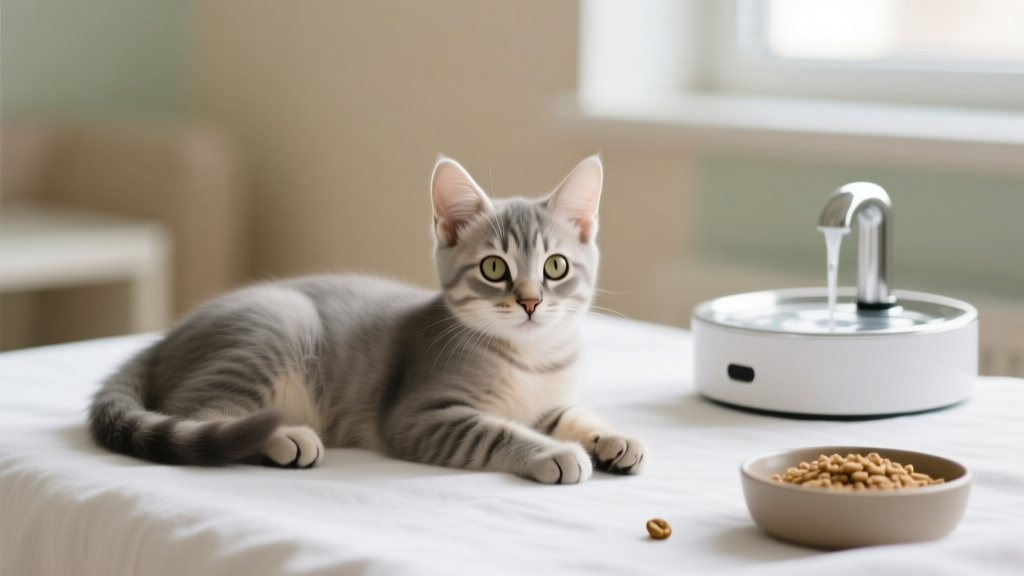
Many healthy adult cats do well with 3–5 small meals per day. Two meals can work for some cats, but if your cat begs intensely, vomits on an empty stomach, or gulps food, adding a small extra meal often helps. For specific calorie targets and medical conditions, consult your veterinarian.
Is free-feeding dry food okay?
It can be okay for a minority of cats that reliably self-regulate and stay lean. For many indoor cats, free-feeding makes weight gain more likely and makes it harder to notice appetite changes early. Measured meals or a timed automatic feeder is usually a better health-focused approach.
My cat wakes me up at 4 a.m. for food. What should I do?
A late-evening small meal and/or an automatic feeder set for an early-morning snack often reduces this behavior. Avoid reinforcing the wake-up routine by feeding immediately when you get up. If the early hunger is new or intense, schedule a vet check to rule out medical causes.
Does feeding more often prevent vomiting?
It can help cats that vomit from an empty stomach, but vomiting is not “normal” if it’s frequent. If your cat vomits more than occasionally, has weight loss, diarrhea, appetite changes, or lethargy, consult your veterinarian for diagnosis and a tailored feeding plan.
Can I feed wet food in multiple meals if I’m gone all day?
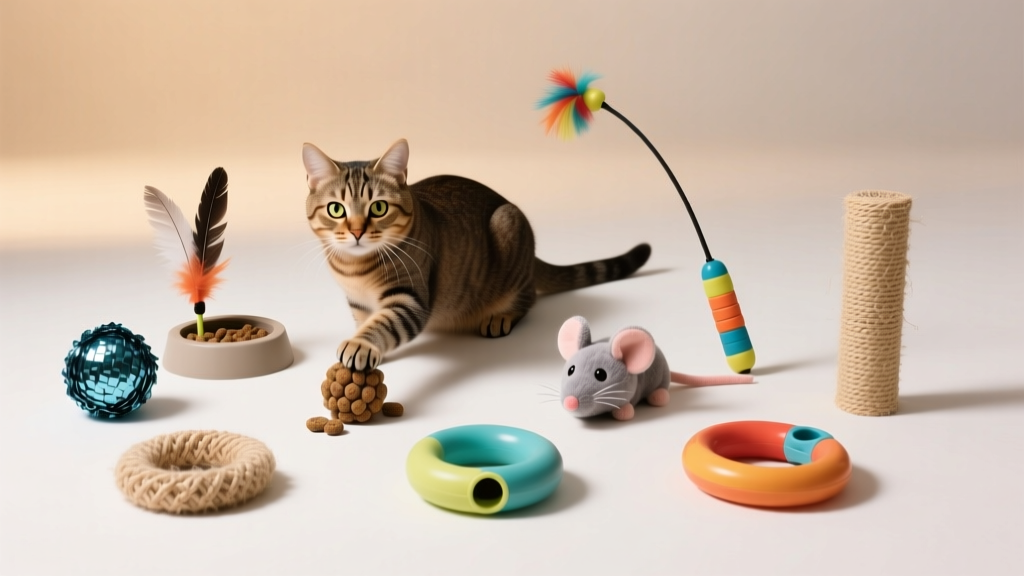
Many owners use a combination approach: wet food when home, and measured dry food via an automatic feeder or puzzle toy when away. There are also timed feeders designed for wet food, but safe handling (temperature/time limits) matters—ask your veterinary team what’s appropriate for your household and climate.
Will multiple small meals help with weight loss?
It can improve adherence by reducing begging and supporting foraging activity, but weight loss depends on total daily calories and an appropriate diet plan. Cats should lose weight slowly and under veterinary guidance to avoid serious complications.
Multiple small meals often match feline biology better than one or two large feedings, but the “best” schedule is the one that keeps your cat at a healthy body condition, supports hydration, and fits your household without accidental overfeeding. If you’re changing meal frequency, food type, or calorie targets—especially for kittens, seniors, or cats with medical conditions—partner with your veterinarian for a plan tailored to your cat.
For more practical feeding strategies, diet comparisons, and cat-health-focused nutrition tips, explore the nutrition guides on catloversbase.com.