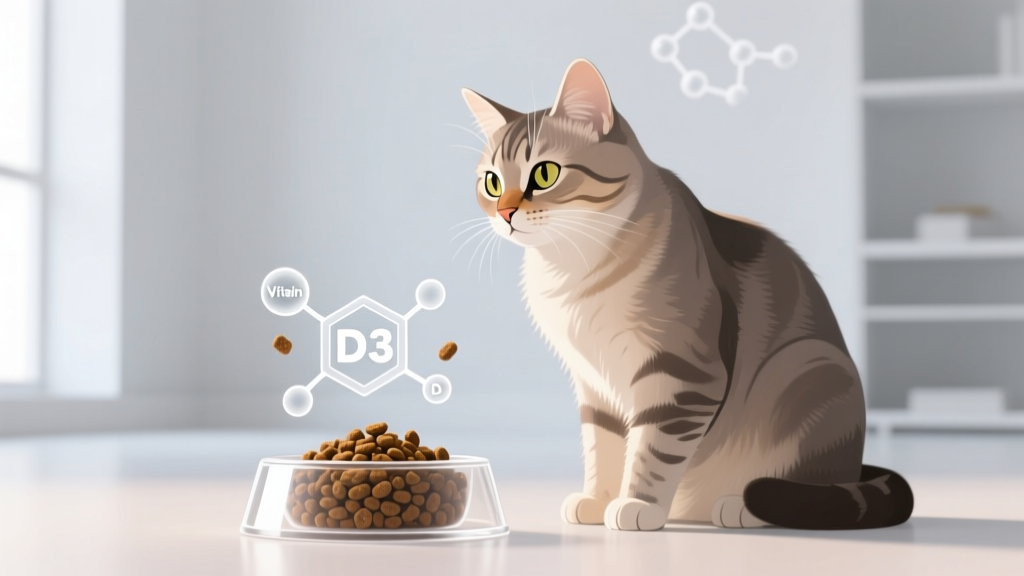
Why Cats Need Pre-Formed Vitamin D in Their Diet
1. Why this topic matters for cat health
Vitamin D is one of those nutrients that sounds straightforward—until you look at how cats actually get it. Many people assume sunlight, fortified plant foods, or “natural” DIY diets will cover a cat’s needs. For cats, that assumption can lead to a real nutritional gap.
Cats are biologically designed to obtain vitamin D from animal-based foods, not from sun exposure or plant ingredients. When vitamin D intake is too low, the body struggles to regulate calcium and phosphorus properly, which can affect bones, muscles, and overall metabolic health. Too much vitamin D is also dangerous, potentially causing severe calcium imbalances and organ damage. That narrow “safe window” is exactly why vitamin D deserves careful attention in feline diets.
2. Scientific background: obligate carnivore nutrition and vitamin D
Cats are obligate carnivores, meaning their metabolism has evolved around nutrients found in prey animals. Several hallmark feline requirements reflect this biology: pre-formed vitamin A (retinol) rather than plant carotenoids, high dietary protein, taurine, arachidonic acid, and a limited ability to use certain plant-derived precursors. Vitamin D follows the same pattern.
Most mammals can synthesize vitamin D3 (cholecalciferol) in the skin when UVB light converts 7-dehydrocholesterol into vitamin D3. Cats have a markedly reduced capacity to do this because their skin chemistry favors converting that precursor into cholesterol rather than vitamin D. Practically, this means:
- Sunbathing does not reliably meet a cat’s vitamin D requirement.
- Diet becomes the primary (often only meaningful) source of vitamin D for cats.
Vitamin D functions like a hormone in the body. After ingestion, it is metabolized in the liver and kidneys into active forms that influence:
- Calcium and phosphorus absorption from the intestines
- Bone mineralization and skeletal integrity
- Neuromuscular function (muscle contraction and nerve signaling depend on calcium balance)
- Cell growth and immune modulation (an area of ongoing research in cats)
3. Detailed analysis: why “pre-formed” vitamin D matters
When we say cats need pre-formed vitamin D, we’re talking about vitamin D that is already in its usable dietary form—mainly vitamin D3 from animal tissues or a properly formulated supplement added to complete diets.
Vitamin D3 vs. Vitamin D2: not all forms are equal
Vitamin D comes in two common dietary forms:
- Vitamin D3 (cholecalciferol): found in animal-based ingredients (fish, liver, egg yolk) and used in most pet-food fortification.
- Vitamin D2 (ergocalciferol): derived from fungi/yeast and used in some human supplements and fortified plant products.
In feline nutrition, vitamin D3 is generally regarded as the preferred form because it is more aligned with how cats naturally obtain vitamin D and is typically more potent and effective for maintaining vitamin D status in many species. Pet foods formulated to meet established nutritional standards use vitamin D3 sources and are tested to provide appropriate levels.
Why cats can’t “just make it” from sunlight
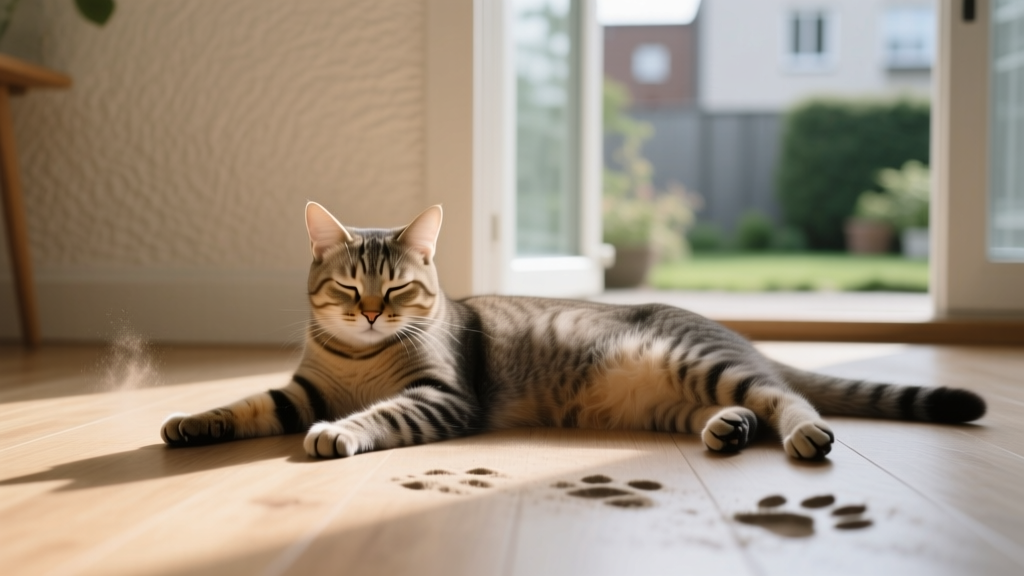
Even if a cat sits in a sunny window daily, UVB exposure may be filtered by glass, fur coverage reduces skin exposure, and feline skin has limited capacity for producing vitamin D3. Relying on sunlight creates a high risk of chronic under-supply, especially for indoor cats (which is most pet cats).
What vitamin D does in the body (and what goes wrong when it’s off)
| Vitamin D role | Why it matters | Possible issue if too low | Possible issue if too high |
|---|---|---|---|
| Supports calcium absorption | Helps maintain normal blood calcium | Weak bones, poor growth in kittens, muscle weakness | High blood calcium (hypercalcemia) |
| Balances calcium & phosphorus | Protects skeletal and metabolic function | Bone demineralization, abnormal bone remodeling | Mineral deposits in tissues (calcification) |
| Works with kidneys and hormones | Regulates active vitamin D and minerals | Can worsen mineral imbalances | Kidney stress and damage in severe toxicity |
Deficiency risk: who is most vulnerable?
- Cats eating homemade diets without a veterinary-formulated supplement plan
- Cats fed “all meat” diets (muscle meat alone is not nutritionally complete)
- Cats on unbalanced raw diets without appropriate vitamin/mineral formulation
- Picky cats that eat only certain treats or toppers and avoid complete food
Toxicity risk: why you must not guess with supplements
Vitamin D is fat-soluble, meaning excess amounts can accumulate in the body. Over-supplementation can be dangerous. Sources of accidental excess include:
- Human vitamin D supplements (drops, capsules) given without veterinary guidance
- Incorrect dosing of concentrated pet vitamin products
- Feeding multiple fortified items (complete food + heavily fortified toppers) plus supplements
- Exposure to rodenticides containing cholecalciferol (a medical emergency)
If you suspect vitamin D toxicity or rodenticide exposure, contact a veterinarian or pet poison hotline immediately.
4. Practical recommendations for cat owners
The most reliable way to meet vitamin D needs is to feed a complete and balanced diet formulated for your cat’s life stage (kitten, adult, senior). Look for a statement indicating the food is complete and balanced according to recognized standards (often AAFCO in the US or FEDIAF in Europe).
- Choose a complete diet as the base (canned, dry, or properly formulated raw/commercial fresh).
- Keep treats to ≤10% of daily calories so they don’t dilute essential nutrients like vitamin D.
- Avoid DIY supplementation unless a veterinarian (ideally a board-certified veterinary nutritionist) has calculated the recipe and supplement doses.
- Use fish carefully: fish can provide vitamin D, but “fish-only” feeding can create other imbalances and may increase risks related to excess iodine or other nutrient distortions depending on the fish and preparation.
5. Comparison of options: how different feeding approaches handle vitamin D
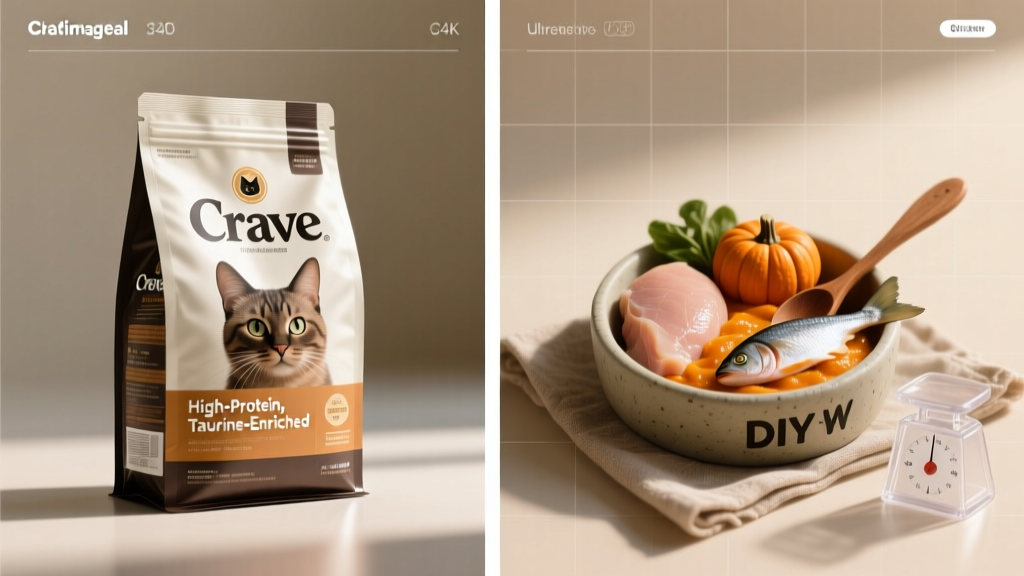
| Approach | Vitamin D reliability | Pros | Cons / watch-outs |
|---|---|---|---|
| Commercial complete & balanced (wet or dry) | High | Formulated to meet requirements; consistent | Choose reputable brands; avoid “intermittent feeding only” as the main diet |
| Commercial fresh/refrigerated or frozen complete diets | High if labeled complete | Often palatable; moisture-friendly | Verify “complete & balanced”; storage/handling matters |
| Homemade cooked diet | Variable | Ingredient control; helpful for some medical cases | High deficiency/toxicity risk without professional formulation |
| Raw DIY | Variable to low | Owner preference | More chances for nutritional imbalance; food safety risks; requires expert formulation |
| All-meat / “prey model” without verified supplementation | Low | Simple concept | Commonly incomplete; vitamin/mineral imbalances are likely over time |
6. Common mistakes and misconceptions to avoid
-
Myth: Cats can meet vitamin D needs from sunlight.
Reality: Cats have limited skin synthesis of vitamin D, and indoor sunlight through windows may not provide UVB. Diet is the dependable source. -
Myth: If a food contains “natural ingredients,” it must have enough vitamin D.
Reality: “Natural” does not equal nutritionally complete. Vitamin D often needs precise fortification. -
Myth: More vitamin D is better for immunity and bones.
Reality: Vitamin D has a narrow safe range. Excess can cause serious hypercalcemia and organ injury. -
Myth: Feeding fish frequently is a safe shortcut.
Reality: Fish may provide vitamin D, but frequent fish-heavy feeding can unbalance the overall diet. Use as part of a complete diet, not as the diet. -
Mistake: Using human vitamin D drops to “top up.”
Reality: Concentrated products make overdosing easy. Only supplement under veterinary direction.
7. How to implement changes safely (transition tips)
If you’re switching from an unbalanced or boutique diet to a complete and balanced food, do it gradually to reduce GI upset and food refusal—especially in cats, where prolonged anorexia can be dangerous.
- Transition over 7–10 days (longer for sensitive cats): mix increasing amounts of the new food with the old.
- Protect appetite first: if your cat stops eating or eats dramatically less for more than 24 hours, contact your veterinarian promptly.
- Measure portions to avoid overfeeding while transitioning.
- Limit extra toppers during the transition so you can assess tolerance.
- Hydration support: adding wet food or extra water can help many cats, but keep the diet complete and balanced overall.
8. Special considerations (age, health conditions, activity level)
- Kittens: Growth demands precise calcium, phosphorus, and vitamin D balance. Feed a kitten-labeled complete diet. Avoid homemade or supplement experiments during growth unless formulated by a veterinary nutritionist.
- Seniors: Seniors may have changes in kidney function or appetite that affect nutrient handling. Choose a senior-appropriate complete diet if recommended by your vet, and monitor body weight and muscle condition.
- Chronic kidney disease (CKD): Vitamin D metabolism is closely linked to kidney function. Cats with CKD may require specific dietary phosphorus control and individualized management. Do not add vitamin D supplements unless your veterinarian prescribes them based on lab work.
- GI disease (IBD, chronic diarrhea): Malabsorption can complicate nutrient status. Work with your vet on a therapeutic diet plan and testing as needed.
- Overweight/low activity: The priority is calorie control without diluting nutrients. Use measured portions of a complete diet rather than replacing meals with low-calorie “extras” that may be nutritionally incomplete.
9. FAQ: pre-formed vitamin D for cats
Can I give my cat vitamin D supplements “just in case”?
No. Vitamin D is fat-soluble and overdosing is a real risk. If you’re feeding a complete and balanced cat food, supplementation is usually unnecessary. If you suspect a deficiency risk (homemade diet, selective eating, medical condition), ask your veterinarian for guidance and appropriate testing.
Does wet food or dry food have better vitamin D levels?
Either can meet vitamin D needs if the product is labeled complete and balanced for your cat’s life stage. The bigger difference between wet and dry is water intake and calorie density, not vitamin D quality—assuming reputable formulation.
If my cat eats fish, do they still need fortified food?
Yes. Fish may contribute vitamin D, but a cat’s diet must meet many nutrients in the correct ratios. Relying on fish (or any single ingredient) risks nutritional imbalance. Use fish-based foods that are complete and balanced, or keep fish as an occasional treat within the 10% treat guideline.
Are vegan or vegetarian cat diets safe for vitamin D needs?
Cats have strict carnivore nutrient requirements and typically need nutrients best supplied in animal-based or carefully synthesized forms (including vitamin D). Vegan feeding is high-risk and should only be attempted with close veterinary supervision and a product specifically formulated and tested for cats. Discuss this with your veterinarian before making changes.
What are signs of vitamin D deficiency or excess in cats?
Signs can be vague and overlap with other problems. Deficiency may relate to poor bone mineralization or weakness over time; excess may cause reduced appetite, vomiting, increased thirst/urination, lethargy, and serious calcium imbalances. If you suspect either, seek veterinary care—lab testing is needed for diagnosis and safe treatment.
Is “more sunlight” a safe way to help my cat’s vitamin D?
No. Sun exposure is not a reliable vitamin D strategy for cats, and excessive sun exposure can increase skin cancer risk, particularly in light-colored cats. Focus on diet quality instead.
Bottom line for cat owners: Cats are built to get vitamin D from food, and they do best when their main diet is complete and balanced with properly provided pre-formed vitamin D. For any cat with medical conditions, appetite changes, or a homemade diet plan, partner with your veterinarian to choose the safest approach.
Want more practical, science-based feeding guidance? Explore more feline nutrition guides and diet comparisons on catloversbase.com.