Why Cats Need Animal Protein: Obligate Carnivore Biology
1) Why this nutrition topic matters for cat health
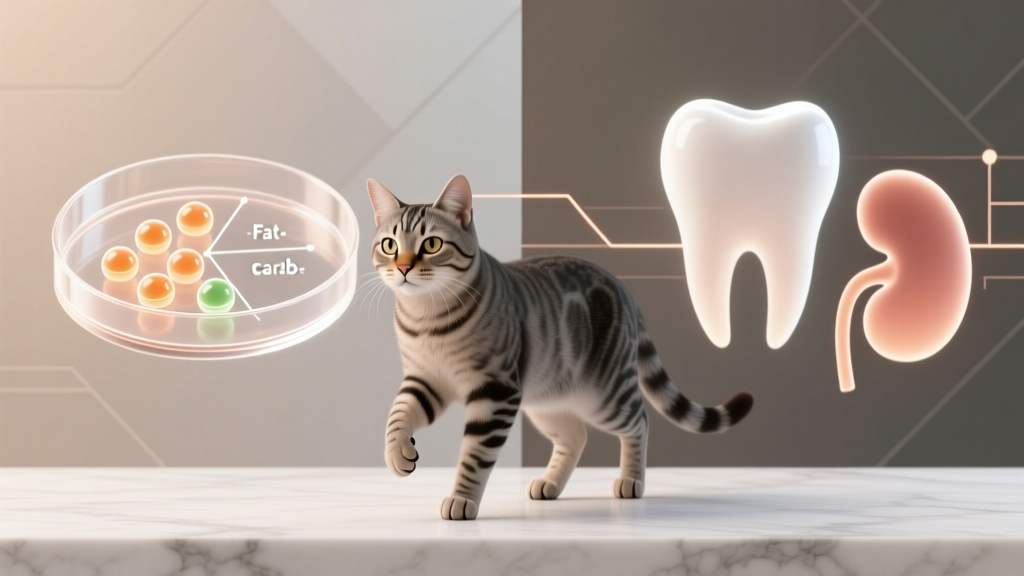
Protein isn’t just another “macronutrient” for cats—it’s the foundation of their biology. Domestic cats (Felis catus) evolved as hunters eating small prey: a diet naturally rich in animal protein, moderate in fat, and very low in carbohydrates. When a cat’s diet doesn’t match that design, problems can show up over time: poor muscle tone, dull coat, weight gain from excess carbs, digestive upset, and in some cases worsening of certain medical conditions.
Understanding why cats need animal protein helps you choose food more confidently, avoid misleading marketing, and build a feeding plan that supports lean muscle, a healthy immune system, good skin and coat, and long-term vitality. Always discuss significant diet changes with your veterinarian—especially if your cat has kidney disease, diabetes, urinary issues, food allergies, or is a kitten/senior.
2) Scientific background: feline nutrition and obligate carnivore biology
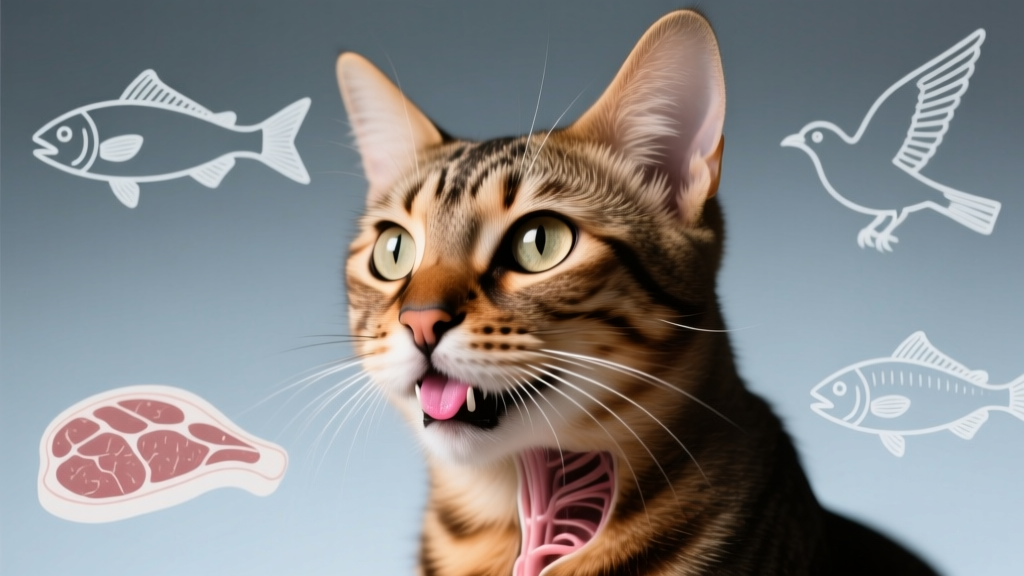
Cats are obligate carnivores, meaning they require nutrients that are found naturally in animal tissues and cannot be adequately obtained from plant-only sources. This isn’t preference; it’s physiology.
- High protein requirement: Cats have a higher baseline need for dietary protein than omnivores. Their livers continuously run protein-metabolizing pathways (for energy production and nitrogen processing) at relatively high activity, even when protein intake is lower.
- Limited carbohydrate adaptation: Cats can digest some starch, but they have comparatively lower activity of certain carbohydrate-processing enzymes and metabolic pathways than omnivores. They do not have a nutritional requirement for carbohydrates.
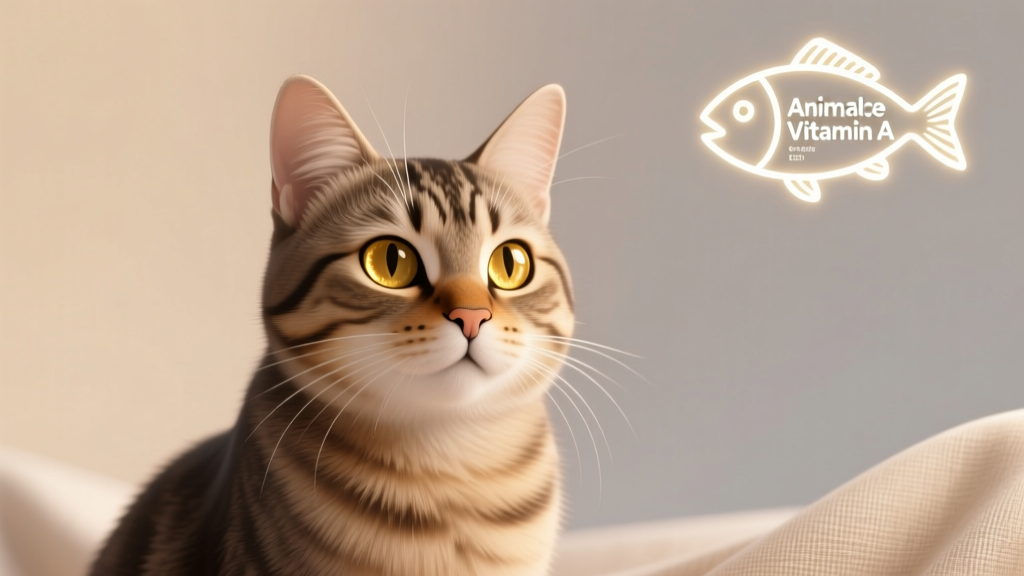
- Essential nutrients tied to animal tissues: Cats require specific nutrients that are abundant in meat, organs, and animal fats—such as taurine, arachidonic acid, and preformed vitamin A (retinol). They also need vitamin D from the diet.
| Nutrient/Feature | Why it matters in cats | Most reliable source |
|---|---|---|
| Taurine | Required for heart function (DCM prevention), vision, reproduction, bile salt formation | Animal tissues (especially heart), properly formulated complete foods |
| Arachidonic acid | Essential fatty acid for skin, inflammation control, reproduction | Animal fat (poultry, meat), complete diets |
| Vitamin A (retinol) | Cats cannot efficiently convert beta-carotene from plants into retinol | Liver and animal-based complete diets |
| Vitamin D | Limited ability to synthesize in skin; must come from food | Animal-based ingredients and properly supplemented diets |
| Protein (high need) | Maintains lean mass, supports immune system, skin/coat, enzymes and hormones | Animal proteins (poultry, fish, beef), balanced complete diets |
3) Detailed analysis: why animal protein is uniquely valuable for cats
Animal protein provides the right amino acid profile
Proteins are made of amino acids. Cats need a complete set of essential amino acids, and animal proteins generally match feline needs more closely than plant proteins. While some plant proteins can contribute amino acids, they may be less digestible, have limiting amino acids, or come packaged with more carbohydrate than many cats handle well.
Key point for cat owners: Look beyond the crude protein percentage alone. A diet can be “high protein” on paper but still be less suitable if the protein sources are lower quality, less digestible, or unbalanced in amino acids.
Taurine: the non-negotiable nutrient
Taurine is an amino acid-like compound cats must get from their diet. Inadequate taurine can lead to serious health issues, including dilated cardiomyopathy (heart disease) and retinal degeneration. Commercial foods labeled “complete and balanced” are formulated to meet taurine requirements, but homemade, poorly formulated raw diets, and unbalanced “recipe” diets are common places where taurine intake can fall short.
Protein supports lean muscle and healthy aging
Muscle is a metabolic “engine” that supports mobility, strength, and healthy weight. Cats can lose lean mass as they age, especially if dietary protein is marginal or if calories come largely from carbs and fat. Many adult and senior cats do better with adequate, highly digestible animal protein that supports muscle maintenance without unnecessary carbohydrate load.
Carbohydrates: not inherently toxic, but often overused
Cats can use carbohydrates, and well-formulated diets may include them for texture, cost, or processing needs. The issue is that many dry foods are necessarily higher in starch to form kibble. For some cats—especially those prone to weight gain or with diabetes risk—high-carbohydrate patterns can make it harder to manage body condition and blood sugar.
Carbs also displace animal ingredients in the recipe. If a food is heavy on starches, it may be harder to deliver the same level of animal-based protein and fat within a reasonable calorie budget.
Digestibility and stool quality
Highly digestible animal protein often results in smaller, firmer stools because more of the food is absorbed and used. Diets high in poorly digestible proteins or excess plant matter may increase stool volume and gas in some cats.
Skin and coat: protein and fats work together
Hair is made largely of protein. Chronic low-quality protein intake can show up as a dry coat, shedding, or slow regrowth after clipping. Animal-based diets also deliver fats that help skin barrier function. If your cat has dandruff, greasy coat, or itchiness, nutrition is only one piece (parasites, allergies, and infections matter too), but protein quality is a common place to evaluate with your veterinarian.
4) Practical recommendations for cat owners
- Choose “complete and balanced” foods that meet AAFCO or equivalent standards for your cat’s life stage (growth/kitten, adult maintenance, all life stages).
- Prioritize animal protein sources in the ingredient list (chicken, turkey, beef, salmon, etc.). Named meats/meals can be useful protein sources in kibble; “meal” is not automatically bad when properly sourced.
- Use wet food strategically if your cat struggles with weight, hydration, urinary issues, or diabetes risk. Many wet diets are lower in carbohydrates and increase water intake.
- Assess body condition, not just the label: ideal cats have a visible waist from above and a slight abdominal tuck; ribs should be easy to feel with light pressure.
- Keep treats under 10% of calories, and choose meat-based treats when possible.
| Goal | What to look for | Helpful tip |
|---|---|---|
| Lean muscle support | Animal-forward protein sources; life-stage appropriate formula | Track weight monthly and take photos from above |
| Weight management | Higher protein, controlled calories; often more wet food | Use a gram scale; measure food accurately |
| Urinary tract support | Veterinary urinary diet if indicated; higher moisture intake | Add water to wet food if your cat accepts it |
| Food sensitivity | Vet-guided elimination diet; limited ingredient only if complete | Don’t change proteins repeatedly without a plan |
5) Comparison: feeding approaches and how they stack up
| Approach | Pros | Cons / watch-outs | Best fit for |
|---|---|---|---|
| Wet (canned/pouch) complete diet | Higher moisture; often lower carbs; strong palatability | Cost; dental benefits are limited; needs portion control | Cats needing hydration support, weight management, many indoor cats |
| Dry kibble complete diet | Convenient; economical; works well in puzzle feeders | Often higher starch; easier to overfeed; lower moisture | Busy households, cats that prefer kibble, mixed feeding plans |
| Mixed feeding (wet + dry) | Balances convenience and moisture; variety can help picky cats | Calories add up quickly; measure both portions | Most households aiming for practicality and hydration support |
| Homemade cooked diets | Ingredient control; may help specific medical needs | High risk of nutrient imbalance without a veterinary nutritionist recipe | Cats needing therapeutic customization under professional guidance |
| Raw diets | Some owners report palatability benefits | Pathogen risk (Salmonella, Listeria); bone hazards; nutrient imbalance risk | Only with strong risk management and professional formulation; discuss with your vet |
| Vegetarian/vegan cat diets | May align with owner ethics | Biologically mismatched; risk of taurine and other deficiencies if not precisely formulated; requires close veterinary monitoring | Not recommended for most cats; only with veterinary oversight and proven complete formulation |
6) Common mistakes and misconceptions to avoid
- Myth: “Cats can thrive on a plant-based diet if it has enough protein.”
Fact: Cats require specific nutrients closely tied to animal tissues (taurine, arachidonic acid, preformed vitamin A). Some diets may be supplemented, but this requires careful formulation and monitoring. For most cats, animal-based complete diets are the safer, more biologically appropriate choice. Consult your veterinarian before attempting any non-traditional diet. - Myth: “High protein causes kidney disease.”
Fact: Current veterinary nutrition evidence does not support the idea that appropriate dietary protein causes kidney disease in healthy cats. For cats with existing chronic kidney disease (CKD), the diet strategy is individualized and often focuses on phosphorus control and overall management; your vet may recommend a therapeutic kidney diet. - Mistake: Judging food quality by one buzzword.
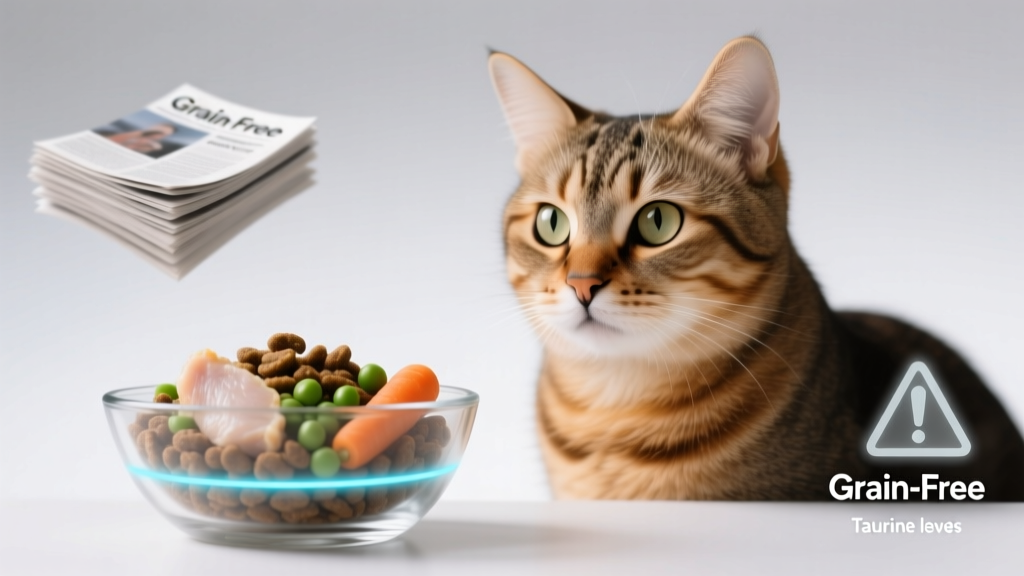
“Grain-free,” “premium,” “human-grade,” or “ancestral” does not automatically mean complete, balanced, or ideal for your cat. Evaluate the full nutrient profile, feeding trials or formulation standards, company quality control, and your cat’s response. - Mistake: Overfeeding energy-dense foods.
Even excellent animal-protein-rich foods can lead to obesity if portions are too large. Obesity increases risk for diabetes, arthritis, and liver fat accumulation. - Mistake: DIY supplementation without a recipe.
Adding meat to a diet can be fine as a small topper, but replacing a significant portion of a balanced diet with plain meat can create calcium, vitamin, and taurine imbalances over time.
7) How to implement changes safely (transition tips)
Cats are notorious for rejecting sudden changes, and rapid switches can trigger vomiting, diarrhea, or food refusal. A slow, structured transition protects both digestion and appetite.
- Use a 7–14 day transition: Start with 75% old food + 25% new food for 2–3 days, then 50/50, then 25/75, then 100% new.
- For very sensitive cats: Extend to 3–4 weeks and make smaller increments.
- Warm wet food slightly (not hot) to enhance aroma and acceptance.
- Keep mealtimes consistent and avoid offering multiple replacements if your cat hesitates—this can teach picky behavior.
- Never let a cat go without eating for a prolonged period. If your cat refuses food for more than 24 hours (or less in kittens), contact your veterinarian promptly due to risk of hepatic lipidosis (fatty liver).
8) Special considerations: age, health conditions, activity level
Kittens (growth)
- Need higher calories, protein, and specific minerals for bone development.
- Feed a kitten or “all life stages” complete diet; avoid adult-only diets.
- Multiple small meals help meet energy needs.
Adult indoor cats
- Often need calorie control more than “more food.”
- Animal-protein-forward diets can support lean mass while managing hunger.
- Use puzzle feeders and measured portions to prevent grazing-related weight gain.
Senior cats
- Many seniors benefit from highly digestible protein to support muscle maintenance, but appetite and medical issues can complicate choices.
- Regular vet checks and labwork help tailor protein, phosphorus, and calorie needs.
Chronic kidney disease (CKD)
- Diet choices should be guided by your veterinarian; therapeutic kidney diets are formulated to manage phosphorus and other factors.
- Don’t assume “lower protein” alone is the goal—CKD nutrition is more nuanced than a single number.
Diabetes and obesity risk
- Many diabetic cats benefit from diets that are lower in carbohydrates and appropriately portioned, often with higher moisture.
- Weight-loss plans must be supervised to prevent rapid loss and liver complications.
Food allergies/sensitivities
- True food allergies in cats exist but are less common than parasites or environmental allergies.
- A veterinarian-guided elimination trial (often 8–12 weeks) is the gold standard for diagnosis.
9) FAQ
How much protein does my cat actually need?
Protein needs vary by life stage, health, and calorie intake. Commercial foods labeled “complete and balanced” are formulated to meet minimum requirements for the stated life stage. For individualized targets—especially for kittens, seniors, or cats with medical conditions—ask your veterinarian for guidance.
Is fish a better protein than chicken or turkey?
Fish can be a high-quality animal protein, but it’s not automatically “better.” Some cats do well on poultry-based diets; others prefer fish. Rotating flavors within a trusted brand can help prevent boredom, but avoid frequent changes if your cat has a sensitive stomach. If feeding fish-heavy diets, discuss variety and long-term balance with your vet.
Can I just add cooked chicken to make my cat’s diet higher in protein?
Small amounts of plain cooked meat can be used as a topper, but it shouldn’t replace a significant portion of a complete diet unless a veterinary nutritionist has formulated the recipe. Plain meat lacks calcium and key micronutrients, and unbalanced feeding can cause deficiencies over time.
Does dry food “clean teeth,” making it a better choice?
Most kibble does not meaningfully clean teeth because it tends to crumble and cats often swallow pieces. Dental health is best supported by regular veterinary dental care, home tooth brushing if possible, and veterinary-approved dental diets or treats designed for plaque control.
Should I choose grain-free to increase animal protein?
Not necessarily. Grain-free foods can still be high in carbohydrates (often from potatoes or legumes). Focus on overall formulation, calories, your cat’s response, and whether the food is complete and balanced from a reputable manufacturer. Your veterinarian can help you compare options for your cat’s needs.
Is raw feeding the most “natural” way to meet obligate carnivore needs?
“Natural” doesn’t automatically mean safer or nutritionally complete. Raw diets can carry pathogen risks and may be unbalanced without precise formulation. If you’re considering raw, discuss it with your veterinarian first and ask about food safety protocols and complete nutrient formulation.
Next steps: Use your cat’s obligate carnivore biology as a guide—prioritize complete, balanced diets built around animal protein, then tailor format (wet, dry, mixed) to your cat’s health goals and preferences. For any major diet change or medical concern, consult your veterinarian for individualized advice.
For more practical feeding strategies, label-reading tips, and evidence-based cat nutrition guides, explore the nutrition library on catloversbase.com.