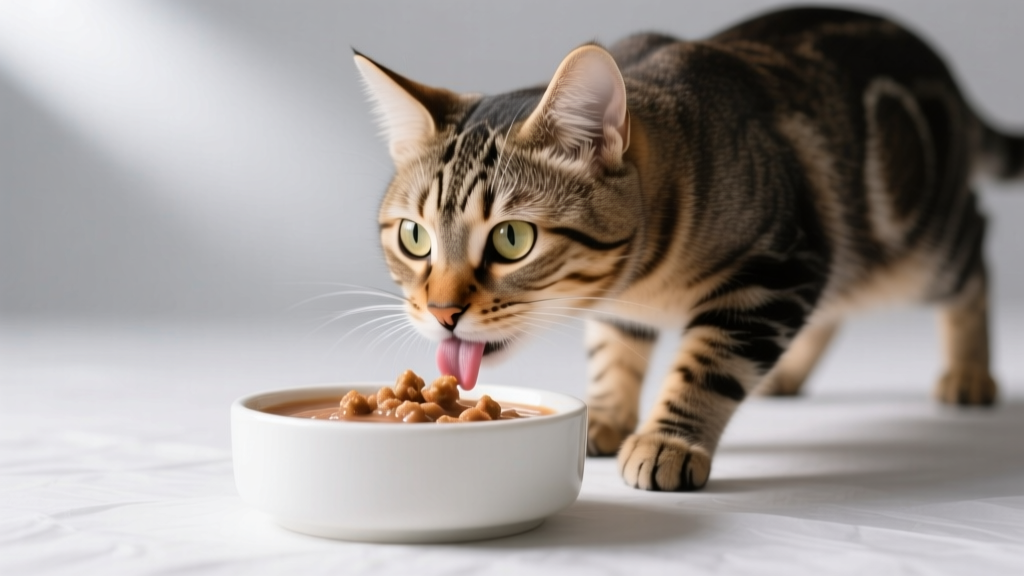
Why Cats Develop Neophobia Toward New Foods After Age 5
Why does my cat suddenly refuse a food they used to love?
Sudden refusal is often linked to dental pain, nausea, stress, or a formula change by the manufacturer. If refusal is abrupt or accompanied by weight loss, vomiting, drooling, or behavior changes, book a vet visit.
Is it normal for cats to get picky after age 5?
It’s common. Many cats become more routine-oriented with age, and long-term feeding of one diet can strengthen preference for that specific smell and texture. “Common” doesn’t mean you should ignore it—rule out medical causes and use a structured transition plan.
How long can a cat safely go without eating during a diet switch?
Not long. Many veterinarians recommend contacting your vet if your cat eats nothing for 24 hours (sooner for kittens, seniors, or cats with medical issues). Cats are at risk for hepatic lipidosis when they don’t eat.
Should I rotate flavors to prevent neophobia?
Some controlled variety can help, especially earlier in life, but constant rotation can backfire in sensitive cats. A practical approach is rotating within the same brand/texture family or introducing small changes gradually, rather than switching abruptly every day.
Are food toppers a good idea for picky cats?
They can help short-term, but use them carefully. Too many toppers can cause nutrient imbalance, excess calories, or refusal of the base diet. If your cat needs a therapeutic diet (kidney/urinary/GI), ask your veterinarian which toppers (if any) are safe.
What’s the best diet for a neophobic adult cat?
The “best” diet is one that is complete and balanced for your cat’s life stage, fits their health needs, and that they will reliably eat. For many cats, high-quality wet food supports hydration, but some cats do best on a mix. Your veterinarian can help you choose a diet and transition strategy tailored to your cat.
Veterinary guidance matters: If you’re considering a significant diet change—especially for weight loss or medical management—consult your veterinarian (and a board-certified veterinary nutritionist when appropriate) to choose an evidence-based plan.
If you want more practical, cat-health-focused feeding strategies, explore the nutrition guides and diet transition resources on catloversbase.com.