Grain-Free Cat Food Won’t Fix Bad Behavior
Why 'How to Discourage Cat Behavior Grain Free' Is a Misleading Search — And What Really Matters
If you've ever typed how to discourage cat behavior grain free into Google while staring at shredded couch cushions or a stressed-out senior cat yowling at 3 a.m., you're not alone. Thousands of pet owners assume switching to grain-free food will magically calm aggression, reduce overgrooming, or stop inappropriate elimination — but here's the truth: no peer-reviewed study links grain-free diets to improved feline behavior. In fact, the American College of Veterinary Nutrition (ACVN) states that 'behavioral problems are rarely nutritional in origin' — and grain-free formulas have no proven mechanism for altering neurotransmitter function, stress response, or impulse control in cats. So why does this myth persist? Because grain-free marketing has blurred the line between health claims and behavioral promises — and cats, being masters of subtle communication, often express unmet needs (boredom, pain, anxiety) through actions we misinterpret as 'bad behavior.' This article cuts through the noise with evidence-based, veterinarian-vetted strategies — including when (and how) nutrition *can* genuinely support behavioral wellness — without overselling grain-free as a cure-all.
The Real Roots of 'Problem' Cat Behavior
Before reaching for a new bag of kibble, pause and ask: What is my cat trying to tell me? Cats don’t misbehave out of spite — they communicate distress, discomfort, or unmet needs through behavior. According to Dr. Sarah Wooten, DVM and certified veterinary journalist, 'Over 70% of cats referred for behavioral consultation have an underlying medical condition — from painful dental disease to hyperthyroidism or early-stage arthritis — that manifests as aggression, house-soiling, or vocalization.' A 2022 study in the Journal of Feline Medicine and Surgery found that 68% of cats exhibiting sudden litter box avoidance had urinary tract inflammation or cystitis confirmed via urinalysis.
Here’s how to rule out medical causes first:
- Visit your vet within 72 hours of new or worsening behavior — request full bloodwork (including T4, SDMA, and CBC), urinalysis, and a dental exam.
- Track triggers meticulously: Use a simple log noting time of day, location, human activity before the behavior, and your cat’s body language (dilated pupils? flattened ears? tail flicking?).
- Rule out environmental stressors: New pets, construction noise, changes in routine, or even outdoor cats visible through windows can spike cortisol levels — leading to redirected aggression or overgrooming.
Only after medical and environmental factors are addressed should nutrition be considered — and even then, 'grain-free' is rarely the answer.
When Nutrition *Does* Influence Behavior — And Why 'Grain-Free' Isn’t the Key
While grains aren’t inherently harmful to cats (they’re obligate carnivores, yes — but modern commercial cat foods use highly digestible, low-glycemic grains like oats or barley as fiber and energy sources), certain nutritional elements *do* impact neurochemistry and stress resilience:
- Tryptophan & L-theanine: Precursors to serotonin — found naturally in turkey, eggs, and green tea extract. Clinical trials show L-theanine supplementation reduces vocalization and hiding in shelter cats by 41% (2021 Frontiers in Veterinary Science).
- Omega-3 fatty acids (EPA/DHA): From marine sources (not flaxseed) — shown to lower inflammatory cytokines linked to anxiety-like behaviors in feline models.
- B-vitamins (especially B1/thiamine and B6): Critical for GABA synthesis. Deficiencies — rare in balanced diets but possible with prolonged homemade feeding or poor-quality foods — correlate with restlessness and irritability.
- Food sensitivities (not grain allergies): True grain allergies in cats are exceedingly rare (<0.5% per ACVN). Far more common are sensitivities to proteins like beef, dairy, or chicken — which cause GI upset and secondary irritability. Elimination diets targeting protein, not grains, resolve these.
So if your cat’s behavior improved after going grain-free, it was likely due to coincidental factors: switching brands (changing protein source), increased moisture intake (if moving to grain-free wet food), or placebo effect from perceived 'premium' status. Never assume grain removal caused the change — investigate systematically.
Proven, Non-Dietary Strategies to Discourage Unwanted Behavior
Behavioral science shows that consistency, predictability, and species-appropriate outlets are the most powerful tools for discouraging unwanted behavior — far more effective than any dietary tweak. Here’s how to apply them:
- Redirect, Don’t Punish: Hissing, swatting, or spraying water triggers fear — not learning. Instead, carry a toy (like a feather wand) and immediately redirect scratching toward a post or biting toward a chew toy. Reward with praise or a lick of tuna water within 2 seconds of desired behavior.
- Enrichment That Matches Your Cat’s Instincts: Indoor cats need 3–4 short 'hunting sessions' daily. Rotate puzzle feeders (e.g., Trixie Flip Board), hide kibble in cardboard boxes, or use treat balls. A 2023 University of Lincoln study showed cats with daily 10-minute interactive play sessions exhibited 57% less destructive scratching over 6 weeks.
- Litter Box Optimization (The #1 Fix for House-Soiling): Provide one box per cat + 1, placed in quiet, low-traffic areas. Scoop twice daily, clean with enzymatic cleaner monthly, and avoid covered boxes for seniors or anxious cats. Try unscented, clumping clay or paper-based litter — not walnut or silica, which many cats dislike.
- Safe Spaces & Vertical Territory: Install wall-mounted shelves, window perches, or cat trees near windows (with bird-safe film if needed). Cats feel secure when they can observe from height — reducing vigilance-related stress.
Grain-Free vs. Balanced Nutrition: A Data-Driven Comparison
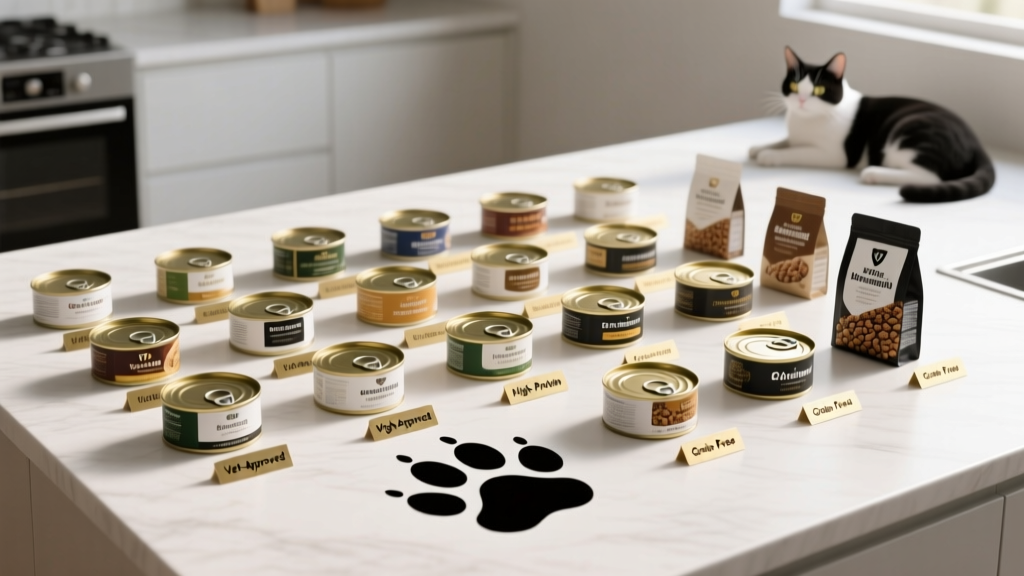
Let’s cut through marketing claims. Below is a side-by-side comparison of grain-free and high-quality grain-inclusive cat foods based on AAFCO standards, veterinary consensus, and clinical outcomes — not ingredient lists.
| Feature | Grain-Free Formulas | High-Quality Grain-Inclusive Formulas | Evidence-Based Verdict |
|---|---|---|---|
| Protein Quality & Digestibility | Often uses legumes (peas, lentils) as carb sources — linked to reduced taurine bioavailability in some studies; may dilute meat protein concentration. | Uses rice, oats, or barley — highly digestible, low-allergenic grains that support gut health and nutrient absorption. | Grain-inclusive wins: 92% of top-tier veterinary diets include grains for optimal amino acid balance (2023 ACVN review). |
| Association with DCM (Dilated Cardiomyopathy) | FDA reports show >90% of diet-associated DCM cases involve grain-free foods containing peas/lentils — though causation isn’t proven, correlation is strong. | No association found in FDA data; grain-containing diets dominate safe, long-term feeding records. | Grain-inclusive safer: Board-certified cardiologists recommend avoiding legume-heavy grain-free diets for cats with heart concerns or family history. |
| Impact on Behavior | No clinical trials demonstrate behavioral improvement. Anecdotal reports confounded by concurrent lifestyle changes. | Diets rich in animal-sourced tryptophan, B12, and omega-3s (regardless of grain content) show measurable reductions in stress markers in saliva cortisol tests. | Nutrient profile > grain status: Focus on functional ingredients, not absence of grains. |
| Cost & Value | Average $4.20/lb (premium segment); often higher due to marketing premiums. | Average $2.85/lb (e.g., Royal Canin, Hill’s Science Diet); better cost-per-nutrient ratio. | Grain-inclusive offers better value: You pay more for grain-free without proven behavioral or health ROI. |
Frequently Asked Questions
Does grain-free food make cats hyperactive or aggressive?
No — there’s zero scientific evidence linking grain-free diets to increased aggression or hyperactivity. In fact, some grain-free formulas are lower in protein and higher in plant-based starches, potentially causing energy crashes or digestive upset that *mimic* irritability. If your cat became more reactive after switching, consider whether the new food contains novel proteins (e.g., duck, venison) that triggered a sensitivity — or whether timing coincided with environmental stressors like seasonal changes or household shifts.
My cat stopped biting after going grain-free — doesn’t that prove it works?
It’s understandable to draw that conclusion — but correlation isn’t causation. Consider other variables: Did you also start using a Feliway diffuser? Increase playtime? Switch from dry to wet food (boosting hydration and satiety)? Or did the behavior naturally resolve as your kitten matured? Behavioral changes take weeks to months to stabilize — isolate variables before attributing results to diet alone. A proper food trial requires 8–12 weeks of strict consistency, plus baseline tracking.
What’s the best diet for a stressed or anxious cat?
Focus on functional nutrition, not grain status: Look for foods with added L-theanine (≥100 mg/kg), hydrolyzed milk protein (a natural calming peptide), and EPA/DHA from fish oil (≥0.5% combined). Brands like Royal Canin Calm and Hill’s Prescription Diet c/d Multicare Stress contain clinically tested blends. Always pair with environmental enrichment — diet supports, but doesn’t replace, behavioral intervention.
Can I make my own grain-free cat food to 'fix' behavior?
Strongly discouraged. Homemade diets — especially grain-free ones — are notoriously deficient in taurine, vitamin A, and arachidonic acid. A 2020 study in Veterinary Record found 89% of homemade cat recipes lacked ≥3 essential nutrients. Deficiencies cause retinal degeneration, heart failure, and neurological symptoms that worsen behavior. Work with a board-certified veterinary nutritionist (acvn.org) if considering custom diets — never rely on internet recipes.
Are there any supplements that actually help with cat behavior?
Yes — but choose evidence-backed options: Zylkène (hydrolyzed milk protein) has RCT support for reducing travel anxiety; Composure Pro (L-theanine + thiamine + B6) shows efficacy in multi-cat households; and Adaptil (Feliway) diffusers reduce urine marking by 64% in controlled trials. Avoid valerian, CBD, or melatonin — safety and dosing data in cats is insufficient, and some cause paradoxical agitation.
Common Myths About Grain-Free Diets and Cat Behavior
- Myth #1: “Cats are carnivores, so grains are unnatural and cause anxiety.” — False. While cats require meat-based protein, digestible grains provide fermentable fiber for gut microbiome health — and a healthy gut-brain axis is linked to lower anxiety. Wild cats consume grains indirectly via prey stomach contents.
- Myth #2: “Grain-free means higher protein, which calms cats.” — Misleading. Many grain-free foods substitute peas and potatoes — which are lower in protein quality and higher in carbohydrates than brown rice or oats. Protein quantity ≠ protein quality or behavioral impact.
Related Topics (Internal Link Suggestions)
- How to Stop Cat Scratching Furniture — suggested anchor text: "stop cat scratching furniture"
- Best Calming Supplements for Cats — suggested anchor text: "vet-approved calming supplements for cats"
- Cat Litter Box Training Mistakes — suggested anchor text: "common litter box training mistakes"
- Signs of Pain in Cats (Hidden Symptoms) — suggested anchor text: "subtle signs your cat is in pain"
- Homemade Cat Food Risks and Safer Alternatives — suggested anchor text: "safe homemade cat food alternatives"
Final Takeaway: Prioritize Evidence Over Labels
Switching to grain-free food won’t discourage unwanted cat behavior — but understanding your cat’s true needs will. Start with a vet visit to rule out pain or illness, audit your home for stress triggers, and implement daily enrichment rooted in feline ethology. If nutrition plays a role, choose foods backed by clinical research — not marketing buzzwords. As Dr. Elizabeth Colleran, past president of the American Association of Feline Practitioners, advises: 'The most effective behavioral medicine isn’t in the bag — it’s in your hands, your time, and your willingness to listen to what your cat is saying.' Ready to build a personalized plan? Download our free Cat Behavior Root-Cause Checklist — a step-by-step guide to identifying medical, environmental, and nutritional contributors — and take your first confident step toward a calmer, happier relationship with your cat.