Wet vs Dry Cat Food: Which Is Better for Your Cat
Nutritional Comparison
Both wet and dry food can provide complete nutrition. The key difference is moisture content: wet food is 70-80% water while dry food is about 10%. This affects hydration, calorie density, and palatability.
Wet Food Benefits
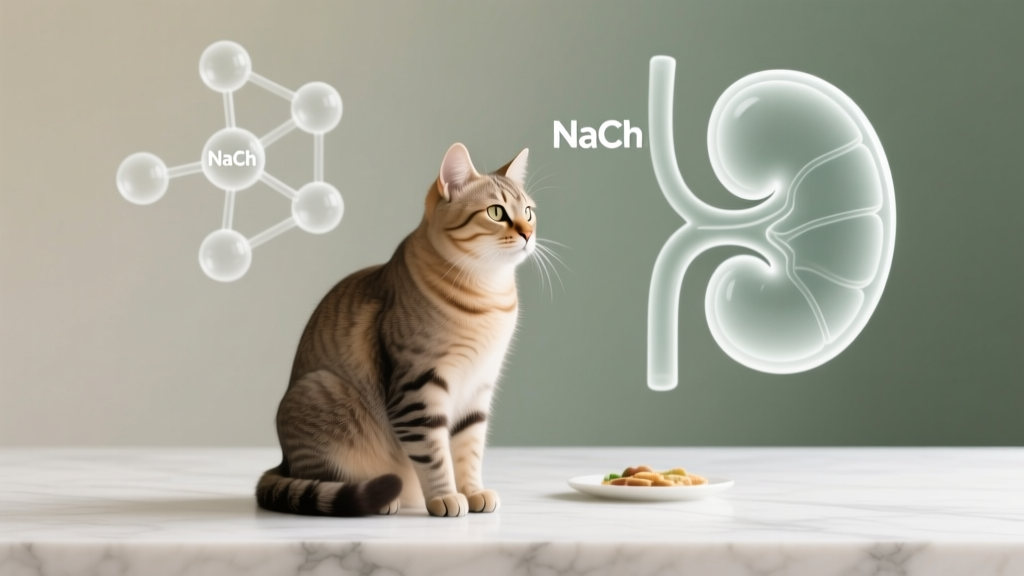
- Hydration: Significantly increases water intake, supporting kidney and urinary health
- Weight management: Lower calorie density per volume helps cats feel full
- Palatability: More appealing to picky eaters and cats with reduced appetite
- Easier chewing: Better for senior cats or those with dental issues
Dry Food Benefits
- Convenience: Can be left out longer, suitable for free-feeding (with portion control)
- Cost: Generally less expensive per calorie
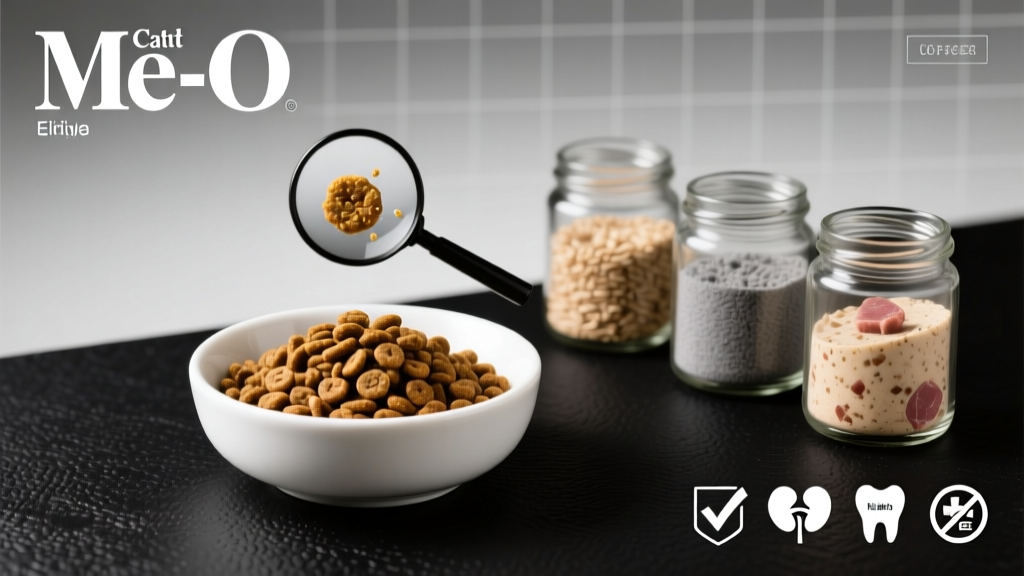
- Dental: May provide slight mechanical cleaning (though this benefit is often overstated)
- Storage: Longer shelf life, easier to store
The Best Approach
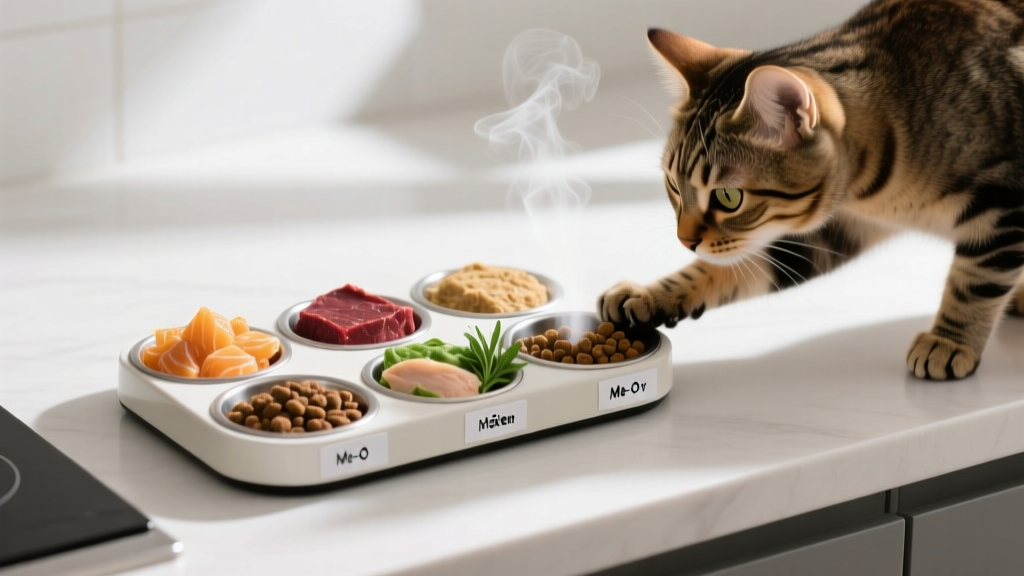
Many veterinarians recommend a mixed diet: wet food for at least one meal daily (for hydration) supplemented with dry food. This combines the hydration benefits of wet food with the convenience of dry.
Reading Labels
Look for AAFCO statement of nutritional adequacy. The first ingredient should be a named animal protein. Avoid foods where corn, wheat, or by-products are primary ingredients.