Wet vs Dry Cat Food: Hydration Facts
The Hydration Debate
Cats evolved as desert animals with a low thirst drive. In the wild, they obtain most of their water from prey (which is 70-80% moisture). This evolutionary trait makes dietary moisture critical for domestic cats.
Moisture Content Comparison
Wet food contains 75-83% moisture, while dry kibble is only 6-10% water. A cat eating exclusively dry food must drink significantly more water to maintain adequate hydration — and many simply don't.
Health Implications
Chronic mild dehydration contributes to urinary tract disease, kidney stress, and constipation. Studies show cats on wet food diets have higher total water intake and more dilute urine, reducing the risk of crystal and stone formation.
Caloric Density
Dry food is more calorie-dense (300-500 kcal/cup) than wet food (70-130 kcal/3oz can). For overweight cats, wet food allows larger portions with fewer calories, improving satiety.
Dental Myth
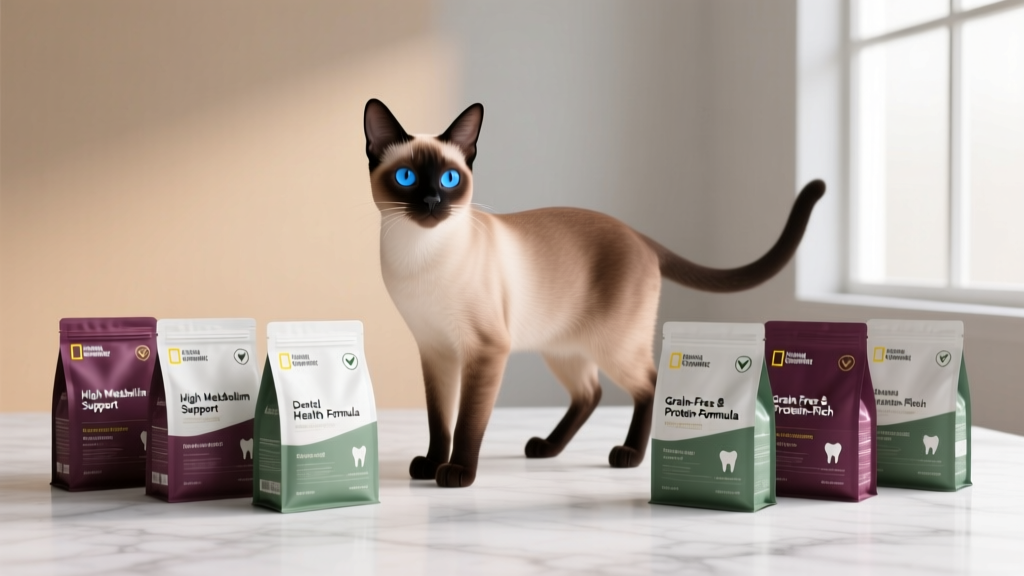
The claim that dry food cleans teeth is largely unsupported. Most cats swallow kibble whole or shatter it with their back teeth, providing minimal abrasive action. Only prescription dental diets have proven tartar-reduction benefits.
Practical Recommendation
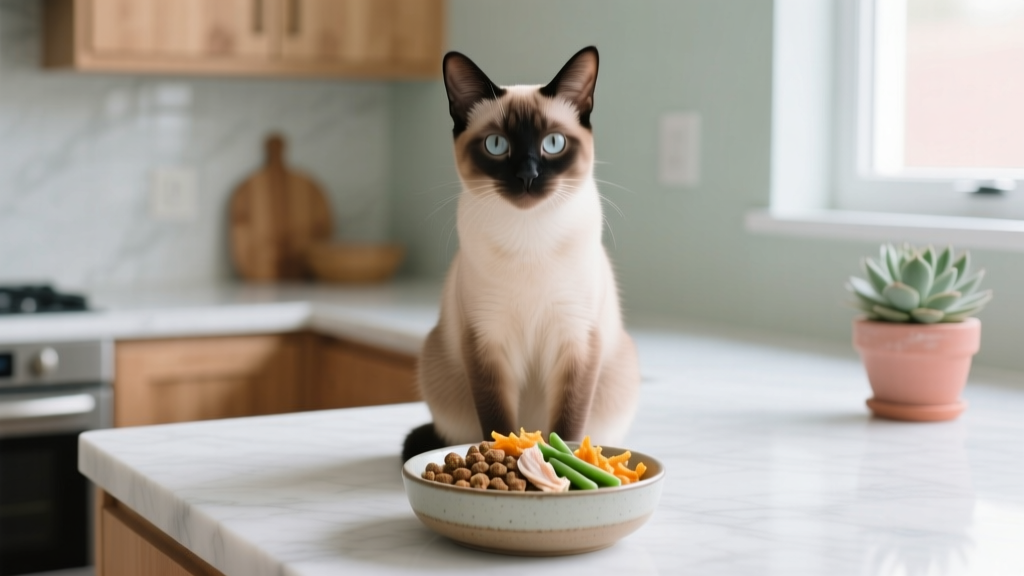
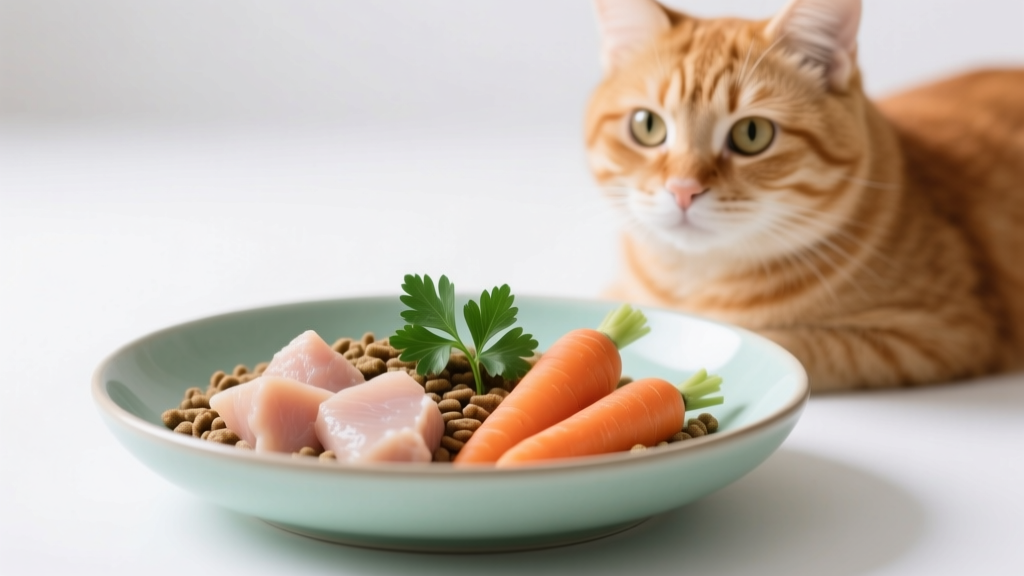
A mixed feeding approach (wet food for meals, measured dry food for snacking) balances hydration benefits with convenience. Always provide fresh water in wide, shallow bowls or cat fountains to encourage drinking.