Cat Food Supply Chain: From Factory to Your Shelf
1) Why the cat food supply chain matters for your cat’s health
Cat food isn’t just “ingredients + a recipe.” It’s a chain of decisions and handling steps that affect nutrient levels, safety, freshness, and consistency. The same formula can perform very differently depending on where ingredients came from, how they were processed, how long the food sat in storage, and how it was shipped and stocked.
For cats, small nutritional gaps can become big problems because they have strict dietary requirements (they’re obligate carnivores) and a lower tolerance for certain imbalances than many other species. Understanding how food moves from sourcing to manufacturing, packaging, transport, and store shelves helps you choose products that are safer, more reliable, and more appropriate for your cat’s body.
2) Scientific background: feline nutrition basics (why cats are different)
Cats evolved to eat prey: animal tissue, organs, connective tissue, and a small amount of partially digested plant matter. Their metabolism reflects this.
- Obligate carnivore biology: Cats rely on nutrients naturally found in animal tissues. They have limited ability to convert certain plant-based precursors into essential nutrients.
- High protein requirement: Cats use protein as a primary energy source and have a higher baseline protein need than omnivores.
- Essential nutrients that must be provided:
- Taurine (heart, vision, reproduction)
- Arachidonic acid (fatty acid found in animal fats)
- Preformed vitamin A (cats convert beta-carotene poorly)
- Vitamin D (cats synthesize less in skin than humans)
- Specific amino acids like arginine (needed for ammonia detoxification)
Most reputable commercial cat foods are formulated to meet nutritional adequacy standards (commonly AAFCO in the U.S. or FEDIAF in Europe). That said, adequacy on paper is only part of the story. Nutrient stability, quality control, and storage conditions across the supply chain influence whether your cat actually receives those nutrients in the bowl.
3) From factory to shelf: a detailed supply chain analysis (and what can go wrong)
A) Ingredient sourcing: quality, variability, and risk control
Ingredients come from multiple suppliers: meat and poultry, organs, fish meals, fats, grains/legumes, vitamin-mineral premixes, and functional additives. Each category has different risks.
| Supply chain step | What’s happening | Main risks | What responsible brands do |
|---|---|---|---|
| Raw ingredient sourcing | Purchasing meats, meals, fats, carbs, premixes | Variable nutrient levels; contaminants (mycotoxins, heavy metals); supplier inconsistency | Supplier audits; certificates of analysis (COAs); incoming testing; traceability programs |
| Formulation & batching | Weighing, mixing, matching nutrient targets | Human error; incorrect premix dosing; cross-contact with allergens or meds | Automated batching; barcode systems; HACCP plans; lot tracking |
| Thermal processing | Extrusion (kibble) or retorting (cans/pouches) | Nutrient degradation; uneven cooking; pathogen survival if misprocessed | Validated cook/retort schedules; kill-step verification; post-process sampling |
| Packaging | Sealing food against oxygen/moisture/light | Rancidity; moisture uptake; seal failures; can dents leading to leaks | Oxygen barrier packaging; seam checks; nitrogen flushing; integrity tests |
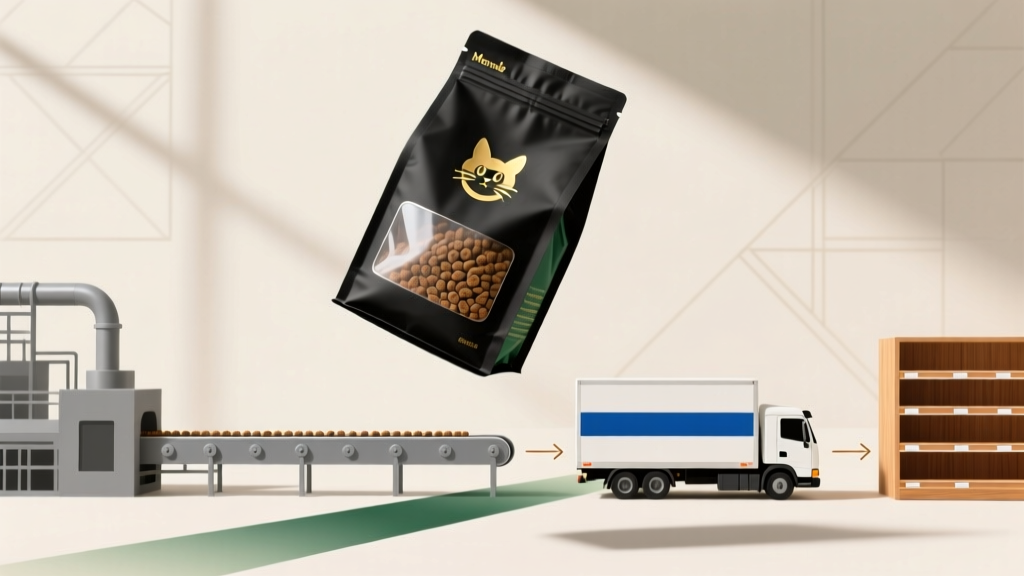
| Warehousing & transport | Storage and shipping via trucks/containers | Heat exposure; long storage; humidity; pest contamination | Climate control targets; FIFO rotation; monitoring; pest management |
| Retail handling | Stocking shelves; customer returns; back-room storage | Expired products; damaged bags/cans; slow turnover | Date coding; retailer education; rapid recall systems |
B) Manufacturing: kibble vs canned vs freeze-dried (and how processing changes nutrition)
Processing is not automatically “bad” or “good.” It’s a tool that affects safety and nutrient availability. Different formats have different production steps and shelf-life challenges.
- Dry food (kibble): Typically made via extrusion (heat, pressure, moisture). It’s shelf-stable and convenient. Downsides include lower moisture content and a greater risk of fat oxidation if stored poorly after opening. Manufacturers often add fats/flavors after cooking; these fats can go rancid over time if exposed to air and heat.
- Wet food (canned/pouch): Made with a retort process (sealed container heated to sterilize). High moisture supports urinary health in many cats and can be helpful for weight management. Downsides include higher shipping costs, and damaged cans/pouches can be a safety risk if seals are compromised.
- Freeze-dried/dehydrated: Water is removed for stability. When made well, these can be nutrient-dense and palatable. They require careful handling to prevent bacterial contamination after rehydration and are not automatically “complete and balanced” unless stated.
C) The vitamin-mineral premix: small ingredient, huge impact
Many essential nutrients are delivered through a premix to ensure cats meet requirements for taurine, vitamin D, iodine, copper, and more. Premix quality and accurate dosing are central to reliability. Premix errors are a known cause of recalls across the pet food industry because the margin for error can be small.
D) Food safety systems: what “good quality control” looks like
Look for signs that a brand takes safety seriously:
- HACCP or preventive controls: Identifies hazards and establishes controls (pathogens, foreign objects, chemical contaminants).
- Lot traceability: Ability to track ingredients and finished goods quickly if a problem arises.
- Microbial testing: Pathogen screening (e.g., Salmonella) and hygiene monitoring.
- Foreign material control: Metal detectors, magnets, and X-ray systems.
- Nutrient verification: Finished product testing to confirm key nutrients and energy content.
E) Shipping, heat, and time: the hidden nutrient thieves
Even a well-made food can degrade if handled poorly:
- Heat exposure accelerates fat oxidation (rancidity), reduces palatability, and can degrade some vitamins.
- Humidity can cause kibble to become stale and increase mold risk if packaging is compromised.
- Long storage increases the chance of nutrient loss, especially after opening. “Best by” dates assume proper storage and unopened packaging.
4) Practical recommendations for cat owners
How to choose supply-chain-smart cat food
- Prioritize “complete and balanced” statements for your cat’s life stage (kitten, adult, senior). Treats and toppers should not replace a balanced diet unless formulated to do so.
- Look for transparency: Reputable brands often publish quality-control practices, sourcing standards, and have responsive customer service.
- Check packaging integrity:
- Avoid dented cans (especially dents on seams), swollen cans, leaking pouches, or bags with holes.
- Prefer bags with strong seals and minimal damage.
- Buy from high-turnover sellers: Faster turnover often means fresher inventory and fewer storage extremes.
- Match format to your cat’s needs: Many cats benefit from wet food’s moisture. Some do well with a mixed approach (wet + measured dry) depending on weight and urinary history.
At-home storage rules that preserve quality
- Dry food: Keep in the original bag (it’s designed as an oxygen barrier), then place the bag in an airtight container. Seal tightly and store in a cool, dry place.
- Wet food: Refrigerate opened cans/pouches promptly and use within 24–72 hours (follow label guidance). Transfer to a covered container if the can is opened.
- Avoid heat sources: Don’t store food in garages, near ovens, or in direct sun.
- Wash scoops and bowls regularly: Prevents fat buildup and bacterial growth.
5) Comparing options: what approaches fit different cats?
| Approach | Pros | Cons | Best for |
|---|---|---|---|
| Wet-only diet | High moisture; often lower carb; helps many cats feel full | Higher cost; storage needs; some cats prefer dry texture | Cats with low thirst drive, urinary issues risk, weight management plans (vet-guided) |
| Measured dry-only diet | Convenient; cost-effective; easy to automate | Low moisture; easier to overfeed; freshness drops after opening | Multi-cat homes needing convenience; cats that refuse wet (with hydration strategies) |
| Mixed feeding (wet + dry) | Balances moisture and convenience; can improve acceptance | Requires portion math to prevent weight gain | Many households; picky cats; owners optimizing budget and hydration |
| Fresh-cooked commercial | Often palatable; controlled recipes; can be complete & balanced | Shipping/storage challenges; variable quality across brands | Cats needing high palatability; owners who can manage refrigeration |
| Homemade (vet-formulated) | Full ingredient control; useful for some medical needs | High risk of imbalance without a veterinary nutritionist; time-consuming | Medical cases under veterinary guidance; owners committed to precision |
6) Common mistakes and misconceptions (myth-busting)
- Myth: “Grain-free is always healthier.”
Reality: Cats don’t need grains, but “grain-free” doesn’t automatically mean higher meat content or better nutrition. Some grain-free foods use legumes or potatoes instead. Judge the diet by overall formulation, digestibility, and your cat’s response, not a single marketing term. - Myth: “Human-grade means better nutrition.”
Reality: “Human-grade” refers to handling/processing standards, not automatically to nutrient balance for cats. A cat food still needs to be complete and balanced and appropriate for life stage. - Myth: “A shinier coat proves the food is perfect.”
Reality: Coat quality is only one data point. Stool quality, body condition, muscle mass, hydration, dental health, and bloodwork trends matter too. - Myth: “Raw diets are always more natural and therefore safer.”
Reality: Raw diets can carry pathogen risks for cats and humans in the home. If you’re considering raw, discuss it with your veterinarian, especially for kittens, seniors, immunocompromised cats, and households with young children or immunocompromised people. - Mistake: Buying the biggest bag to save money, then storing it for months.
Why it matters: Fat oxidation and vitamin loss increase over time after opening. Smaller bags can be fresher if you don’t go through food quickly.
7) Implementing changes safely (transition tips)
Diet changes can cause vomiting, diarrhea, or food refusal if done too quickly. Slow transitions also help you spot intolerance or allergies.
| Day | Old food | New food |
|---|---|---|
| 1–2 | 75% | 25% |
| 3–4 | 50% | 50% |
| 5–6 | 25% | 75% |
| 7+ | 0–25% | 75–100% |
- Go slower (10–14 days) for sensitive stomachs.
- Measure portions during transitions to avoid accidental overfeeding.
- Watch hydration if switching from wet to dry. Consider adding water to food or offering a pet fountain (ask your vet if your cat has medical conditions).
- Never let a cat “hunger strike.” Cats that don’t eat for even 24–48 hours can be at risk for hepatic lipidosis, especially if overweight. Contact your veterinarian if appetite drops.
8) Special considerations (age, health conditions, activity level)
- Kittens: Need higher energy density, protein, and specific minerals for growth. Feed a diet labeled for growth/kitten or “all life stages” from reputable brands. Avoid unbalanced toppers that displace nutrients.
- Adults: Focus on maintaining lean muscle and a healthy body condition score. Portion control is often more important than the “perfect” ingredient list.
- Seniors: May need higher-quality protein to preserve muscle, plus attention to appetite, dental comfort, and hydration. Senior cats should have regular vet checks; kidney and thyroid disease can change nutrition priorities.
- Overweight cats: Weight loss should be planned with your vet. Sudden calorie restriction is risky. Wet food and measured meals can help, but the overall calorie plan matters most.
- Urinary issues (FLUTD, crystals): Many cats benefit from increased water intake and, in some cases, therapeutic diets designed to manage urine pH and mineral balance. Don’t DIY these changes—work with your veterinarian.
- Kidney disease: Requires individualized nutrition (protein, phosphorus, sodium, omega-3s). Therapeutic diets can be life-extending. Consult your vet before changing anything.
- Food allergies/suspected intolerance: Diagnosis typically requires a strict elimination trial using a veterinary prescription hydrolyzed or novel-protein diet. Rotating foods randomly usually delays answers.
- High-activity cats: May need more calories and protein; monitor body condition and adjust portions. Active cats still benefit from adequate moisture.
9) FAQ
How can I tell if a brand has a strong supply chain and quality control?
Look for clear “complete and balanced” labeling, published safety/quality information, lot coding on packages, responsive customer support, and a history of transparent recalls (if any). Brands that can explain where the food is made and how they test it tend to be more reliable.
Is food made in the U.S./EU always safer?
Not automatically. Safety depends on the manufacturer’s controls, ingredient testing, and traceability. Country of origin can influence regulatory oversight, but excellent and poor practices exist everywhere. Choose brands with strong quality systems and transparency.
Should I avoid fish-based foods because of contaminants?
Fish can be nutritious, but some fish ingredients can carry higher levels of certain contaminants depending on species and sourcing. Rotating proteins (when your cat tolerates it) and choosing reputable brands that test ingredients helps manage risk. If your cat has medical conditions, ask your vet about the best protein choices.
What does “best by” mean, and can I feed food after that date?
“Best by” is primarily about quality (flavor, vitamin stability), not a guarantee of safety beyond that date. Feeding past the date increases the chance of rancidity or nutrient loss, especially for dry foods. Avoid expired food, and never feed cans/pouches that are swollen, leaking, or severely dented.
Is buying online riskier than buying in-store?
Either can be fine. The key is storage and turnover. Choose reputable retailers, check that packaging arrives intact, verify the “best by” date, and avoid sellers with inconsistent inventory handling. In hot climates, be cautious about deliveries left in direct sun.
Do I need to rotate foods to reduce supply-chain risk?
Rotation can help picky cats accept change and may reduce reliance on a single product during shortages, but it’s not required for health if your cat thrives on one complete and balanced diet. Cats with sensitive stomachs or medical needs may do best with consistency. Ask your veterinarian what’s appropriate for your cat.
Veterinary reminder: For any major diet change—especially for kittens, seniors, or cats with urinary disease, kidney disease, diabetes, GI disorders, or allergies—consult your veterinarian (and ideally a board-certified veterinary nutritionist) for individualized guidance.
Want more practical, science-based feeding help? Explore additional cat nutrition guides on catloversbase.com to build a diet plan that supports long-term health, hydration, and a healthy body condition.