Understanding Cat Food Nutrient Degradation Over Time
1) Why this topic matters for cat health
Cat food isn’t nutritionally “frozen in time.” From the day it’s manufactured, nutrients can slowly change due to oxygen, light, heat, moisture, and time. While reputable brands formulate foods to meet established standards at the time of manufacture, storage and handling at home can influence how much of certain vitamins and fats remain available by the time your cat eats them.
For cat owners trying to feed the best possible diet, nutrient degradation matters because:
- Cats have narrow nutritional margins for some nutrients (for example, taurine and certain B vitamins), and deficiencies can affect the heart, eyes, skin, coat, and immune function.
- Oxidized fats can reduce palatability and potentially contribute to gastrointestinal upset in sensitive cats.
- “Best by” dates are not just marketing; they’re linked to expected nutrient retention and food safety when stored as directed.
- Improper storage can turn a high-quality food into a suboptimal one, even if the ingredient list looks excellent.
This guide explains what degrades, why it degrades, what matters most for cats, and how to protect your cat’s nutrition without getting overwhelmed. For any cat with medical conditions or if you’re considering significant diet changes, consult your veterinarian (ideally a board-certified veterinary nutritionist).
2) Scientific background: feline nutritional needs and obligate carnivore biology
Cats are obligate carnivores. Their metabolism is adapted to diets rich in animal-based protein and fat, with specific requirements that differ from dogs and humans.
| Key feline nutrition traits | Why it matters | Relevance to nutrient degradation |
|---|---|---|
| High dietary protein requirement | Cats have higher baseline protein turnover and limited ability to downregulate protein metabolism | Protein quality is generally stable, but palatability changes can reduce intake |
| Needs preformed vitamin A and arachidonic acid | Cats can’t efficiently convert beta-carotene to vitamin A or linoleic acid to arachidonic acid | Fat oxidation can affect fatty acid integrity; vitamin A is more stable but still storage-sensitive |
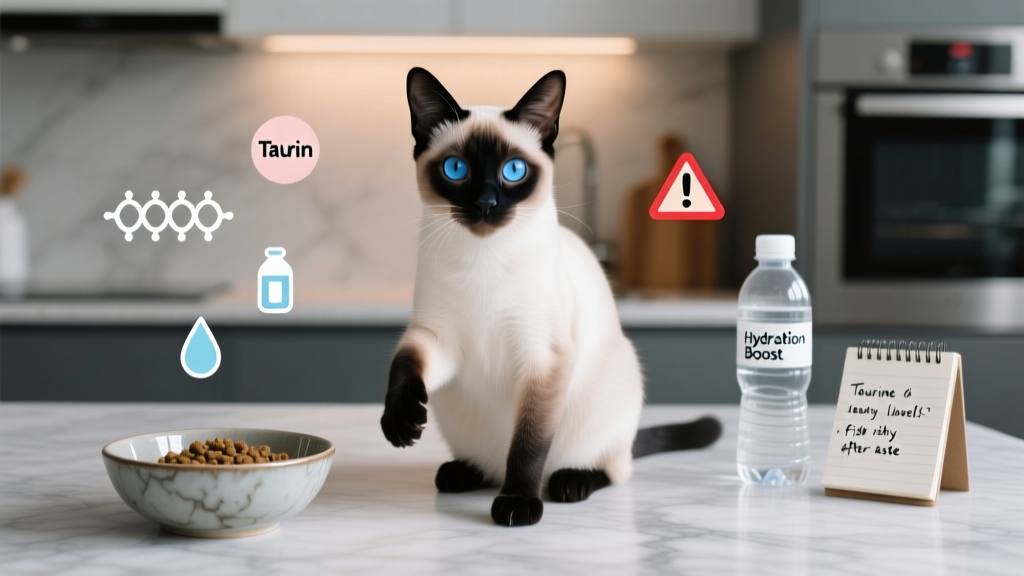
| Taurine requirement | Essential amino acid for cats; deficiency can cause dilated cardiomyopathy and retinal degeneration | Taurine itself is fairly stable, but overall diet integrity and heat processing/stability measures matter |
| Limited thirst drive | Cats evolved to get water from prey | Wet foods support hydration; storage mistakes in wet food can quickly reduce safety |
Cat foods that meet AAFCO nutrient profiles (or equivalent standards in your region) are formulated to provide essential nutrients at the time of manufacture. Many manufacturers also include nutrient “overages” to account for expected losses during processing and shelf life. Still, how you store food at home can influence nutrient retention and safety.
3) Detailed analysis: what degrades over time and why
Primary drivers of nutrient degradation
- Oxygen: oxidizes fats and certain vitamins.
- Light: accelerates oxidation, especially in clear containers or near windows.
- Heat: speeds chemical reactions and can reduce vitamin potency.
- Moisture: increases risk of microbial growth and can affect texture and palatability.
- Time: the longer the exposure, the more opportunity for losses.
Which nutrients are most vulnerable?
Nutrient stability varies. Some nutrients are relatively stable for the shelf life when stored correctly; others are more fragile.
| Nutrient/component | How it can degrade | What you may notice | Why it matters for cats |
|---|---|---|---|
| Polyunsaturated fats (fish oil, omega-3s EPA/DHA) | Oxidation (rancidity) accelerated by heat/light/oxygen | Stronger odor, reduced palatability, picky eating; sometimes GI upset | Omega-3s support skin/coat, inflammation modulation, cognitive health in seniors |
| Vitamin E (tocopherols) | Oxidation; also used up while protecting fats | Usually no obvious sign, but lower antioxidant protection | Vitamin E helps protect cells and fats; deficiency is uncommon in complete diets but risk rises with oxidized fats |
| B vitamins (some are sensitive, especially thiamine) | Loss during processing/storage; thiamine can be particularly vulnerable | Rarely visible; severe deficiency can cause neurologic signs | Cats require dietary thiamine; deficiency is serious and can be urgent |
| Vitamin A | More stable than some vitamins but can degrade with heat/light over time | Not typically noticeable | Cats require preformed vitamin A; long-term inadequacy is problematic |
| Flavor compounds/palatants | Volatilization and oxidation | Food smells “flat,” cat loses interest | Reduced intake is a nutrition problem, especially for kittens, seniors, and cats with illness |
| Protein | Generally stable; can undergo Maillard reactions in high-heat processing affecting some amino acids | Usually none at home; manufacturing quality matters more | Amino acid balance is critical in cats; reputable brands control for this |
Dry food vs. wet food: different risks over time
| Food type | Main degradation concerns | Typical owner-related risk points | What helps most |
|---|---|---|---|
| Dry kibble | Fat oxidation (rancidity), vitamin losses after opening | Storing open bags for months; pouring into unsealed bins; heat exposure (garage/laundry room) | Keep in original bag, seal tightly, store cool/dry/dark, buy appropriate bag size |
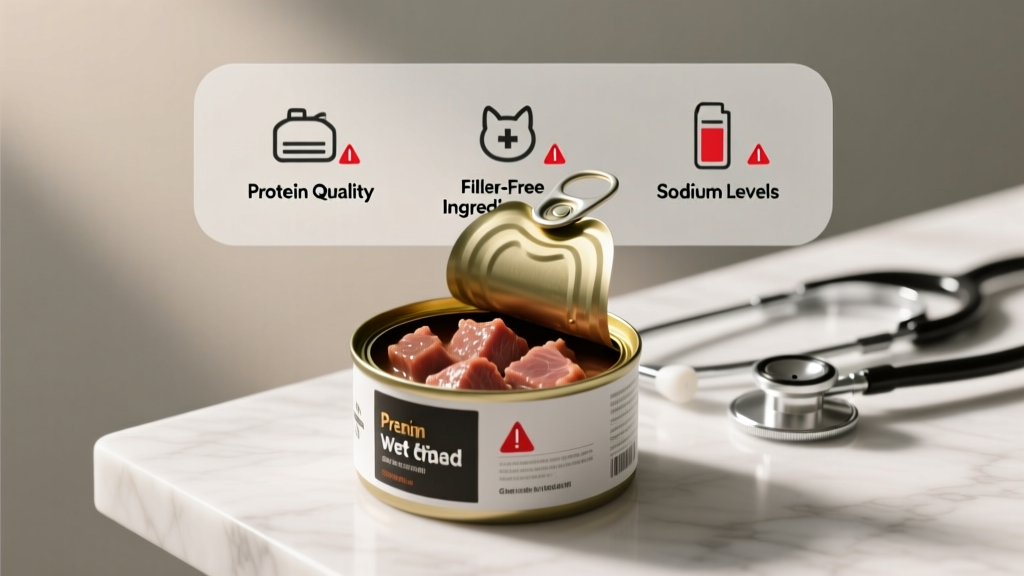
| Canned wet food | Very stable while sealed; once opened, spoilage/microbial risk increases rapidly | Leaving open cans at room temp; refrigerating uncovered; feeding past safe window | Refrigerate promptly, cover well, use within 24–72 hours, discard if odor/texture changes |
| Pouches/trays | Similar to canned; sealed stability good, opened storage short | Partial pouch left out; poor sealing in fridge | Portion into airtight container; keep cold; label time opened |
| Freeze-dried/dehydrated | Oxidation after opening; moisture uptake if not sealed | Bag left open; scoop introduces humidity | Reseal immediately; use desiccant if provided; store away from steam sources |
What “rancid” really means (and why cats care)
Rancidity is the oxidation of fats. It can lower the nutritional value of essential fatty acids and reduce palatability. Manufacturers add antioxidants (often mixed tocopherols, vitamin E, rosemary extract, or other approved antioxidants) to slow this process. Once a bag is opened, the food is exposed to oxygen repeatedly, and oxidation speeds up.
Cats are often more sensitive to subtle smell changes than we are. A cat refusing a previously loved kibble can be an early clue that fats or flavor compounds have degraded.
Do “grain-free,” “natural,” or “organic” foods degrade differently?
Not inherently. Degradation is more influenced by:
- Fat type and amount (fish-based diets and high-fat diets can be more oxidation-prone).
- Antioxidant system used by the manufacturer.
- Packaging quality (barrier properties, oxygen control, resealability).
- How you store it after opening.
4) Practical recommendations for cat owners
Best storage practices for dry food
- Keep kibble in the original bag. Pet food bags are designed with barriers to slow oxygen and moisture entry. If you use a storage bin, place the entire bag inside the bin rather than pouring kibble directly in.
- Seal tightly after each use (roll down the top, use a clip, or use the built-in zipper if present).
- Store cool, dry, and dark (pantry or cabinet). Avoid garages, laundry rooms, sunny counters, and areas near ovens or dishwashers.
- Buy a bag size your cat can finish in 4–6 weeks after opening (general guideline). Multi-cat homes may finish faster; single-cat homes often do better with smaller bags.
- Check dates: choose the freshest bag available and avoid dented/damaged packaging.
Best storage practices for wet food
- Refrigerate opened wet food promptly in a covered container.
- Use within 24–72 hours depending on the product and your refrigerator temperature; follow label guidance when available.
- Don’t leave wet food out all day. A conservative rule is to discard after 1–2 hours at room temperature (less time in warm environments).
- Warm gently for palatability (stir in warm water or let it sit briefly to take the chill off). Avoid microwaving in the can and avoid overheating.
Quick “is this still good?” checklist
- Smell: sour, paint-like, or unusually strong odors suggest spoilage or oxidation.
- Texture: excessive dryness, crumbling, oiliness, or wet food separating unusually can signal quality changes.
- Cat response: sudden refusal or hesitant eating can be a clue (though medical issues can also cause this).
- Any mold, insects, or clumping: discard immediately.
If your cat suddenly stops eating, contact your veterinarian promptly. Cats can develop hepatic lipidosis (fatty liver) after a relatively short period of inadequate intake.
5) Comparison of options and approaches
| Approach | Pros | Cons | Best for |
|---|---|---|---|
| Smaller bags of dry food purchased more often | Fresher after opening; less oxidation time | Higher cost per pound | Single-cat homes; picky cats |
| Keep original bag inside an airtight bin | Extra protection from humidity/pests; keeps bag labeling | Bin must be cleaned regularly; not a substitute for sealing the bag | Homes in humid climates; pest-prone areas |
| More wet food / mixed feeding | Supports hydration; sealed cans are stable until opened | Opened food spoils faster; higher daily cost; dental benefits are often overstated | Cats prone to urinary issues (with vet guidance), seniors, cats needing higher water intake |
| Automatic feeders with kibble | Portion control, routine | Kibble sits exposed to air longer; can stale faster | Busy schedules (use small daily amounts and clean feeder) |
| Bulk buying “to save money” | Lower cost per unit | Higher risk of staleness/oxidation; storage errors | Multi-cat homes that finish food quickly and can store properly |
6) Common mistakes and misconceptions to avoid
- Mistake: Pouring kibble into a bin and tossing the bag.
Why it’s a problem: You lose the lot number and best-by date for recalls and freshness tracking, and bins can retain oils that go rancid. Keep the bag. - Mistake: Storing food in hot places.
Reality: Heat accelerates fat oxidation and vitamin loss. A “convenient” spot near appliances can meaningfully shorten freshness. - Myth: “Dry food doesn’t go bad because it’s dry.”
Fact: Dry foods are less likely to grow microbes than wet foods, but fats can oxidize and vitamins can degrade. Quality can drop well before it becomes obviously “spoiled.” - Myth: “If my cat eats it, it must be fine.”
Fact: Cats sometimes eat stale food, especially if hungry or if alternatives aren’t offered. Palatability is a clue, not a guarantee of nutritional integrity. - Mistake: Topping old kibble with oils to ‘boost nutrition.’
Why it backfires: Adding fish oil increases oxidation risk unless handled carefully, and it can unbalance calories. Supplements should be discussed with your vet. - Myth: “Expiration dates are meaningless.”
Fact: “Best by” dates are tied to expected nutrient retention and quality when unopened and stored properly. Once opened, the clock speeds up.
7) How to implement changes safely (transition tips)
If you decide to change bag sizes, switch from free-feeding to portioning, add more wet food, or move to a different brand to improve freshness and acceptance, do it gradually to protect your cat’s gastrointestinal comfort.
- Transition over 7–10 days for most cats:
- Days 1–3: 75% old + 25% new
- Days 4–6: 50% old + 50% new
- Days 7–9: 25% old + 75% new
- Day 10: 100% new
- Go slower for cats with sensitive stomachs, IBD, or a history of diet-related diarrhea.
- Measure portions with a gram scale or standardized measuring cup to avoid accidental overfeeding when switching foods with different calorie density.
- Monitor stool, appetite, and weight. Any vomiting, persistent diarrhea, or refusal to eat warrants a call to your veterinarian.
8) Special considerations: age, health conditions, and lifestyle
Kittens
- Need higher energy and specific nutrient density for growth.
- Because kittens eat smaller portions more frequently, freshness and palatability matter. Offer smaller, more frequent servings of wet food and discard leftovers promptly.
- Choose diets labeled for growth or all life stages.
Adult indoor cats
- Often at risk for weight gain; stale food can lead to “treat chasing” or finicky patterns.
- Portion control and storing kibble correctly helps maintain consistent intake and body condition.
Senior cats
- May have reduced smell sensitivity, dental disease, or chronic conditions that affect appetite.
- Freshness becomes critical: seniors may refuse slightly stale food.
- Many seniors benefit from more wet food for hydration, but the best choice depends on kidney function, body condition, and concurrent disease. Work with your veterinarian.
Urinary tract concerns (FLUTD/crystals)
- Higher moisture intake is often recommended; wet food can help support urine dilution.
- Nutrient degradation is less the issue than consistent formulation and proper storage (opened wet food must be handled safely).
- Prescription urinary diets should be fed as directed; avoid mixing without veterinary approval.
Chronic kidney disease (CKD)
- Kidney diets are carefully formulated; consistency matters more than “tweaks.”
- Because appetite can be variable, keeping food fresh and aromatic can help. Ask your vet about warming strategies, texture options, and appetite support.
Food allergies or IBD
- Diet trials require strict control; avoid rotating foods frequently “for freshness” during a trial.
- Use small bag sizes and meticulous storage to keep the diet consistent without prolonged open-bag time.
9) FAQ
How long does dry cat food stay fresh after opening?
Many cats do best when a bag is finished within about 4–6 weeks of opening, assuming it’s sealed and stored cool/dry/dark. This is a practical freshness guideline, not a universal rule. If your cat becomes picky near the end of a bag, consider smaller bags or improved sealing.
Should I refrigerate dry kibble to slow nutrient loss?
Usually no. Refrigerators can introduce moisture and odors. A cool, dry pantry is typically better. Freezing is sometimes used for very long storage, but it can create condensation when thawed; if you freeze, portion into airtight bags and thaw sealed to reduce moisture exposure.
Is it safe to feed wet food left out overnight?
It’s not recommended. Wet food left at room temperature for extended periods has a higher risk of spoilage. Discard leftovers after about 1–2 hours (less in warm rooms). When in doubt, throw it out and offer a fresh portion.
Does nutrient degradation mean I should add supplements?
Not routinely. Adding supplements can unbalance a complete diet, especially fat-soluble vitamins. If you suspect a storage problem or your cat has special needs, talk to your veterinarian before adding anything—particularly oils, vitamins, or “human” supplements.
My cat suddenly refuses a food we’ve used for months. Is it rancid?
It’s possible, but not the only explanation. Cats may refuse food due to dental pain, nausea, stress, or illness. Check for changes in smell/texture and verify the best-by date and storage conditions, but also contact your veterinarian—especially if your cat eats significantly less for more than 24 hours.
Are foods with fish more likely to degrade?
Foods high in fish oil or omega-3 fats can be more prone to oxidation. That doesn’t make them “bad,” but it does make storage practices more important. Buy appropriate bag sizes, seal well, store cool, and pay attention to odor changes.
Bottom line: You don’t need perfection to protect your cat’s nutrition, but you do need a plan: buy the right quantity, store it correctly, and watch for palatability changes. For personalized diet decisions—especially for kittens, seniors, or cats with medical conditions—partner with your veterinarian.
Want more practical feeding strategies, label-reading help, and cat-health-focused nutrition guides? Explore the latest articles on catloversbase.com.