The Impact of Dietary Fiber Type: Soluble vs Insoluble
How can soluble fiber help both constipation and diarrhea?
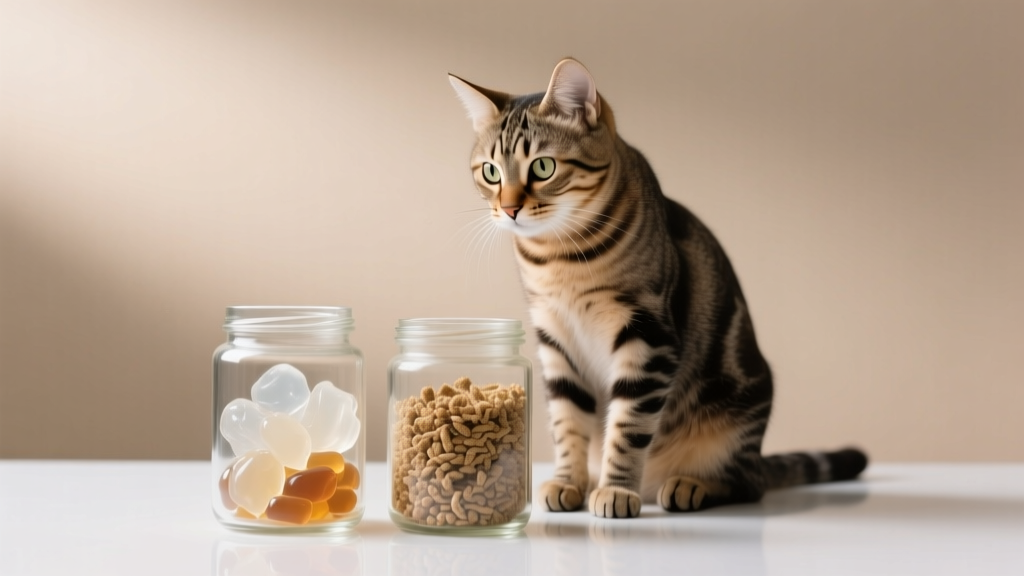
Soluble fiber (like psyllium) can hold water and form a gel. In constipation, it can increase water content in stool (when hydration is adequate). In diarrhea, it can bind excess water and help normalize stool consistency. The response depends on dose, the cat’s hydration status, and the underlying cause—so veterinary guidance matters.
Is a high-fiber diet safe for long-term feeding?
It can be, if the food is complete and balanced and chosen for the right reason (such as weight management). High fiber may increase stool volume and can reduce calorie density and digestibility. For cats with chronic conditions, your veterinarian should help determine whether a higher-fiber therapeutic diet is appropriate long term.
Does fiber prevent hairballs?
Fiber may help move ingested hair through the GI tract in some cats, but it’s not a standalone fix. Regular grooming, addressing excessive shedding, treating skin disease if present, and ensuring hydration often make a bigger difference. If vomiting is frequent, consult your veterinarian to rule out GI disease.
Should I add psyllium or pumpkin to my cat’s food?
Only with veterinary approval, especially if your cat has recurring symptoms. Psyllium is a concentrated fiber and dosing matters. Pumpkin can add mixed fiber and moisture, but it’s not nutritionally complete and varies by product. Persistent constipation or diarrhea deserves a diagnostic plan, not just fiber experimentation.
What signs mean fiber isn’t agreeing with my cat?
Common signs include increased gas, bloating, worsening diarrhea, very bulky stools, straining, reduced appetite, or vomiting. Stop the new addition and contact your veterinarian if signs persist, your cat seems painful, or there’s blood in stool.
How do I know if my cat needs soluble or insoluble fiber?
Match the fiber type to the problem pattern (constipation vs colitis vs hairballs vs weight control), then confirm with your veterinarian. Many cats do best with a balanced blend rather than a single fiber type, particularly when stool issues are chronic.
Veterinary reminder: Stool changes can signal parasites, infection, dehydration, bowel obstruction, endocrine disease, or inflammatory disorders. Consult your veterinarian before making significant diet changes or adding supplements—especially for kittens, seniors, and cats with medical conditions.
If you want more practical, science-based feeding guidance, explore the nutrition library on catloversbase.com for more cat-focused diet guides and ingredient deep-dives.