The Impact of Dietary Calcium Oxalate on Stone Formation
1. Why This Topic Matters for Cat Health
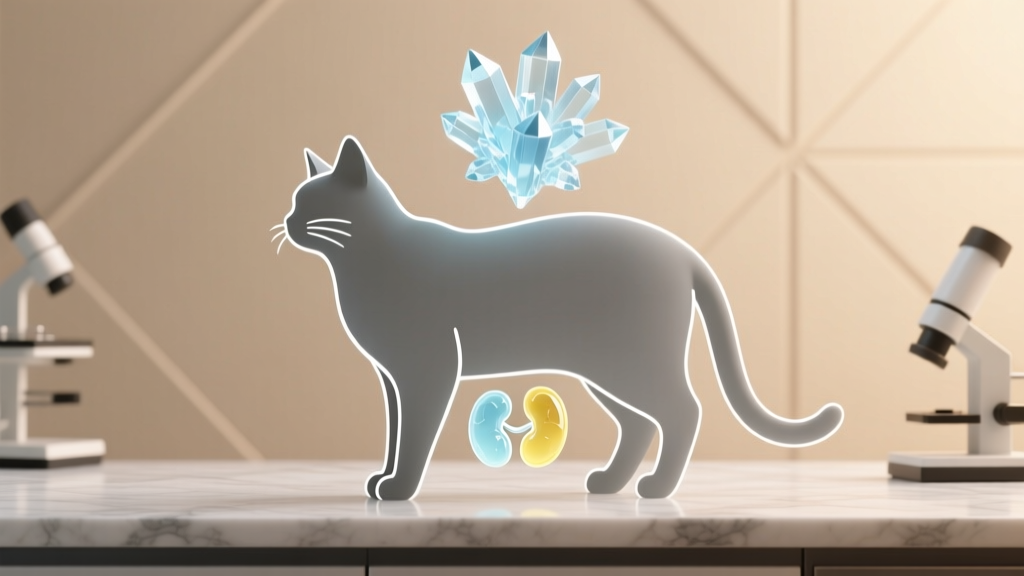
Urinary stone disease is one of the most common (and stressful) feline health issues cat owners face. Calcium oxalate (CaOx) stones and crystals are a leading cause of painful urination, blood in the urine, recurrent urinary tract signs, and urethral obstruction (a life-threatening emergency, especially in male cats). Unlike some other urinary stones, calcium oxalate stones typically cannot be dissolved with diet once formed—many cats require surgical or interventional removal. That makes prevention through smart nutrition and hydration a big deal.
The phrase “dietary calcium oxalate” can be confusing because cats don’t eat “calcium oxalate” as an ingredient in pet food. Instead, the risk relates to how dietary minerals (calcium, magnesium, phosphorus), urinary pH, hydration, oxalate precursors, and overall diet formulation influence whether calcium and oxalate combine and precipitate in the urinary tract.
This article breaks down what drives calcium oxalate stone formation in cats and how to choose a diet that reduces risk—while still meeting the needs of an obligate carnivore. For any cat with urinary signs or a history of stones, partner with your veterinarian (and ideally a veterinary nutritionist) before making major diet changes.
2. Scientific Background: Feline Nutritional Needs and Obligatory Carnivore Biology
Cats are obligate carnivores with metabolism tailored to animal-based protein and fat. That biology matters for urinary health because diet influences urine concentration, pH, and mineral excretion.
| Feline trait | What it means nutritionally | Why it matters for CaOx risk |
|---|---|---|
| Low thirst drive | Cats often drink less than they need when fed dry-only diets | More concentrated urine increases supersaturation (crystal/stone risk) |
| High protein requirement | Cats thrive on animal-based proteins and specific amino acids (taurine, etc.) | Protein source and mineral balance can affect urinary chemistry |
| Efficient mineral conservation | Minerals like calcium are regulated tightly, but urinary excretion can rise under certain conditions | Higher urinary calcium (hypercalciuria) increases CaOx propensity |
| Urinary pH is diet-responsive | Formulations can acidify or alkalinize urine | CaOx can form across a broad pH range, and overly acidic urine may increase CaOx risk in some cats |
Most owners have heard about “ash” or “urinary pH,” but modern urinary nutrition is more nuanced. Stone risk is best explained by urine supersaturation: when urine contains enough calcium and oxalate in a concentrated environment, they can crystallize and aggregate into stones.
3. Detailed Analysis: How Diet Influences Calcium Oxalate Stone Formation
3.1 What are calcium oxalate stones?
Calcium oxalate stones are mineral concretions usually forming in the bladder or kidneys. They tend to recur in predisposed cats. Key point: they are generally not dissolvable with diet once present, which is why prevention matters so much.
3.2 The core driver: urine supersaturation
Think of stone risk like making rock candy: the more “crowded” and concentrated the solution, the easier crystals form. In cats, urine becomes “crowded” when:
- Water intake is low (dry-only feeding, low drinking, multi-cat stress limiting access).
- Urinary calcium is high (dietary balance issues, idiopathic hypercalciuria, certain diseases).
- Oxalate availability is higher (from metabolism of certain nutrients, intestinal factors, or rare dietary extremes).
3.3 Calcium in the diet: not “the enemy,” but balance matters
A common assumption is that less dietary calcium always means fewer calcium stones. In reality, calcium is essential for bone, muscle, nerves, and many metabolic processes. Commercial cat foods formulated to meet AAFCO/FEDIAF standards provide adequate calcium and phosphorus balance for most cats.
Problems are more likely when:
- Homemade diets are unbalanced, especially meat-only or “all raw muscle meat” plans without a properly formulated mineral mix.
- Excess supplementation occurs (calcium powders, bone meal, eggshell) without a veterinary recipe.
- Calcium-to-phosphorus ratio is off, potentially altering mineral handling and urinary excretion.
3.4 Oxalate: where does it come from for cats?
Cats do not typically eat high-oxalate “leafy green” diets like humans might, but oxalate can still appear in urine due to metabolism and ingredient choices. Potential contributors include:
- Plant ingredients and fibers: Some plant materials can contribute oxalate or affect mineral binding in the gut.
- Vitamin C supplementation: Excess ascorbic acid can be metabolized to oxalate in some species; cat-specific evidence is limited, but unnecessary supplementation is still a concern.
- Gut factors: Intestinal health influences mineral absorption; chronic diarrhea or malabsorption may alter calcium/oxalate dynamics.
3.5 Urinary pH: a double-edged lever
Historically, many urinary diets aimed to prevent struvite stones by acidifying urine. While urine acidification can reduce struvite risk, over-acidification may increase CaOx risk in some cats by changing urinary chemistry and potentially increasing calcium excretion.
Modern urinary diets aim for a more controlled pH target and, more importantly, reduced urine supersaturation for both struvite and calcium oxalate.
3.6 Magnesium and phosphorus: indirect but relevant
Magnesium is heavily discussed in struvite prevention, but overall mineral balance still matters for CaOx risk. Phosphorus intake and source can influence calcium regulation and kidney health. The goal is not to chase single-mineral numbers as a pet owner, but to choose diets designed for urinary health when indicated.
3.7 Hydration: the most consistent, evidence-backed lever owners can control
Across urinary conditions, increasing water intake generally lowers urine concentration and reduces crystal-forming potential. This is especially relevant because cats are naturally “desert-adapted” and may not compensate for dry diets by drinking enough.
4. Practical Recommendations for Cat Owners
Daily strategies that lower CaOx risk
- Prioritize moisture: Feed wet food as all or part of the diet when possible.
- Increase total water intake:
- Add water or low-sodium broth (no onion/garlic) to wet food.
- Offer multiple water stations; use wide bowls to avoid whisker stress.
- Consider a water fountain if your cat prefers running water.
- Use a veterinary urinary diet when indicated: Especially if your cat has a history of CaOx stones/crystals, recurring urinary signs, or has had a prior obstruction.
- Keep body condition lean: Obesity is associated with lower activity and may worsen urinary risk patterns in some cats.
- Reduce stress and improve litter box management: Stress and poor litter access can reduce urination frequency, increasing time for crystals to form.
| Goal | What to do | Why it helps |
|---|---|---|
| More dilute urine | Wet food, added water, fountains | Lowers supersaturation of calcium and oxalate |
| Stable urinary chemistry | Consistent diet; avoid frequent unplanned switching | Reduces sudden changes in pH/mineral excretion |
| Appropriate minerals | Complete and balanced diets; avoid DIY supplements | Prevents mineral excess/imbalance linked to stone risk |
| Early detection | Periodic urinalysis for at-risk cats | Identifies crystals, pH trends, concentration early |
5. Comparing Options: Diet Approaches for CaOx-Prone Cats
| Approach | Pros | Cons / cautions | Best fit |
|---|---|---|---|
| Prescription urinary diet (wet) | Designed to reduce urine supersaturation; higher moisture; controlled minerals | Cost; some cats resist change; needs vet guidance | Cats with confirmed CaOx stones/crystals or recurrent urinary issues |
| Prescription urinary diet (dry) | Convenient; still formulated for urinary targets | Lower moisture than wet; may not optimize urine dilution alone | Cats that won’t eat wet; households needing dry, ideally paired with water strategies |
| High-moisture over-the-counter wet diet | Improves hydration; accessible | Not necessarily formulated for CaOx risk; mineral profile varies | Lower-risk cats needing hydration support; prevention focus |
| Homemade cooked/raw | Ingredient control; can be tailored medically | High risk of mineral imbalance without veterinary formulation; food safety issues for raw | Only with a veterinary nutritionist recipe and monitoring |
If your cat has a history of calcium oxalate stones, the most evidence-based “product category” is a veterinary therapeutic urinary diet chosen specifically for that history. Ask your veterinarian which formula is intended to reduce CaOx recurrence (not only struvite).
6. Common Mistakes and Misconceptions to Avoid
- Myth: “Calcium causes calcium stones, so remove calcium.”
Fact: Calcium is essential. The issue is urine supersaturation and balance, not simply dietary calcium presence. Removing calcium can create dangerous deficiencies and doesn’t address concentration drivers. - Myth: “Dry food always causes urinary stones.”
Fact: Dry diets can contribute to low water intake in many cats, but stones are multifactorial (genetics, urine chemistry, stress, anatomy). A dry-only diet is often a risk amplifier, not the sole cause. - Myth: “If I acidify urine, I prevent all stones.”
Fact: Acidification can reduce struvite risk, but CaOx stones may still form and may be promoted in certain urinary conditions. Urine pH is only one piece of the puzzle. - Common mistake: DIY supplements (calcium, vitamin C, ‘urinary powders’).
Even “natural” supplements can disrupt mineral balance or urinary pH. Use supplements only when prescribed or approved by your veterinarian. - Common mistake: Frequent food switching.
Constant rotation can make it harder to maintain stable urinary parameters and can trigger GI upset that affects hydration and mineral handling.
7. How to Implement Changes Safely (Transition Tips)
Diet changes should be slow, especially for cats with sensitive GI tracts or cats that are prone to not eating (hepatic lipidosis risk if a cat stops eating). If your cat has active urinary signs, contact your veterinarian promptly rather than attempting a home diet fix.
Step-by-step transition plan (typical)
- Days 1–3: 75% current food + 25% new food
- Days 4–6: 50% current food + 50% new food
- Days 7–9: 25% current food + 75% new food
- Day 10+: 100% new food
Tips for better acceptance
- Warm wet food slightly to increase aroma.
- Offer smaller, more frequent meals.
- Add water gradually (start with 1–2 teaspoons and build up).
- Avoid “waiting out” a cat who refuses food—call your vet if intake drops.
8. Special Considerations (Age, Health Conditions, Activity Level)
Kittens and growth
Kittens need higher energy and carefully balanced calcium/phosphorus for skeletal development. Do not feed urinary therapeutic diets to kittens unless your veterinarian specifically recommends it for a medical reason.
Senior cats
Older cats may have kidney changes, dental disease, or reduced mobility that affects water intake and litter box habits. Regular wellness checks, bloodwork, and urinalysis help tailor diet choices safely. Some cats may need a plan that balances urinary goals with kidney support.
Chronic kidney disease (CKD)
CKD changes hydration status and mineral handling. Some CKD diets restrict phosphorus and protein differently than urinary diets. If your cat has CKD and a history of CaOx stones, your veterinarian should prioritize an individualized plan and monitoring schedule.
Diabetes and obesity
Weight loss plans and diabetic diets can change moisture intake, protein levels, and feeding patterns. Aim for steady weight management under veterinary guidance, and consider wet-forward strategies to support hydration.
History of urinary obstruction or FLUTD
Cats with feline lower urinary tract disease (FLUTD), prior obstruction, or recurrent urinary signs benefit from a whole-environment approach:
- wet-forward feeding
- stress reduction (predictable routine, enrichment)
- excellent litter box setup (number, location, cleanliness)
- veterinary monitoring
9. FAQ
1) Can calcium oxalate stones be dissolved with a special diet?
Usually no. Calcium oxalate stones in cats are generally not diet-dissolvable, which is why prevention and recurrence reduction (diet, hydration, monitoring) are emphasized. Your veterinarian will advise whether removal and follow-up diet therapy are needed.
2) Should I avoid foods with “calcium” listed high on the label?
Not automatically. Most complete-and-balanced diets contain appropriate calcium. The bigger risk is imbalance from homemade diets or unapproved supplementation. If your cat has a CaOx history, ask your vet which diets are formulated to reduce recurrence.
3) Is wet food always better for preventing stones?
Wet food often helps because it increases water intake and dilutes urine. Some cats still need a therapeutic urinary diet (wet or dry) to better control urine supersaturation. Many CaOx-prone cats do best with a wet therapeutic diet plus water strategies.
4) Does urinary pH tell me everything about stone risk?
No. pH is only one parameter. Urine concentration (specific gravity), calcium and oxalate levels, and overall supersaturation risk matter. Your veterinarian can interpret urinalysis results in context.
5) Are grain-free or raw diets better for calcium oxalate prevention?
Not inherently. “Grain-free” does not equal “urinary-safe,” and raw/homemade diets can be mineral-imbalanced without professional formulation. For cats with a CaOx history, the most reliable option is a veterinarian-recommended urinary diet and hydration plan.
6) What are warning signs that require urgent veterinary care?
Straining without producing urine, repeated trips to the litter box, crying in pain, lethargy, vomiting, or a firm/painful abdomen can indicate obstruction—seek emergency veterinary care immediately.
Veterinary guidance matters: If your cat has had stones, crystals, urinary obstruction, kidney disease, or recurring urinary signs, consult your veterinarian before changing diets or adding supplements. Nutrition for stone prevention is highly individual and works best with follow-up urinalysis and, when appropriate, imaging.
If you want more practical, cat-first nutrition help, explore the rest of the nutrition guides on catloversbase.com for feeding strategies, label-reading tips, and evidence-based diet comparisons.