Senior Cat Diet: When and How to Switch
When Is a Cat Senior?
Cats are generally considered senior at 11 years old. However, nutritional needs begin shifting around age 7-8, when metabolism slows and kidney function may start declining. Early dietary adjustments prevent health problems.
Key Nutritional Changes
Protein Quality Over Quantity
Contrary to old advice, senior cats need high-quality, easily digestible protein — not less protein. Muscle loss (sarcopenia) is common in aging cats. Look for named animal proteins (chicken, fish) as the first ingredient.
Phosphorus Management
Kidney disease affects 30-40% of senior cats. Excess phosphorus accelerates kidney damage. Senior formulas typically contain 0.5-0.7% phosphorus (dry matter basis) vs 1%+ in regular adult food.
Increased Moisture
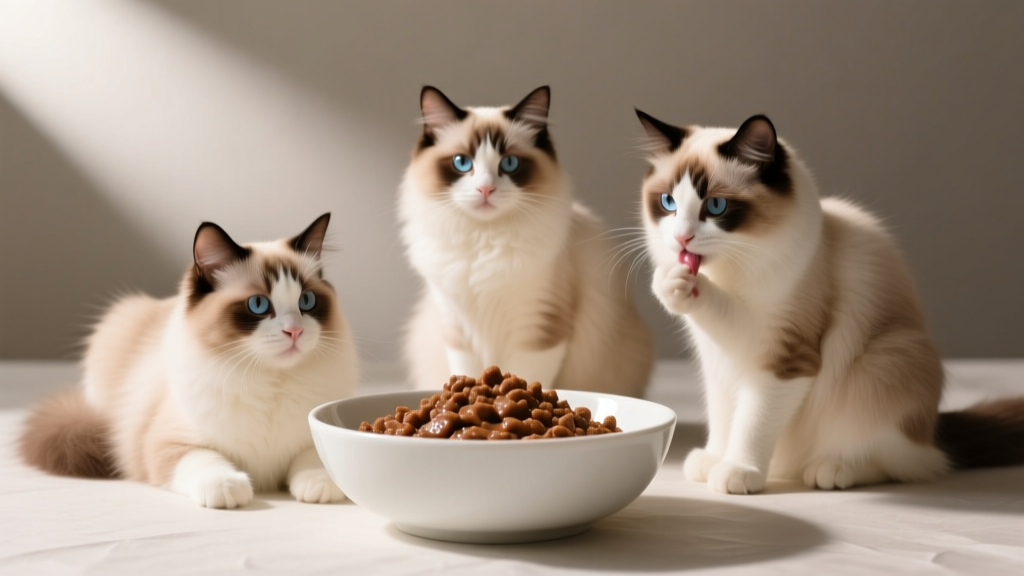
Senior cats are chronically dehydrated, especially those with kidney issues. Wet food or adding water to dry food helps maintain hydration. Aim for 50ml/kg body weight daily.
Omega-3 Fatty Acids
EPA and DHA from fish oil reduce inflammation, support joint health, and may slow cognitive decline. Look for foods with added fish oil or supplement separately.
Joint Support
Glucosamine and chondroitin supplements help manage arthritis, which affects 80% of cats over 10. Some senior foods include these ingredients.
Feeding Tips for Senior Cats
- Warm food slightly to enhance aroma (senior cats have diminished smell)
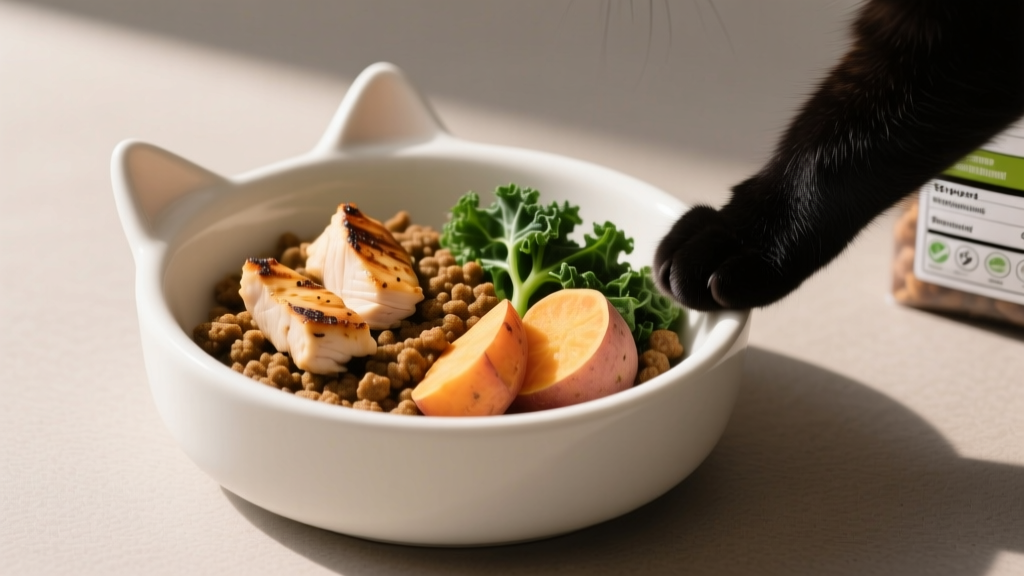
- Use shallow, wide bowls to accommodate sore jaws
- Feed smaller, more frequent meals (3-4 per day)
- Monitor weight monthly — sudden loss signals disease
When to See a Vet
Before switching to a senior diet, get bloodwork done. Your vet can identify early kidney disease, hyperthyroidism, or diabetes that requires specific dietary management beyond a standard senior formula.