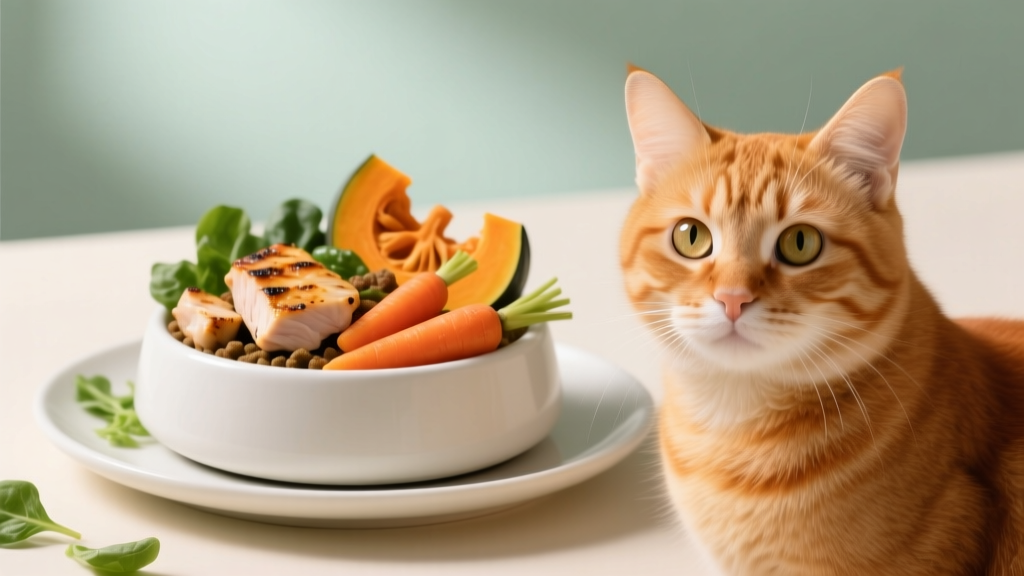
Raw Diet for Cats: Pros, Cons & Safety Tips
Why Some Cat Owners Choose Raw
Approximately 12% of U.S. cat owners fed a raw diet in 2023, according to the American Veterinary Medical Association’s Pet Ownership Survey. Motivations include perceived benefits like shinier coats, improved digestion, and alignment with feline evolutionary biology—as obligate carnivores, cats require high-protein, low-carbohydrate nutrition.
Nutritional Risks of Homemade Raw
Homemade raw diets often lack critical nutrients. A 2022 study in the Journal of Feline Medicine and Surgery found that 95% of 200 owner-formulated raw recipes were deficient in taurine, calcium, or vitamin E. Without precise supplementation, deficiencies can cause dilated cardiomyopathy or skeletal deformities—especially dangerous for kittens and seniors.
Commercial Raw Options: Safer but Not Risk-Free
Brands like Stella & Chewy’s Freeze-Dried Dinner Morsels (launched 2018) and Primal Pet Foods Raw Frozen Formulas undergo high-pressure processing (HPP) to reduce pathogens. Still, FDA testing in 2021 detected Salmonella in 14% of 207 commercial raw pet food samples. Always handle these products with human-grade food safety practices—wash hands, disinfect surfaces, and avoid feeding near immunocompromised individuals.
Dietary Needs by Life Stage
Kittens require 30–40% protein on a dry-matter basis and double the calcium of adults; raw diets must meet AAFCO growth standards. Senior cats over age 12 may need reduced phosphorus (≤0.6% DM) to support kidney health—many raw formulas exceed this. Pregnant queens need increased calories (25–50% above maintenance) and arachidonic acid, which is naturally present in animal fat but easily lost in improper preparation.
Real-World Scenarios & Solutions
In Portland, OR, a 3-year-old domestic shorthair developed chronic vomiting after switching to a homemade chicken-liver-only raw mix. Bloodwork revealed taurine deficiency; switching to a balanced commercial raw formula (Taste of the Wild PREY Turkey Formula, launched 2022) resolved symptoms within 6 weeks. In contrast, a geriatric Maine Coon with stage II CKD improved creatinine levels after transitioning from raw to a vet-recommended renal diet—highlighting that raw isn’t universally appropriate.
| Nutrient | AAFCO Adult Minimum (DM) | Common Raw Deficiency Rate | Key Source in Raw |
|---|---|---|---|
| Taurine | 0.2% | 95% in homemade recipes (JFMS, 2022) | Heart, liver, dark poultry muscle |
| Calcium | 0.6% | 78% in boneless mixes | Ground edible bone (e.g., chicken necks) |
| Vitamin E | 50 IU/kg | 82% in non-supplemented batches | Wheat germ oil, sunflower oil (added post-prep) |
Supplementation is essential for homemade raw. Use only veterinary-formulated additives like Balance IT Feline (developed by Dr. Susan Lauten, 2019) rather than human multivitamins. Never substitute dog-specific supplements—they lack adequate taurine and arachidonic acid.
Feeding guides must account for calorie density: raw diets average 1,100–1,300 kcal/kg (vs. 3,500+ kcal/kg in kibble). A 10-lb adult cat typically needs 2.5–3.5 oz of raw per day—not volume-equivalent to kibble. Weigh food using a digital scale accurate to 0.1 oz.
"Raw feeding requires veterinary oversight—not just enthusiasm. Unbalanced diets pose real, measurable health threats, especially to growing kittens and chronically ill cats." — Dr. Justine Lee, DVM DACVECC, 2023
Food reviews matter: In CatloversBase’s 2024 blind taste test of 12 raw brands, Only Natural Pet’s Raw Complete earned top marks for palatability and consistency—but scored lowest for calcium:phosphorus ratio (1.1:1 vs. ideal 1.2–1.4:1). Always cross-check guaranteed analysis with AAFCO profiles.
Finally, consider your cat’s individual needs. A rescue cat with history of Giardia may face higher infection risk from raw; a healthy 2-year-old indoor hunter may thrive—with proper formulation and handling. Consult a board-certified veterinary nutritionist before starting raw, especially if managing diabetes, IBD, or urinary crystals.