Cat Food Double Extrusion: Twice-Cooked Kibble Process
1) Why double extrusion matters for cat health
Dry cat food (kibble) dominates many households because it’s convenient, shelf-stable, and easy to portion. How that kibble is made affects more than texture and price: manufacturing changes nutrient availability, digestibility, palatability, and even how many calories your cat actually absorbs. “Double extrusion” (a twice-cooked, two-stage extrusion approach) is one processing method used to create kibble with specific characteristics—such as a crisp texture, a particular shape, a targeted density, or improved coating adherence.
For cat owners focused on the best diet, the key question isn’t whether double extrusion is “good” or “bad” in general. The real question is: does a specific food meet your cat’s biological needs as an obligate carnivore, with safe nutrient levels, strong quality control, and a formula your cat thrives on? Understanding double extrusion helps you interpret labels, marketing claims, and why two kibbles with similar ingredients can perform differently for your cat’s weight, stool quality, and coat.
2) Scientific background: feline nutritional needs (obligate carnivore essentials)
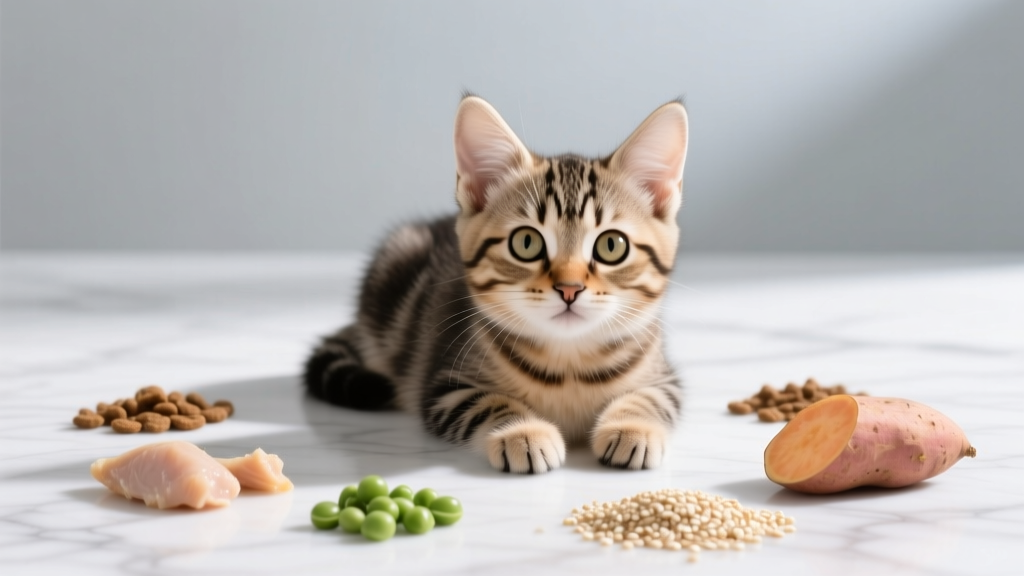
Cats are obligate carnivores. Their metabolism is adapted to a prey-based diet that is naturally high in animal protein, moderate in fat, and low in carbohydrate. This biology influences what matters most in any processed diet, including extruded kibble.
- High protein requirement: Cats use amino acids for energy more continuously than many species. They need a diet with sufficient high-quality protein and essential amino acids.
- Taurine is essential: Unlike some animals, cats can’t synthesize enough taurine. Deficiency can cause heart disease (dilated cardiomyopathy), retinal degeneration, and reproductive issues.
- Arachidonic acid and certain vitamins: Cats have limited ability to make arachidonic acid from plant fats and require preformed vitamin A and niacin.
- Carbohydrate handling: Cats can digest starch when it’s cooked (gelatinized), but they have no nutritional requirement for carbs. In kibble, starch is often used for structure.
- Water intake matters: Many cats have a low thirst drive. Dry food can contribute to lower total water intake versus wet foods, which is relevant for urinary health in some cats.
Veterinary nutrition standards (AAFCO and/or FEDIAF, depending on region) set minimums and nutritional adequacy testing guidelines. For owners, the practical goal is choosing a diet that meets recognized standards and fits your cat’s life stage, health status, and preferences.
3) Double extrusion explained: what it is and what it changes
What is extrusion in general?
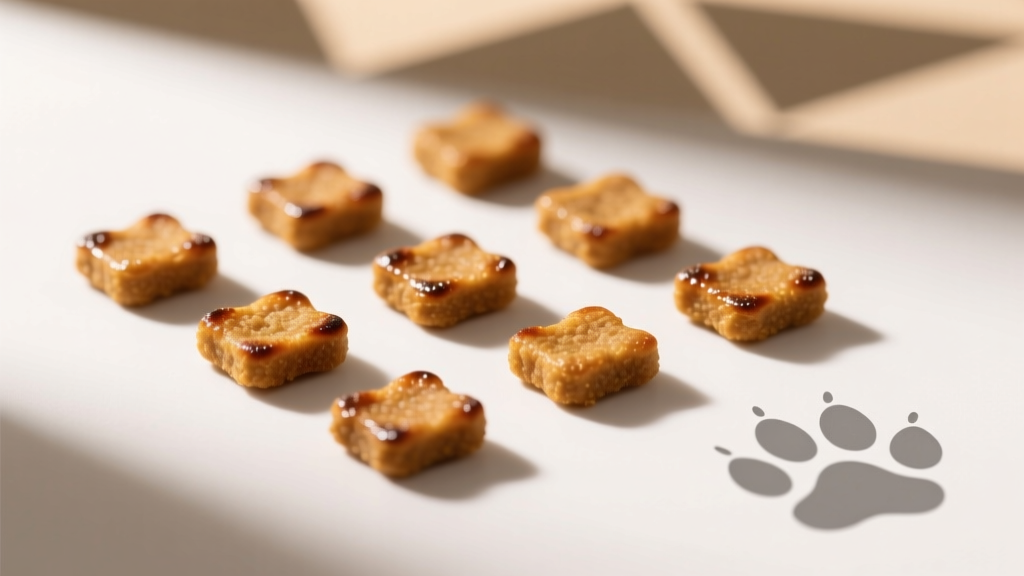
Extrusion is a cooking and shaping process. A blended “dough” of proteins, starches, fats, vitamins, and minerals is heated under pressure and pushed through a die to form kibble shapes. When it exits, pressure drops quickly and the kibble expands. It’s then dried and often coated with fats and palatants.
So what is “double extrusion”?
Double extrusion usually means the product goes through two extrusion/cooking stages or two related processing steps that add additional thermal/mechanical treatment before the final kibble is dried and coated. Manufacturers may use this to:
- Create a specific internal structure (porosity and crunch)
- Improve starch gelatinization for better kibble formation
- Enhance coating adherence (fats, palatants, functional additives)
- Make denser or lighter kibbles depending on target feeding volume
- Support specialized textures (for dental kibbles or hairball formulas)
There isn’t one universal “double extrusion” blueprint across brands; the details vary by equipment, temperatures, moisture, screw speed, and residence time. That’s why it’s hard to make sweeping claims. Still, there are common nutrition implications of additional heat and mechanical processing.
Potential nutritional impacts (evidence-based, practical)
| Factor | How extrusion affects it | What double extrusion may change | What owners should watch |
|---|---|---|---|
| Digestibility | Cooking gelatinizes starch and can improve digestibility. | May further gelatinize starch and alter kibble density/porosity, influencing digestion speed. | Stool quality (too soft/too hard), gas, changes in appetite. |
| Protein quality | Heat can denature proteins (often improving enzyme access), but excessive heat may reduce availability of some amino acids. | More processing can increase risk of heat damage if not well controlled. | Look for reputable brands with quality control and AAFCO/FEDIAF adequacy; monitor coat, body condition, muscle mass. |
| Taurine and amino acids | Taurine itself is relatively heat-stable, but processing can influence overall amino acid availability and losses can occur in some steps. | Additional processing may increase need for precise supplementation. | Prefer diets formulated to meet standards with verified nutrient targets; consult your vet if feeding unconventional diets. |
| Vitamins | Some vitamins are heat-sensitive, so manufacturers add a “vitamin premix” to compensate. | Twice-cooking may require more robust premix strategy and testing. | Trust brands that perform routine nutrient analysis and have veterinary nutrition oversight. |
| Palatability | Texture and surface fats drive acceptance. | Double extrusion can enhance texture and improve coating adherence. | If your cat is picky, a well-coated kibble may help—but don’t let palatability override nutrition needs. |
| Advanced glycation end products (AGEs) | High heat with proteins + sugars can create AGEs (Maillard reaction). Research in pets is ongoing; excessive processing may increase them. | More heating steps could increase potential formation, depending on formula and controls. | Balance matters: don’t choose based solely on “processed” claims; prioritize complete, tested nutrition and overall health outcomes. |
Does double extrusion make kibble “more processed”?
Yes—by definition it adds processing. That doesn’t automatically make it unsafe or inferior. Processing can improve food safety by reducing pathogens, and it can help create a consistent, nutritionally complete diet. The trade-off is that more heat/mechanical steps can affect sensitive nutrients, which is why responsible manufacturers use validated formulation, premixes, and ongoing testing to meet nutrient profiles after processing.
Safety and quality control matter more than the buzzword
Whether a kibble is single- or double-extruded, the biggest predictors of nutritional reliability are:
- AAFCO/FEDIAF nutritional adequacy statement for your cat’s life stage
- Robust quality assurance (ingredient testing, finished product testing, traceability)
- Feeding trials (when available) and transparent formulation practices
- Appropriate calorie density and clear feeding guidelines
4) Practical recommendations for cat owners
How to decide if a double-extruded kibble is a good fit
- Start with the adequacy statement: Choose foods labeled “complete and balanced” for your cat’s life stage (kitten/growth, adult maintenance, or all life stages).
- Prioritize animal-based protein sources: Look for clear animal proteins in the ingredient list (e.g., chicken, turkey, salmon) rather than relying heavily on plant protein concentrates.
- Check calories (kcal/cup or kcal/kg): Double extrusion can change kibble density; the same “cup” of two foods can have very different calorie counts.
- Assess stool and coat within 2–4 weeks: Good digestion often shows up as well-formed stools, less gas, stable appetite, and improved coat sheen.
- Hydration strategy: If feeding primarily kibble, build water intake into the plan (water fountains, multiple bowls, adding water/broth to meals if your cat accepts it).
Signs the food may not be working for your cat
- Persistent vomiting, diarrhea, constipation, or excessive gas
- Itchy skin, recurrent ear issues, or poor coat (discuss allergy vs other causes with a vet)
- Weight gain or loss despite measured portions
- Excessive thirst/urination (needs veterinary evaluation)
If you see these signs, consult your veterinarian before making major changes—especially for kittens, seniors, and cats with chronic conditions.
5) Comparing approaches: double-extruded kibble vs other options
| Option | Pros | Cons | Best for |
|---|---|---|---|
| Double-extruded kibble | Consistent texture; may hold coatings well; shelf-stable; easy to portion | Low moisture; processing may affect some nutrients (addressed by formulation/testing) | Owners needing convenience and predictable feeding; cats that prefer crunchy textures |
| Standard extruded kibble | Similar convenience; wide range of formulas and budgets | Same general kibble limitations (moisture, calorie density); quality varies | Most households; compare brands by nutrient adequacy and outcomes |
| Canned/wet food | High moisture supports hydration; often lower carbs; strong palatability | Cost; storage; dental benefits are often overstated; can be calorie-dense | Cats prone to lower water intake; urinary health plans (vet-guided); picky cats |
| Fresh/refrigerated or gently cooked (complete diets) | Palatable; may be easier to manage ingredients; some cats do well on it | Quality varies; must be complete and balanced; higher cost; food safety and handling | Owners willing to manage storage/handling and choose veterinary nutrition–informed brands |
| Homemade (vet-formulated) | Control over ingredients; useful for special cases when properly formulated | High risk of nutrient imbalance without a veterinary nutritionist; time-intensive | Cats with special medical needs when a vet nutritionist designs the recipe |
Double extrusion is best viewed as a manufacturing choice within the kibble category. It doesn’t replace the need to evaluate the overall nutritional profile, ingredient quality, and how your cat responds.
6) Common mistakes and misconceptions to avoid
- Myth: “Double extrusion means higher protein or better nutrition.”
Reality: Extrusion method doesn’t guarantee nutrient levels. Two foods can use similar processing but have very different protein quality, calorie density, and mineral balance. - Mistake: Measuring food only by volume (“a cup a day”) without checking calories.
Different kibbles have different kcal/cup. Double extrusion can change density, so portioning by calories and body condition score is more reliable. - Myth: “Crunchy kibble cleans teeth.”
Reality: Most kibble shatters, offering limited dental cleaning. Some veterinary dental diets are designed with specific fiber matrices and kibble size to improve mechanical action, but brushing and professional dental care remain the gold standard. - Mistake: Switching foods rapidly because of a marketing claim.
Fast transitions often cause GI upset. A “better” food on paper can still cause diarrhea if introduced too quickly. - Myth: “Processed food is automatically unhealthy.”
Reality: Processing can improve safety and consistency. The quality of formulation, testing, and whether the diet is complete and balanced matter most.
7) How to implement changes safely (transition tips)
Any diet change—even within kibble types—should be gradual. Use this transition schedule for healthy adult cats:
| Days | Old Food | New Food |
|---|---|---|
| 1–2 | 75% | 25% |
| 3–4 | 50% | 50% |
| 5–6 | 25% | 75% |
| 7+ | 0–25% | 75–100% |
- Go slower (10–14 days) if your cat has a sensitive stomach or a history of diarrhea/constipation.
- Monitor litter box output daily: stool consistency, frequency, and straining.
- Don’t “starve to switch”: Cats are prone to hepatic lipidosis if they stop eating. If your cat refuses food for 24 hours (or eats far less than normal), contact a veterinarian.
- Keep everything else stable: avoid adding new treats or supplements during the transition so you can judge tolerance accurately.
8) Special considerations (age, health conditions, activity level)
Kittens (growth)
- Choose diets labeled for growth or all life stages.
- Kittens need higher energy and specific nutrient density. Don’t feed an adult-only formula.
- Weigh regularly and track body condition; adjust portions with your vet.
Senior cats
- Older cats can lose muscle (sarcopenia). Protein quality and adequate calories matter, but medical conditions (kidney disease, hyperthyroidism) can change targets.
- Dental disease may make hard kibble uncomfortable; mixed feeding (wet + kibble) may help.
Overweight or indoor, low-activity cats
- Calorie density is critical. A double-extruded kibble may be denser or lighter depending on design; always use kcal to guide portioning.
- Ask your vet about a structured weight-loss plan; rapid weight loss is unsafe for cats.
Urinary tract concerns (FLUTD, crystals, history of blockage)
- Water intake and urine concentration are major factors. Many cats with urinary issues benefit from therapeutic urinary diets (vet-prescribed) and increased moisture intake.
- If your cat has a history of urinary blockage, consult your vet before choosing any over-the-counter kibble—processing method is far less relevant than urine pH/mineral strategy and moisture intake.
Food allergies or sensitivities
- True food allergy is less common than owners think; environmental allergies and parasites can mimic it.
- For suspected food allergy, vets often recommend a strict elimination diet (hydrolyzed or novel protein) for 8–12 weeks. Don’t rely on “limited ingredient” marketing alone.
Diabetes or GI disease
- Some diabetic cats do well on low-carbohydrate wet diets; others need individualized plans. Work with your vet to coordinate diet and insulin dosing.
- For IBD or chronic GI upset, digestibility and consistency matter. Your vet may recommend a prescription GI diet.
9) FAQ: common questions about double-extruded kibble
1) Is double-extruded kibble healthier than regular kibble?
Not automatically. Double extrusion is a manufacturing approach. Health impact depends on the finished nutrient profile (complete and balanced), ingredient quality, calorie density, and your cat’s individual response (stool, weight, coat, energy). Choose based on standards (AAFCO/FEDIAF), reputable manufacturing, and outcomes—not the processing buzzword.
2) Does double extrusion destroy nutrients?
Heat and processing can reduce certain heat-sensitive nutrients, which is why responsible manufacturers formulate with appropriate premixes and test finished products. A well-made kibble—single or double extruded—should still meet nutrient requirements when it states it is complete and balanced for the life stage.
3) Will double-extruded kibble help my cat’s digestion?
It can, depending on how the formula and structure affect digestibility and how your cat tolerates it. Improvements in stool consistency sometimes come from changes in fiber type, protein source, fat level, or calorie intake more than from extrusion style alone.
4) Does it reduce carbs in kibble?
No. Kibble typically requires some starch for structure, regardless of single vs double extrusion. Some kibbles are formulated lower in carbohydrate than others, but you can’t assume “double extruded” means lower carb.
5) Is double extrusion safer for preventing bacteria like Salmonella?
Extrusion is a high-heat process that can reduce microbial risks, but safety depends on the entire system: ingredient sourcing, kill-step validation, post-processing handling, and packaging. Choose brands with strong quality control and a good safety track record.
6) Should I switch from kibble to wet food instead of chasing processing methods?
Many cats benefit from more dietary moisture, especially those prone to low water intake. For some cats, a mixed-feeding approach (wet meals + measured kibble) is a practical compromise. The best choice depends on your cat’s health, weight goals, budget, and preferences—review your plan with your veterinarian.
Veterinary guidance: If you’re considering a major diet change—especially for kittens, seniors, or cats with urinary disease, kidney disease, diabetes, GI disease, or food allergy concerns—talk with your veterinarian (and a board-certified veterinary nutritionist when needed) to choose the safest, most effective option.
Want more cat-feeding clarity without the hype? Explore more evidence-based nutrition guides on catloversbase.com to build a diet plan your cat can thrive on.