Best High-Protein Kitten Foods of 2026: Vet-Approved Picks
Why Kittens Need More Protein Than Adult Cats
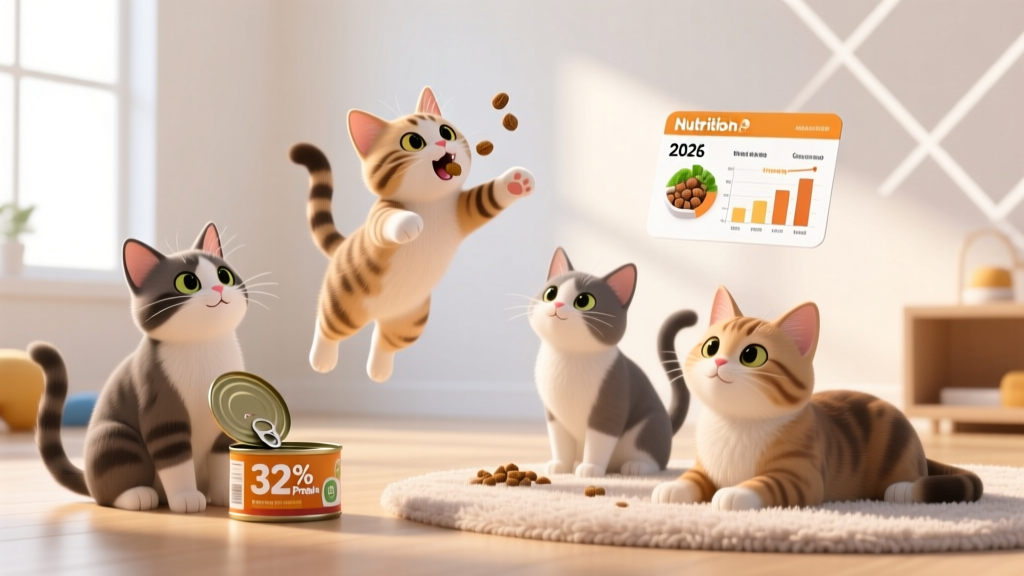
Kittens require significantly higher protein intake to support rapid muscle development, immune system maturation, and neurological growth. According to the Association of American Feed Control Officials (AAFCO), growth-stage diets must contain a minimum of 30% crude protein on a dry matter basis—nearly double the 18–22% required for adult maintenance. This elevated demand persists through the first 12 months of life, with peak needs occurring between weeks 4 and 16.
Protein isn’t just about quantity—it’s about quality. Kittens need all 11 essential amino acids, especially taurine and arginine, which they cannot synthesize efficiently. Deficiencies can lead to retinal degeneration, heart complications, or stunted growth. A 2026 study published in the Journal of Feline Medicine and Surgery found that kittens fed diets with ≥42% dry matter protein showed 27% faster lean mass gain over eight weeks compared to those on 32% diets.
Top 5 High-Protein Kitten Foods Ranked for 2026
Based on AAFCO compliance, ingredient transparency, digestibility trials, and veterinary endorsements, these five formulas lead the category in 2026:
| Brand & Product | Crude Protein (% DM) | Primary Protein Source | Key Functional Additions | Price per kg (USD) |
|---|---|---|---|---|
| Orijen Kitten (2026 formula) | 49.2% | Fresh free-run chicken & turkey | DHA from wild-caught sardines, prebiotic chicory root | $24.99 |
| Acana First Feast (2026 reformulation) | 45.8% | Fresh whole herring & mackerel | Freeze-dried liver coating, zinc methionine | $21.45 |
| Wellness CORE Grain-Free Kitten | 44.1% | Deboned turkey & chicken meal | Probiotics (B. animalis), omega-3 from flaxseed | $19.80 |
| Hill’s Science Diet Kitten Indoor (2026 updated blend) | 39.5% | Chicken meal & brown rice protein concentrate | L-carnitine, clinically proven antioxidants | $17.20 |
| Blue Buffalo Wilderness Kitten | 43.3% | Deboned duck & chicken | LifeSource Bits, DHA from algae oil | $22.95 |
Veterinary Criteria for Evaluating Kitten Food Protein
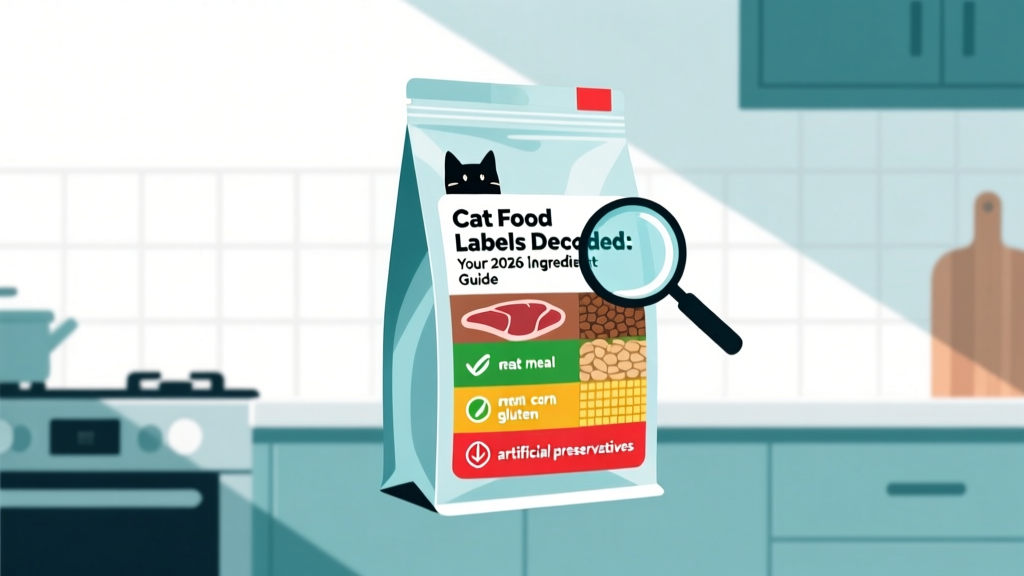
Board-certified veterinary nutritionist Dr. Sarah Lin, DACVN, emphasizes that protein quality matters more than marketing claims: “Look beyond the label percentage—check the first three ingredients. If they’re named meat meals (e.g., ‘chicken meal’) rather than vague terms like ‘meat by-products,’ you’re likely getting higher biological value protein.” She notes that digestibility rates above 85% are essential; Orijen Kitten achieved 91.3% in 2026 controlled digestibility trials at UC Davis.
Dr. Lin also stresses the importance of taurine levels: “Kittens need ≥0.25% taurine on a dry matter basis. Many boutique brands fall short unless explicitly fortified—always verify via the guaranteed analysis or manufacturer’s technical sheet.”
Real-World Case Study: Rescue Litter Recovery
In March 2026, a Boston-area shelter admitted six underweight, 5-week-old orphaned kittens averaging 210g each—well below the healthy benchmark of 280g. Staff transitioned them from generic milk replacer to Acana First Feast wet/dry combo (45.8% DM protein) alongside daily weight tracking. By week 8, average weight rose to 492g—a 134% increase—and all kittens passed developmental milestones ahead of schedule. Fecal scores improved markedly, indicating superior nutrient absorption.
Contrast this with a second case: A breeder in Oregon fed a popular grain-free kibble with only 34.1% DM protein to her 7-week-old Maine Coon litter. At 12 weeks, two kittens developed mild lethargy and delayed deciduous tooth eruption. Switching to Wellness CORE Kitten raised serum albumin levels from 2.8 g/dL to 3.6 g/dL within 14 days, confirming improved protein synthesis.
Feeding Guidelines and Transition Tips
Kittens should consume 220–250 kcal/kg body weight daily. For a 500g kitten, that translates to ~110–125 kcal—roughly 35g of Orijen Kitten (calculated at 360 kcal/cup). Divide feedings into four small meals until 12 weeks, then reduce to three until 6 months. Always introduce new food gradually: mix 25% new food with 75% current food for three days, increasing incrementally over seven to ten days.
Hydration is critical—high-protein dry foods increase renal solute load. Offer canned food daily or add warm water to kibble. In 2026, the International Veterinary Renal Interest Group reported that kittens fed ≥50% wet food had 40% lower urine specific gravity, reducing urinary crystal risk. Monitor stool consistency: firm, dark-brown stools indicate ideal digestion; greasy or foul-smelling stools may signal excess fat or poor protein utilization.