Feeding Cats With Pancreatitis: Low-Fat Diet Options
Should I feed wet food or dry food for pancreatitis?
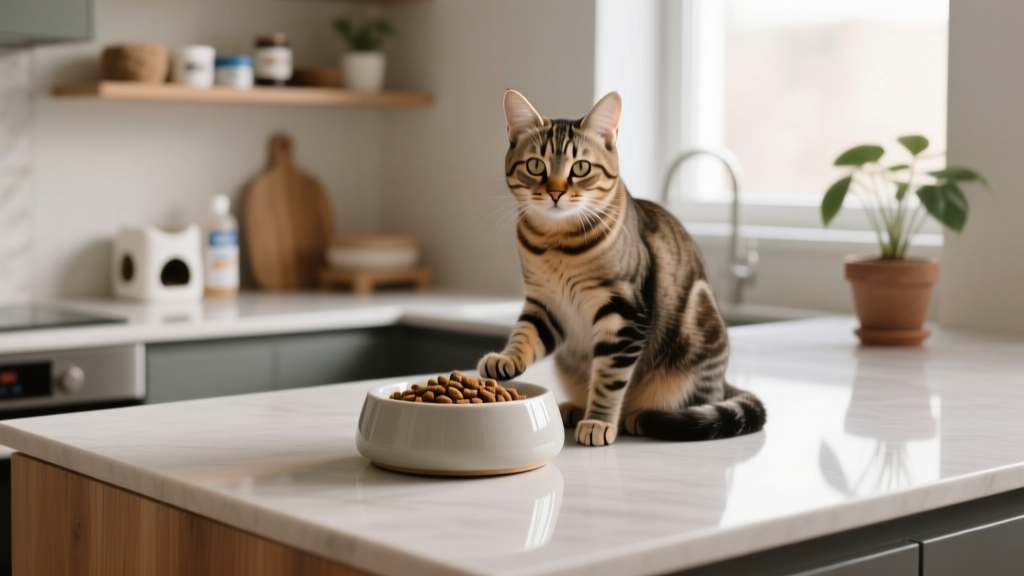
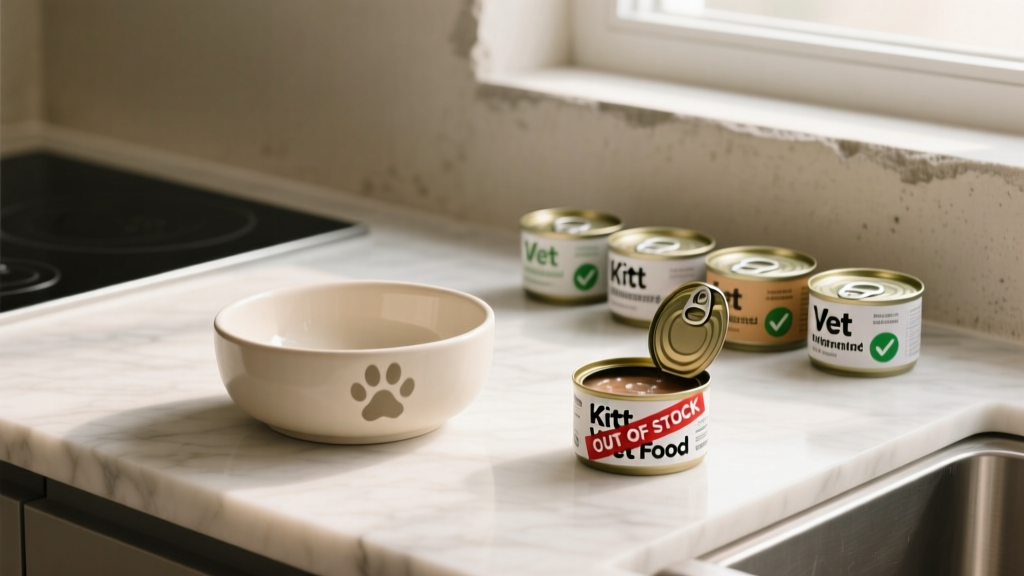
Many cats with pancreatitis do better with wet food because it’s more aromatic, easier to chew, and supports hydration. The best choice is the food your cat will reliably eat that also meets your vet’s digestibility and fat-level goals. Some cats do fine on dry therapeutic diets if tolerated.
How low should fat be for a pancreatitis cat?
There is no single universal target for every cat. Your vet may recommend a specifically formulated therapeutic diet with controlled fat, especially if your cat shows fat intolerance or has high blood lipids. Ask your clinic to compare diets using grams of fat per 100 kcal for clarity.
Can I give treats?
During active disease, treats often cause setbacks because they add unbalanced fat and ingredients. If your vet allows treats later, keep them minimal (typically under 10% of daily calories) and choose options aligned with the main diet (for example, small portions of the same therapeutic food). Avoid rich, fatty treats and all human foods seasoned with onion/garlic.
Is a grain-free diet better for pancreatitis?
Not automatically. Pancreatitis management is about tolerance, digestibility, and meeting nutrient needs—not simply avoiding grains. Some grain-free foods are higher in fat, which may be counterproductive for certain cats. Choose based on veterinary guidance and your cat’s response.
What if my cat refuses the prescription diet?
Tell your veterinarian promptly. The plan may need adjustments: nausea control, trying a different therapeutic formula/texture, warming the food, or using a short-term assisted-feeding strategy. A cat not eating is an urgent medical problem, especially with pancreatitis.
Can I feed a home-cooked low-fat diet instead?
Yes, but only if it’s formulated to be complete and balanced for cats. “Recipes from the internet” commonly lack calcium, taurine, and essential fatty acids. Ask your vet for a referral to a board-certified veterinary nutritionist to design a pancreatitis-appropriate recipe and supplement plan.
Vet reminder: Pancreatitis can look mild one day and serious the next. Always consult your veterinarian before making major diet changes, and seek urgent care if your cat won’t eat for 24 hours (or sooner for kittens), is repeatedly vomiting, seems painful, or becomes lethargic.
For more practical, science-based feeding help—hydration tips, label-reading guides, and condition-specific nutrition strategies—explore the cat nutrition articles on catloversbase.com.