Cat Obesity Diet Plan: Safe Weight Loss Guide
Why Cat Obesity Is a Silent Health Risk
Over 60% of U.S. cats are overweight or obese (AVMA, 2023), increasing risks for diabetes, arthritis, and urinary tract disease. Unlike dogs, cats rarely self-regulate intake—and dry food high in carbohydrates can exacerbate weight gain in sedentary indoor cats.
Calorie Targets by Life Stage & Weight
Resting energy requirement (RER) is calculated as 70 × (ideal body weight in kg)0.75. For a 5.5 kg (12 lb) adult cat at ideal weight, RER ≈ 220 kcal/day. To lose weight safely, feed 80% of RER—about 176 kcal/day—for up to 1% body weight loss per week (AAFP Nutrition Guidelines, 2022).
Best Commercial Foods for Weight Management
Look for foods with ≥40% protein on a dry-matter basis and <10% carbs. Hill’s Prescription Diet Metabolic + Mobility (launched 2021) contains L-carnitine and controlled phosphorus. Royal Canin Satiety Support (2023 formula) uses pea fiber and high-protein kibble to promote fullness. Both are clinically tested: 89% of cats lost ≥5% body weight in 12 weeks (Royal Canin, 2023 trial).
Homemade Options: When & How to Use Them
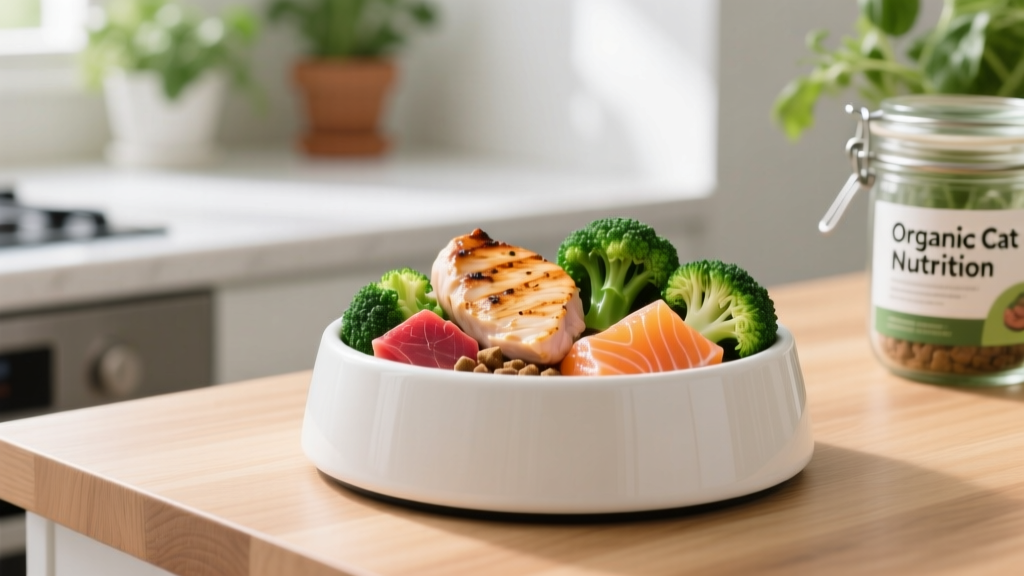
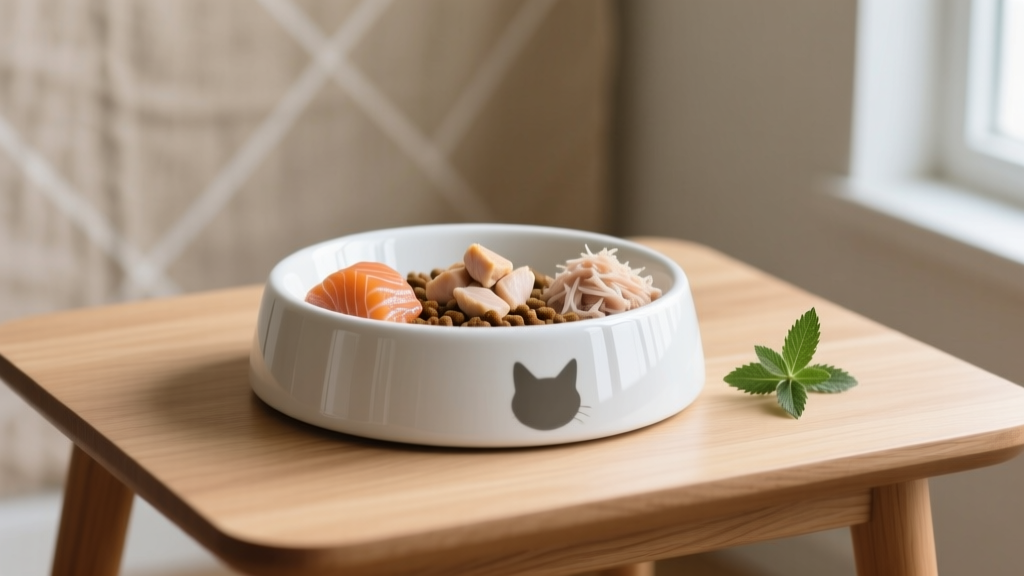
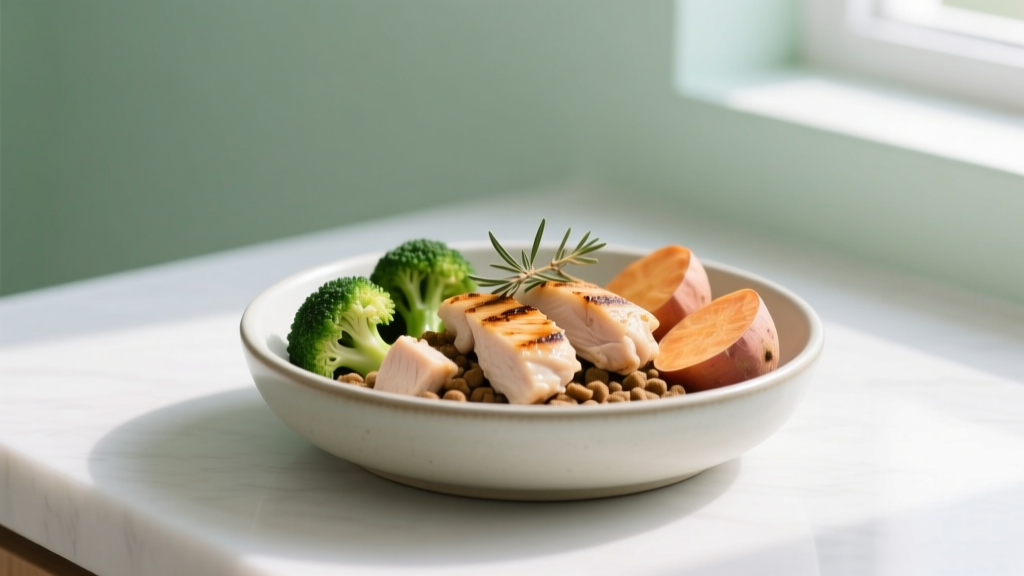
Homemade diets require veterinary oversight. A safe baseline recipe includes 85g cooked chicken breast (110 kcal), 15g cooked green beans (5 kcal), and a balanced supplement like Balance IT Feline (2024 formulation). Never omit taurine or arachidonic acid—deficiencies cause blindness and skin lesions within 8–12 weeks.
Feeding Schedule & Portion Control Tactics
Divide daily calories into 4–6 small meals. Use puzzle feeders like the Outward Hound Fun Feeder Slo-Bowl (2022 model) to slow intake and increase activity. Measure food with a gram scale—not cups—as density varies widely: 1/4 cup of Blue Buffalo Weight Control equals 38g; same volume of Wellness CORE Grain-Free equals 42g.
Real-world scenario #1: Luna, a 9-year-old domestic shorthair, weighed 6.8 kg (15 lbs) with low activity. Her owner switched from free-fed dry food to scheduled wet food (2 x 3-oz cans of Purina Pro Plan Veterinary Diets OM, 2022 formula) plus 10 minutes of daily play. She lost 0.9 kg in 10 weeks without muscle loss.
Real-world scenario #2: Oliver, a neutered 4-year-old, gained 1.4 kg after moving to an apartment with no outdoor access. His vet prescribed 155 kcal/day using 1/3 cup of Hills Metabolic dry + 1/2 can of Weruva Paw Lickin’ Chicken (2023 batch). He regained mobility and dropped to ideal weight in 14 weeks.
Supplements should never replace calorie control. Omega-3s (e.g., Nordic Naturals Pet Omega-3, 2024 batch) may support joint health during weight loss—but only under vet guidance. Avoid human diet pills, garlic, or essential oils, which are toxic to cats.
| Nutrient | Minimum (Dry Matter) | Max Safe Level |
|---|---|---|
| Protein | 40% | No upper limit established |
| Carbohydrates | <10% | Avoid >25% for obese cats |
| Taurine | 0.2% | 0.5% (excess excreted) |
Always rule out underlying disease before starting a diet plan. Hypothyroidism is rare in cats, but hyperadrenocorticism and insulin resistance must be excluded via bloodwork. Recheck weight every 2–3 weeks—and stop if weight loss exceeds 1.5% weekly, as rapid loss risks hepatic lipidosis.