Cat Food Rendering Process: What Goes Into Kibble
1) Why this topic matters for cat health
Kibble is convenient, shelf-stable, and widely fed—so understanding how it’s made (and what “rendered” ingredients really are) helps you choose a diet that supports your cat’s long-term health. Rendering and extrusion can influence:
- Protein quality and amino acid availability (crucial for an obligate carnivore)
- Fat content and oxidation (palatability, skin/coat health, and freshness)
- Moisture level (urinary and kidney health considerations in many cats)
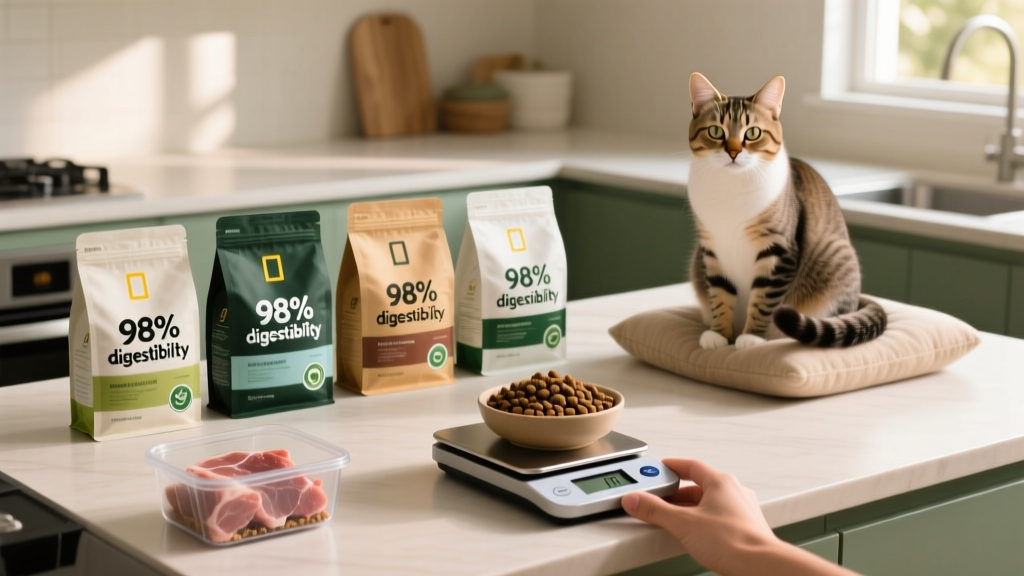
- Digestibility (stool quality, nutrient absorption, and body condition)
- Safety (pathogen reduction and contaminant monitoring)
Rendering is not automatically “bad,” and “fresh meat” is not automatically “better.” The real question is whether the finished food delivers complete, balanced nutrition for cats, uses appropriate ingredients for feline biology, and is produced with quality control.
2) Scientific background: feline nutritional needs (obligate carnivore biology)
Cats are obligate carnivores with metabolic adaptations that make them dependent on nutrients found naturally in animal tissues. Compared with omnivores, cats have:
- High protein requirements and a consistent need for dietary amino acids.
- Essential nutrients commonly tied to animal ingredients, including taurine, preformed vitamin A (retinol), arachidonic acid, and vitamin B12.
- Limited ability to use large carbohydrate loads; carbs are not “toxic,” but cats do not have a dietary requirement for them.
- Unique hydration physiology: many cats have a low thirst drive, so low-moisture diets may contribute to lower total water intake in some individuals.
| Nutrient/Feature | Why it matters for cats | Where it typically comes from |
|---|---|---|
| Protein & amino acids | Maintains lean muscle; supports immune function and enzymes | Meat meals, poultry meals, fish meals; animal tissues |
| Taurine (essential) | Heart, vision, reproduction; deficiency can be severe | Animal ingredients; added taurine in many kibbles |
| Arachidonic acid (essential) | Skin/coat and inflammation pathways | Animal fats; poultry fat; meat-based ingredients |
| Moisture | Supports hydration; relevant for urinary tract health in many cats | Higher in wet foods; low in kibble |
| Mineral balance (Mg, P, Ca) | Urinary health and bone health; kidney health considerations | Controlled via formulation; not reliably predicted by ingredient list |
Well-formulated kibble can meet recognized nutritional standards (AAFCO profiles or feeding trials), but it must be carefully designed to deliver feline-essential nutrients after processing.
3) Detailed analysis: the rendering process and what goes into kibble
What “rendering” means in pet food
Rendering is an industrial process that converts animal tissues (and sometimes other raw materials) into stable ingredients such as meat meals and animal fats. It’s used because it improves shelf stability, reduces moisture, concentrates nutrients, and can enhance safety by reducing pathogen load when performed correctly.
Common rendered ingredients in kibble
- Poultry meal / chicken meal / turkey meal: dried, rendered product made from poultry tissues. Because water has been removed, meals are typically more protein-dense per pound than “fresh” meat.
- Meat and bone meal: can provide protein and minerals; mineral levels can vary, so good manufacturers tightly control formulation and test finished diets.
- Animal fat / chicken fat: concentrated energy source; provides essential fatty acids and boosts palatability.
- Fish meal / salmon meal: protein source; may contribute omega-3 fats, though amounts vary and can oxidize if not stabilized.
How kibble is made (rendering + extrusion), step by step
- Raw material collection and handling: Animal tissues are transported to rendering facilities. Time/temperature control matters for freshness and oxidation prevention.
- Grinding and cooking: Materials are ground and heated. Cooking separates fat from protein/mineral solids and reduces microbial risk.
- Separation: The process yields:
- Rendered fat (often later sprayed onto kibble for flavor and calories)
- Protein/mineral solids (dried and milled into “meal”)
- Formulation and mixing: Meals are blended with carbohydrates (starches such as rice, corn, wheat, peas, potatoes), fiber sources, vitamins, minerals, and sometimes functional ingredients (prebiotics, probiotics, omega-3s).
- Extrusion: The dough is cooked under heat/pressure and pushed through a die to form kibble shapes. This step gelatinizes starch so kibble holds its shape.
- Drying: Moisture is reduced to improve shelf life.
- Coating: Fats, palatants (“natural flavors,” digest sprays), and sometimes probiotics are applied after drying to improve taste and aroma.
- Packaging and storage: Oxygen exposure, light, and heat can degrade fats and some vitamins. High-quality brands manage oxidation with antioxidants, packaging, and inventory control.
Does rendering “destroy nutrients”?
Heat processing can reduce some heat-sensitive nutrients. That’s why reputable manufacturers add a vitamin/mineral premix and often taurine to ensure the finished diet meets nutrient requirements. The key is not whether a food is processed—almost all commercial foods are—but whether the final product is:
- Complete and balanced for your cat’s life stage
- Digestible and supports a healthy body condition and stool quality
- Quality-controlled (testing, traceability, and formulation expertise)
Safety and quality concerns cat owners should understand
- Oxidation (rancidity) of fats: Rendered fats can oxidize over time. This can reduce palatability and may increase oxidative byproducts. Better foods use effective antioxidants (often mixed tocopherols/vitamin E) and good packaging practices.
- Batch variability: Some rendered meals can vary in mineral content. Brands with strong quality control monitor ash, calcium, phosphorus, and other metrics and adjust formulas accordingly.
- Contaminant monitoring: Reputable companies test for pathogens, mycotoxins (from grains), heavy metals (more relevant with certain fish ingredients), and nutrient adequacy.
- Digestibility differences: Two foods can look similar on the label yet perform differently in the litter box and on your cat’s body condition.
4) Practical recommendations for cat owners
Use the label as a starting point, then look deeper than marketing terms.
- Choose “complete and balanced” foods that state they meet AAFCO nutrient profiles (or have passed AAFCO feeding trials). Feeding trials provide real-world data but are not the only indicator of quality.
- Look for clear animal protein sources (e.g., “chicken meal,” “turkey,” “salmon meal”) rather than vague “meat meal” or “animal digest” as primary protein identifiers.
- Consider moisture strategy: If your cat eats mostly kibble, add moisture via wet food, water fountains, or adding water to meals (if your cat accepts it and the food remains palatable).
- Prioritize body condition: The “best” food is one your cat thrives on—ideal weight, good stool quality, healthy coat, and good energy.
- Ask your veterinarian which nutrient targets matter for your cat (calorie density, phosphorus, urinary goals, fiber, fat, etc.).
5) Comparison of options and approaches
| Approach | Pros | Cons | Best fit for |
|---|---|---|---|
| Dry kibble (rendered + extruded) | Convenient; cost-effective; dental abrasion is limited but can help some cats with tartar when designed for it; easy to portion | Low moisture; calorie-dense; some formulas higher in starch; palatant-coated (can encourage overeating) | Budget-conscious homes; cats that do well on dry; mixed feeding plans |
| Wet/canned food | High moisture; often higher animal-protein percentage on an as-fed basis; may support urinary health in many cats | Higher cost; spoilage once opened; portioning and storage required | Cats with low water intake; urinary-prone cats (with vet guidance); weight management plans |
| Mixed feeding (wet + dry) | Balances convenience and hydration; flexibility for picky cats | Easy to overfeed calories if portions aren’t measured | Most households wanting a practical middle ground |
| Fresh/refrigerated or gently cooked commercial diets | Often highly palatable; variable moisture levels; some cats do very well | Quality varies widely; must be complete and balanced; storage cost and handling | Owners willing to manage storage and vet oversight |
| Home-prepared diets | Ingredient control; can be tailored for medical needs if formulated properly | High risk of nutrient imbalance without a veterinary nutritionist recipe; food safety concerns | Cats with special medical needs under professional formulation |
6) Common mistakes and misconceptions to avoid (myths vs facts)
- Myth: “Rendered ingredients are fillers.”
Fact: Rendered meals can be nutrient-dense animal protein sources. Quality depends on sourcing, processing standards, and formulation. - Myth: “If the first ingredient is fresh chicken, it must be high-protein.”
Fact: Fresh meats are high in water. After processing, a “meal” can contribute more actual protein than fresh meat listed first. - Myth: “Grain-free automatically means healthier for cats.”
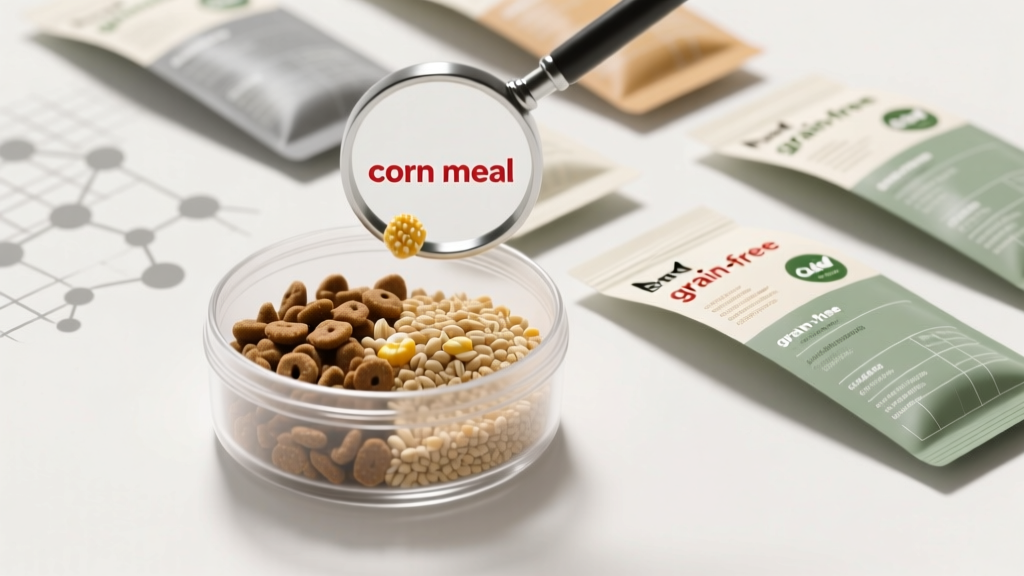
Fact: Grain-free diets often replace grains with other starches (peas, lentils, potatoes). The key issue is overall carbohydrate load, protein quality, digestibility, and nutrient balance—not whether the starch came from grain. - Myth: “Kibble cleans teeth.”
Fact: Most kibble shatters too easily to provide meaningful dental cleaning. Dental-health diets with specific kibble structure can help some cats, but brushing and veterinary dental care remain the gold standard. - Myth: “Cats shouldn’t eat any carbohydrates.”
Fact: Cats have no carbohydrate requirement, but they can digest cooked starch in moderate amounts. The goal is a cat-appropriate diet that prioritizes animal protein and appropriate calories, not a zero-carb label.
7) How to implement changes safely (transition tips)
Sudden diet changes can trigger vomiting, diarrhea, or food refusal. Use a slow transition unless your veterinarian recommends otherwise.
- Typical transition schedule: 7–10 days (some cats need 2–3 weeks).
- Mixing guide:
- Days 1–3: 75% old food / 25% new food
- Days 4–6: 50% old / 50% new
- Days 7–9: 25% old / 75% new
- Day 10+: 100% new (if stool and appetite are normal)
- Measure portions with a kitchen scale or standard measuring cup to avoid accidental overfeeding.
- Watch hydration if moving from wet to dry or increasing kibble.
- Stop and call your vet if your cat refuses food for 24 hours (or sooner for kittens), vomits repeatedly, has watery diarrhea, or seems lethargic. Cats are vulnerable to hepatic lipidosis with prolonged anorexia.
8) Special considerations (age, health conditions, activity level)
Kittens
- Need higher calories, protein, and specific nutrient balance for growth.
- Choose a food labeled for growth or all life stages.
- Ask your vet about meal frequency and monitoring growth rate and stool quality.
Adult cats (including indoor cats)
- Focus on maintaining ideal body condition; many indoor cats need fewer calories than labels suggest.
- Consider mixed feeding to support hydration without overfeeding kibble.
Senior cats
- Older cats can lose muscle more easily; protein quality and adequate calories matter.
- Kidney parameters (BUN/creatinine/SDMA) and phosphorus targets may influence food choice—work with your veterinarian.
Urinary tract concerns (FLUTD, crystals, recurrent cystitis)
- Moisture intake and urinary goals (pH, relative supersaturation) are often central to management.
- Prescription urinary diets are formulated to specific targets; don’t swap foods casually without veterinary guidance.
Chronic kidney disease (CKD)
- Many cats benefit from therapeutic diets with controlled phosphorus and adjusted protein quality.
- Discuss diet changes early with your veterinarian; appetite and body weight are top priorities.
Food allergies or sensitivities
- Rendering does not remove allergenicity. If allergy is suspected, vets often recommend a true elimination diet trial using a veterinary hydrolyzed or novel protein diet.
FAQ
1) Is rendered meat “4D meat” and is it unsafe?
Rendering refers to a processing method, not automatically a quality grade. Safety depends on sourcing standards, handling, temperature control, and testing. If you’re concerned, choose brands that publish quality-control practices and have strong veterinary nutrition involvement. For individual cats with medical needs, ask your veterinarian for diet guidance.
2) Is “chicken meal” worse than “chicken” on the ingredient list?
Not necessarily. “Chicken” includes a lot of water; “chicken meal” is concentrated after moisture removal and often contributes more protein to the final kibble. What matters most is the finished diet’s nutrient profile, digestibility, and your cat’s health outcomes.
3) Why do kibbles include starch if cats are carnivores?
Extruded kibble typically needs starch to form and hold its shape, and cooked starch is digestible for cats. The goal is keeping starch at a reasonable level while prioritizing animal-based proteins and fats and maintaining complete, balanced nutrition.
4) Does kibble made with rendered ingredients cause kidney disease?
There’s no evidence that rendering itself causes kidney disease. Kidney health is influenced by multiple factors (age, genetics, hydration, underlying disease). For cats with CKD, the diet focus is usually phosphorus control, adequate calories, and maintaining appetite—decisions best made with your veterinarian.
5) How can I tell if my cat’s kibble is “good quality”?
Look for AAFCO nutritional adequacy statements, clear life-stage labeling, reputable manufacturer practices (testing, veterinary nutrition expertise), and how your cat responds: stable weight, healthy coat, normal stools, and good energy. Your veterinarian can help interpret label claims and decide whether a therapeutic or higher-moisture plan is better for your cat.
6) Should I switch from kibble to wet food because of rendering concerns?
Switching solely due to rendering isn’t necessary. Many cats do benefit from increased dietary moisture, especially those prone to urinary issues, but the best plan depends on your cat’s health, preferences, and budget. Talk with your veterinarian before major dietary changes, particularly if your cat has urinary disease, kidney disease, diabetes, or a history of poor appetite.
If you want to optimize your cat’s diet, pair label literacy with your cat’s real-world results and your veterinarian’s guidance. Explore more cat nutrition guides, feeding strategies, and ingredient deep-dives on catloversbase.com.