Cat Food Sustainability: Insect Protein Emerging Trends
Is insect protein “real meat” for cats?
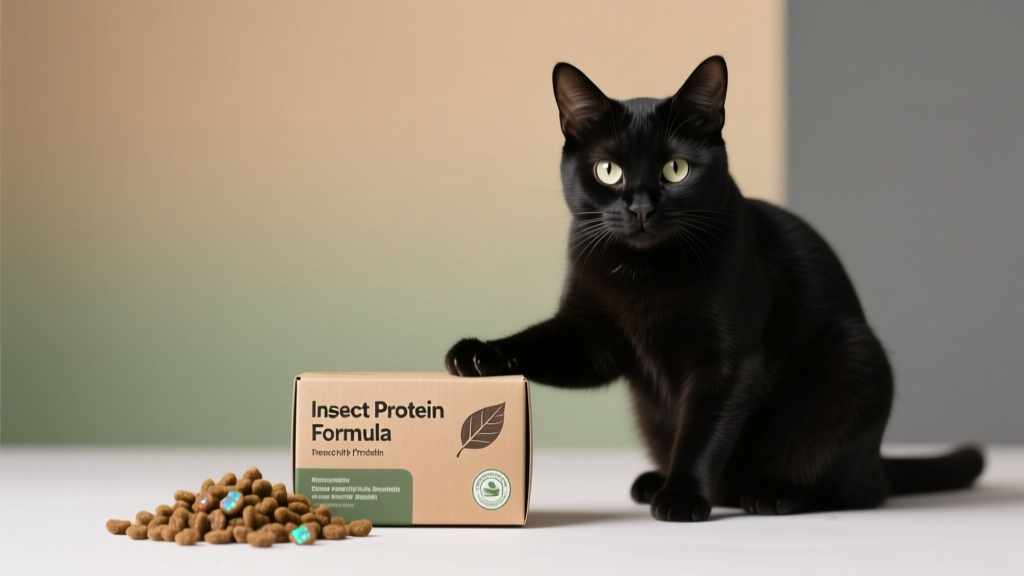
Insects are animal-derived and provide protein and fat, which aligns better with obligate carnivore needs than plant-only proteins. The full diet still must be complete and balanced for cats, with appropriate taurine and micronutrient fortification.
Can insect protein help with my cat’s itchy skin or food allergies?
It may help if your cat’s symptoms are due to an adverse reaction to more common proteins and the insect protein is truly novel for your cat. Many itchy cats actually have flea allergy, environmental allergies, infections, or multiple triggers. Work with your veterinarian to diagnose the cause and choose an appropriate diet trial.
Will my cat actually eat insect-based food?
Some cats accept it readily; others resist any new smell or texture. Choose a format your cat prefers (pate vs. chunks, wet vs. dry), transition gradually, and avoid changing too many things at once. If your cat refuses food, contact your vet—cats should not go without eating.
Is insect protein safe long-term?
When produced by reputable manufacturers and formulated to meet AAFCO/FEDIAF profiles (and ideally supported by feeding trials), insect-based diets can be used long-term for many cats. Long-term safety still depends on your cat’s individual health, regular veterinary monitoring, and choosing a quality-controlled product.
Does insect protein reduce my cat’s environmental footprint?
Often it can, especially compared with some conventional animal agriculture sources, but the true impact depends on farming methods, transport, processing, packaging, and the rest of the ingredient supply chain. If sustainability is a priority, look for brands that publish life-cycle or sourcing information.
Should I rotate insect protein with other proteins?
Rotation can help some owners diversify protein sources and prevent boredom, but it isn’t required. Cats with sensitive stomachs or medical conditions may do better with consistency. If you rotate, do it slowly and keep each diet nutritionally complete and balanced. Ask your veterinarian what makes sense for your cat.
Vet guidance matters: Any significant diet change—especially for kittens, seniors, or cats with urinary, kidney, GI, or endocrine disease—should be discussed with your veterinarian to ensure the new diet supports your cat’s health goals.
If you’d like more practical, science-based feeding help, explore the cat nutrition guides at catloversbase.com for portioning tips, wet vs. dry comparisons, label-reading checklists, and condition-specific feeding strategies.