Feeding Cats With Cobalamin Deficiency: B12 Injection Diet
1) Why this nutrition topic matters for cat health
Cobalamin (vitamin B12) deficiency is one of the most common, overlooked nutrition-related problems in cats with chronic gastrointestinal (GI) disease. B12 is essential for normal appetite, healthy digestion, red blood cell production, nerve function, and metabolism. When a cat can’t absorb enough cobalamin, you may see vague but serious changes: weight loss, poor body condition, intermittent vomiting or diarrhea, low energy, and a cat that “just isn’t thriving.”
The good news: cobalamin deficiency is usually treatable, and many cats improve noticeably after proper supplementation—often within weeks—especially when the underlying gut disorder is addressed at the same time. This article explains what cobalamin deficiency means, why injections are often the best tool, and how to feed a supportive diet while your veterinarian manages the medical side.
2) Scientific background: feline nutritional needs and obligate carnivore biology
Cats are obligate carnivores with high protein requirements and unique nutrient needs that differ from dogs and humans. Their metabolism is geared toward using protein and fat as primary energy sources, and they rely on animal-derived nutrients in ways other species don’t.
- High-protein, highly digestible diets: Cats need ample, bioavailable amino acids. Chronic GI disease can reduce digestion and absorption of protein, leading to muscle loss.
- Limited carbohydrate handling: Cats can digest some carbohydrates, but they’re not biologically “designed” to rely on them as a major calorie source—especially if the gut is inflamed.
- Water intake matters: Many cats under-drink. Wet foods can improve hydration and help cats maintain intake when appetite is low.
- B vitamins are water-soluble: They’re not stored in large amounts and may be depleted more quickly in illness, anorexia, or malabsorption states.
Where B12 fits in: Cobalamin is a water-soluble vitamin required for DNA synthesis, red blood cell formation, and normal neurologic function. In cats, cobalamin absorption is tightly linked to the health of the small intestine and pancreas, making it a valuable marker in chronic GI cases.
3) Detailed analysis: what cobalamin deficiency is, why it happens, and why injections are common
What causes cobalamin deficiency in cats?
In cats, low cobalamin most often reflects malabsorption, not an inadequate diet. Common underlying causes include:
- Chronic enteropathy/IBD-like disease: Intestinal inflammation can reduce absorption of nutrients, including cobalamin.
- Small intestinal dysbiosis: Imbalances in intestinal microbes may interfere with normal nutrient handling and contribute to diarrhea and weight loss.
- Exocrine pancreatic insufficiency (EPI): Less common in cats than dogs, but strongly associated with low cobalamin when present.
- Chronic pancreatitis: Can be associated with low cobalamin and poor appetite.
- Intestinal lymphoma or other infiltrative disease: May reduce absorption and cause profound weight loss.
Signs cat owners may notice
- Weight loss, muscle loss, poor body condition
- Reduced appetite or picky eating
- Vomiting and/or diarrhea (sometimes intermittent)
- Lethargy, reduced grooming
- Dull coat quality
How cobalamin is tested
Veterinarians typically measure serum cobalamin. Low values support deficiency, but results should be interpreted with the clinical picture and other tests. Many vets also evaluate:
- Folate (another B vitamin influenced by intestinal health)
- Pancreatic markers (e.g., feline pancreatic lipase immunoreactivity, and in some cases trypsin-like immunoreactivity for EPI)
- Ultrasound, fecal testing, diet trials, or other diagnostics based on symptoms
Why injections are often preferred over oral B12
If a cat is deficient because the intestine cannot absorb cobalamin well, oral supplementation may not reliably correct the problem. Injections bypass GI absorption and deliver cobalamin directly.
| Approach | Pros | Cons | Best used when |
|---|---|---|---|
| Subcutaneous B12 injections | Reliable absorption; rapid repletion; useful in GI malabsorption | Requires vet guidance; some cats dislike injections | Low serum cobalamin, chronic diarrhea/vomiting, suspected malabsorption |
| Oral cobalamin | Non-invasive; easy for some owners | May not work if absorption is impaired; adherence can be difficult | Mild issues, maintenance after injections, vet-approved cases |
| Dietary B12 alone | Supports overall nutrition | Unreliable for deficiency caused by malabsorption | Adjunct support, not a replacement for supplementation |
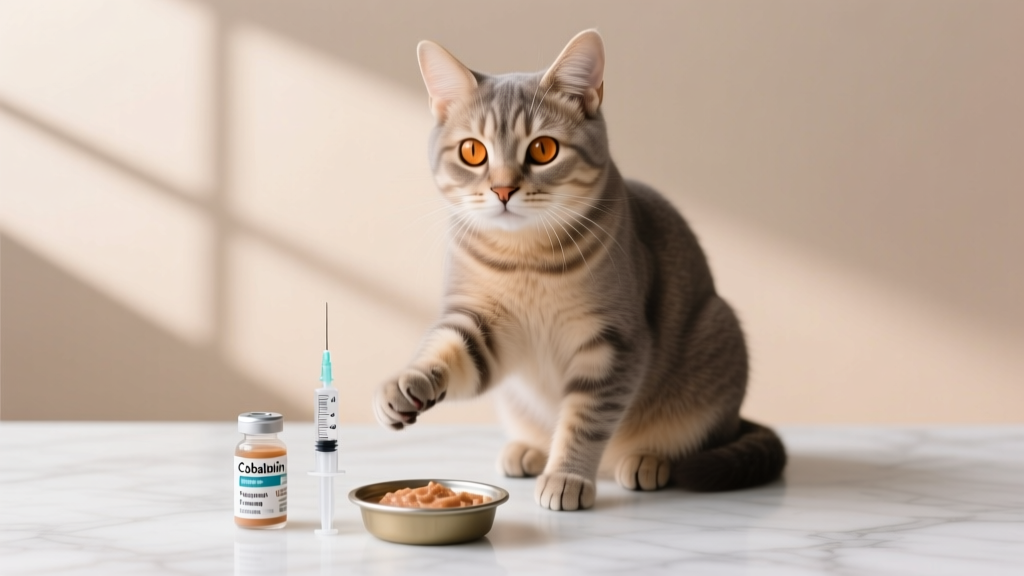
Key point: A “B12 injection diet” is not a special recipe that replaces medical care. It means feeding a diet that supports gut healing and body condition while your veterinarian corrects deficiency with injections and addresses the underlying disease.
4) Practical recommendations for cat owners
Diet goals during B12 treatment
- Maximize digestibility: Choose complete-and-balanced foods known for high digestibility.
- Protect lean body mass: Ensure adequate protein and calories to stop weight loss.
- Reduce GI workload: Use simpler ingredient profiles when appropriate, and consider therapeutic GI diets.
- Support hydration: Prefer wet food when feasible, especially for cats with poor appetite.
What to feed (food categories that often help)
| Food type | Who it may help | Why it works | Owner tips |
|---|---|---|---|
| Veterinary therapeutic GI diets | Vomiting/diarrhea, weight loss, suspected maldigestion | High digestibility, controlled fat/fiber, consistent formulation | Use as a strict trial for 2–4 weeks (or as directed) |
| Hydrolyzed protein diets | Suspected food-responsive enteropathy | Protein broken into smaller pieces to reduce immune reaction risk | No treats/flavored meds during trial |
| Novel protein diets | Possible food sensitivity; itchy skin plus GI signs | Uses protein the cat hasn’t eaten before | Diet history matters—share it with your vet |
| High-calorie recovery diets (vet-directed) | Poor appetite, underweight cats | Energy-dense to restore weight with smaller meals | Use measured portions; recheck weight weekly |
Meal strategy that supports GI recovery
- Small, frequent meals: Often easier on inflamed GI tracts and can improve overall intake.
- Warm food slightly: Enhances aroma and may encourage eating (avoid overheating).
- Track intake: Note what was offered, what was eaten, vomiting/diarrhea episodes, and stool quality.
Always consult your veterinarian before changing diet, adding supplements, or adjusting feeding amounts—especially if your cat has weight loss, chronic GI signs, diabetes, kidney disease, or is on medications.
5) Comparison of approaches: injections plus diet vs. diet-only thinking
Owners often hope a “better food” can fix B12 deficiency. A high-quality diet helps overall nutrition, but malabsorption is the core issue in most deficient cats.
- Best outcomes: Treat deficiency with vet-prescribed B12 injections + feed a digestible, appropriate therapeutic diet + investigate/manage the underlying cause.
- Commonly disappointing approach: Switching foods repeatedly without a structured diet trial and without correcting cobalamin levels.
| Plan | What it targets | Likely result |
|---|---|---|
| B12 injections + targeted diet trial | Deficiency + GI triggers + calorie needs | Highest chance of improved appetite, weight gain, stool quality |
| B12 injections + inconsistent feeding | Deficiency only | Partial improvement; relapse possible if underlying GI disease persists |
| Diet changes only | General nutrition | May not correct deficiency; can delay effective treatment |
6) Common mistakes and misconceptions to avoid (myths debunked)
- Myth: “If I feed more meat, B12 deficiency will resolve.”
Reality: Many cats are deficient because they can’t absorb B12 well. More dietary B12 won’t reliably fix malabsorption. - Myth: “B12 injections are only for severe cases.”
Reality: Injections are often used early because they’re reliable, safe when prescribed, and can improve appetite and energy while diagnostics and diet trials proceed. - Myth: “Grain-free or boutique diets are better for IBD.”
Reality: Food responsiveness is about specific proteins/ingredients and digestibility, not marketing labels. Many grain-free diets are rich and may worsen diarrhea in some cats. - Myth: “Probiotics and supplements can replace veterinary care.”
Reality: Some supplements may help certain cats, but they don’t replace diagnostics, B12 repletion, or treatment of pancreatitis, EPI, parasites, or other disease. - Mistake: Frequent food switching.
Rotating foods every few days makes it hard to know what works and can destabilize the gut further. Structured trials are more effective.
7) How to implement changes safely (transition tips)
Cats with GI disease can be sensitive to abrupt change. A careful transition reduces vomiting, diarrhea, and food refusal.
- Transition over 7–10 days when possible:
- Days 1–3: 75% old + 25% new
- Days 4–6: 50% old + 50% new
- Days 7–9: 25% old + 75% new
- Day 10+: 100% new
- If your cat is actively vomiting or has severe diarrhea: ask your vet whether a faster switch to a therapeutic GI diet is appropriate.
- Protect calorie intake: For underweight cats, avoiding food aversion is critical. Don’t force a diet change if it causes your cat to stop eating—contact your veterinarian promptly.
- Keep diet trials strict: During hydrolyzed or novel-protein trials, avoid flavored treats, table scraps, and flavored medications unless your vet approves.
Safety note: Cats that eat little or nothing for 24–48 hours (especially overweight cats) are at risk of hepatic lipidosis. If appetite is poor, contact your veterinarian immediately.
8) Special considerations (age, health conditions, activity level)
Kittens
- Kittens need higher calories and nutrients for growth.
- Chronic diarrhea in kittens can involve parasites or infectious causes; don’t assume it’s “just food.”
- Any supplementation (including B12) should be strictly vet-directed.
Adult cats with chronic enteropathy/IBD-like disease
- Diet trials (hydrolyzed or novel protein) plus B12 injections are common.
- Your vet may combine diet therapy with medications (such as anti-nausea drugs or anti-inflammatories) when needed.
Senior cats
- Older cats commonly have multiple conditions (kidney disease, hyperthyroidism, arthritis) that affect diet choice.
- Weight loss in seniors should be taken seriously; ask your vet about full senior screening and repeat weight checks.
Cats with pancreatitis or suspected EPI
- Cobalamin deficiency is especially relevant here.
- Diet may need to be carefully selected for digestibility and tolerance; your vet may recommend specific therapeutic formulas.
Overweight but deficient cats
- It’s possible to be overweight and malnourished at the same time if absorption is poor.
- Weight-loss plans should be cautious and vet-supervised; stabilizing the gut and appetite often comes first.
9) FAQ: common questions from cat owners
1) Can I fix my cat’s B12 deficiency with food alone?
Usually not. If bloodwork shows low cobalamin, the most common reason is poor absorption from intestinal or pancreatic disease. A complete-and-balanced diet supports recovery, but many cats need veterinarian-prescribed supplementation—often injections—to reliably restore normal levels.
2) How quickly will my cat improve after B12 injections?
Some cats show improved appetite and energy within 1–2 weeks, while others need longer and only improve once the underlying GI disease is controlled. Your vet may recheck cobalamin levels after a treatment course to confirm response.
3) Should my cat eat a special “B12 diet” while getting injections?
Focus on a diet that matches the suspected cause: highly digestible GI diets, hydrolyzed protein diets, or novel protein diets are common veterinary choices. The best plan is individualized based on symptoms, body condition, test results, and response to diet trials.
4) Are oral B12 supplements useless for cats with GI disease?
Not always, but they can be less reliable when malabsorption is significant. Many veterinarians use injections to correct deficiency first, then consider oral supplementation for maintenance in selected cats.
5) What treats can I give during a hydrolyzed or novel-protein diet trial?
Only treats approved for that specific diet trial—often the same therapeutic diet in treat form or measured portions of the wet/dry prescription food. Even small amounts of other proteins can invalidate the trial. Ask your vet for a strict list.
6) When should I call the vet during a diet change?
Call promptly if your cat stops eating, seems painful, vomits repeatedly, has watery diarrhea for more than a day, shows blood in stool or vomit, becomes weak, or loses weight despite eating. Cats can deteriorate quickly when appetite drops.
Feeding a cat with cobalamin deficiency is about pairing smart nutrition with veterinary treatment: correct the deficiency (often with injections), choose a digestible diet that matches the suspected GI problem, and monitor appetite, stool quality, and body condition closely. For a tailored plan, work with your veterinarian or a board-certified veterinary nutritionist—especially if your cat has multiple health conditions.
If you found this guide helpful, explore more cat nutrition and feeding strategy articles on catloversbase.com to keep building a healthier, happier routine for your cat.