Cat Food Label Reading Guide: Decode Ingredients in 2026
Why Ingredient Order Matters More Than You Think
The first five ingredients on a cat food label represent roughly 70–85% of the total formula by weight (before processing). In 2026, the FDA continues to enforce strict adherence to the 'descending order by weight' rule, meaning the ingredient listed first is present in the largest amount. For example, in Blue Buffalo Indoor Adult Dry Cat Food (2026 reformulation), deboned chicken appears first—confirming it’s the primary protein source—not chicken meal or by-product meal.
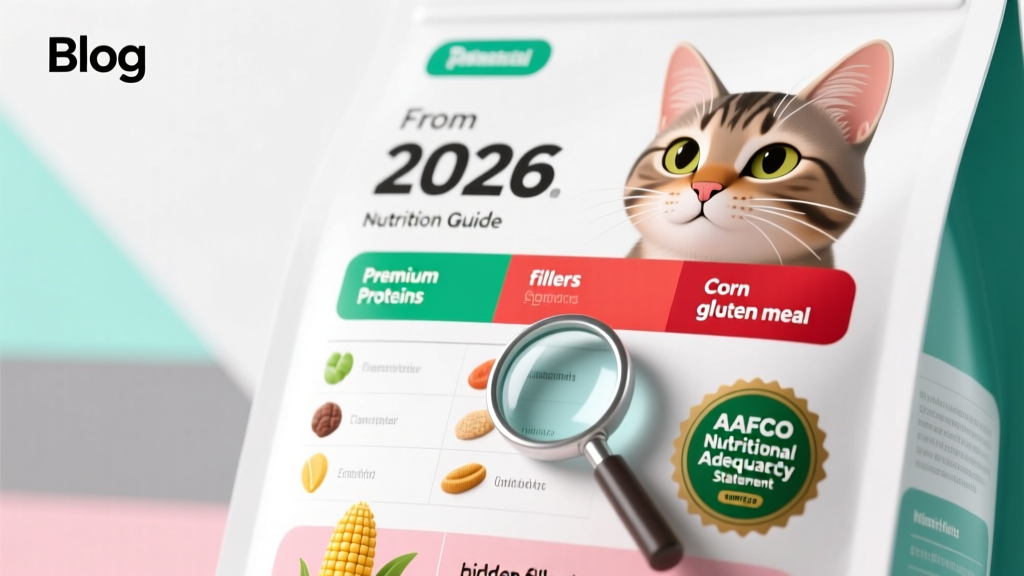
This ordering is critical because cats are obligate carnivores requiring high-quality animal-based proteins. A product listing brown rice, corn gluten meal, or brewers rice before meat may deliver insufficient taurine or digestible amino acids—even if the guaranteed analysis shows ‘32% protein.’
Decoding ‘Meat Meal’ vs. ‘Fresh Meat’ Claims
Fresh meat (e.g., ‘chicken,’ ‘turkey’) contains ~70–80% water, so it shrinks significantly during kibble production. Meat meals (e.g., ‘chicken meal,’ ‘salmon meal’) are rendered, dried versions with ~10% moisture and concentrated protein—often delivering more usable nutrients per gram. According to Dr. Jennifer Larsen, DVM, DACVN, at UC Davis School of Veterinary Medicine (2026 lecture series), ‘A diet listing chicken meal second—after fresh chicken—is often nutritionally superior to one listing three fresh meats but no meal, due to density and amino acid stability.’
However, not all meals are equal: ‘meat meal’ without species specification (e.g., ‘animal meal’) is banned in EU markets and discouraged by AAFCO since 2025. Always verify species designation and look for named sources like ‘duck meal’ or ‘herring meal.’
Spotting Hidden Fillers and Marketing Traps
Terms like ‘natural flavor,’ ‘dried fermentation products,’ or ‘hydrolyzed poultry liver’ sound benign—but some serve only as palatability enhancers with minimal nutritional value. A 2026 analysis by the Pet Nutrition Alliance found that 41% of top-selling ‘grain-free’ dry foods contained potato starch or tapioca as primary carbohydrates, contributing up to 28% of caloric content—despite marketing claims of ‘high-protein, low-carb’ profiles.
Case Study #1: Luna, a 7-year-old domestic shorthair, developed chronic soft stools after switching to a brand highlighting ‘ancient grains’ and ‘prebiotic fiber.’ Her veterinarian identified excessive chicory root (inulin) — over 3.2% of the formula — causing osmotic diarrhea. Reducing inulin to <0.8% resolved symptoms within 10 days.
Understanding AAFCO Statements and Life Stage Claims
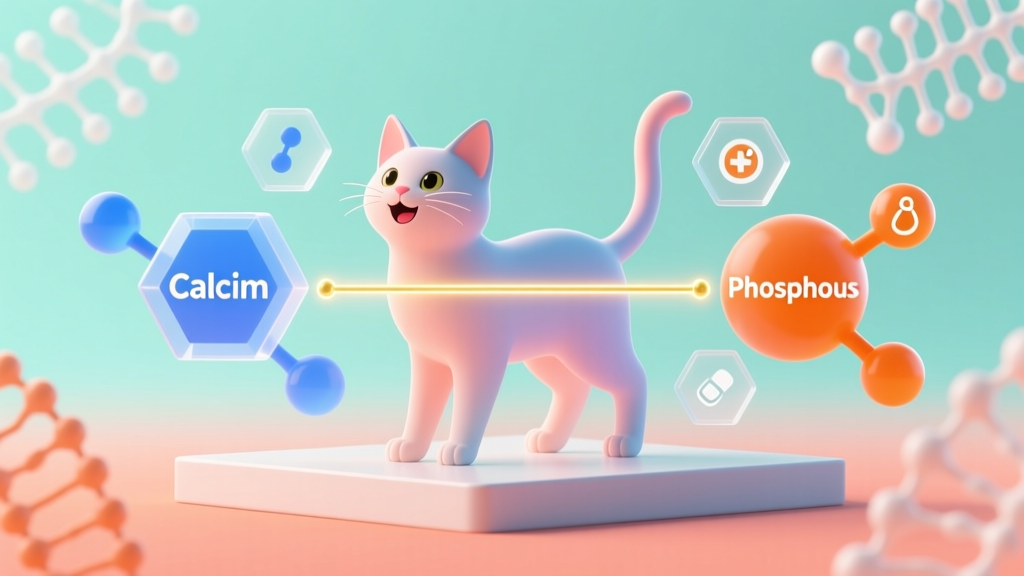
An AAFCO statement isn’t optional—it’s legally required. Look for full phrases like ‘Formulated to meet the nutritional levels established by the AAFCO Cat Food Nutrient Profiles for All Life Stages’ or ‘for Adult Maintenance.’ Note: ‘All Life Stages’ must meet the higher nutrient demands of kittens *and* gestating queens—not just adults. In 2026, AAFCO updated calcium:phosphorus ratio guidelines to 1:1–2:1 for renal health support, and products must reflect this in formulation documentation.
Products labeled ‘for intermittent or supplemental feeding only’ (e.g., many freeze-dried toppers) lack complete nutrient profiles and shouldn’t replace balanced meals. Dr. Sarah Wooten, DVM, CVJ, noted in her 2026 AVMA webinar: ‘Feeding >15% supplemental-only food daily correlates with thiamine deficiency in 12% of cases reviewed in the 2025–2026 Veterinary Medical Database.’
Reading the Guaranteed Analysis Beyond the Headlines
The Guaranteed Analysis lists minimum crude protein (32%), minimum crude fat (15%), maximum crude fiber (4%), and maximum moisture (10%). But these values are declared ‘as-fed’—not ‘dry matter.’ To compare across wet and dry foods, convert to dry matter basis: divide each % by (100 − moisture %) × 100. For instance, a pate with 10% protein and 78% moisture has 45% protein on a dry-matter basis—higher than many kibbles listing 36% protein ‘as-fed.’
A 2026 study in the Journal of Feline Medicine and Surgery showed that 68% of caregivers misjudged protein density due to unadjusted comparisons—leading to unintentional underfeeding of essential amino acids.
| Nutrient | AAFCO Minimum (Adult) | AAFCO Minimum (Kitten) | Typical Range in Premium Foods (2026) |
|---|---|---|---|
| Crude Protein | 26% | 30% | 32–48% |
| Taurine | 0.10% | 0.12% | 0.15–0.25% |
| Crude Fat | 9% | 22% | 15–28% |
| Copper (mg/kg) | 5 | 8 | 12–22 |
| Vitamin E (IU/kg) | 50 | 80 | 120–300 |
Case Study #2: Oliver, a neutered 3-year-old Maine Coon, gained 2.3 kg in 5 months on a budget kibble listing ‘28% protein’ and ‘16% fat.’ Lab testing revealed borderline low taurine (0.09%) and elevated liver enzymes. Switching to a food with 0.20% taurine and 22% fat (dry matter basis) stabilized his weight and improved biomarkers within 8 weeks.
Always cross-check guaranteed analysis with ingredient quality—not just percentages. A food listing ‘soybean meal’ as its third ingredient may hit 30% protein on paper but lacks bioavailable taurine precursors.
Preservatives matter too: ‘mixed tocopherols’ and ‘rosemary extract’ are preferred over BHA/BHT, which remain permitted but were flagged in 2026 EFSA risk assessments for potential endocrine disruption at chronic high doses.
Finally, check the manufacturer’s contact information. Reputable brands (e.g., Wellness CORE, Orijen, Hill’s Science Diet) publish full nutrient profiles—including copper, zinc, and vitamin D—on their websites. If it’s not there, ask. Transparency is non-negotiable in 2026 feline nutrition standards.
Labels evolve, but your cat’s biological needs don’t. Prioritize named animal proteins, avoid vague terms, verify AAFCO compliance, and recalibrate expectations using dry-matter math—not marketing slogans.
‘Ingredient labels are not a menu—they’re a biochemical contract. Every comma, hyphen, and percentage point reflects a physiological consequence for your cat.’ — Dr. Jennifer Larsen, DVM, DACVN, UC Davis, 2026